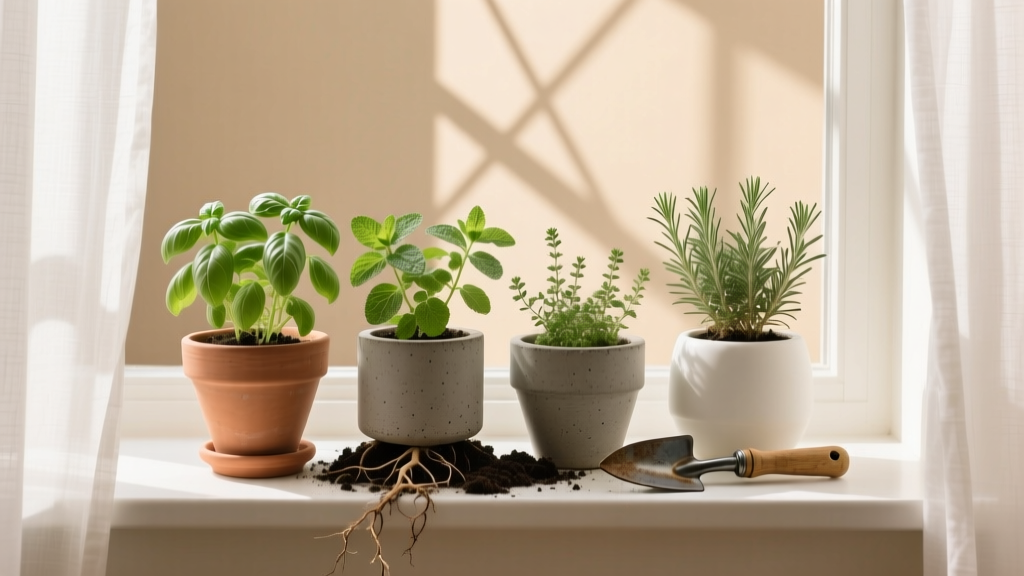
How to Create a Container Herb Garden - The Decor Mag
A container herb garden is one of the fastest ways to make a patio, deck, balcony, or backyard feel more “lived in.” Herbs bring color, texture, and fragrance to your outdoor living space—plus they’re genuinely useful. Snipping basil for a weeknight pasta or mint for iced tea turns your outdoor area into an extension of your kitchen, which is exactly what great outdoor design is all about.
For homeowners who want more than a few pretty pots, a well-planned container herb garden also upgrades your landscaping: it creates structure, softens hardscapes, and adds a seasonal rhythm to patio living. The best part? You don’t need raised beds or a big yard. With the right containers, soil, and layout, you can grow a thriving herb garden in almost any outdoor space—from a sunny front stoop to a covered lanai.
This guide breaks down the design approach, plant choices, materials, and maintenance strategies that make container herb gardens look polished and stay productive all season (and often year-round).
Start with a Simple Plan: Sun, Access, and Style
1) Find the best light in your outdoor living space
Most culinary herbs want 6–8 hours of sun (especially basil, rosemary, thyme, oregano). Before buying pots, spend a day noticing how light moves across your patio or yard.
- Full sun (6–8+ hours): Best for Mediterranean herbs (rosemary, thyme, oregano, sage, lavender).
- Partial sun (3–6 hours): Works for parsley, cilantro, chives, mint, and some basil varieties.
- Bright shade: Limited options—try mint, lemon balm, chives, and parsley, but expect slower growth.
2) Place herbs where you’ll actually use them
For a functional patio design, the best herb garden layout is often the closest one. Position containers:
- Near a grill or outdoor kitchen for quick seasoning
- Along the path from back door to seating area
- By a dining set or bistro table to encourage outdoor meals
3) Match containers to your home’s exterior style
Herb gardens look most intentional when the pots echo your architecture and outdoor furniture finishes:
- Modern: Matte black or charcoal fiberglass planters, clean-lined troughs
- Coastal: Light-toned ceramic, woven-look resin, teak accents
- Farmhouse: Galvanized metal tubs, cedar boxes, terracotta
- Mediterranean: Terracotta, aged clay, stone-look planters
Choose the Right Containers (Looks + Performance)
Best container materials for herb gardens
Containers do more than decorate—they regulate moisture and root temperature. Here’s what works best for container gardening outdoors:
- Terracotta (classic, breathable): Great for rosemary, thyme, oregano. Dries faster—ideal if you tend to overwater. Budget: $8–$40 per pot.
- Glazed ceramic (beautiful, moisture-retentive): Great for basil and parsley. Heavier, more stable on breezy decks. Budget: $25–$120+.
- Fiberglass/resin (lightweight, sleek): Excellent for rooftop patios and balconies. Holds moisture well, often UV-resistant. Budget: $30–$200+.
- Wood planters (warm, patio-friendly): Cedar or redwood resists rot and looks high-end with outdoor furniture. Budget: $40–$250+.
- Metal (galvanized troughs): Stylish, but can heat up in full sun. Use in partial sun or add insulation (see tips below). Budget: $20–$150.
Drainage is non-negotiable
Herbs hate soggy roots. Every container should have drainage holes. If you’re using decorative cachepots (no holes), keep herbs in a plastic nursery pot inside and remove to water.
Recommended container sizes
- Single herb pot: 8–10" diameter minimum (mint, basil, parsley)
- Woody herbs: 12–16" diameter (rosemary, sage) to prevent drying out too fast
- Mixed herb trough: 24–36" long, 8–12" deep for a clean patio edge
Soil and Planting: The Foundation of a Thriving Container Herb Garden
Use a high-quality potting mix—never garden soil
Garden soil compacts in containers and causes drainage issues. Choose a premium outdoor potting mix and improve it for herbs:
- Base mix: Quality potting mix formulated for containers
- For drought-tolerant herbs: Add 20–30% perlite or pumice for extra drainage
- For thirsty herbs (basil, parsley): Mix in compost (up to 20%) for moisture and nutrients
Fertilizer: light feeding wins
Too much fertilizer can dilute flavor. Use one of these approaches:
- Slow-release organic granules: Apply at planting and mid-season
- Liquid fertilizer: Half-strength every 2–4 weeks during peak growth
Best Herbs for Containers (and Smart Pairings)
Go-to herbs for patio container gardening
- Basil: Loves warmth and consistent moisture; pinch often
- Parsley: Tolerates partial sun; great filler in mixed pots
- Chives: Cold-hardy, upright, tidy; attractive purple blooms
- Thyme: Drought-tolerant, trailing varieties spill beautifully over edges
- Oregano: Tough, sun-loving; a great “spiller” for trough planters
- Sage: Silvery foliage adds contrast; prefers drier soil
- Rosemary: Architectural, evergreen in warm climates; needs sharp drainage
- Mint: Vigorous—always grow in its own container to prevent takeover
Plant combos that look designer (and grow well together)
Use the classic container design formula—thriller, filler, spiller—with edible plants.
- Mediterranean Trough (full sun):
- Thriller: Upright rosemary
- Filler: Sage + compact oregano
- Spiller: Creeping thyme
- Kitchen Classics Pot (partial to full sun):
- Thriller: Basil (Genovese or Thai basil)
- Filler: Parsley
- Accent: Chives around the edge
- Tea & Cocktail Corner (partial sun):
- Mint (solo pot)
- Lemon balm (solo or paired with chives)
- Optional: Strawberry plant as a playful edible accent
Layout Ideas for Patios, Decks, and Small Yards
Design approach #1: The “Herb Bar” by the grill
Place a narrow console table or potting bench near your outdoor kitchen area and line it with matching 8–10" pots. It reads like outdoor furniture, not a random cluster of planters.
- Furniture recommendation: Weather-resistant potting bench or slim outdoor console in powder-coated steel or teak
- Styling tip: Add a small lantern and a tray for shears and twine
Design approach #2: Layered heights for a landscaped look
Create a mini “planting vignette” with 3–5 containers in two or three heights. This mimics professional landscape design and makes small patios feel curated.
- One tall planter (rosemary or bay laurel)
- Two medium pots (basil, parsley)
- One low bowl or trough (thyme, oregano)
Design approach #3: Railing and vertical solutions for tight spaces
For balconies and compact decks, go vertical without turning it into a DIY eyesore.
- Railing planters: Great for parsley, chives, thyme (check weight limits)
- Wall-mounted pocket planters: Best for smaller herbs and frequent watering
- Tiered plant stands: Keeps herbs in sun while preserving floor space
Design approach #4: Frame your seating area with edible greens
Use two matching planters to “bookend” a bench, outdoor sofa, or bistro set. This is a classic patio living trick that adds symmetry and makes the space feel finished.
- Best plants for symmetry: Rosemary, sage, lavender (where hardy), or a compact bay
- Container suggestion: 16–20" diameter lightweight fiberglass planters for easy rearranging
Seasonal Strategy: Keep Your Container Herb Garden Productive Year-Round
Spring
- Start with cold-tolerant herbs: parsley, chives, thyme, oregano
- Wait for warm nights before planting basil (chilly temps stunt it)
- Refresh the top few inches of soil with compost
Summer
- Water early morning; mulch the top with fine bark or straw to slow evaporation
- Harvest often to prevent flowering and keep plants bushy
- Provide afternoon shade in extreme heat using a patio umbrella or shade sail
Fall
- Plant cool-season favorites: cilantro, parsley, chives
- Take cuttings of basil or bring a small plant indoors before frost
- Do a final prune on woody herbs to tidy (avoid hard pruning right before a freeze)
Winter
- Mild climates: Rosemary and thyme may stay outdoors with minimal protection
- Cold climates: Move containers near a sheltered wall; wrap pots with burlap or frost cloth
- Grow a small indoor windowsill herb set for continuity in your year-round outdoor living routine
Watering and Maintenance: The Routine That Makes Herbs Thrive
How to water container herbs properly
Container plants dry out faster than in-ground beds. Use this method:
- Check moisture daily in summer by feeling the top 1–2" of soil.
- Water deeply until it drains from the bottom.
- Empty saucers after watering to avoid root rot.
Pruning and harvesting tips
- Basil: Pinch above a leaf node to encourage branching; remove flower buds fast.
- Rosemary and thyme: Light, frequent snips keep shape; don’t cut into old, leafless wood.
- Parsley and cilantro: Harvest outer stems at the base for continuous growth.
Pest management (patio-friendly)
- Blast aphids off with water
- Use insecticidal soap if needed (apply early morning)
- Improve airflow—don’t crowd pots too tightly
Budget Ranges: What a Container Herb Garden Typically Costs
- Starter (about $50–$120): 3–5 basic terracotta pots, potting mix, 4–6 herb starters, simple hand pruners
- Mid-range (about $150–$350): Matching ceramic/fiberglass pots, premium soil, slow-release fertilizer, a plant stand or small bench, 8–12 herbs
- Design-forward (about $400–$900+): Large trough planters or custom wood boxes, coordinated patio layout, drip irrigation kit, statement planters framing seating, evergreen rosemary/bay standards
Common Mistakes to Avoid
- Mixing incompatible herbs in one pot: Basil likes more water; rosemary prefers drier soil. Group by watering needs.
- Skipping drainage holes: The fastest way to kill container herbs.
- Planting mint with anything else: Mint will dominate. Give it a dedicated container.
- Using tiny pots: Small containers overheat and dry out quickly, stressing plants and reducing flavor.
- Over-fertilizing: You’ll get big leaves with less aroma—light feeding is better.
- Ignoring sun shifts: A spot that’s sunny in spring may be shaded in midsummer once trees leaf out.
FAQ: Container Herb Gardening for Outdoor Living Spaces
How many hours of sun do herbs need on a patio?
Most culinary herbs grow best with 6–8 hours of sun. If your patio gets partial sun, prioritize parsley, chives, mint, and cilantro, and use reflective surfaces (light walls, pale pavers) to boost brightness.
What herbs should not be planted together in the same container?
Avoid pairing rosemary (likes drier soil) with basil (likes consistent moisture). Keep mint alone in its own pot. Group herbs by similar watering needs for easier maintenance.
Can I grow herbs in containers year-round?
Yes—especially in mild climates. In colder regions, you can overwinter some herbs by moving pots to a sheltered area, insulating containers, or bringing a few favorites indoors near a bright window.
What’s the best container for herbs: terracotta or ceramic?
Terracotta is ideal if you tend to overwater and want sharper drainage. Glazed ceramic holds moisture longer and works well for basil and parsley. Choose based on your watering habits and the sun exposure on your deck or patio.
How often should I water a container herb garden?
In peak summer heat, many containers need water daily, especially smaller pots or sunny, windy decks. Larger planters may only need watering every 2–3 days. The soil should be moist, not soggy.
Should I add a drip irrigation system for container herbs?
If you travel often or have a sun-baked patio, a simple container drip irrigation kit is a smart upgrade. It stabilizes moisture, improves growth, and supports low-maintenance patio living—especially during summer.
Next Steps: Build Your Herb Garden Like a Design Feature
Pick a sunny spot you pass every day, choose containers that match your patio style, and start with 5–7 reliable herbs (basil, parsley, chives, thyme, oregano, rosemary, and a separate pot of mint). From there, refine the layout—layer heights, frame a seating area with matching planters, and keep a small set of snips nearby so harvesting becomes second nature.
For more outdoor design, landscaping, and patio living ideas—along with planters, furniture pairings, and seasonal garden inspiration—explore the latest on thedecormag.com.
More Articles
 How to Create a Zen Garden - The Decor Mag
 Best Outdoor Swing Bed Ideas - The Decor Mag
 How to Design a Moonlight Garden - The Decor Mag
 Best Outdoor Bar Glass Rack Storage - The Decor Mag
 Best Outdoor Bar Trash Bin Hideaway - The Decor Mag
 Deck vs Patio Design Comparison - The Decor Mag
 Best Outdoor Bar Strainer and Shaker Rack - The Decor Mag
 Best Outdoor Beverage Tub Options - The Decor Mag
 Outdoor Hammock and Swing Ideas - The Decor Mag
 Upcycled Garden Planters for Balconies (2026)