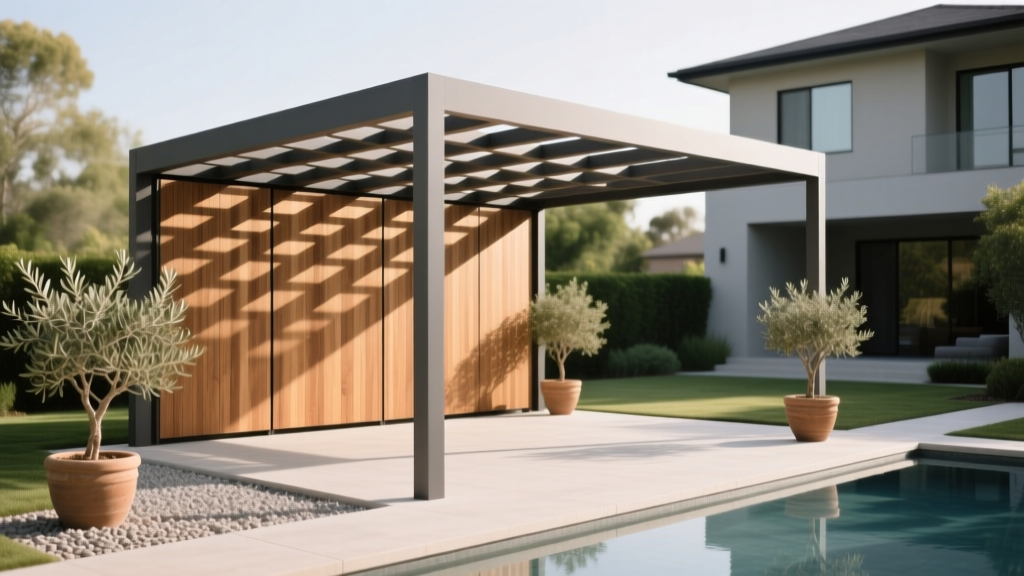
Outdoor Pergola Lattice Roof Pattern - The Decor Mag
A pergola can be the most beautiful “room” in your yard—but the roof pattern is what makes it feel intentional. An outdoor pergola lattice roof pattern controls how sunlight lands on your patio, how breezes move through your seating area, and how cohesive the structure feels with your home’s architecture and landscaping. Get the spacing right and your pergola becomes a year-round outdoor living anchor: bright and airy in spring, comfortably filtered in summer, and still inviting when you add string lights and heaters in fall.
Homeowners often focus on pergola posts and stain color first, but the lattice layout is where the magic happens. The direction of the slats, the size of the grid, and whether you choose flat rafters, notched cross members, or decorative lattice panels all influence comfort and style. This guide breaks down the most effective pergola roof lattice patterns, when to use each one, and how to pair the design with furniture, plants, and climate-smart accessories.
What a Lattice Roof Pattern Does for Outdoor Living
A lattice pergola roof is more than a visual detail—it’s a functional tool for shade design, outdoor comfort, and patio usability.
- Controls shade and sun: The tighter the spacing, the more shade. The direction of the slats determines where shade falls throughout the day.
- Defines style: A clean rectangular grid reads modern; a diagonal crisscross feels cottage or Mediterranean; chunky beams feel rustic or craftsman.
- Supports lighting and accessories: Lattice creates attachment points for café lights, outdoor curtains, ceiling fans (with proper blocking), and shade canopies.
- Frames plants: Vines and hanging baskets look purposeful when your lattice has predictable spacing and strong framing.
Choosing the Right Pergola Lattice Roof Pattern
1) Classic Orthogonal Grid (Square/Rectangle Lattice)
This is the most common pergola lattice pattern: beams in one direction, cross slats in the other. It’s versatile, timeless, and easy to build or buy as a kit.
Best for: Traditional homes, transitional patios, most backyard landscaping styles
Design tips:
- For a “designer” look, align the roof grid with patio pavers or deck boards so everything feels intentional.
- Choose rectangular openings (slightly longer in one direction) for a more architectural feel than a perfect square.
Recommended spacing:
- Light shade: 10–14 inches on center
- Medium shade: 6–10 inches on center
- Heavier shade: 4–6 inches on center (best paired with airflow-friendly furniture layouts)
2) Tight-Slat Modern Pergola Pattern (Minimal Gaps)
For homeowners who want a modern outdoor living room feel, tighter slat spacing gives more sun control without fully closing the roof. This pattern looks sleek in black aluminum, stained hardwood, or painted wood.
Best for: Hot climates, west-facing patios, modern landscaping
Pro move: Run the slats perpendicular to the direction of harsh afternoon sun. If your patio bakes late day, orient slats to block that angle and use a retractable shade cloth for peak hours.
3) Diagonal Lattice (Crisscross Pattern)
A diagonal lattice roof pattern immediately adds character and can make a pergola feel custom, even on a modest budget. It pairs beautifully with cottage gardens, brick walkways, and layered planting beds.
Best for: Romantic garden patios, farmhouse and cottage styles, pergolas near flower borders
Plant pairing: Train flowering vines like clematis or star jasmine so blooms land “in the diamonds” of the pattern.
4) Chevron or Herringbone-Inspired Roof Slats
If you love bold outdoor design, consider a chevron layout using angled slats over a strong perimeter frame. This style reads high-end and looks especially striking over a dining area.
Best for: Statement patios, outdoor kitchens, contemporary homes
Note: This typically costs more in labor and material waste due to angled cuts, but it can be worth it for a showpiece pergola.
5) Layered Lattice (Double-Cross Pattern)
A layered approach uses primary rafters, secondary purlins, and sometimes a third lattice layer. It creates depth, stronger shade, and a more architectural ceiling effect—great when your pergola is a true outdoor room.
Best for: Large pergolas, poolside lounge areas, outdoor living rooms with TVs
Comfort tip: Use a ceiling fan rated for covered outdoor use only if your structure is engineered for it and you have proper mounting blocks and electrical planning.
Materials That Look Great—and Last Outdoors
The best pergola roof lattice pattern depends on the material you choose. Sun, moisture, and wind can make certain options better in specific climates.
Wood Options
- Cedar: Naturally rot-resistant, lighter weight, easy to stain. Great for classic lattice patterns.
- Redwood: Premium look, excellent durability, higher cost but beautiful for high-visibility patios.
- Pressure-treated pine: Budget-friendly and strong; best painted or stained after proper drying and prep.
- Hardwoods (ipe, teak): Extremely durable and luxe; heavier and pricier, but ideal for modern tight-slat designs.
Low-Maintenance Options
- Aluminum pergolas: Clean lines, great for modern patio living, minimal maintenance, strong in windy areas.
- Vinyl: Easy care and consistent color; can look less refined up close, but works well for traditional backyards.
- Composite components: Excellent longevity; ensure the product is rated for overhead use and structural applications where required.
Finish Recommendations
- Hot, sunny climates: Lighter stains or paint reduce heat absorption; consider UV-resistant finishes.
- Humid or coastal areas: Prioritize corrosion-resistant hardware (stainless steel) and finishes designed for salt air.
Designing Shade: Pattern, Orientation, and Seasonal Sun
Shade isn’t only about slat spacing. A smart pergola layout considers how sun angles change across seasons—key for year-round outdoor living.
- Identify sun exposure: South- and west-facing patios typically need tighter spacing or a supplemental shade solution.
- Orient slats for comfort: Slats can block low afternoon sun more effectively when positioned strategically to your patio’s orientation.
- Plan for seasonal shifts: You may want more winter light and summer shade. Consider a medium lattice spacing plus a retractable canopy for the hottest months.
Quick outdoor design rule: If your pergola covers a dining table, aim for more consistent shade (medium-to-tight spacing). If it covers a lounging area, a lighter pattern can feel breezier and brighter, especially when paired with an umbrella or shade sail for peak heat.
Furniture and Layout Ideas That Work With Lattice Shade
The best patio furniture choices depend on how dappled (or dense) your pergola shade will be.
For Dining Under a Pergola
- Table size: Choose a table that leaves 36–48 inches for circulation around all sides.
- Materials: Powder-coated aluminum, teak, or all-weather wicker handle sun and humidity well.
- Comfort add-ons: Outdoor rug (polypropylene), seat cushions in fade-resistant fabric, and a pendant-style outdoor-rated light fixture hung from a beam (with proper support).
For Lounge Seating and Conversation Areas
- Layout: Center a sofa or sectional under the densest part of the lattice, then place accent chairs on the brighter edges.
- Best pieces: Low-profile modular seating, a slatted coffee table, and a fire pit placed beyond the pergola footprint for ventilation.
- Lighting: Zig-zag string lights across the lattice grid, then add two lantern-style floor lights to ground the space.
Budget Ranges for a Finished Look
- Budget refresh ($300–$1,200): Add shade cloth, string lights, outdoor rug, and two planters with climbing vines.
- Mid-range upgrade ($1,200–$6,000): New dining set or seating set, outdoor curtains, and a propane heater or tabletop fire feature.
- Full outdoor room ($6,000–$20,000+): Custom pergola or premium kit, lighting plan, built-in seating, outdoor kitchen components, and integrated landscaping.
Plants That Pair Beautifully With Pergola Lattice
A lattice roof pattern is practically an invitation for greenery. Choose plants that match your climate and how much maintenance you want.
Climbing Vines (Train Over the Lattice)
- Star jasmine: Fragrant, evergreen in mild climates, great for romantic patios.
- Clematis: Stunning blooms; prefers cool roots and sun on foliage—pair with mulched planters.
- Wisteria: Gorgeous and dramatic, but heavy and aggressive—only for sturdy, well-built pergolas.
- Grape vines: Excellent for shade and a Mediterranean vibe; requires seasonal pruning.
Planters and Under-Pergola Greenery
- Herbs for outdoor kitchen patios: Rosemary, basil, thyme in raised planters.
- Softening corners: Boxwood, dwarf olive, or ornamental grasses for modern landscaping.
- Color in pots: Geraniums, petunias, or calibrachoa for long bloom seasons in sunny regions.
Practical tip: Install a simple drip irrigation line to pergola-adjacent planters. It keeps vines thriving and reduces daily watering—especially helpful in peak summer.
Climate-Smart Add-Ons for Year-Round Patio Living
- Hot climates: Add a retractable canopy, shade sail above the lattice, or roll-down solar shades on the west side.
- Rainy regions: Lattice won’t stop rain. Consider a polycarbonate top panel system or a hybrid pergola with a solid roof section over seating.
- Windy areas: Choose stronger materials (aluminum or engineered wood), use hurricane ties/appropriate anchors, and avoid lightweight curtains that become sails.
- Cold seasons: Add an infrared heater, outdoor-rated throws, and a wind-blocking screen. Keep furniture grouped to retain warmth.
Maintenance: Keep Your Lattice Looking Sharp
A pergola roof lattice is overhead—so small issues can become big eyesores if ignored.
- Wood pergolas: Clean annually; re-stain or re-seal every 2–4 years depending on sun exposure.
- Aluminum/vinyl: Wash with mild soap and water; inspect fasteners yearly.
- Hardware check: Tighten bolts and inspect for rust each spring after freeze/thaw cycles.
- Plant management: Prune vines seasonally to keep airflow and prevent excess weight on lattice members.
Common Mistakes to Avoid
- Choosing a pattern without considering sun direction: A beautiful grid can still leave you squinting at dinner if afternoon sun hits the table.
- Overbuilding with heavy vines on a light structure: Wisteria and mature grape vines can overwhelm undersized pergolas.
- Too-wide lattice spacing: Looks sparse and doesn’t deliver functional shade—especially on south- or west-facing patios.
- Ignoring drainage and water drip lines: Even without a solid roof, rain can funnel off beams; plan furniture placement accordingly.
- Mismatched scale: Thin slats on a large pergola can look flimsy. Match beam thickness to the footprint for a balanced outdoor design.
FAQ: Outdoor Pergola Lattice Roof Patterns
How much shade does a lattice pergola provide?
Most lattice pergolas provide partial shade—often 30–60% depending on slat width, spacing, and sun angle. Tighter spacing and layered lattice designs increase shade significantly, especially during midday.
What’s the best pergola lattice spacing for a hot climate?
For hot, sunny regions, aim for 4–8 inches on center for slats, or use a medium spacing (6–10 inches) plus a retractable canopy for peak summer heat. This keeps airflow while improving comfort.
Can I add a waterproof cover over a lattice pergola?
Yes. Popular options include polycarbonate panels, corrugated roofing panels, or a tensioned waterproof canopy. Make sure your pergola structure is designed to handle added load and that water is directed away from seating areas.
Are diagonal lattice patterns harder to build?
They typically require more cutting and careful layout than a standard grid, so labor costs can be higher. The payoff is a custom, high-impact look that pairs beautifully with garden landscaping.
What’s the best material for low-maintenance pergola living?
Aluminum is one of the best low-maintenance choices for outdoor pergolas—especially in wet or windy climates. For a warmer look with manageable upkeep, cedar is a reliable favorite.
Next Steps: Plan Your Pattern Like a Pro
Start by standing in your outdoor space at morning, midday, and late afternoon to see where sun and shade naturally fall. Then choose a lattice roof pattern that matches your patio’s purpose—dining, lounging, outdoor kitchen, or a garden retreat. From there, select weather-ready materials, build in lighting, and choose plants that thrive in your climate for a pergola that feels finished in every season.
If you’re ready for more outdoor living inspiration—patio design ideas, landscaping tips, and backyard upgrades—explore the latest guides on thedecormag.com.
More Articles
 How to Design a Drought-Tolerant Landscape - The Decor Mag
 Best Rooms Bathroom: Design Excellence, Functionality, and Real-World Performance
 How to Design a Tea Garden - The Decor Mag
 Outdoor Kitchen Smoker Box Integration - The Decor Mag
 Best Outdoor Glass Storage Cabinet - The Decor Mag
 Outdoor Living Budget Checklist: A Practical, Step-by-Step Planning Tool for Homeowners
 Outdoor Trellis and Climbing Plant Ideas - The Decor Mag
 Best Outdoor Bar Trash Bin Hideaway - The Decor Mag
 Outdoor Pergola Wind Light Lantern Hooks - The Decor Mag
 How to Create a Three Sisters Garden - The Decor Mag