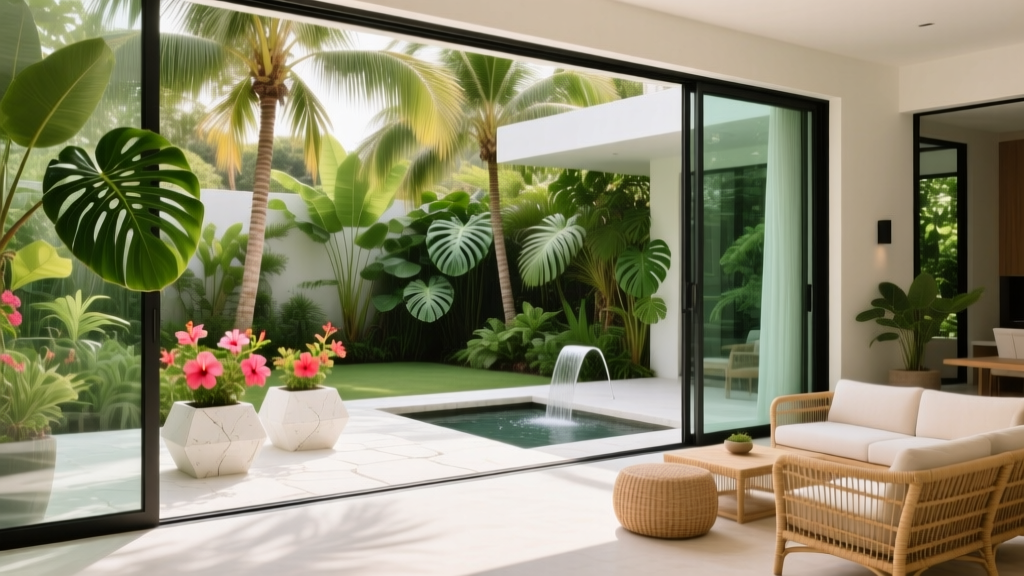
How to Design a Tropical Garden Oasis - The Decor Mag
A tropical garden oasis isn’t reserved for beach resorts or faraway islands. With the right mix of lush planting, smart outdoor design, and a few comfort-first upgrades, your backyard can feel like a private retreat—whether you’re sipping coffee on the patio, hosting friends for dinner, or simply craving a calming view from inside your home.
This style works especially well for homeowners who want more than a basic lawn-and-shrubs layout. Tropical landscaping brings layered greenery, vibrant color, and soothing textures that instantly elevate outdoor living spaces. Done well, it also creates privacy, softens hardscapes, and makes patios and pools feel more intentional and luxurious.
The best part: you can tailor a tropical look to your climate and budget. From full-on jungle vibes to “tropical-inspired” courtyard gardens, the approach is flexible—so you can enjoy year-round patio living with a design that fits your lifestyle and maintenance comfort level.
Start with the Feeling: What “Tropical Oasis” Means for Your Space
Before choosing plants or furniture, define the mood you want. Tropical design can be bold and dramatic or serene and spa-like. Ask yourself:
- Do you want a lush screen for privacy (a living green wall effect)?
- Is this primarily an entertaining patio, a poolside lounge, or a quiet garden escape?
- Do you prefer bright flowers or mostly green textures with subtle color?
- How much time do you want to spend on upkeep weekly?
Pick a Tropical Style Direction
- Resort Modern: Clean hardscape lines, oversized planters, architectural plants, neutral furniture.
- Jungle Lush: Dense layering, big-leaf plants, winding paths, lots of shade and texture.
- Coastal Tropical: Breezy, light finishes, palms and grasses, white/teak furniture, airy canopies.
- Boho Tropical: Natural fibers, patterned textiles, lanterns, mixed planters, playful color.
Plan the Layout Like an Outdoor Room
A true garden oasis feels immersive, and that comes from layout as much as plants. Think in zones, circulation paths, and focal points—just like you would indoors.
Use a Simple Zoning Plan
- Arrival moment: An entry path, gate, or planted threshold that signals “you’re somewhere special.”
- Primary living zone: Lounge seating or dining near the house for daily use.
- Retreat zone: A bench, daybed, hammock, or bistro set tucked into greenery.
- Service zone: Grill area, storage, trash bins, pool equipment—screened with plants or panels.
Create a Focal Point (Even in Small Yards)
Focal points anchor tropical landscaping and prevent the “random plant collection” look. Strong options:
- A small water feature (bubbling urn, wall fountain, compact pondless waterfall)
- A statement planter with a large palm or bird of paradise
- A fire table for year-round outdoor living
- A garden sculpture or oversized ceramic pot surrounded by low lighting
Tropical Planting Design: Layering Is the Secret
The most convincing tropical garden designs rely on layered planting—different heights, leaf sizes, and textures that create depth and a “wrapped in green” feeling.
The Classic Tropical Layering Formula
- Canopy/structure: Palms, large shrubs, small ornamental trees
- Mid-layer: Big-leaf focal plants, flowering shrubs
- Understory: Ferns, gingers, bromeliads, shade lovers
- Ground layer: Spreading plants, grasses, trailing textures
Go-To Tropical Plants (By Use)
Architectural “wow” plants:
- Bird of paradise (Strelitzia reginae or nicolai)
- Banana (Musa varieties; ornamental types work well)
- Elephant ear (Colocasia / Alocasia)
- Tree fern (in mild, humid climates)
Privacy screens and lush backdrops:
- Clumping bamboo (choose non-invasive clumping types, such as Bambusa)
- Areca palm (Dypsis lutescens)
- Podocarpus (tropical-looking evergreen hedge option)
- Philodendron (in frost-free climates; some types also thrive in containers)
Color and bloom:
- Hibiscus
- Plumeria (frangipani) in warm climates or containers
- Heliconia (warm zones; dramatic flowers)
- Canna lily (great tropical look; many climates)
Texture and shade-softening:
- Boston fern, Kimberly Queen fern
- Bromeliads (colorful and low-maintenance)
- Hosta (tropical vibe in cooler climates with shade)
Cool-Climate “Tropical Look” Plant Substitutes
If you get winter freezes, you can still achieve a tropical aesthetic with hardy plants and containers you can overwinter. Consider:
- Hardy banana (Musa basjoo)
- Castor bean (Ricinus communis—ornamental, but handle carefully; toxic if ingested)
- Cannas and caladiums (lift and store bulbs/tubers in cold zones)
- Japanese forest grass for a lush, arching texture
- Fatsia japonica (bold leaves, excellent for shade)
Hardscaping & Materials: Make It Feel Like a Resort
In tropical outdoor design, materials matter as much as plants. The goal is warmth, texture, and durability—especially in humid climates.
Best Materials for Patios, Paths, and Accents
- Porcelain pavers (slip-resistant, low maintenance, great for poolside patio living)
- Natural stone like travertine (stays cooler underfoot) or slate (rich color and texture)
- Decomposed granite or compacted gravel paths (budget-friendly, blends naturally)
- Ipe or composite decking (for a warm, spa-like platform; composite reduces upkeep)
- Teak and acacia for outdoor furniture (classic tropical look with weather resistance)
Finish Palette That Reads “Tropical”
- Base neutrals: sand, cream, warm gray, charcoal
- Natural textures: rattan-style resin wicker, woven rope, linen-look outdoor fabric
- Accent colors: leafy greens, ocean teal, coral, mango, deep navy
Furniture & Outdoor Living Essentials
A tropical garden oasis should be as comfortable as it is beautiful. Prioritize seating, shade, and surfaces for everyday living.
Furniture Recommendations That Hold Up Outdoors
- All-weather wicker (HDPE resin) for the rattan look without the maintenance
- Powder-coated aluminum frames (rust-resistant for humid climates)
- Teak for a true resort vibe (will silver over time; optional oiling)
- Outdoor performance fabric (solution-dyed acrylic like Sunbrella-style fabrics)
Must-Have Pieces for a Tropical Setup
- Deep seating (sofa or sectional) with quick-dry cushions
- Dining set for weekend meals outdoors
- Chaise lounges or a daybed if you have pool or sun space
- Side tables (more than you think you need for drinks, books, speakers)
Shade Structures for Year-Round Patio Living
- Pergola with outdoor curtains for a breezy cabana feel
- Retractable awning for flexible sun control
- Shade sail for a modern, budget-friendly option
- Large cantilever umbrella to cover seating without a center pole
Lighting: The Fastest Way to Make It Feel Magical
Tropical gardens come alive at night. Layered outdoor lighting improves safety and turns your yard into an evening destination.
- Path lights along walkways for navigation
- Uplights aimed at palms and big-leaf plants for dramatic shadows
- String lights over patios for instant warmth
- Lanterns (solar or LED) for soft, portable glow
- Under-cap or step lights on retaining walls and stairs
Practical tip: Choose warm color temperatures (around 2700K) for a resort-style ambiance that flatters greenery.
Water Features & Sound: Build Instant Serenity
If your budget allows, water is the signature touch that makes a garden feel like a true oasis. Even compact options create soothing sound and help mask street noise.
- Bubbling fountain pot: Great for patios; minimal splash
- Pondless waterfall: Circulates water into a hidden basin—lower maintenance than ponds
- Wall fountain: Ideal for tight spaces and courtyard gardens
Budget guidance: A basic self-contained fountain can start around $150–$500. Professionally installed pondless systems often land in the $2,500–$8,000+ range depending on stonework and size.
Climate & Maintenance Considerations
Tropical landscaping thrives when you match plant choices and materials to your local conditions. Design for success first, then layer on the glamour.
Hot/Humid Climates
- Prioritize airflow: avoid packing plants too tightly against the house
- Choose rust-resistant materials (powder-coated aluminum, stainless hardware)
- Watch for fungus: water at the base and avoid overhead watering at night
Dry/Arid Climates
- Go “tropical-inspired” with drought-tolerant lookalikes (agave, yucca, palms suited to heat)
- Use drip irrigation and deep mulch to reduce evaporation
- Create shade with pergolas and umbrellas to protect tender plants
Cold Winters or Frost Zones
- Use containers so you can move plants indoors or into a garage
- Plan for seasonal swaps: tropical annuals in summer, evergreen structure in winter
- Add evergreen backbone (hardy shrubs) so the garden still looks intentional off-season
Maintenance Routines That Keep It Lush
- Mulch: 2–3 inches of bark or leaf mulch for moisture and a finished look
- Irrigation: drip lines or micro-sprayers for consistent watering
- Feeding: slow-release fertilizer during the growing season (follow plant-specific needs)
- Pruning: remove damaged leaves regularly for a clean, resort-like appearance
Budget Ranges: What a Tropical Oasis Costs
Your total depends on how much hardscaping, irrigation, and mature planting you want. These ranges help you plan realistically:
- Budget-friendly refresh ($500–$2,500): containers, tropical-look plants, mulch, string lights, umbrella, small seating upgrades
- Mid-range upgrade ($2,500–$10,000): new patio zone, pergola or shade sail, layered planting beds, drip irrigation, upgraded furniture
- High-end transformation ($10,000–$50,000+): major landscaping design, premium stone or porcelain pavers, outdoor kitchen, lighting plan, water feature, mature palms, custom carpentry
Common Mistakes to Avoid
- Overcrowding plants on day one: tropical plants grow fast; space for mature size to prevent disease and constant pruning.
- Ignoring sun and wind patterns: big leaves shred in strong wind; place tender plants in sheltered zones.
- Choosing invasive bamboo: only use clumping bamboo, or install proper root barriers if needed.
- Underestimating water needs: a tropical look requires consistent moisture; install drip irrigation for reliability.
- Too many competing focal points: pick one hero feature per zone to keep the design cohesive.
- Using indoor materials outdoors: untreated wicker, non-outdoor fabrics, and non-rated lighting won’t last.
FAQ: Tropical Garden & Patio Living Questions
What are the easiest plants for a tropical look?
Cannas, hibiscus (in warm zones), bromeliads, bird of paradise (climate-dependent), and hardy “tropical look” plants like fatsia and hostas in shade are reliable options. Mix leaf sizes for an instant impact.
Can I create a tropical oasis in a small backyard or patio?
Yes. Use vertical layers: tall planters with an architectural plant, a mid-layer of broad leaves, and ground-level texture. Add a compact water feature and uplighting to make the space feel immersive without needing extra square footage.
How do I make it feel tropical year-round?
Build an evergreen structure (hedges, hardy shrubs, or clumping grasses), then add seasonal tropical pops in containers. Invest in lighting, a heater or fire table, and a covered patio element so you’ll actually use the space in cooler months.
What’s the best patio material for a tropical backyard?
Porcelain pavers and travertine are top picks for durability and comfort underfoot. For a warmer, resort style, consider ipe or high-quality composite decking, especially for lounge zones.
Do tropical gardens require high maintenance?
They can, but they don’t have to. A low-maintenance approach includes drip irrigation, mulch, slower-growing plant varieties, and repeating a tighter plant palette instead of collecting dozens of different species.
Your Next Steps: A Simple Tropical Oasis Plan
- Sketch your zones: living, dining, retreat, and service areas.
- Choose 1–2 focal points: a water feature, statement planter, or fire table.
- Build the backbone: privacy screening and evergreen structure first.
- Layer plants: tall-to-low with repeating textures for cohesion.
- Upgrade comfort: shade, seating, and outdoor lighting for true patio living.
- Plan seasonal tweaks: containers for summer drama, evergreens and lighting for winter presence.
Whether you’re transforming a poolside patio or refreshing a small courtyard, a tropical garden oasis is one of the most rewarding outdoor design upgrades you can make—lush, calming, and built for the way you actually live outside.
For more landscaping ideas, patio design inspiration, and outdoor living upgrades, explore the latest guides at thedecormag.com.
More Articles
 Outdoor Refrigerator and Ice Maker Setup - The Decor Mag
 Best Outdoor Coffee Table Materials - The Decor Mag
 How to Create a Bat Friendly Garden - The Decor Mag
 Outdoor Kitchen Griddle Top Surface Guide - The Decor Mag
 Outdoor Kitchen Smoker Box Integration - The Decor Mag
 Outdoor Pergola Wind Light Lantern Hooks - The Decor Mag
 Turn Your Tired Porch into a $100 Summer Oasis (DIY Guide)
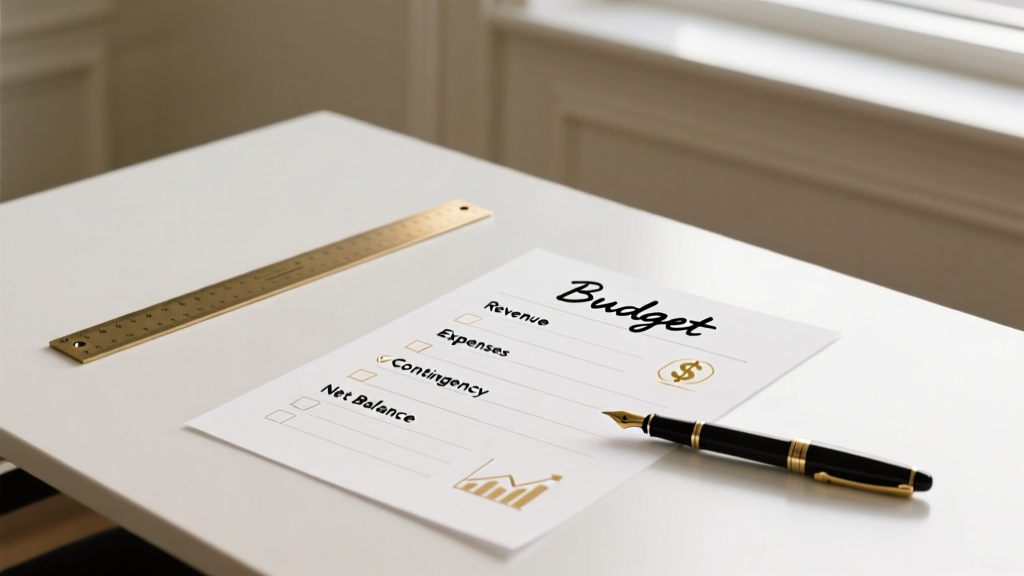 Outdoor Living Budget Checklist: A Practical, Step-by-Step Planning Tool for Homeowners
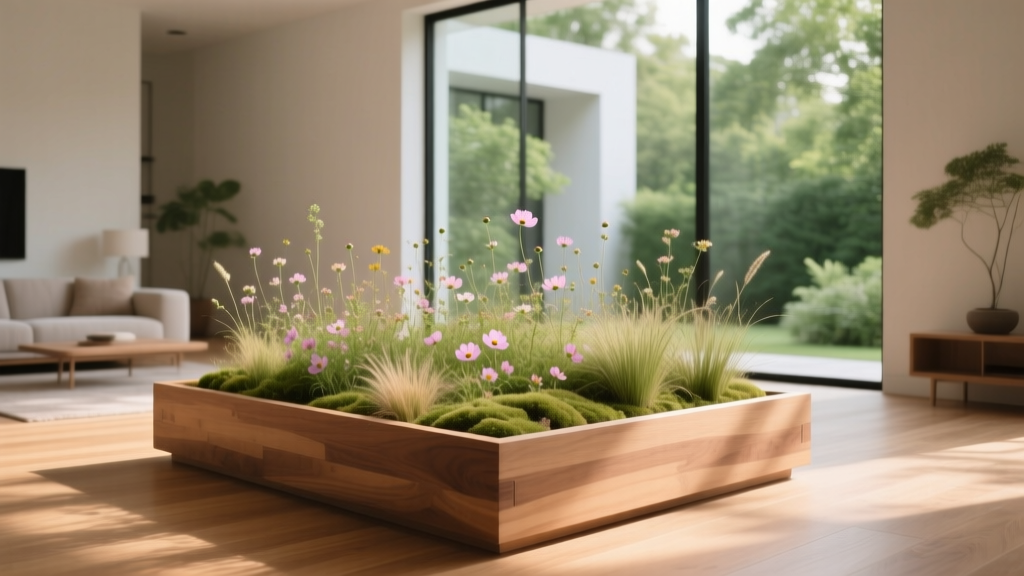 How to Design a Pocket Meadow - The Decor Mag
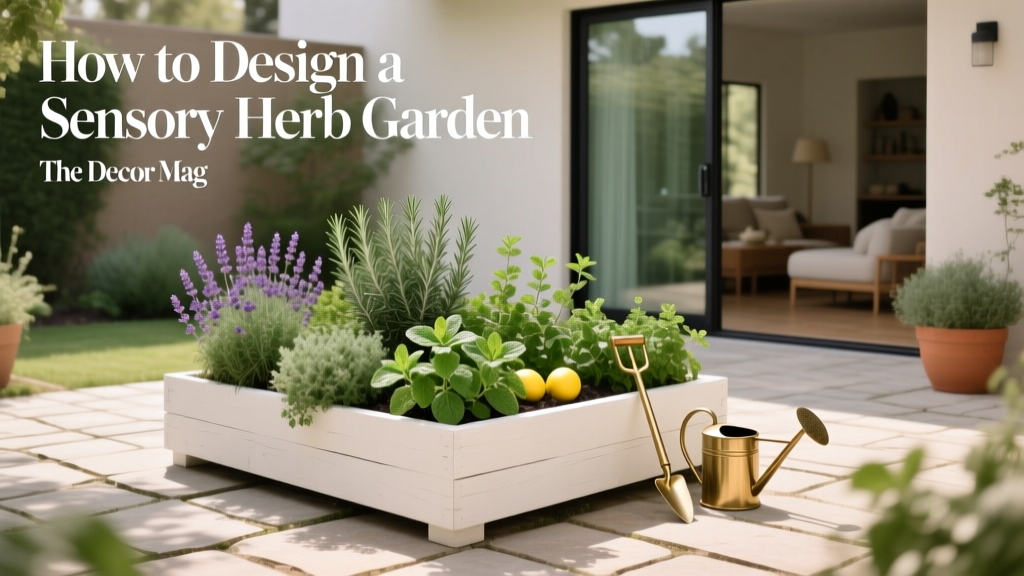 How to Design a Sensory Herb Garden - The Decor Mag