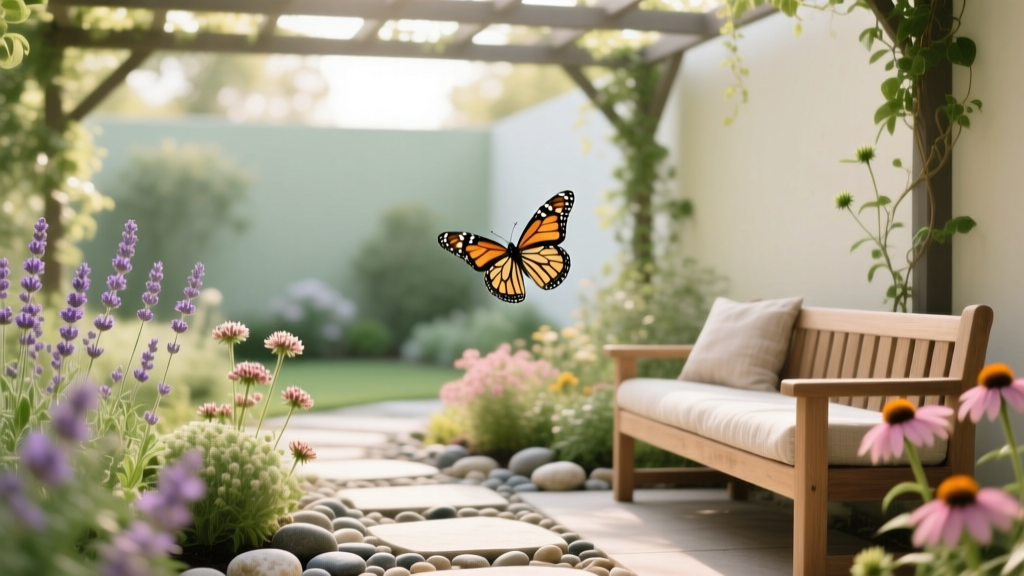
How to Create a Butterfly Garden - The Decor Mag
A beautiful outdoor living space isn’t just about what you see from the patio—it’s about what you experience. A butterfly garden brings movement, color, and a sense of calm that no hardscape feature can replicate. When butterflies regularly visit your yard, your garden feels alive: blossoms are busier, birdsong seems louder, and even a simple morning coffee on the porch turns into a front-row seat to nature.
Beyond the charm, butterfly-friendly landscaping supports pollinators that help your ornamental beds and edible garden perform better. The best part: you don’t need acreage or a wild, messy yard. With smart plant choices, a few simple materials, and thoughtful layout, you can create a butterfly garden that looks polished, complements your patio design, and works across seasons—whether you’re refreshing a small courtyard or rethinking a full backyard landscape.
This guide walks you through planning, planting, and styling a butterfly garden that fits your lifestyle—complete with plant suggestions, outdoor furniture ideas, budget ranges, climate considerations, and the most common mistakes homeowners make.
What Makes a Garden “Butterfly-Friendly”?
Butterflies need more than nectar. A true butterfly garden includes food for adults, host plants for caterpillars, safe water sources, and shelter from wind and weather. A well-designed butterfly landscape balances ecological function with outdoor design principles—layering, repetition, focal points, and pathways—so it feels intentional and patio-ready.
Butterfly Garden Essentials
- Nectar plants for adult butterflies (continuous bloom from spring through fall).
- Host plants where butterflies lay eggs and caterpillars feed.
- Sun and warmth (most butterflies prefer 6+ hours of sun).
- Water/minerals via a shallow dish or “puddling” area.
- Shelter from wind and heavy rain—shrubs, hedges, or fencing.
- No pesticides (even “targeted” sprays can harm larvae and adults).
Plan Your Butterfly Garden Like an Outdoor Living Designer
Before you buy plants, step back and plan how the garden will look from your most-used outdoor spaces: patio seating, outdoor dining area, kitchen window, or pool deck. The goal is a view that feels curated—colorful, layered, and easy to maintain.
Step 1: Choose the Right Location
- Sun: Prioritize a spot with morning sun and at least 6 hours of light.
- Visibility: Place it where you’ll actually enjoy it—near a patio, walkway, or porch.
- Wind protection: Position near a fence, hedge, or shrub border for calmer air.
- Access: Make room to water, deadhead, and weed without stepping on plants.
Step 2: Pick a Layout That Works for Your Yard
Use one of these proven butterfly garden layouts—each blends well with modern landscaping and patio living:
- Border garden (best for patios and fences): A 3–6 ft deep bed along a fence or walkway, with tall plants at the back and low plants at the front.
- Island bed (best for open lawns): A freestanding oval or kidney shape that looks great from all angles; add a simple mulch edge for a clean finish.
- Courtyard cluster (best for small yards): Group large containers and a narrow in-ground strip to create a “micro meadow” near seating.
- Mixed pollinator bed (best for year-round interest): Combine butterfly plants with ornamental grasses and shrubs for structure through winter.
Step 3: Design with Layers and Repetition
Butterfly gardens look best when they feel intentional—not random. Follow a simple structure:
- Back layer (3–6 ft): Tall perennials, grasses, or compact shrubs.
- Middle layer (18–36 in): Nectar powerhouses planted in drifts.
- Front edge (6–18 in): Low bloomers and groundcovers that soften the bed line.
Design tip: Repeat the same 3–5 plant varieties in groups of 3, 5, or 7. Butterflies find larger clusters more easily, and your landscape looks more cohesive.
Best Plants for a Butterfly Garden (Nectar + Host Plants)
A thriving butterfly garden includes both nectar plants (for adult butterflies) and host plants (for caterpillars). If you only plant nectar, you’ll get visitors—but you may not support the full life cycle.
Top Nectar Plants for Long Bloom
- Milkweed (Asclepias spp.) – Nectar + monarch host; options include butterfly weed (A. tuberosa) and swamp milkweed (A. incarnata).
- Coneflower (Echinacea) – Summer-to-fall bloom, drought-tolerant once established.
- Black-eyed Susan (Rudbeckia) – Bright color, easy for beginners.
- Bee balm (Monarda) – Great for butterflies and hummingbirds; choose mildew-resistant varieties.
- Blazing star (Liatris) – Vertical spikes that add structure and drama to beds.
- Joe-Pye weed (Eutrochium) – Tall, airy, late-season nectar; best for medium to moist soils.
- Asters (Symphyotrichum) – Essential fall nectar for late-season butterflies.
- Salvia (perennial types) – Long blooming, excellent in sunny borders.
- Zinnias (annual) – Budget-friendly, nonstop blooms, perfect for cutting gardens near patios.
Host Plants (Where the Magic Starts)
- Milkweed – Monarch caterpillars.
- Parsley, dill, fennel – Swallowtail caterpillars; great in edible landscapes and raised beds.
- Passionflower vine (Passiflora) – Host for fritillaries (climate-dependent).
- Violets (Viola) – Host for fritillary species; excellent as a woodland edge plant.
- Willow, cherry, oak – Many butterflies use native trees; even one small ornamental tree can help.
Planting for Color and Season (A Simple Mix)
Use this as a starting blueprint, then swap in native varieties for your region:
- Spring: native penstemon, phlox, early salvia, flowering shrubs (like native viburnum)
- Summer: coneflower, bee balm, liatris, milkweed, zinnias
- Fall: asters, goldenrod (Solidago), sedum (Hylotelephium), late-blooming salvia
Pro landscaping move: Add ornamental grasses (little bluestem, switchgrass) for structure and winter texture. They make butterfly beds look designed—even when blooms fade.
Materials and Hardscape Details That Elevate the Space
A butterfly garden feels most “outdoor-living ready” when it’s framed with clean edges, comfortable seating, and easy-to-navigate paths. These upgrades make your landscaping look intentional while improving usability.
Edging and Bed Definition (Clean Lines, Less Weeding)
- Steel landscape edging: Sleek, modern, long-lasting; great for curved island beds.
- Natural stone edging: Timeless; pairs well with cottage gardens and traditional patios.
- Brick edging: Excellent for classic outdoor design and walkway borders.
- Gravel mowing strip: A 4–8 in strip of decomposed granite or gravel simplifies lawn trimming.
Path Materials That Feel Good Underfoot
- Decomposed granite (DG): Soft, natural look; works beautifully beside pollinator beds.
- Stepping stones set in gravel: Budget-friendly and flexible for small yards.
- Pavers: Best for a crisp patio extension or a seating nook near the garden.
Add a Simple Water + Mineral Station (“Puddling”)
Skip deep birdbaths for butterflies. Use a shallow dish (1–2 in deep) filled with sand and a few flat rocks. Keep it damp, not flooded. Place it near flowers but away from high-traffic areas.
Outdoor Furniture and Seating Ideas for Butterfly Viewing
A butterfly garden is a living feature—treat it like one. Add seating that invites you to linger, just like you would around a fire pit or outdoor kitchen.
Furniture Recommendations (Comfort + Durability)
- Weather-resistant lounge chairs: Powder-coated aluminum or teak holds up well and looks elevated.
- A small bistro set: Ideal for side yards and compact patios; place it 6–10 ft from the most active blooms.
- Garden bench: Position at the edge of the bed for an immersive view without stepping into planting zones.
- Outdoor cushions: Choose solution-dyed acrylic fabrics for sun resistance (great for year-round patio living).
Layout tip: Keep seating slightly back from the densest blooms to avoid disturbing butterflies, but close enough to enjoy details—think “viewing gallery,” not “in the middle of the stage.”
Budget Ranges: What It Costs to Build a Butterfly Garden
Your budget depends on bed size, plant maturity, and how much hardscaping you add. Here are realistic ranges for homeowners:
- Starter butterfly corner ($100–$300): A few 1-gallon perennials, seed packets (zinnias/cosmos), one shallow water dish, mulch.
- Small designed bed ($300–$900): 30–60 sq ft bed, steel or stone edging, clusters of perennials, a couple ornamental grasses, stepping stones.
- Patio-adjacent feature garden ($900–$2,500+): 80–200 sq ft, upgraded soil/compost, larger plants, paver/DG path, seating nook, container accents.
Money-saving strategy: Buy smaller perennials and plant in groups; they fill in quickly. Spend more on bed edging and soil—those upgrades pay off immediately and reduce maintenance.
Climate and Maintenance Considerations (So It Thrives Year After Year)
Choose Plants Suited to Your Region
- Hot/dry climates: Prioritize drought-tolerant natives, deep mulching, and drip irrigation. Coneflower, salvia, native milkweed varieties, and ornamental grasses often perform well.
- Humid climates: Give plants airflow and avoid overhead watering to reduce mildew (especially on bee balm). Choose resistant cultivars and don’t overcrowd.
- Cold-winter climates: Select hardy perennials and leave some stems standing through winter for habitat; cut back in early spring.
- Coastal/windy sites: Add a hedge or slatted fence as a windbreak and choose sturdier plants like grasses and woody perennials.
Low-Maintenance Care Checklist
- Water: Deep water 1–2x/week during establishment; reduce once plants are rooted (climate-dependent).
- Mulch: Use 2–3 in of shredded bark or leaf mulch to conserve moisture and suppress weeds.
- Deadheading: Trim select flowers to extend bloom; leave some seed heads for birds and winter interest.
- Fertilizer: Go easy. Too much fertilizer can reduce blooms and create weak growth.
- Seasonal refresh: Add a few annuals each spring for instant color near patios and outdoor dining areas.
Common Mistakes to Avoid
- Planting only nectar flowers: Without host plants, you may see fewer life-cycle moments (eggs, caterpillars, chrysalises).
- Using pesticides or broad “bug sprays”: These can wipe out caterpillars and beneficial insects. Use integrated pest management and tolerate some leaf damage.
- Scattering single plants: One of everything looks busy and is harder for butterflies to locate. Plant in clusters for impact.
- Skipping seasonal planning: If everything blooms in July, your garden feels empty in spring and fall. Aim for continuous bloom.
- Overwatering and soggy soil: Many butterfly plants prefer well-drained soil. Amend heavy clay with compost and consider raised beds or berms.
- Neglecting structure: Without grasses, shrubs, or clean edging, a butterfly garden can look messy next to a finished patio or deck.
FAQ: Butterfly Garden Basics
How big does a butterfly garden need to be?
Even a 4x6 ft bed can attract butterflies if it’s sunny and planted in clusters. For a more immersive outdoor living experience, a 100–200 sq ft bed near a patio creates a true destination.
Do I need to plant milkweed?
If you want to support monarchs, milkweed is the key host plant. Choose a milkweed species native to your region and plant it in a visible but slightly tucked-away spot, since caterpillars will chew the leaves.
What’s the best mulch for a butterfly garden?
Shredded bark and leaf mulch are excellent for moisture retention and soil health. Keep mulch a couple inches away from plant crowns to prevent rot.
Can I create a butterfly garden with containers on a patio?
Yes. Use large pots (14–20 in) and combine a nectar plant (like salvia or coneflower) with an annual bloomer (zinnia) and a trailing softener. Add at least one host plant in a separate container (parsley/dill is easy and useful in cooking).
How do I keep butterflies coming all season?
Plan for overlapping bloom times: spring flowers, summer staples, and fall finishers like asters and goldenrod. Group plants in drifts and keep a shallow water/mineral station nearby.
Will a butterfly garden look messy in winter?
Not if you design for structure. Add ornamental grasses and a few compact shrubs, and leave some seed heads and stems standing until early spring. It looks intentional and supports wildlife.
Next Steps: Build Your Butterfly Garden This Season
Start small, design with intention, and expand as you learn what thrives in your microclimate. This week, choose a sunny location near your patio or favorite outdoor seating area, sketch a simple border or island bed, and pick 6–10 plants that cover spring, summer, and fall bloom. Add clean edging, mulch well, and include at least one host plant so you’re not just attracting butterflies—you’re helping them complete their life cycle.
For more ideas on outdoor design, landscaping upgrades, patio living, and backyard features that make your home feel like a resort, explore more inspiration on thedecormag.com.
More Articles
 Best Outdoor Bar Strainer and Shaker Rack - The Decor Mag
 Best Outdoor Bar Herb Garden Planter - The Decor Mag
 Outdoor Kitchen Countertop Sealant Guide - The Decor Mag
 Best Outdoor Adirondack Chair Styles - The Decor Mag
 Outdoor Pavilion Misting System Setup - The Decor Mag
 Best Pergola and Shade Structure Ideas - The Decor Mag
 Container Garden Design Inspiration - The Decor Mag
 Best Outdoor Bar Nut Bowl Collection - The Decor Mag
 How to Design a Permaculture Garden - The Decor Mag
 Outdoor Kitchen Storage Cabinet Guide - The Decor Mag