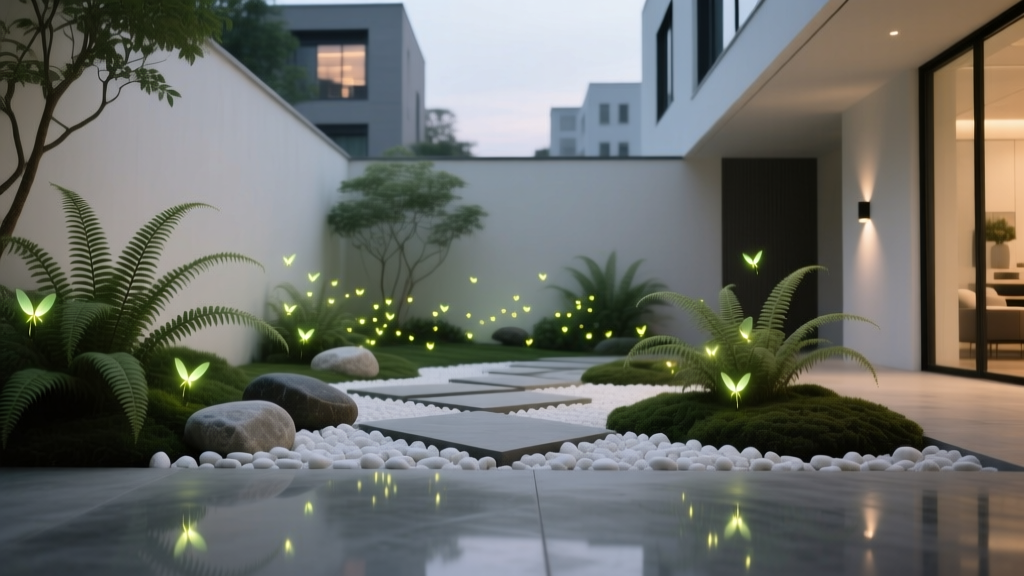
How to Create a Firefly Garden - The Decor Mag
There’s something instantly transporting about the first firefly of the season. One small glow floating above the grass can make a backyard feel like a retreat—more storybook than suburb, more summer camp than screen time. A firefly garden takes that magic and turns it into a repeatable outdoor living experience: a patio you’ll actually use, a yard that invites evening strolls, and a landscape that feels alive after sunset.
Beyond the wonder factor, designing for fireflies is a practical upgrade for homeowners who want more from their outdoor spaces. Firefly-friendly landscapes tend to be healthier landscapes—less chemical input, more plant diversity, better soil, and a more comfortable microclimate. The result is a patio and garden with softer lighting, richer planting, and a layout that supports year-round outdoor living (even when firefly season ends).
This guide breaks down how to create a firefly garden that looks intentional by day and feels enchanting at night—complete with plant recommendations, patio design ideas, material choices, maintenance tips, climate considerations, and budget ranges.
What Fireflies Need (and Why Your Landscape Design Matters)
Fireflies (also called lightning bugs) aren’t just “attracted to light.” In fact, too much artificial light disrupts their ability to communicate and mate. Most species thrive where there’s a mix of moisture, shelter, and darkness, plus a landscape that supports the insects and larvae they depend on.
Core habitat elements
- Moisture: Many firefly larvae prefer damp soil, leaf litter, and edges near water or irrigation.
- Cover: Taller grasses, groundcovers, and layered planting offer shelter and hunting grounds.
- Leaf litter and organic matter: Larvae often live in soil and litter, feeding on soft-bodied insects like snails and worms.
- Low light pollution: Darker yards support firefly signaling.
- Reduced pesticides: Broad-spectrum chemicals can wipe out larvae and prey species.
Design-wise, you’re aiming for a landscape with a naturalistic edge—without sacrificing comfort, curb appeal, or a clean patio layout. Think: structured hardscape, softer planting, and intentional “wild” zones.
Plan Your Firefly Garden: Layouts That Work for Real Outdoor Living
A successful firefly garden isn’t just a planting list—it’s a layout that balances entertaining space with habitat. Start by dividing your yard into three functional zones.
1) The “Glow Zone” (habitat core)
This is where you encourage fireflies to gather: a lightly managed area away from harsh lighting and heavy foot traffic.
- Best location: Back or side yard edges, near shrubs, around a rain garden, or beside a fence line.
- Size guideline: Even 100–300 sq ft can make a difference; larger is better.
- Design tip: Frame it with a defined border—steel edging, brick soldier course, or a narrow mown strip—so it looks purposeful.
2) The “Comfort Zone” (patio + seating)
You want a place to watch the glow without stepping into the habitat constantly.
- Ideal distance: 10–25 feet from the Glow Zone for visibility.
- Best surfaces: Permeable materials that reduce runoff and keep the area cooler.
3) The “Transition Zone” (paths + soft lighting)
Paths guide guests, protect planted areas, and help you move around at night without blasting the yard with light.
- Path width: 36–48 inches for comfortable two-person walking.
- Materials: Decomposed granite, crushed stone, permeable pavers, or mulch paths for a natural look.
Hardscape and Materials: Firefly-Friendly Patio Design
Your patio and landscaping materials influence temperature, moisture, and nighttime ambiance. Choosing the right surfaces and finishes supports both comfort and habitat.
Best patio and path materials
- Permeable pavers: Great for patios; allow water infiltration and reduce puddling. Look for interlocking concrete pavers rated for permeable installation.
- Decomposed granite (DG): Ideal for paths and secondary seating areas; use a stabilizer for a firmer, cleaner surface.
- Natural stone: Flagstone or thermal bluestone stays timeless; leave small joints for groundcovers where appropriate.
- Mulch: Perfect in the Glow Zone and transition beds; choose shredded hardwood mulch for a natural look and good moisture retention.
- Steel or aluminum edging: Creates crisp lines that keep a naturalized firefly area from looking messy.
Lighting that supports patio living without disrupting fireflies
To enjoy your outdoor living space and still welcome fireflies, aim for low, warm, shielded lighting.
- Color temperature: Choose 2200K–2700K (warm/amber). Avoid bright cool-white LEDs.
- Shielding: Use fixtures with hoods that direct light down, not outward.
- Placement: Light the path edges and steps, not the planting beds.
- Controls: Add dimmers, timers, or motion sensors to reduce constant illumination.
- Avoid: Floodlights, bright string lights across the yard, and uplighting aimed into shrubs where fireflies signal.
Pro patio tip: If you love string lights, keep them over the seating area only, use warm bulbs, and switch them off when you’re watching the yard glow.
Plants for a Firefly Garden: What to Grow for Shelter, Moisture, and Beauty
Fireflies don’t rely on nectar the way bees do, but your planting strategy should support a healthy ecosystem: layered structure, seasonal interest, and moisture-holding ground layers.
Design approach: layer your planting
- Canopy/small trees: Provide dappled shade and cooler soil.
- Shrubs: Create edges and sheltered pockets.
- Perennials + grasses: Offer structure and “meadow” vibes.
- Groundcovers: Keep soil moist, reduce erosion, and provide cover.
Plant suggestions (choose natives when possible)
Small trees (great near patios and lawn edges)
- Serviceberry (Amelanchier)
- Eastern redbud (Cercis canadensis)
- Dogwood (Cornus florida or region-appropriate species)
Shrubs for structure and habitat
- Arrowwood viburnum (Viburnum dentatum)
- Inkberry holly (Ilex glabra)
- Buttonbush (Cephalanthus occidentalis) for wetter spots
- Hydrangea (choose hardy, region-appropriate types; mix with natives)
Perennials for seasonal color and layered texture
- Joe-Pye weed (Eutrochium)
- Bee balm (Monarda)
- Black-eyed Susan (Rudbeckia)
- New England aster (Symphyotrichum novae-angliae)
- Hosta (excellent for shade and moisture retention in many climates)
Ornamental grasses and meadow-style plants
- Little bluestem (Schizachyrium scoparium)
- Switchgrass (Panicum virgatum)
- Sedges (Carex species) for shady, damp areas
Groundcovers and soil-friendly layers
- Wild ginger (Asarum canadense)
- Creeping thyme (great in sunny joints between stepping stones)
- Native ferns (for shade and woodland edges)
Planting tip: Create a “soft edge” between lawn and beds with a 3–6 foot deep band of grasses and perennials. Fireflies often hover and flash over taller grass and meadow-style planting.
Moisture Management: The Secret Ingredient for Firefly Habitat
If your yard is bone-dry in summer, fireflies will be less likely to thrive. The goal isn’t a soggy lawn—it’s consistent, moderated moisture in the habitat areas.
Smart ways to add moisture without creating mess
- Rain garden: A shallow basin planted with moisture-loving perennials; captures runoff from roofs and patios.
- Mulch + leaf litter zones: Keep a designated area under shrubs where leaves can remain through the season.
- Soaker hoses or drip irrigation: Efficient, targeted watering for beds (especially during drought spells).
- Downspout redirect: Route a downspout to a planted area (using a buried drain line or splash block) rather than the lawn.
Material recommendation: Use shredded hardwood mulch in planting beds (2–3 inches deep). Avoid thick rubber mulch and avoid piling mulch against stems and trunks.
Outdoor Furniture for Firefly Watching: Comfortable, Durable, and Low-Glare
A firefly garden shines when you have a place to sit, linger, and look out over the glow. Choose furniture that supports relaxed evenings and doesn’t require bright task lighting.
Furniture picks that work especially well
- Deep-seating lounge chairs: Weather-resistant resin wicker or powder-coated aluminum with quick-dry cushions.
- Adirondack chairs: Classic for lawns and firefly viewing; choose recycled HDPE for low maintenance.
- Outdoor sectional: Great for patios; add a low coffee table for snacks and drinks.
- Bench at the garden edge: A simple teak, cedar, or powder-coated steel bench creates a dedicated “watch spot.”
Textiles and accessories
- Outdoor rug: Use polypropylene in a darker, natural tone to reduce glare.
- Blanket basket: Keep throws handy for cool nights in spring and fall.
- Lanterns (warm LED): Choose amber-toned, dimmable candles or LEDs for tabletop glow without flooding the yard.
Budget ranges for a viewing-ready patio setup
- Budget-friendly ($300–$900): 2–4 HDPE Adirondack chairs + small side table + solar step lights.
- Mid-range ($1,000–$3,500): Outdoor loveseat or sectional + rug + lanterns + basic permeable path updates.
- High-end ($4,000–$12,000+): Full patio refresh with permeable pavers, built-in seating wall, premium lighting controls, and layered native planting.
Seasonal Strategies: Enjoy the Garden Year-Round
Fireflies are seasonal, but your outdoor design can stay beautiful and usable in every month.
Spring
- Delay heavy cleanup; leave some leaf litter in habitat beds until consistent warm weather arrives.
- Top-dress beds with compost and refresh mulch lightly.
- Check lighting timers and dimmers before summer gatherings.
Summer (peak firefly season in many regions)
- Mow less often or raise mower height in selected zones (or convert a strip to meadow planting).
- Water beds deeply in the morning during drought; avoid nightly overhead irrigation that can encourage disease.
- Keep evening lighting minimal; use lanterns at the table instead of bright overheads.
Fall
- Leave some leaves under shrubs and in designated garden beds to support soil life and overwintering insects.
- Add fall-blooming perennials (asters) for late-season color and pollinator support.
- Swap cushions/throws for warmer textures and extend patio season with a discreet heat source.
Winter
- Keep structure: grasses and seed heads provide winter interest.
- Avoid unnecessary soil disturbance where larvae may overwinter.
- Plan hardscape upgrades (paths, edging, permeable patio) for early spring installs.
Climate Considerations: Adjust the Plan to Your Region
Firefly populations and timing vary by climate, and your plant palette should match your hardiness zone and moisture conditions.
- Humid regions: You’re already closer to ideal moisture. Focus on reducing pesticide use and light pollution, and add layered native planting.
- Dry or drought-prone regions: Concentrate habitat in a smaller, irrigated zone using drip irrigation, deeper mulch, and shade from shrubs or small trees.
- Cooler climates: Build shelter and warmth with windbreak shrubs and sun-catching edges. Choose hardy grasses and perennials that provide structure.
- Coastal/windy areas: Use sturdy plants and protected corners; fireflies prefer calmer pockets with cover.
Maintenance That Helps Fireflies (Without Letting the Yard Look Unkempt)
The best firefly gardens look intentional because maintenance is strategic, not excessive.
A simple monthly checklist (growing season)
- Keep edges crisp: Recut bed lines or maintain edging so naturalized planting reads as designed.
- Spot-weed, don’t scalp: Pull invasives early; avoid wholesale clearing of habitat areas.
- Water deeply, less often: Prioritize beds and the Glow Zone during dry spells.
- Skip pesticides: Use integrated pest management (hand-pick, prune, encourage beneficials).
- Manage the lawn: Reduce fertilizer inputs; consider a smaller lawn footprint over time.
Common Mistakes to Avoid
- Overlighting the yard: Bright landscape lighting and cool-white LEDs can shut down firefly activity. Use warm, shielded, minimal lighting.
- Perfectly manicured, over-mown grass: A golf-course lawn leaves little shelter. Keep a taller zone or add meadow-style borders.
- Clearing every leaf: Removing all leaf litter strips habitat and moisture from soil. Designate “leave it” areas under shrubs and in beds.
- Relying on chemicals: Routine pesticide and herbicide programs can reduce the entire food web fireflies need.
- No seating plan: A firefly garden should be experienced. If there’s nowhere comfortable to sit, you’ll miss the best part.
FAQ: Firefly Garden Questions Homeowners Ask
Do fireflies like citronella or bug zappers?
Citronella can help reduce mosquito annoyance near seating, but heavy use of insecticides and bug zappers is counterproductive. Bug zappers kill many beneficial insects and don’t target mosquitoes well. For patio comfort, use fans, screened dining, or targeted traps rather than broad-spectrum solutions.
How long does it take to attract fireflies?
If fireflies already exist in your neighborhood, improvements can help within a season—especially reducing nighttime lighting and pesticides. Building a stronger habitat (soil health, leaf litter, layered planting) may take 1–3 years for noticeable increases.
Should I add a pond or water feature?
A small water feature can help by increasing humidity and creating a cooler microclimate, but it’s not required. If you add one, prioritize safe edges, keep water circulating to discourage mosquitoes, and plant around it with moisture-loving perennials.
What’s the best type of lawn for a firefly-friendly yard?
A smaller, healthier lawn beats a large, chemical-dependent one. Raise mower height, reduce fertilizer, and add planted borders. If you want an alternative, consider converting a section to a native meadow mix or sedge lawn (region dependent).
Can I have a fire pit and still support fireflies?
Yes—with smart placement and lighting control. Keep the fire pit in the Comfort Zone on a defined patio surface, and avoid pairing it with bright overhead lighting. When you’re watching for fireflies, keep the surrounding landscape lights low or off.
Next Steps: Build Your Firefly Garden This Weekend
To get started quickly, focus on the changes that bring the biggest results for both patio living and firefly habitat:
- Turn down the lights: Swap to 2200K–2700K bulbs, add shielding, and put lights on dimmers or timers.
- Create one designated Glow Zone: Choose a 100–300 sq ft area, add mulch/leaf litter, and plant taller grasses and perennials for cover.
- Upgrade seating: Add a bench or 2–4 comfortable chairs oriented toward the habitat area.
- Improve moisture: Add drip irrigation to beds, redirect a downspout, or build a small rain garden.
- Commit to low-chemical maintenance: Use hand weeding, mulching, and healthier soil practices instead of routine spraying.
Your yard can be both polished and alive—an outdoor living space where evenings feel like an event, even on a random Tuesday. For more patio design ideas, landscaping inspiration, and outdoor décor upgrades, explore the latest guides on thedecormag.com.
More Articles
 Best Outdoor Glass Storage Cabinet - The Decor Mag
 Outdoor Gazebo Design Inspiration - The Decor Mag
 Best Outdoor Bar Wine Glass Hanger - The Decor Mag
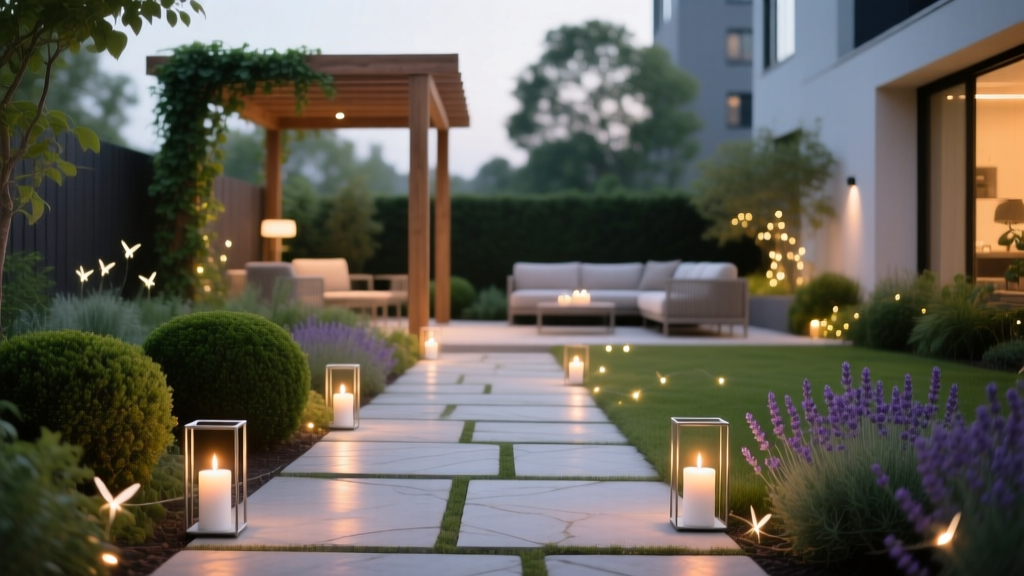 How to Design a Candlelit Garden Path - The Decor Mag
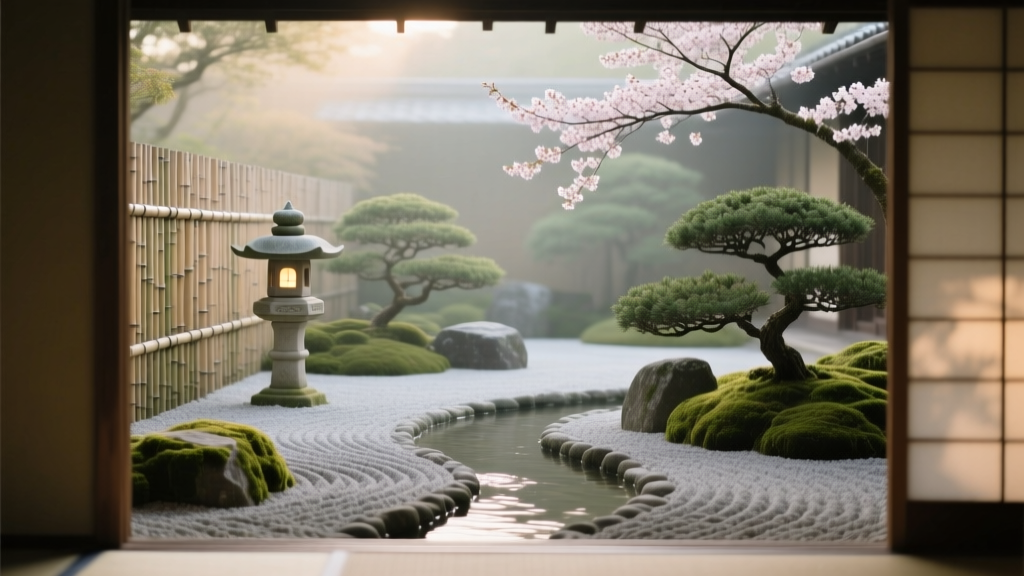 How to Design a Japanese-Inspired Garden - The Decor Mag
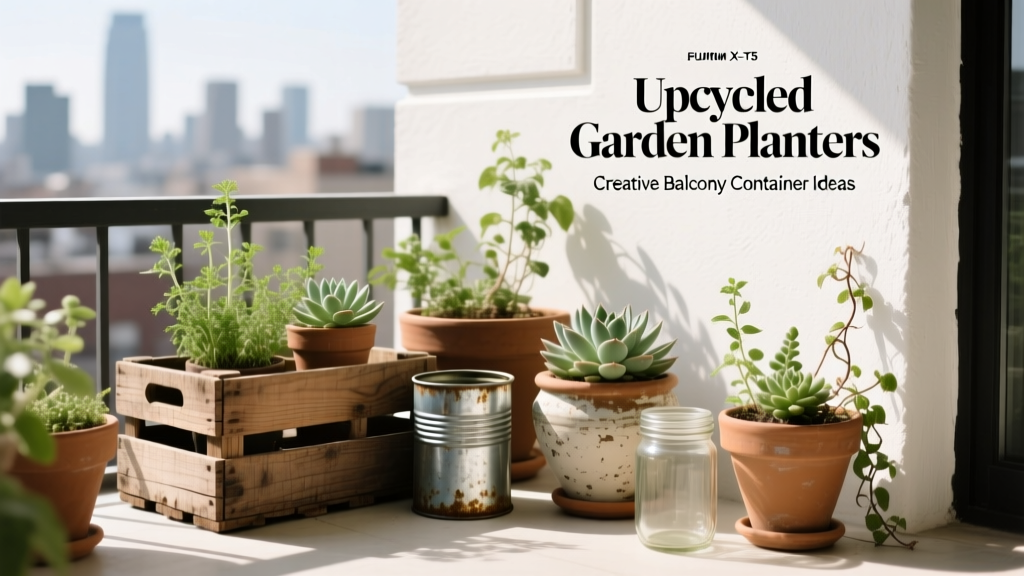 Upcycled Garden Planters: Creative Balcony Container Ideas
 Outdoor Kitchen Sink Apron Front Ideas - The Decor Mag
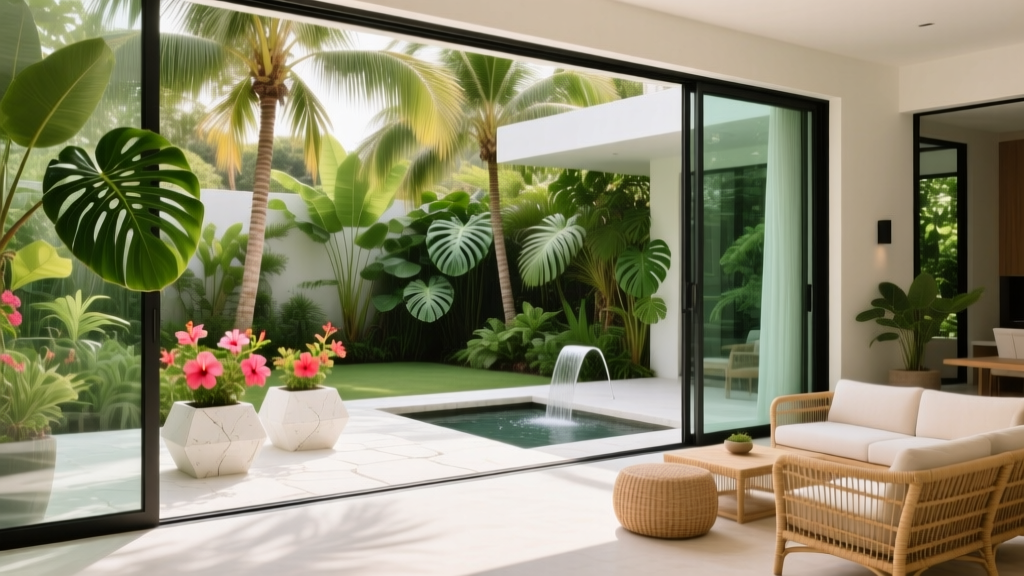 How to Design a Tropical Garden Oasis - The Decor Mag
 Best Outdoor Bar Stool Choices - The Decor Mag
 Best Outdoor Bar Serving Shelf Ideas - The Decor Mag