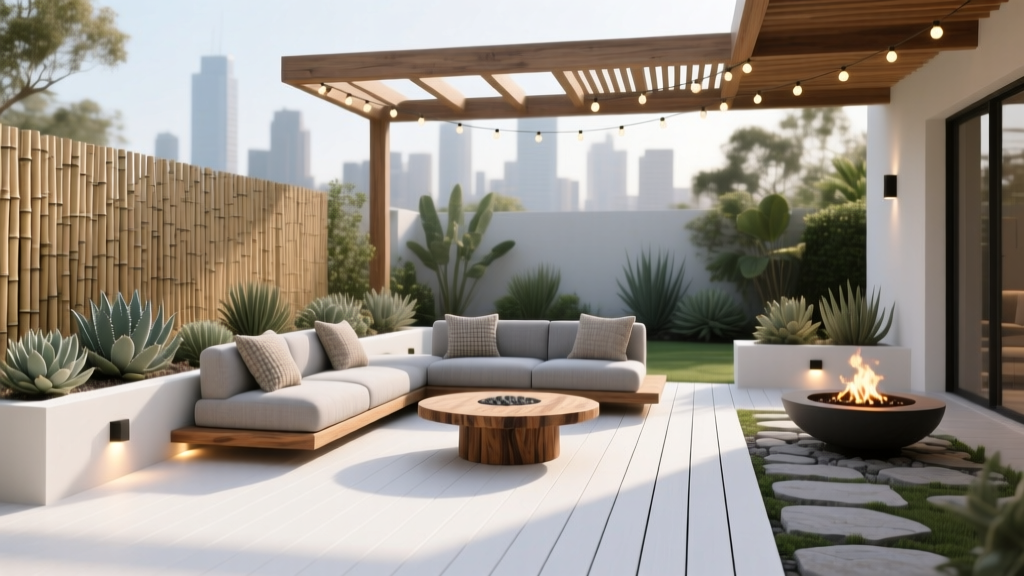
How to Create an Outdoor Entertainment Area - The Decor Mag
An outdoor entertainment area can change how you use your home. It’s where weeknight dinners stretch into conversation, where kids spill out to play while adults relax, and where you can host without feeling cramped inside. Even a modest patio or small backyard can become a welcoming “second living room” with the right layout, comfortable furniture, and smart landscaping.
The best outdoor entertaining spaces aren’t just pretty—they’re functional. They anticipate real-life needs: shade when the sun is intense, lighting when the evening runs late, surfaces that handle spills, and plantings that feel lush without becoming a maintenance burden. With a few design decisions upfront, you can build an outdoor living space that works season after season and feels effortless to use.
Below is an expert, practical guide to planning your outdoor entertainment area—complete with layout ideas, material recommendations, plant suggestions, budget ranges, and the most common mistakes homeowners make when upgrading patios, gardens, and yards.
1) Start With How You Actually Entertain
Before shopping for patio furniture or sketching a pergola, get clear on your “entertaining style.” The best outdoor design begins with your routines and the kinds of gatherings you want to host.
Ask These Planning Questions
- How many people do you host most often? (Two to four weekly? Ten to twelve monthly? Larger seasonal parties?)
- What’s the focus? Dining, grilling, lounging, games, a fire pit, or all of the above?
- Do you want year-round outdoor living? (Heaters, wind protection, all-weather materials.)
- What time of day will you use it most? Morning coffee needs shade differently than evening cocktails.
- What’s your tolerance for upkeep? Choose plants and materials that match your maintenance reality.
Right-Size Your Zones
As a rule of thumb, plan the space in zones rather than one large “patio.” Common outdoor entertainment zones include:
- Dining zone (table, chairs, serving surface)
- Cooking zone (grill or outdoor kitchen, prep counter, storage)
- Lounge zone (sofas/chairs, coffee table, outdoor rug)
- Fire feature zone (fire pit or fireplace with seating)
- Activity zone (lawn games, hot tub, pool edge, kids’ space)
2) Choose the Best Location and Layout
The “perfect” spot is usually where the indoor and outdoor spaces connect naturally. Proximity to the kitchen makes entertaining easy, but you also need comfort—sun, wind, and privacy matter.
Smart Layout Guidelines
- Keep dining within 20–30 feet of the kitchen if possible for easier serving and cleanup.
- Allow circulation paths: aim for 36–48 inches of walkway clearance around major zones.
- Anchor zones with edges like planters, low walls, screens, or changes in paving to make spaces feel intentional.
- Plan for sightlines: position seating to face your best view (garden bed, water feature, fire feature), not the trash bins.
Privacy Without Feeling Closed In
Backyard privacy can be solved with a mix of structures and plants:
- Wood slat screens (cedar or redwood) for modern privacy with airflow
- Pergolas with outdoor curtains or adjustable louvers
- Evergreen hedges like arborvitae (‘Emerald Green’), podocarpus (warm climates), or boxwood (milder areas)
- Trellises with vines like star jasmine (warm climates) or clematis (cooler climates)
3) Pick Durable, Comfortable Outdoor Furniture
Outdoor furniture should feel just as inviting as your indoor seating. Prioritize comfort first, then weather resistance, then style.
Best Outdoor Furniture Materials
- Powder-coated aluminum: lightweight, rust-resistant, modern; great for humid or coastal areas
- Teak: premium, long-lasting, naturally weather-resistant; silvers beautifully if left untreated
- All-weather wicker (HDPE resin): cozy and classic; choose UV-stable, high-quality weaves
- Stainless steel (304 or 316 marine-grade): sleek, durable; 316 is best near salt air
Cushions and Fabrics That Survive Real Life
- Look for solution-dyed acrylic fabrics (like Sunbrella-style performance textiles) for fade resistance.
- Choose quick-dry foam or reticulated foam if your climate is rainy or humid.
- Opt for zippered covers so you can wash or replace them easily.
Furniture Recommendations by Zone
- Dining: 6–8 seat rectangular table (good for groups) or round table (better flow in tighter patios).
- Lounge: sofa + two lounge chairs + coffee table; add an ottoman for flexible seating.
- Extras: stackable stools, storage bench, or a bar cart for hosting ease.
Budget Ranges (Typical)
- Starter patio setup (2–4 people): $800–$2,500
- Mid-range entertaining area: $2,500–$8,000
- High-end outdoor living room + dining: $8,000–$25,000+
4) Build a Strong Foundation: Patios, Decks, and Surfaces
The surface underfoot affects everything—comfort, drainage, maintenance, and the overall look of your outdoor living space.
Top Patio Materials for Outdoor Design
- Concrete pavers: versatile, DIY-friendly, great for modern or classic landscapes; replaceable if stained or damaged
- Natural stone: bluestone, limestone, slate, or travertine; timeless and premium
- Poured concrete: clean and cost-effective; consider a broom finish for slip resistance
- Composite decking: low maintenance, consistent look; ideal for raised decks and splinter-free comfort
- Gravel with stabilizer: budget-friendly and charming; best with edging and a proper base
Drainage and Slip Resistance Tips
- Ensure patios have a subtle slope (about 1/8–1/4 inch per foot) away from the house.
- Choose textured finishes near pools or rainy climates.
- Use polymeric sand for pavers to reduce weeds and ant tunnels.
Budget Ranges for Hardscaping
- Gravel patio: $8–$20 per sq. ft.
- Concrete pavers: $15–$35 per sq. ft.
- Natural stone: $25–$60+ per sq. ft.
- Composite deck: $30–$60+ per sq. ft. (varies by structure and height)
5) Add Shade and Weather Protection for Year-Round Outdoor Living
Shade is the difference between “looks nice” and “we use it all the time.” Consider sun angles in summer and winter, then choose a solution that fits your climate and budget.
Shade Options That Work
- Umbrellas: most affordable; cantilever styles offer flexible coverage
- Pergolas: architectural, customizable; add retractable canopies for adjustable shade
- Shade sails: modern and cost-effective; ensure proper tensioning and anchor points
- Covered patio structures: best for all-weather use and outdoor kitchens
Seasonal Comfort Upgrades
- Cool seasons: infrared patio heaters, fire pit, wind screens, thick outdoor throws
- Hot seasons: ceiling fan under a cover, misting system (dry climates), breathable fabrics, deep shade
- Rainy seasons: covered zones, quick-dry cushions, storage solutions
6) Lighting That Makes the Space Feel Magical (and Safe)
Outdoor lighting extends your patio living into evening and improves safety. Layer it like an indoor room: ambient, task, and accent.
Outdoor Lighting Layers
- Ambient: string lights under a pergola, wall sconces, or soft path lighting
- Task: grill lights, countertop lighting, or downlights near dining
- Accent: uplighting on trees, spotlights on feature plants, step lights
Practical Tips
- Choose warm color temperatures (around 2700K) for a welcoming glow.
- Use low-voltage LED systems for efficiency and flexibility.
- Put lighting on dimmers or smart controls for instant mood changes.
7) Landscaping and Planting for Atmosphere, Privacy, and Low Maintenance
Plants soften hardscapes, create privacy, and make your backyard feel like a destination. Focus on structure first (evergreens and grasses), then seasonal color.
Planting Strategies for Outdoor Entertainment Areas
- Frame the space: use taller plants behind seating to create a “room” effect.
- Keep thorns and irritants away from paths and seating (skip roses near tight walkways).
- Choose low-shedding trees if you’re placing them near dining areas.
- Use large planters for flexible privacy and color near patios.
Plant Suggestions (By Purpose)
- Privacy screening: arborvitae, clumping bamboo (non-invasive types), podocarpus, wax myrtle
- Fragrance near seating: lavender, rosemary, star jasmine, sweet alyssum
- Pollinator-friendly color: salvia, echinacea (coneflower), catmint, yarrow
- Modern texture: ornamental grasses (miscanthus, fountain grass), agave (warm climates), flax (phormium)
- Shade-friendly options: hosta, ferns, heuchera (coral bells), hydrangea (depending on region)
Climate-Smart Planting Tips
- Dry/hot climates: prioritize drought-tolerant plants like lavender, sage, agave, and lantana; use drip irrigation and mulch.
- Humid/rainy climates: improve airflow and avoid overcrowding; choose disease-resistant varieties and quick-draining soils.
- Cold/snowy climates: select hardy evergreens for winter structure; plan storage for cushions and portable decor.
- Coastal climates: choose salt-tolerant plants and corrosion-resistant furniture metals (316 stainless or aluminum).
8) Outdoor Kitchen and Bar Basics (Even Without a Full Remodel)
You don’t need a full outdoor kitchen to host well. A simple setup that keeps food and drinks outside reduces traffic inside and makes gatherings feel seamless.
Easy Hosting Upgrades
- Prep station: a weatherproof console table or stainless cart
- Serving surface: outdoor sideboard, built-in ledge, or compact bistro table
- Cold storage: a high-quality cooler, beverage tub, or undercounter outdoor fridge (higher budget)
- Trash/recycling: discreet bins near the cooking zone to keep cleanup simple
Materials for Outdoor Counters and Cabinets
- Countertops: granite (durable), concrete (custom), porcelain slab (high performance), stainless steel (commercial look)
- Cabinetry: marine-grade polymer, stainless steel, or sealed masonry with access doors
Outdoor Kitchen Budget Ranges
- Grill + cart + prep table: $400–$2,000
- Built-in grill island: $3,000–$12,000
- Full outdoor kitchen (appliances + counters + utilities): $12,000–$50,000+
Common Mistakes to Avoid
- Buying furniture before measuring: map your patio layout first, including walking paths and door swings.
- Ignoring shade and wind: an uncovered lounge area can be unusable in peak sun or breezy evenings.
- Choosing high-maintenance materials: untreated steel, porous stone without sealing, or fussy fabrics can create constant upkeep.
- Over-planting the patio edge: plants that encroach on seating feel messy fast—leave breathing room.
- Harsh lighting: bright, cool-toned fixtures kill ambiance; use warm, layered lighting instead.
- No storage plan: cushions, games, and throws need a home (deck box, storage bench, or shed zone).
FAQ: Outdoor Entertainment Area Design
How big should an outdoor entertainment area be?
For a comfortable combined dining and lounge setup, aim for 250–400 sq. ft. if you have the room. Smaller patios can still work beautifully by choosing a round dining table, a loveseat, or built-in bench seating.
What’s the best low-maintenance patio material?
Concrete pavers and composite decking are top choices for low-maintenance outdoor living. Pavers are easy to repair piece by piece, and composite decking avoids staining and splintering.
How do I make my patio feel cozy at night?
Use layered outdoor lighting: string lights for glow, lanterns or sconces for ambiance, and a fire pit or tabletop flame feature for warmth. Add an outdoor rug and throw blankets to make seating feel inviting.
What plants work best around seating areas?
Choose plants that are fragrant and soft-edged rather than spiky. Great options include lavender, rosemary, salvia, catmint, hydrangea (where suited), and ornamental grasses for movement and texture.
How can I create privacy in a small backyard?
Try a combination of a slatted screen or trellis plus tall planters filled with evergreens or clumping grasses. This creates an instant “green wall” without building a tall fence everywhere.
What’s the most cost-effective upgrade for outdoor entertaining?
Start with lighting (string lights + path lights), then add comfortable seating and a simple shade solution like an umbrella. These three upgrades deliver a big lifestyle payoff without a major renovation.
Next Steps: Build Your Outdoor Space in a Weekend, Then Keep Improving
If you want quick momentum, focus on a simple sequence:
- Measure and sketch your layout with at least two zones (dining + lounge).
- Choose your foundation (pavers, deck, or a refreshed surface) and address drainage.
- Add shade and lighting so the space works day and night.
- Invest in comfortable, weather-ready furniture and performance fabrics.
- Layer in plants and planters for privacy, fragrance, and seasonal color.
Once the core is in place, you can upgrade over time—swap in a bigger dining table, add a fire feature for cool nights, or build an outdoor kitchen when the budget allows. Your outdoor entertainment area should evolve with your life, your climate, and the way you love to host.
For more patio living inspiration, landscaping ideas, and outdoor design guides, explore the latest on thedecormag.com.
More Articles
 12 Practical DIY Style Ideas for Outdoor Living Spaces That Deliver Professional Results
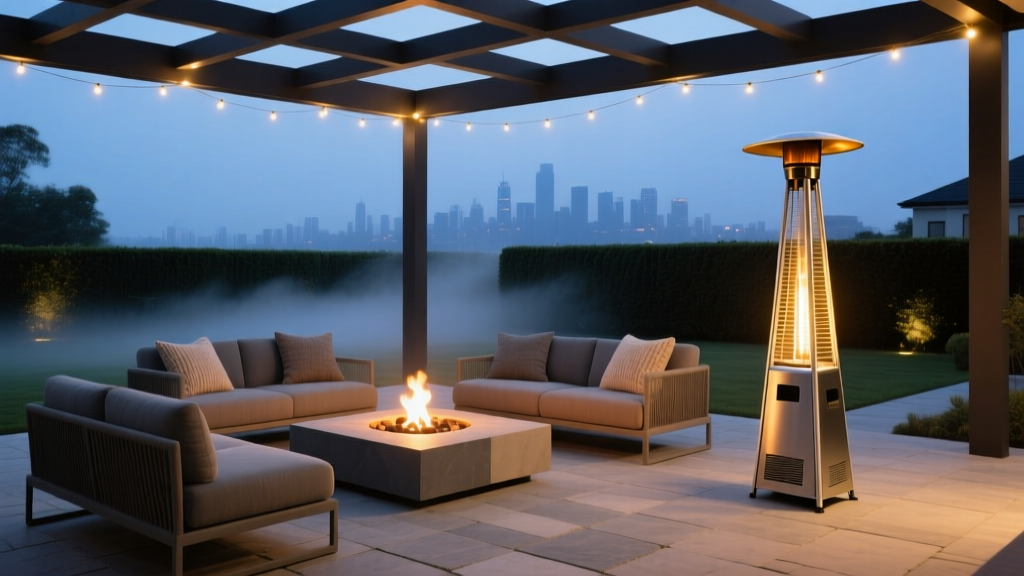 Best Outdoor Heater Options for Cool Nights - The Decor Mag
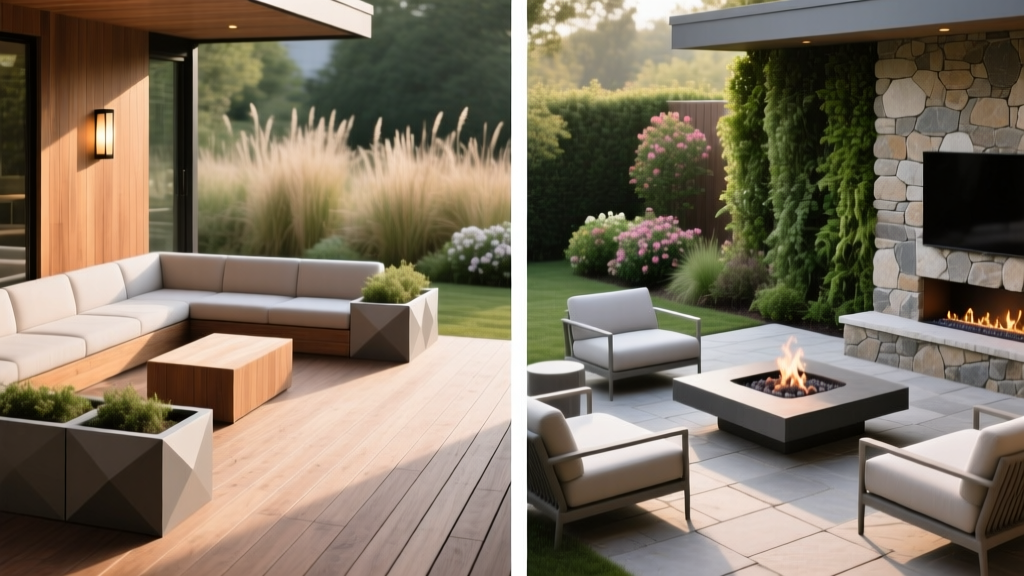 Deck vs Patio Design Comparison - The Decor Mag
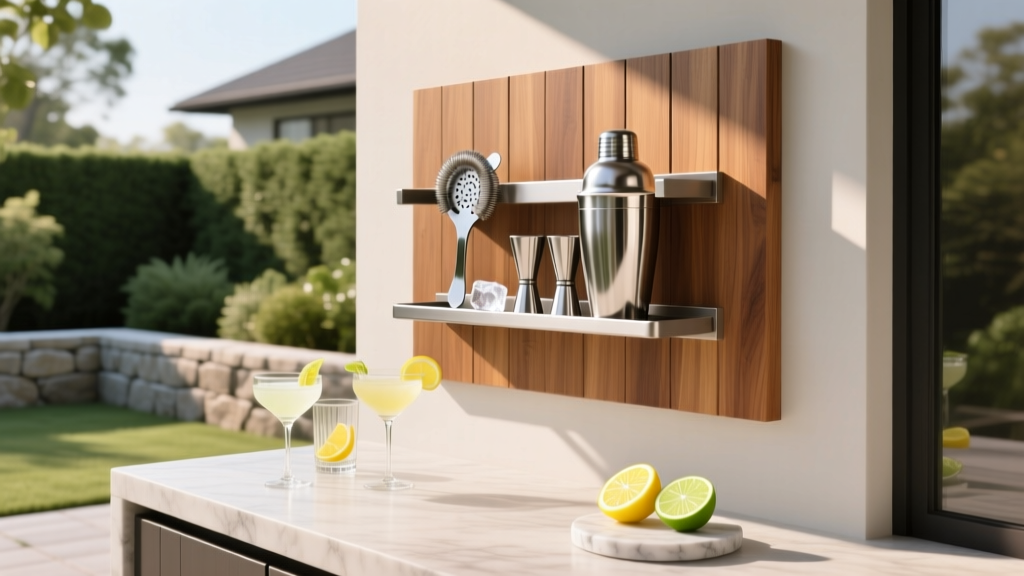 Best Outdoor Bar Strainer and Shaker Rack - The Decor Mag
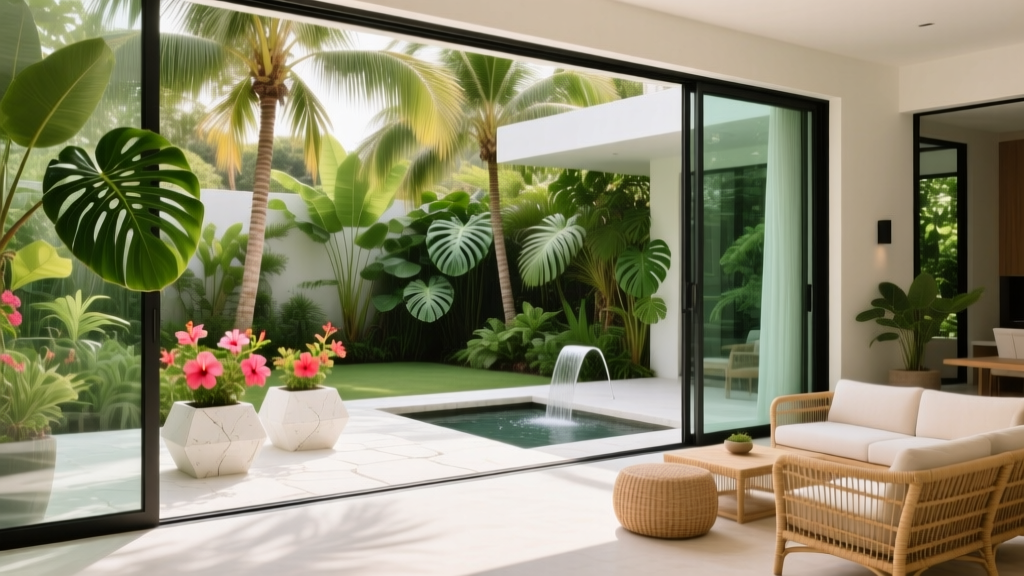 How to Design a Tropical Garden Oasis - The Decor Mag
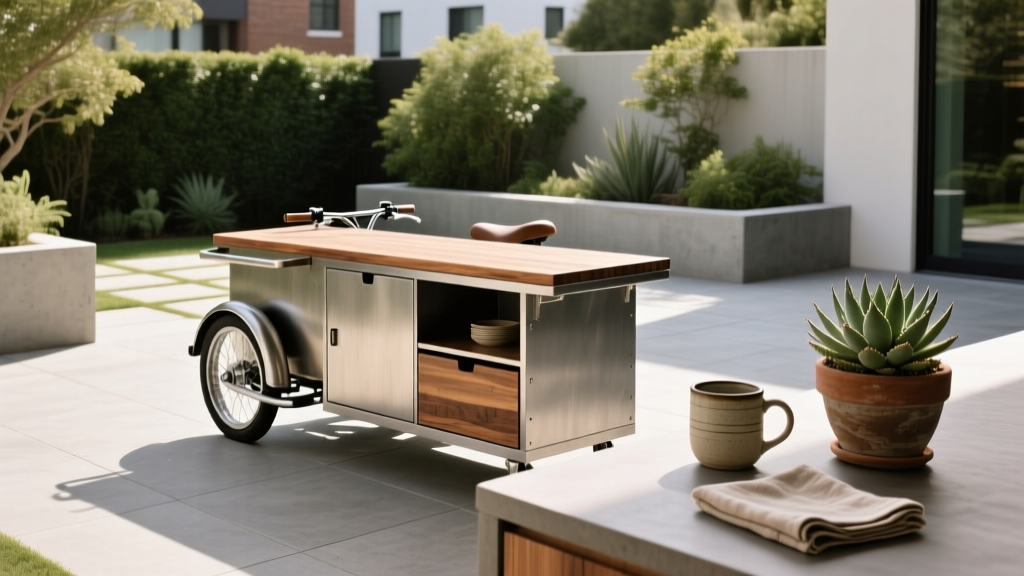 Best Outdoor Side Car Cart Bar Ideas - The Decor Mag
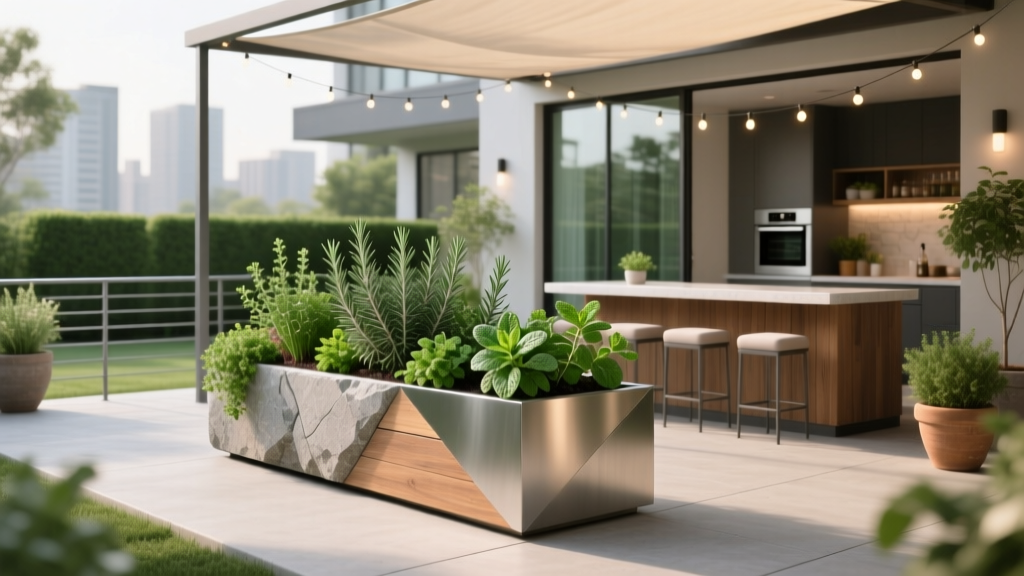 Best Outdoor Bar Herb Garden Planter - The Decor Mag
 How to Create a Kitchen Garden - The Decor Mag
 Outdoor Kitchen Vent Hood Sizing - The Decor Mag
 How to Design a Permaculture Garden - The Decor Mag