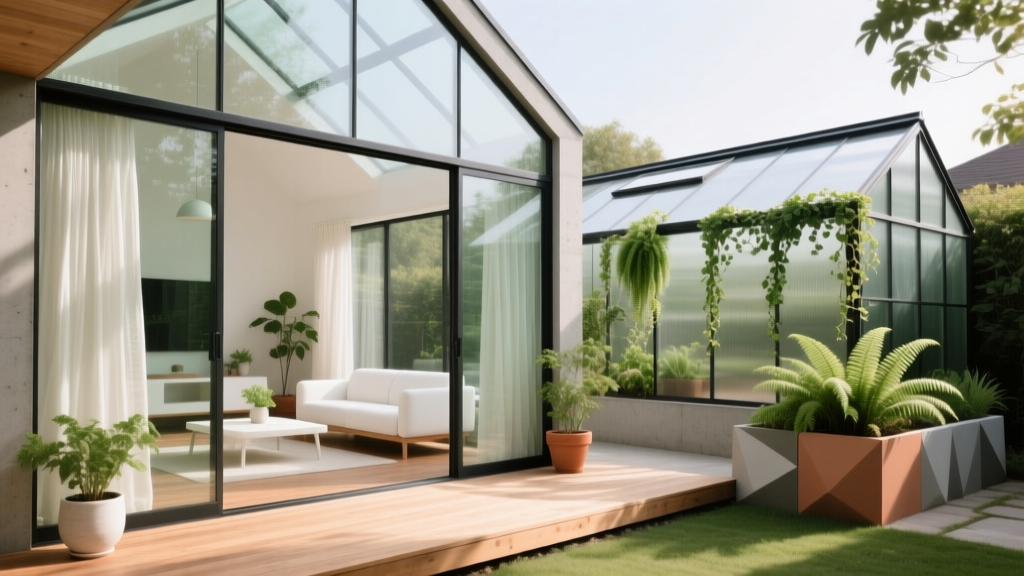
Garden Room and Greenhouse Design - The Decor Mag
A great outdoor living space doesn’t have to end when the weather turns—or when the sun drops behind the trees. Garden rooms and greenhouses bring structure, comfort, and purpose to your landscape design, creating a destination that feels as inviting as your living room while keeping you connected to the outdoors.
Whether you’re dreaming of a cozy retreat for morning coffee, a plant-filled studio for creative projects, or a hardworking greenhouse that keeps herbs and veggies thriving, the right design turns “unused yard” into year-round patio living. Done well, a garden room adds lifestyle value, and a greenhouse adds both beauty and productivity—often on the same footprint.
This guide breaks down layouts, materials, furniture, plants, and practical climate considerations so you can plan a garden room or greenhouse that looks stunning, functions effortlessly, and fits your budget.
Garden Room vs. Greenhouse: What Are You Building?
Garden Room: Outdoor Living with Shelter
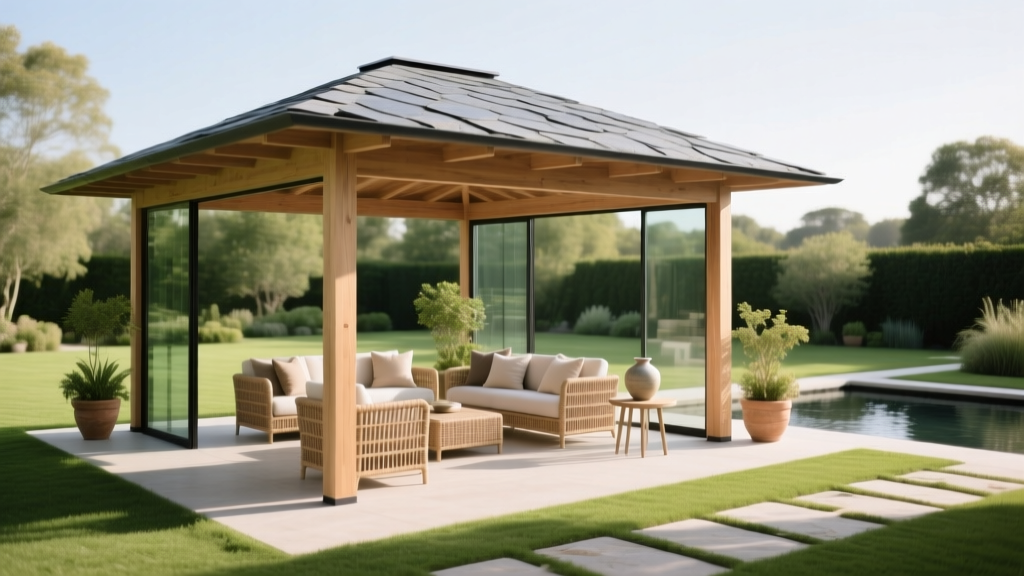
A garden room is a dedicated outdoor structure designed primarily for comfort—lounging, dining, reading, hosting, working. It can be a pergola with curtains, a screened pavilion, a glass-walled lounge, or a fully insulated backyard studio that opens onto a patio.
- Best for: entertaining, relaxation, outdoor dining, home office, yoga studio
- Key features: seating, lighting, power, privacy, weather protection
- Typical vibe: indoor-outdoor living with style and convenience
Greenhouse: Plant-First, People-Friendly
A greenhouse is primarily a controlled environment for growing—seed starting, overwintering tender plants, growing citrus, or stretching the vegetable season. The best greenhouses still feel welcoming, with a small potting bench, a stool, and space to enjoy your plants.
- Best for: gardeners, plant collectors, edible gardens, year-round growing
- Key features: ventilation, thermal mass, irrigation, staging/shelving
- Typical vibe: productive, lush, sunlit
Hybrid “Orangery” Concept
If you want one structure that supports both outdoor design and gardening goals, consider a hybrid: a greenhouse-inspired garden room with comfortable seating on one end and plant zones on the other. This is ideal for homeowners who want year-round outdoor living and a showpiece landscape element.
Site Planning: Placement, Sun, and Connection to the Patio
Choose the Right Location
Where you place a garden room or greenhouse determines comfort, plant performance, and maintenance. Start by mapping sun patterns, wind direction, drainage, and how you naturally move through your yard.
- Near the house: best for frequent use, power access, and seamless patio living
- Mid-garden focal point: creates a destination and adds depth to landscape design
- Near the kitchen: perfect for herb harvesting and outdoor dining flow
Sun Exposure Guidelines
- Greenhouses: aim for 6+ hours of sun. In many climates, south or southeast exposure is ideal.
- Garden rooms: comfort matters most. Morning sun + afternoon shade often feels best for lounging.
Wind and Drainage
Wind can shred plants and make a garden room unusable. Use hedges, fences, or trellised vines as windbreaks. Ensure the site drains away from the structure; add gravel skirts, French drains, or a slight grade to avoid pooling water.
Design Styles That Work Beautifully in Real Backyards
Modern Garden Room
- Look: clean lines, black frames, minimal furniture
- Materials: powder-coated aluminum, composite decking, porcelain pavers
- Plant pairing: ornamental grasses, boxwood, alliums, structured evergreens
Cottage Greenhouse
- Look: soft, romantic, plant-packed
- Materials: painted wood, glass, brick or stone edging
- Plant pairing: pelargoniums, sweet peas, climbing roses, herbs in terracotta
Mediterranean Orangery Feel
- Look: warm, sun-washed, hospitality-ready
- Materials: limestone-look pavers, terra-cotta tile, limewash finishes
- Plant pairing: citrus (in pots), rosemary, lavender, olive (climate-permitting)
Layout Essentials: Make It Comfortable, Functional, and Beautiful
Garden Room Layout Ideas
Think like an interior designer, then adapt for weather and the outdoors. The most successful garden room designs create zones.
- Lounge zone: outdoor sofa + coffee table + side tables (for real usability).
- Dining zone: bistro set or extendable table; keep 36–42 inches of clearance around chairs.
- Warmth zone: fire table, electric infrared heater, or compact wood stove (where safe and permitted).
- Storage zone: bench with hidden storage, slim cabinet, or weatherproof deck box.
Greenhouse Layout Ideas
A greenhouse layout should support workflow: potting, watering, staging, harvesting.
- Central aisle: 30–36 inches minimum; 42 inches if you want a comfortable wheelbarrow path.
- Staging benches: 18–24 inches deep along the sides for maximum growing surface.
- Potting bench: include hooks, shelf space, and a bucket area for soil and amendments.
- Vertical growing: trellis the back wall for cucumbers, tomatoes, or climbing flowers.
Plan for Power and Water Early
- Garden room: outlets for lighting, speakers, laptop charging, fans.
- Greenhouse: water line or nearby spigot, optional heater, circulation fans, and a thermostat-controlled vent opener.
Materials and Glazing: What Lasts Outdoors
Frames and Structure Materials
- Aluminum: low maintenance, clean look, great for modern garden rooms and greenhouses.
- Cedar or larch: naturally rot resistant, warm aesthetic; budget for sealing or staining.
- Steel: very strong and slim-profile; needs quality coating to prevent corrosion.
Glazing Options for Greenhouse Design
- Horticultural glass: crisp clarity; more breakable; classic greenhouse aesthetic.
- Toughened/tempered glass: safer and stronger; a smart upgrade for family yards.
- Twin-wall polycarbonate: excellent insulation and durability; slightly diffused look; great for colder climates.
Flooring and Foundation Choices
- Porcelain pavers: sleek, stain-resistant, ideal for outdoor living spaces and patio design.
- Brick: timeless, cozy, and pairs beautifully with cottage gardens; consider proper base prep to avoid settling.
- Gravel + pavers: budget-friendly and drains well; best when edged securely.
- Concrete slab: stable and clean; can feel cold—soften with outdoor rugs (garden rooms) or rubber mats (greenhouses).
Furniture and Decor Recommendations (Built for Weather)
Garden Room Furniture That Performs
- Seating: powder-coated aluminum frames with quick-dry cushions; teak for a warmer look.
- Tables: concrete composite, teak, or high-quality resin for durability.
- Textiles: solution-dyed acrylic (like Sunbrella-type fabrics) for fade resistance.
- Lighting: warm LED string lights for ambiance + a task sconce for reading + step/path lighting for safety.
Greenhouse “Comfort Corner” Essentials
- Small bench or café chair: choose metal or teak; avoid upholstered indoor pieces.
- Potting storage: galvanized shelves, wall-mounted rails, labeled bins for soil and amendments.
- Work surfaces: stainless steel or sealed wood tops for easy cleanup.
Planting Ideas for Garden Rooms and Greenhouses
Plants Around a Garden Room (Outdoor Structure Planting)
Use plants to provide privacy, softness, and seasonal color—key elements in landscaping for outdoor living.
- Privacy hedges: arborvitae (‘Green Giant’), podocarpus (warm climates), clumping bamboo (non-invasive types)
- Fragrant borders: lavender, rosemary, dianthus, jasmine (climate-permitting)
- Statement containers: dwarf olive, bay laurel, hydrangea, Japanese maple (protected spot)
- Climbers for pergolas/trellis: clematis, climbing roses, wisteria (needs strong support), star jasmine
Greenhouse Plant Suggestions (Productive and Beautiful)
- Easy edibles: basil, parsley, cilantro, lettuce, spinach, peppers
- Warm-season favorites: tomatoes, cucumbers, eggplant (with ventilation and trellising)
- Overwintering candidates: citrus, geraniums (pelargoniums), tender perennials
- Showy options: orchids (warm greenhouse), bougainvillea (bright light), begonias (humidity-friendly)
Climate, Ventilation, and Year-Round Outdoor Living
Hot Climates and Summer Heat
- Greenhouse: prioritize roof vents, louvered side vents, shade cloth (30–50%), and circulation fans.
- Garden room: add a ceiling fan, retractable shades, and cross-breezes via open sides or large sliding doors.
Cold Climates and Shoulder Seasons
- Greenhouse: consider twin-wall polycarbonate, thermal mass (water barrels), and a thermostatic heater for freezes.
- Garden room: infrared heaters, insulated roof panels, and wind-blocking screens extend patio season dramatically.
Rainy or Humid Regions
- Choose mold-resistant materials: aluminum, sealed hardwoods, porcelain pavers.
- Control greenhouse humidity: ventilation + spacing plants + watering in the morning.
Seasonal Setups That Keep Spaces Useful
- Spring: seed-starting shelves; fresh cushion covers; container refresh with herbs.
- Summer: shade cloth; outdoor bar cart; heat-tolerant plantings.
- Fall: add lanterns, plaid outdoor throws, mums; start cool-season greens in the greenhouse.
- Winter: evergreen container arrangements; small heater for comfort; grow herbs and microgreens under lights if needed.
Maintenance Plan: Keep It Looking Great Without Constant Work
- Monthly: clean glazing, check vents and door seals, wipe down furniture frames.
- Seasonally: reseal wood (if required), deep-clean floors, refresh gravel edges, inspect gutters.
- Greenhouse weekly during growing season: pest check (aphids, whitefly), prune for airflow, sanitize tools.
Budget Ranges: What to Expect
- DIY mini greenhouse (6x8–8x10): $300–$2,000 (kits vary widely; budget more for a solid base)
- Mid-range greenhouse with quality glazing: $3,000–$12,000
- Premium greenhouse/orangery (larger, tempered glass, custom base): $12,000–$40,000+
- Simple garden room (pergola + pavers + lighting): $2,500–$15,000
- Enclosed garden room (insulated studio style): $15,000–$80,000+ depending on size, utilities, and finishes
Where to invest: foundation/base prep, quality glazing, ventilation, and weatherproof electrical. These determine comfort and longevity more than decorative extras.
Common Mistakes to Avoid
- Placing a greenhouse in shade: even partial shade can limit winter growing and increase moisture issues.
- Skipping ventilation: overheated greenhouses and stuffy garden rooms become unusable fast.
- Underbuilding the base: poor foundations cause shifting doors, cracked pavers, and water intrusion.
- Choosing indoor furniture outdoors: it looks great for a month, then fades, mildews, and deteriorates.
- Ignoring access paths: you’ll regret squeezing past beds with potting soil or dinner trays.
- Overcrowding plants: tight spacing invites pests and disease—especially in a greenhouse.
FAQ: Garden Room and Greenhouse Design
Do I need a permit for a garden room or greenhouse?
Often, yes—especially for larger structures, electrical work, plumbing, or permanent foundations. Regulations vary by location, so check local building codes and HOA guidelines before purchasing a kit or booking a contractor.
What’s the best greenhouse glazing for cold climates?
Twin-wall polycarbonate is a top choice for insulation and durability. If you love the look of glass, consider tempered glass and add thermal mass (like water barrels) plus an efficient heater for freezing nights.
Can a garden room be used year-round?
Yes, with the right upgrades: wind-blocking screens or glazing, infrared heaters, a weather-rated ceiling fan, and layered lighting. Pair it with an all-season patio layout and evergreen landscaping for winter interest.
How do I keep a greenhouse from overheating in summer?
Combine roof vents, automatic vent openers, shade cloth, and circulation fans. In very hot regions, consider an evaporative cooler or situating the greenhouse where it gets morning sun and slightly less intense afternoon exposure.
What plants are best for beginners in a greenhouse?
Start with herbs (basil, parsley), leafy greens (lettuce, spinach), and sturdy vegetables like peppers. They’re rewarding, adaptable, and help you learn watering and ventilation rhythms without constant fuss.
How do I connect a garden room to my patio design?
Use consistent hardscape materials (matching pavers or complementary stone), repeat planting shapes (clipped shrubs + grasses), and align pathways with doors. Add outdoor lighting along the route so it feels like a natural extension of your home at night.
Your Next Steps: Plan Like a Pro
- Define the purpose: relaxing, dining, growing, working—or a hybrid.
- Choose the right site: map sun, wind, drainage, and access from the house.
- Pick a structure style: modern, cottage, or orangery-inspired to match your home and landscape design.
- Commit to comfort: ventilation, shade, lighting, and durable outdoor materials.
- Design the planting plan: privacy, fragrance, and seasonal color around the structure; productive crops inside the greenhouse.
A well-designed garden room or greenhouse turns your yard into a lifestyle space—one that supports outdoor living, elevates patio design, and brings your landscaping to life in every season. For more inspiring outdoor ideas, smart backyard layouts, and garden upgrades, explore the latest guides at thedecormag.com.
More Articles
 Outdoor Kitchen Flat Top Grill Setup - The Decor Mag
 Outdoor Kitchen Countertop Sealant Guide - The Decor Mag
 Best Outdoor Ice Bucket Station Ideas - The Decor Mag
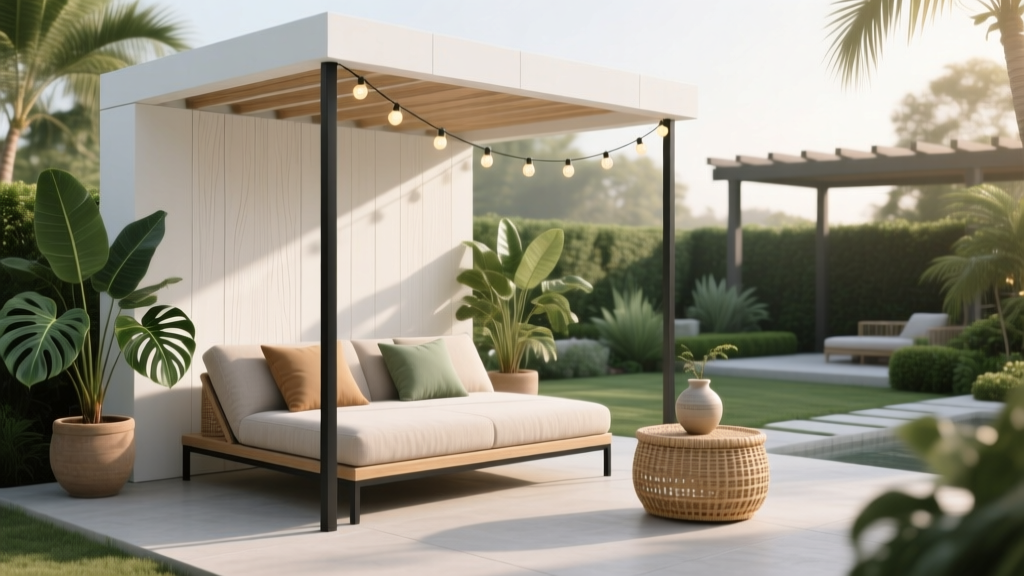 Outdoor Daybed and Cabana Ideas - The Decor Mag
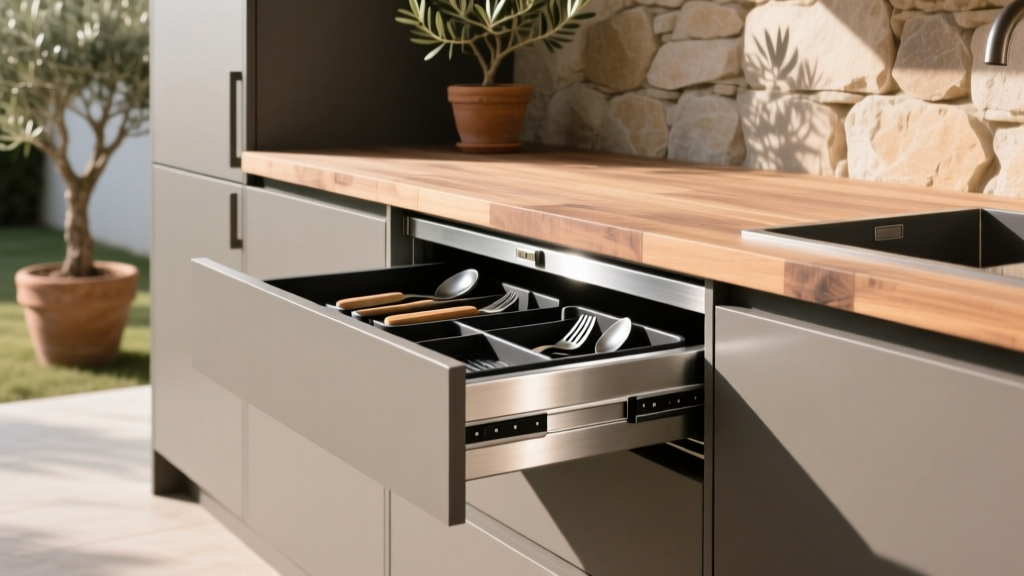 Outdoor Kitchen Drawer Slide Materials - The Decor Mag
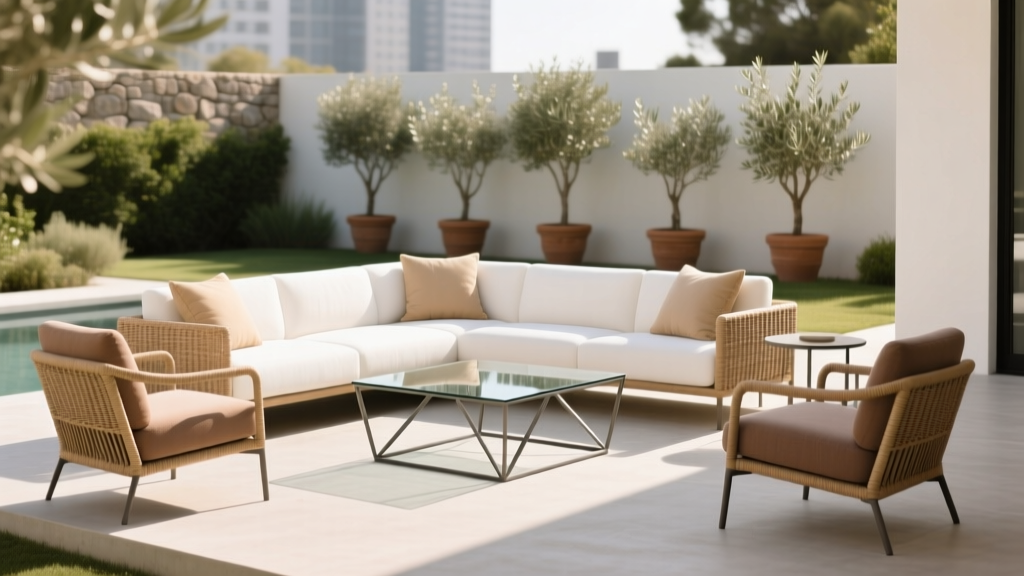 How to Choose the Best Patio Furniture Set - The Decor Mag
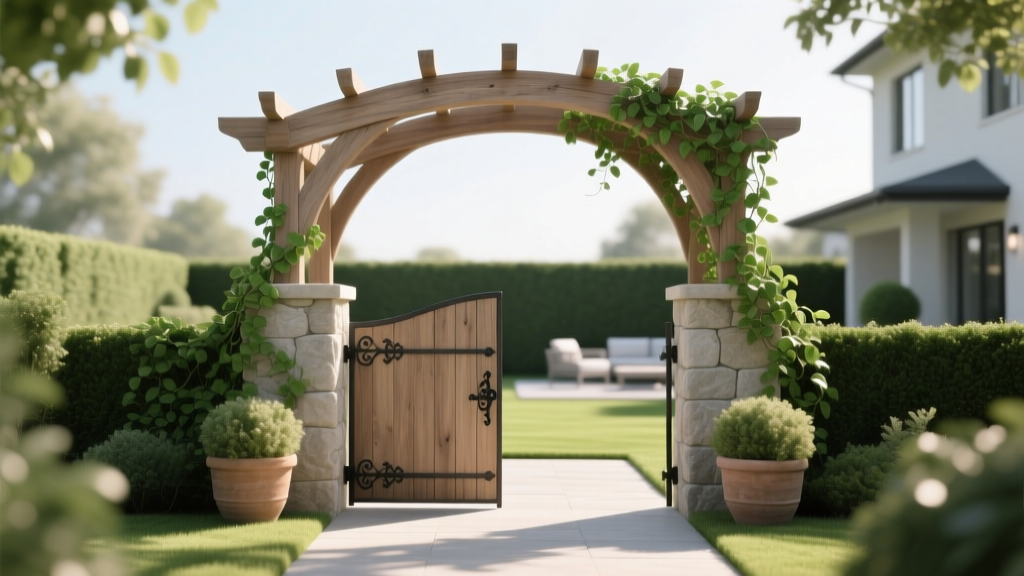 Outdoor Arbor and Gate Design Ideas - The Decor Mag
 Outdoor Living Project Checklist: A Practical, Step-by-Step Workflow for Landscape Professionals
 Outdoor Kitchen Ideas: Budget & Space Solutions
 Outdoor Gazebo Design Inspiration - The Decor Mag