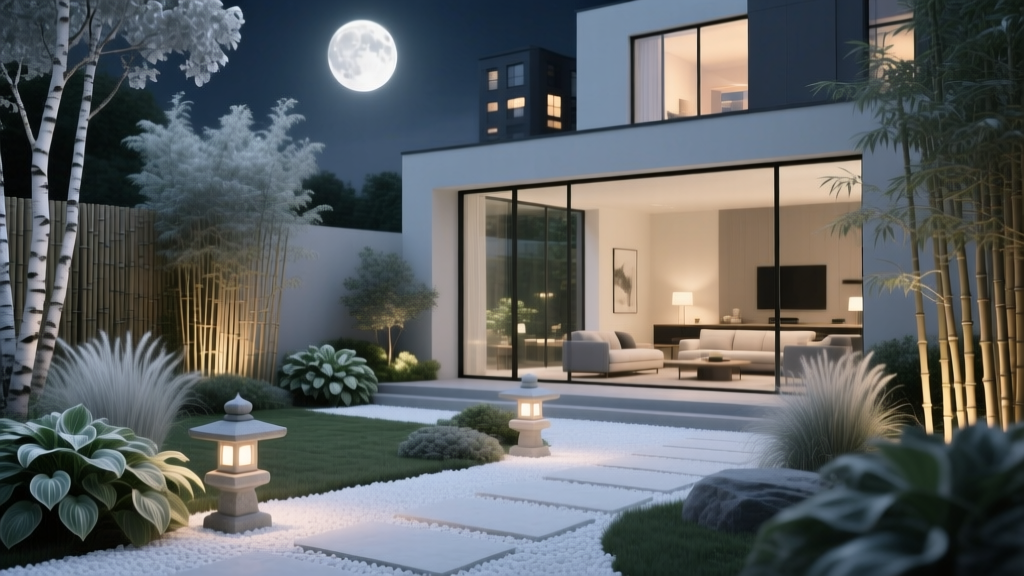
How to Design a Moonlight Garden - The Decor Mag
A moonlight garden is outdoor living at its most magical: a space designed to look its best after sunset, when white blooms glow, silvery foliage shimmers, and soft lighting turns a patio or yard into a relaxing retreat. If you love entertaining on the deck, lingering by the fire pit, or stepping outside for a quiet moment before bed, a moonlight garden makes nighttime feel like a feature—not an afterthought.
Homeowners often design landscapes for daytime curb appeal, then wonder why the yard feels flat at night. A moonlight garden flips that script. With the right plants, materials, layout, and lighting, you can create a nighttime sanctuary that’s also practical for year-round outdoor living—perfect for everything from late-summer dinners to crisp fall evenings under a blanket.
Below, you’ll find expert, step-by-step guidance—plus plant lists, budget ranges, furniture recommendations, and common pitfalls—so you can build a moonlight garden that feels intentional, elevated, and easy to enjoy.
What Makes a Moonlight Garden Work?
A true moonlight garden relies on contrast, reflectivity, fragrance, and a layout that supports nighttime use. It’s not just “add white flowers.” It’s designing your outdoor living space so it reads clearly in low light.
- Light-reflective color palette: whites, creams, pale pinks, soft blues, and silver-gray foliage.
- Texture that catches light: glossy leaves, fine grasses, velvety petals, and variegated foliage.
- Evening fragrance: plants that release scent after dusk near seating and walkways.
- Intentional lighting: layered low-voltage LED lighting for safety and ambiance without glare.
- Comfortable outdoor living zones: seating, dining, and pathways that feel inviting at night.
Start With the Layout: Design for Nighttime Living
1) Choose Your “Moon View” Focal Point
Pick one visual anchor that reads clearly at night. Place it where you’ll see it most—typically from patio seating, a dining table, or through a main window.
Great focal point ideas:
- A pale stone fountain or reflecting bowl
- A white-flowering small tree (like serviceberry) lit from below
- A light-toned sculpture or large ceramic urn
- A simple pergola with soft downlighting
2) Build a Simple Circulation Path (Safety + Style)
Moonlight gardens should feel effortless to move through. Keep paths clear, gently curving, and well-defined with edging that’s visible in low light.
- Path width: 36–48 inches for comfortable walking; 48–60 inches if two people often walk side by side.
- Landing zones: add a small “pause” area near seating or a focal point—think a 6' x 6' patio pad or gravel circle.
- Edge definition: steel edging, brick soldier course, or a pale gravel border reads beautifully at night.
3) Place Seating Where the Garden Can Perform
The best moonlight garden is one you actually use. Prioritize comfort and sightlines: seating should face the brightest plantings and any water or fire feature.
Outdoor furniture recommendations for moonlight gardens:
- Materials that look great at night: teak, powder-coated aluminum (matte white/charcoal), all-weather wicker in light taupe, and concrete side tables.
- Cushion colors: ivory, sand, pale gray, or subtle stripes; use washable performance fabric (solution-dyed acrylic like Sunbrella).
- Add warmth: a propane fire pit or tabletop fire bowl extends the season into fall and winter.
Budget range for a seating zone:
- Budget: $400–$1,200 (bistro set + string lights + container plants)
- Mid-range: $1,500–$4,000 (sofa set or dining set + layered lighting + larger planters)
- High-end: $5,000–$15,000+ (premium modular seating, fire feature, pergola, professional lighting design)
Lighting: The Secret Sauce of a Moonlight Garden
To make landscaping and patio living shine after dark, think in layers. You want gentle illumination—not a stadium effect.
Layer Your Outdoor Lighting
- Path lighting: low shielded lights spaced 6–10 feet apart for safety and rhythm.
- Uplighting: tuck small LED uplights at the base of trees, tall grasses, or architectural shrubs.
- Downlighting (“moonlighting”): install fixtures in trees or pergola beams to cast soft shadows downward.
- Accent lighting: spotlight a fountain, sculpture, or statement planter.
- Ambient glow: string lights under a pergola, lanterns on steps, or LED candles on tables.
Best Lighting Specs and Materials
- Color temperature: 2700K (warm) for welcoming patio ambiance; avoid harsh 4000K+ unless you need security lighting.
- Fixture materials: brass, copper, or powder-coated aluminum for durability; avoid thin plastic where possible.
- Bulb type: integrated LED or LED replaceable lamps; look for 80+ CRI for more natural plant color at night.
- Controls: add a smart transformer, timer, or photocell so your landscape lighting turns on reliably.
Lighting budget range:
- DIY starter: $150–$500 (solar path lights + string lights; best for small patios)
- Quality low-voltage DIY: $500–$2,000 (transformer + 8–20 fixtures)
- Professional lighting design: $2,500–$10,000+ (larger yards, complex layers, premium fixtures)
Plants That Glow: Moonlight Garden Plant Palette
Plant selection is where the magic happens. Mix white blooms, silver foliage, and fragrant varieties, then repeat them in drifts so they read from a distance. Aim for a blend of heights—groundcovers, mid-layer perennials, and a few shrubs or small trees for structure.
White and Cream Bloomers (Night Standouts)
- Hydrangea (white varieties): big glowing mopheads for summer; great near patios.
- Garden phlox (white cultivars): midsummer color and pollinator-friendly.
- Shasta daisy: classic, bright, and easy for sunny borders.
- White coneflower cultivars: strong structure, late-summer performance.
- Moonflower vine: dramatic blooms that open at night (annual in many climates).
- White roses: choose disease-resistant landscape roses for easier care.
Silver and Variegated Foliage (Reflective Texture)
- Lamb’s ear: soft silver leaves that catch low light beautifully.
- Dusty miller: crisp silver foliage, excellent edging in sunny areas.
- Artemisia: feathery silver foliage that adds movement.
- Variegated hosta: brightens shady zones near patios.
- Japanese painted fern: silvery tones for shade gardens.
Evening Fragrance (Place Near Seating and Paths)
- Sweet alyssum: low edging plant with a honey scent.
- Night-blooming jasmine (in suitable climates/containers): powerful fragrance; best near a patio (check invasiveness in your region).
- Lavender: fragrant, drought-tolerant, great along sunny walkways.
- Mock orange (Philadelphus): spring fragrance and white blooms.
- Gardenia (warm climates/containers): iconic scent; tuck near an entry.
Ornamental Grasses for Movement and Moonlit Shadow Play
- Feather reed grass: upright and architectural.
- Fountain grass (non-invasive varieties): soft plumes that glow when backlit.
- Blue fescue: cool-toned mounds that read well under warm lighting.
Small Trees and Shrubs for Structure
- Serviceberry: spring bloom, summer berries, fall color—year-round interest.
- Dogwood (select varieties): bright bracts and strong branching silhouette.
- Boxwood or inkberry holly: evergreen structure (great for winter patio views).
- White azalea (where suited): spring glow in partial shade.
Materials and Hardscape That Shine at Night
Your hardscape is the canvas. Light-colored materials reflect both moonlight and landscape lighting, making patios and garden paths feel brighter without adding more fixtures.
Best Moonlight-Friendly Materials
- Pavers: light gray, buff, ivory, or limestone-look concrete pavers for a bright patio living space.
- Natural stone: limestone, bluestone in lighter finishes, or pale granite (choose honed or textured for slip resistance).
- Gravel: decomposed granite in tan/cream tones, or light pea gravel for informal paths.
- Mulch: consider a lighter natural mulch where it fits, or use groundcover plantings to reduce the “dark hole” effect of deep brown mulch.
- Edging: steel edging, light brick, or stone cobbles to outline beds clearly.
Comfort Upgrades for Year-Round Outdoor Living
- Pergola or pavilion: supports string lights, downlights, and heaters.
- Outdoor heater: propane pyramid heater or mounted electric infrared heater for shoulder seasons.
- Weather-resistant textiles: outdoor rugs in light neutrals, throw blankets in performance fabric.
- Wind management: use evergreen hedges, trellises, or slatted screens to reduce drafts on patios.
Climate and Maintenance Considerations
A moonlight garden should look polished without becoming a high-maintenance project. Tailor plant choices to your climate zone and sun exposure, and design for easy upkeep.
Sun vs. Shade Strategy
- Full sun (6+ hours): lean into daisies, lavender, artemisia, roses, and ornamental grasses.
- Part shade: hydrangeas, astilbe, ferns, and variegated foliage shine here.
- Full shade: focus on foliage contrast (variegated hostas, ferns) and lighting to create depth.
Watering and Irrigation
- Drip irrigation: ideal for beds and containers; reduces evaporation and keeps foliage drier (fewer disease issues).
- Mulch depth: 2–3 inches to conserve moisture, but keep mulch away from plant crowns.
- Container planters: choose larger pots (18–24 inches wide) to reduce watering frequency.
Seasonal Planning for Four-Season Appeal
- Spring: highlight white-flowering shrubs and early bulbs near entrances.
- Summer: peak bloom season—layer hydrangeas, phlox, daisies, and roses.
- Fall: rely on grasses, seed heads, and structure; add warm lighting earlier as days shorten.
- Winter: evergreens, strong silhouettes, and lighting keep the garden visually active from the patio.
Design Approaches That Always Look Intentional
Repeat a “Moonlight Trio” Throughout the Yard
Pick three dependable elements and repeat them in multiple zones for cohesion:
- One white bloomer (hydrangea, phlox, white rose)
- One silver/variegated foliage plant (lamb’s ear, artemisia, variegated hosta)
- One structural evergreen (boxwood, inkberry, compact holly)
Use Containers to Add Glow to Patios and Decks
Container gardens are an easy way to bring moonlight design to small outdoor living spaces.
- Planter material: light ceramic, concrete, or fiberglass in ivory/stone tones.
- Container recipe: white flowers (thriller) + silver foliage (filler) + trailing white (spiller).
- Placement: flank steps, frame a seating area, or mark a pathway turn.
Common Mistakes to Avoid
- Overlighting the space: too many bright fixtures flatten the mood and create glare. Use fewer lights, well-aimed.
- Choosing only white flowers: without silver foliage and structure, the garden can look patchy when not in bloom.
- Ignoring nighttime sightlines: a gorgeous border isn’t helpful if it’s hidden behind tall plants or faces the wrong direction.
- Skipping path safety: uneven stepping stones and dark edges lead to trips. Prioritize stable, level walking surfaces.
- Planting fragrance too far away: place scented plants within a few feet of seating and doorways.
- Not planning for seasons: if everything blooms in July only, the garden feels empty the rest of the year. Add evergreens and grasses.
FAQ: Moonlight Garden Design
What colors work best in a moonlight garden?
White and cream blooms are the stars, supported by pale pinks, soft blues, and especially silver or variegated foliage. Dark greens and deep purples can be used sparingly for contrast, but the overall palette should stay light and reflective.
Do I need special lighting, or will solar lights work?
Solar can work for small patios and sunny locations, but it’s often inconsistent in shade or winter. For reliable outdoor living lighting, low-voltage LED systems with a transformer, timer, and warm 2700K fixtures deliver a more polished look.
Can I create a moonlight garden in a small yard or on a patio?
Yes. Start with containers in light-toned planters, add a compact seating area, and use string lights plus a couple of well-placed lanterns. Even a 6' x 10' patio can feel like a moonlit retreat with the right plant palette and soft lighting.
Which plants are best for a low-maintenance moonlight garden?
Look for hardy perennials and shrubs suited to your climate: hydrangeas (where appropriate), ornamental grasses, lavender in sunny regions, and evergreen structure like boxwood alternatives. Use drip irrigation and repeat a few dependable plants instead of juggling dozens of varieties.
How do I keep the garden looking good in winter?
Include evergreens for structure, ornamental grasses for movement, and a lighting plan that highlights trunks, branches, and hardscape. A few well-placed uplights and downlights can make winter silhouettes feel dramatic and cozy from the patio.
Is a moonlight garden wildlife-friendly?
It can be. Choose pollinator-friendly blooms and avoid overly bright lighting that disrupts nighttime insects. Use shielded fixtures, warm color temperatures, and consider turning lights off later at night with timers.
Next Steps: Bring Moonlight Magic to Your Outdoor Living Space
Start with one zone—your patio seating area, a short path to the garden gate, or the view from your favorite window. Add a light-reflective hardscape detail, layer in warm LED lighting, then plant in repeating drifts of white blooms and silver foliage. With a few smart choices, your landscape design will feel welcoming long after the sun goes down.
For more patio living ideas, garden layouts, and outdoor design inspiration, explore the latest guides and trends on thedecormag.com.
More Articles
 How to Design a Sensory Herb Garden - The Decor Mag
 Best Outdoor Bar Muddler and Jigger Storage - The Decor Mag
 Materials vs Science: How Engineering Precision and Material Innovation Are Redefining Outdoor Living
 Outdoor Kitchen Smoker Box Integration - The Decor Mag
 Upcycled Garden Planters for Balconies (2026)
 Outdoor Kitchen Pizza Stone Installation - The Decor Mag
 Best Outdoor Bar Cabinet Ideas - The Decor Mag
 Best Outdoor Loveseat Options - The Decor Mag
 Best Outdoor Side Table Options - The Decor Mag
 Best Outdoor Swing Bed Ideas - The Decor Mag