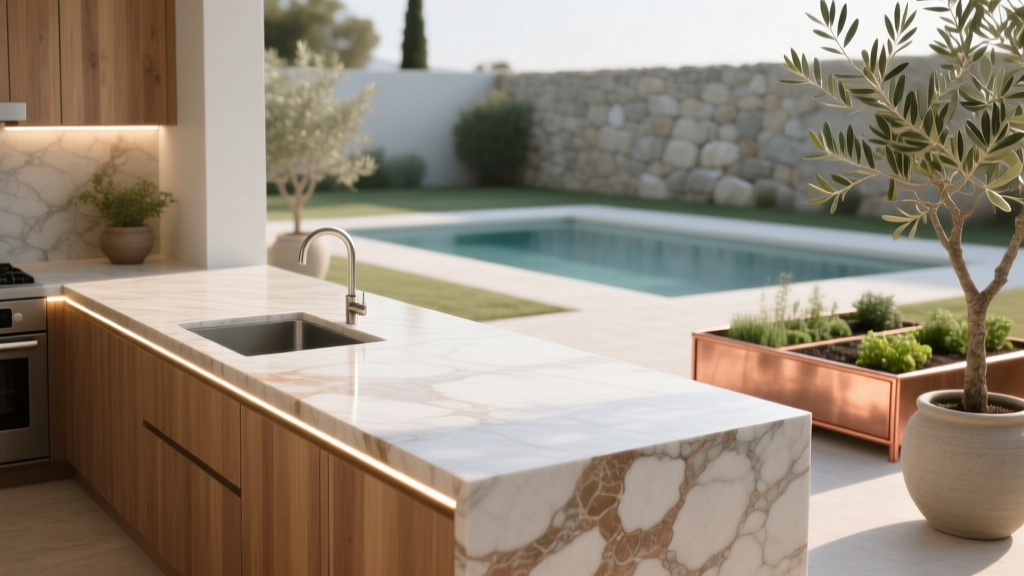
Outdoor Kitchen Countertop Sealant Guide - The Decor Mag
An outdoor kitchen is more than a grill station—it’s the heartbeat of patio living. When the weather is perfect, the countertop becomes your prep zone, serving bar, buffet line, and gathering spot all at once. Because it’s always on display and constantly in use, your countertop needs to look great and perform even better through sun, rain, spills, and temperature swings.
That’s where sealants come in. The right outdoor kitchen countertop sealant helps prevent stains, fading, moisture intrusion, freeze-thaw damage, and that “worn out” look that can make an outdoor living space feel neglected. With a smart sealing plan, your patio kitchen can stay ready for weeknight dinners in spring, summer entertaining, football season hosting, and even winter grilling (yes, it’s a thing) without constant repairs.
This guide breaks down how to choose the best sealant for your material, climate, and lifestyle—plus design tips that make your outdoor kitchen easier to maintain, more beautiful, and more inviting year-round.
Why Seal Outdoor Kitchen Countertops?
Outdoor countertops face challenges indoor kitchens rarely see. UV rays, driving rain, pollen, leaf tannins, grease, and dramatic temperature shifts can break down the surface and cause permanent discoloration without protection.
- Stain protection: Wine, citrus, sauces, cooking oils, rust, and leaf stains can seep into porous stone and concrete.
- Moisture resistance: Sealants help prevent water absorption that leads to cracking, spalling, and mildew.
- Freeze-thaw durability: In cold climates, absorbed water expands and can damage concrete, grout, and natural stone.
- UV defense: Some sealers reduce fading or yellowing from sun exposure.
- Easier cleaning: Sealed surfaces wipe down faster—essential for low-stress patio living.
Start Here: Identify Your Countertop Material
The best outdoor kitchen countertop sealant depends on what you’re sealing. Some surfaces need frequent resealing; others should only be sealed at seams (or not at all).
Granite
- Porosity: Medium (varies by slab)
- Best sealer types: Penetrating/impregnating sealer; premium impregnators for oily foods
- Typical reseal schedule: Every 1–3 years
Concrete
- Porosity: High unless properly finished
- Best sealer types: Two-step system (penetrating + topical), or high-performance food-safe topical designed for outdoor UV
- Typical reseal schedule: 1–2 years for topical; longer with premium systems
Quartz (Engineered Stone)
- Porosity: Low
- Best sealer types: Usually none; focus on UV suitability and manufacturer guidance
- Watch out: Many quartz products are not recommended for full sun and can discolor over time—shade structures help.
Quartzite
- Porosity: Medium to low (varies)
- Best sealer types: Penetrating/impregnating sealer
- Typical reseal schedule: Every 1–2 years
Marble, Limestone, Travertine
- Porosity: Medium to high
- Best sealer types: Premium impregnating sealer; consider honed finish to hide etching
- Reality check: These stones are beautiful but high maintenance outdoors (acids + weather).
Porcelain Slabs
- Porosity: Very low
- Best sealer types: Usually no sealer needed for the slab; seal grout/edges if applicable
- Great for: Low-maintenance outdoor kitchens, modern patio design, full sun.
Soapstone
- Porosity: Low
- Best sealer types: Often none; optional mineral oil/wax for darkening and patina
- Style: Gorgeous, moody look that pairs well with lush landscaping.
Outdoor Kitchen Countertop Sealant Types (What They Actually Do)
1) Penetrating / Impregnating Sealers
These soak into porous materials (stone, concrete) and help repel water and oil while keeping a natural finish.
- Best for: Granite, quartzite, limestone, travertine, many concrete finishes
- Look: Natural/matte; minimal sheen
- Why homeowners love them: They don’t peel like a film can
2) Topical / Film-Forming Sealers
These create a protective layer on top of the surface. They can add sheen and strong stain resistance, but require more upkeep.
- Best for: Concrete countertops (especially decorative), some stones if rated for exterior UV
- Look: Satin to glossy
- Trade-off: Can scratch, cloud, or peel if the product isn’t exterior-grade or if moisture gets trapped
3) Enhancing Sealers
These deepen color and bring out veining—popular for dark granite, slate, and some concrete looks.
- Best for: Natural stone where you want a “wet look”
- Tip: Always test on a hidden area; enhancement is hard to reverse.
4) Hybrid Systems (Best for Busy Outdoor Kitchens)
Some of the most durable results come from pairing a penetrating sealer with a compatible topical layer (especially for concrete). This approach is great for outdoor kitchens that see heavy entertaining.
How to Choose the Right Sealant for Your Climate
Hot, Sunny, and Dry (Southwest, High Sun Patios)
- Choose sealants with strong UV resistance to reduce yellowing and breakdown.
- Consider light-colored stone or porcelain for heat management.
- Design tip: Add a pergola or shade sail to protect countertops and extend comfortable outdoor living.
Humid, Rainy, or Coastal (Gulf Coast, Southeast, Oceanfront)
- Prioritize mildew resistance and strong water repellency.
- Use marine-grade stainless steel hardware and avoid porous stone in constant salt spray zones.
- Design tip: Build in airflow—keep cabinetry slightly elevated and specify venting to reduce trapped moisture.
Freeze-Thaw Regions (Northeast, Midwest, Mountain Areas)
- Use penetrating sealers to reduce absorption and freeze damage.
- Avoid topical sealers that can trap moisture unless the full system is proven for freeze-thaw exposure.
- Design tip: Include a countertop overhang drip edge and proper slope so water doesn’t sit and seep into seams.
Application Basics: A Homeowner-Friendly Sealing Plan
Sealing is a small project that pays off for years—if the surface is properly prepped and the right product is used.
Before You Seal: Prep Checklist
- Clean thoroughly with a pH-neutral stone cleaner or manufacturer-recommended cleanser.
- Remove grease near grills with a gentle degreaser (rinse well).
- Let the countertop dry completely—24–48 hours is often best after washing or rain.
- Protect adjacent materials (stainless, cabinets, pavers) with painter’s tape and drop cloths.
Simple Sealing Steps (Penetrating Sealer)
- Test on an inconspicuous spot for appearance changes.
- Apply evenly with a microfiber cloth, sponge, or foam applicator.
- Allow dwell time per label (often 5–15 minutes), keeping the surface lightly wet with sealer.
- Buff off all residue before it dries to avoid haze.
- Apply a second coat if recommended, then cure (often 24 hours) before heavy use.
How to Tell When It’s Time to Reseal
- Do a water test: sprinkle water and wait 10 minutes. If it darkens the stone or absorbs quickly, reseal.
- Notice more frequent staining or dark fingerprints around the prep zone.
- After harsh seasons: reseal in spring if winter was wet/freezing, or in fall before heavy rain and snow.
Design Recommendations That Make Countertops Easier to Maintain
A well-designed outdoor kitchen reduces the stress on your countertop and helps your sealant last longer. These choices support year-round outdoor living and keep your patio kitchen looking polished.
Material Pairings That Work Outdoors
- Porcelain slab countertop + stainless steel cabinets: Sleek, low-maintenance, and UV-stable—ideal for modern outdoor design.
- Granite countertop + stone veneer island: Classic, durable, and forgiving for family use.
- Concrete countertop + warm wood accents (thermally modified wood): Contemporary and inviting; add shade to reduce heat and cracking risk.
Layout Choices That Protect Your Countertop
- Keep a 12–18 inch landing zone beside the grill for trays and tools (reduces scorching and grease transfer).
- Add a bar-height overhang (12 inches typical) so guests naturally gather away from the main prep area.
- Place the sink so splash water doesn’t constantly soak seams—aim for a dedicated wet zone with easy drainage.
- Specify rounded or eased edges to reduce chipping and sealer wear at corners.
Furniture and Accessory Picks for a Cleaner Counter
- Outdoor-rated bar stools with quick-dry cushions to encourage seating (and keep guests from leaning on prep areas).
- Rolling serving cart (powder-coated aluminum) to shift mess off the countertop during parties.
- Heat-resistant trivets and cutting boards sized for outdoor use—use them every time to protect the sealer.
Plant Suggestions That Enhance the Space Without Creating Stains
Plants make an outdoor kitchen feel like a garden destination, but some drop berries, heavy pollen, or staining leaves. Choose smart greenery near countertops.
- Best near countertops: Boxwood, rosemary, lavender, dwarf fountain grass, sedum, blue fescue
- Great “kitchen garden” containers: Thyme, sage, chives, oregano (easy harvest, tidy growth)
- Use caution near counters: Mulberry, olive (fruit drop), pine (sap), messy flowering trees that stain stone and pavers
Design tip: Keep planting beds 12–24 inches away from the island base to reduce moisture buildup and soil splash during storms.
Maintenance Schedule for Year-Round Patio Living
- Weekly (peak season): Wipe down with pH-neutral cleaner; remove grease around the grill edge.
- Monthly: Inspect seams, caulk lines, and around the sink cutout.
- Spring: Deep clean, reseal if water test fails, check for winter cracks (freeze-thaw areas).
- Summer: Focus on UV exposure; use umbrellas/pergolas and rinse off sunscreen spills promptly.
- Fall: Clear leaves quickly to prevent tannin stains; reseal before rainy season in many regions.
- Winter: Use a breathable cover; avoid harsh de-icers near natural stone and concrete.
Budget Ranges: What Outdoor Countertop Sealing Costs
- DIY penetrating sealer (materials only): $30–$90 for most average countertops (varies by porosity and square footage)
- DIY concrete topical system: $80–$250 depending on product system and number of coats
- Professional sealing: $200–$600 for typical outdoor kitchen counters; higher for large concrete tops or restoration work
- Repairs/restoration before sealing: $300–$1,500+ if you need crack repair, polishing, or stripping failed topical coatings
If you entertain often or your patio is in harsh sun or freeze-thaw conditions, a professional-grade system is usually money well spent.
Common Mistakes to Avoid
- Sealing a damp countertop: Traps moisture and can cause clouding or whitening, especially with topical coatings.
- Using an indoor-only product outdoors: Many sealers aren’t UV-stable and will break down faster in sun.
- Leaving sealer residue: Dried residue creates haze and sticky patches that attract dirt.
- Assuming “sealed” means stain-proof: Sealers buy time; wipe spills quickly, especially wine, citrus, and oils.
- Ignoring seams and cutouts: Sink edges, faucet holes, and seams are where water intrusion starts.
- Over-glossing high-traffic areas: Very glossy topical finishes show scratches and can become slippery when wet.
FAQ: Outdoor Kitchen Countertop Sealants
How often should I seal my outdoor kitchen countertop?
Most granite and quartzite countertops need sealing every 1–3 years depending on exposure and use. Concrete often needs more frequent attention (typically every 1–2 years) if a topical sealer is used. Always confirm with a simple water test.
What’s the best sealant for outdoor granite countertops?
A high-quality penetrating/impregnating sealer rated for oil and water repellency is a strong choice for outdoor granite. It keeps the natural look and won’t peel like a film.
Do porcelain slab countertops need sealing?
Usually no—porcelain is extremely non-porous. You may need to seal grout lines (if present) and pay attention to edge/underlayment details, but the slab itself typically doesn’t require a countertop sealer.
Can I use a glossy concrete sealer on an outdoor countertop?
You can, as long as it’s specifically rated for exterior UV exposure and food-contact use (if you prep directly on the counter). Gloss finishes can show scratches and may need periodic re-coating, so many homeowners prefer a satin finish.
What should I avoid cleaning sealed outdoor countertops with?
Avoid harsh acids (vinegar), bleach, and abrasive powders that can dull finishes and weaken sealers. Use a pH-neutral cleaner and a soft cloth for most outdoor kitchen maintenance.
Will sealing protect my countertop from heat near the grill?
Sealants are not a heat shield. Use trivets, avoid placing hot pans directly on the surface, and plan a landing area with heat-resistant accessories to reduce thermal shock—especially for stone and concrete.
Next Steps: Build a Sealing Plan That Fits Your Outdoor Lifestyle
Choose your sealant based on your countertop material, sun exposure, and how you actually use your outdoor kitchen. If you host often, prioritize stain resistance and easy clean-up. If you live in a freeze-thaw climate, focus on moisture protection and smart drainage details. Then set a seasonal reminder—spring and fall are ideal times to test and refresh protection so your outdoor kitchen stays ready for patio season and beyond.
- Identify your countertop material and finish (polished, honed, textured).
- Pick an exterior-rated sealant type that matches your climate and maintenance style.
- Do a water test every season and reseal before problems show up.
- Upgrade your layout with shade, landing zones, and low-mess planting to extend countertop life.
For more outdoor living inspiration—from patio layouts and landscaping ideas to outdoor kitchen design—explore the latest guides and makeovers on thedecormag.com.
More Articles
 How to Design a Prairie Garden - The Decor Mag
 How to Create a Dye Plant Garden - The Decor Mag
 Outdoor Kitchen Storage Cabinet Guide - The Decor Mag
 How to Design a Dragonfly Garden - The Decor Mag
 Outdoor Kitchen Rotating Grill Basket - The Decor Mag
 Best Outdoor Bar Fruit Bowl Display - The Decor Mag
 How to Design a Sensory Herb Garden - The Decor Mag
 How to Design a Fern Garden - The Decor Mag
 The Outdoor Living Room Tools Checklist: Essential Gear for Designing, Building, and Maintaining Your Backyard Living Space
 How to Create a Butterfly Garden - The Decor Mag