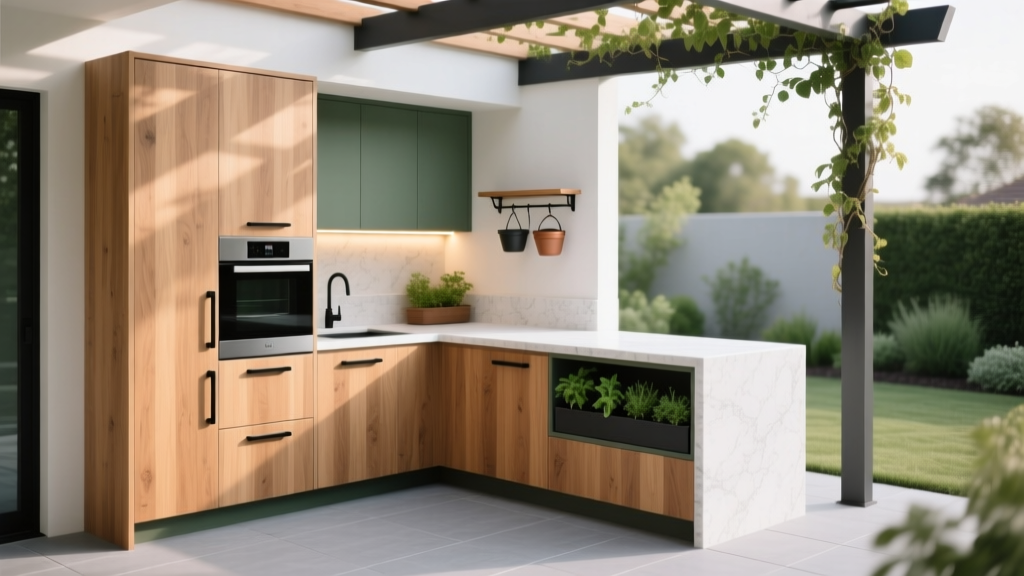
Outdoor Kitchen Corner Cabinet Ideas - The Decor Mag
An outdoor kitchen is more than a place to grill—it’s the anchor of patio living. It’s where weeknight dinners become effortless, where friends naturally gather, and where your backyard starts functioning like a true extension of your home. Yet one small design decision can make or break how enjoyable it feels to cook outside: what you do with the corners.
Corner cabinet zones are often wasted, awkward, or hard to access. When planned well, they become some of the most valuable real estate in your outdoor kitchen layout—unlocking storage for bulky items, creating landing space near the grill, and improving traffic flow around islands, L-shaped counters, and wraparound bars.
Below are inspiring, practical outdoor kitchen corner cabinet ideas—plus the materials, plant pairings, maintenance tips, and budget guidance you need to choose a setup that looks polished and works year-round.
Why Corner Cabinets Matter in Outdoor Kitchen Design
Corner cabinets solve three common outdoor kitchen problems: limited storage, cluttered countertops, and inefficient prep zones. Unlike indoor kitchens, outdoor spaces deal with wind, sun, moisture, pollen, and temperature swings—so you need storage that’s easy to access and built to handle the elements.
- Workflow: Corners sit at the intersection of cooking, prep, and serving—prime territory for smart storage.
- Safety: Reduces trips back indoors and keeps tools organized (especially around hot grills and pizza ovens).
- Clean look: Keeps patio living spaces calm and styled, even when you’re hosting.
Top Outdoor Kitchen Corner Cabinet Ideas (Layouts + Storage Solutions)
1) L-Shaped Corner Base Cabinet with a “Dead Corner” (Done Right)
Yes, “dead corners” exist in many kitchens—but outside, they can still be useful when paired with the right access points. Instead of forcing an awkward door at the corner, use adjacent doors and reserve the deepest area for rarely used items.
Best for: L-shaped outdoor kitchens with limited linear wall space.
- Store seasonal items deep inside: extra serving trays, backup propane accessories, specialty smokers.
- Add interior bins to prevent items from shifting when you open doors.
- Use marine-grade polymer cabinet boxes if you’re in a wet or coastal climate.
Budget range: $700–$2,000 for a quality outdoor-rated corner base cabinet (more if custom or stainless).
2) Corner Drawer Bank (The Most User-Friendly Option)
Drawers beat doors for access—especially outdoors when you’re moving fast and working with greasy hands. A corner drawer design typically uses angled or diagonal drawer fronts to make that corner space practical.
What to store:
- Grill tools, thermometers, skewers, heat-resistant gloves
- Outdoor dinnerware, napkins, bar tools
- Foil, butcher paper, trash bags, and cleaning supplies
Material recommendation: 304 stainless steel for humid climates; powder-coated aluminum for a lighter, rust-resistant option. Look for soft-close glides rated for outdoor use.
Budget range: $900–$3,500 depending on brand, drawer count, and finish.
3) Diagonal Corner Cabinet with a Wide Door (Classic and Efficient)
A diagonal corner cabinet creates a natural “landing zone” on the counter above and provides a wider door opening than a tight right-angle corner. This is a popular choice in outdoor kitchen islands because it also softens sharp corners in high-traffic patio layouts.
- Pair with a diagonal countertop overhang for a casual perch or serving zone.
- Install a pull-out shelf inside for mixing bowls, small appliances, or bulk pantry items.
- Use non-slip shelf liners designed for heat and moisture.
Budget range: $800–$2,800.
4) Open Corner Shelving for a Styled Outdoor Look
If your outdoor kitchen is covered and you want a lighter, designer feel, open corner shelves can be a showpiece. They’re ideal for the “resort kitchen” vibe—especially when integrated with stone veneer and warm lighting.
Best for: Covered patios, screened porches, and mild climates.
Style + function tips:
- Use sealed teak, ipe, or powder-coated aluminum shelving.
- Keep it curated: stack durable melamine plates, store glass drink dispensers, display herb pots.
- Add LED strip lighting under the countertop lip for a high-end evening glow.
Maintenance note: Open shelving collects pollen and dust—plan on quick wipe-downs weekly during peak season.
Budget range: $150–$900 (DIY to semi-custom).
5) Corner Beverage Station Cabinet (Bar Meets Outdoor Kitchen)
Turning the corner into a beverage hub keeps guests out of the cook’s way—one of the smartest outdoor living upgrades for entertaining. Consider a corner cabinet with a compact fridge, ice drawer, or dedicated storage for cups and mixers.
Recommended features:
- Under-counter beverage fridge (outdoor-rated) or an insulated ice well
- Pull-out trash/recycling right below the bar tools
- Counter-height corner overhang for two stools (space-saving patio seating)
Budget range: $1,500–$6,000 depending on refrigeration and cabinet material.
6) Blind Corner with Pull-Out System (When You Need Maximum Storage)
For homeowners who want every inch of storage, a blind corner cabinet with a pull-out organizer can work outdoors—if you choose corrosion-resistant hardware and keep it protected from direct rain.
- Look for stainless or coated pull-out frames.
- Use it for bulky, awkward items: charcoal, wood chunks, large platters, extra paper goods.
- Choose a covered outdoor kitchen or add a tight-fitting cabinet door seal.
Budget range: $1,200–$4,000 (hardware adds cost, but increases usability).
Materials That Perform Outdoors (Cabinet Boxes, Doors, and Countertops)
Cabinet Box Materials
- Marine-grade polymer (HDPE): Excellent for rain, humidity, snow, and coastal air. Won’t rot or swell. Great for year-round outdoor living.
- 304 stainless steel: Sleek, modern, and durable; ideal near grills. In coastal areas, rinse periodically to reduce salt buildup.
- Powder-coated aluminum: Rust-resistant and lightweight; choose high-quality finishes to avoid chipping.
- Outdoor masonry bases: Concrete block + veneer creates a permanent look; use stainless doors/drawers for access.
Countertop Pairings for Corner Zones
- Granite: Heat resistant and natural-looking; seal regularly.
- Concrete: Custom shapes for diagonal corners; needs sealing and occasional touch-ups.
- Sintered stone: Premium, highly resistant to UV, stains, and heat—excellent for sunny patios.
- Outdoor-rated porcelain slabs: Great for modern patio design; consistent color and low maintenance.
Corner Layout Tips for Better Outdoor Kitchen Flow
Plan the “Hot Zone” and “Guest Zone”
Corner cabinets often sit near the grill corner—avoid creating bottlenecks. A comfortable outdoor kitchen layout keeps guests from clustering where the cook needs space.
- Keep 36–48 inches of walkway clearance around corners (more if it’s a main path).
- Put drawers near the grill for tools; keep plates and cups closer to the seating side.
- Add a corner landing space (12–18 inches of clear counter) for trays and hot pans.
Use the Corner to Hide Utilities
Need a place for a propane tank, shut-off valve access, or electrical routing? A corner base cabinet is often the cleanest solution. Ask your installer to keep utility access doors discreet but easy to reach.
Plants and Landscaping Ideas That Complement Outdoor Kitchen Corners
Landscaping softens the hardscape and makes an outdoor kitchen feel integrated into the yard. The key is choosing plants that won’t drop constant debris onto the countertop or attract swarms of insects near food prep.
Best Plants Near Outdoor Kitchens (Low-Litter, High-Style)
- Rosemary: Aromatic, drought-tolerant, and useful for grilling. Great in pots near corner ends.
- Lavender: Beautiful, heat-tolerant, and low maintenance; keep a bit away from dining if bees are a concern.
- Dwarf boxwood or inkberry holly: Clean-lined evergreen structure for modern patio design.
- Ornamental grasses (like blue fescue): Soft texture with minimal mess; great around kitchen islands.
- Thyme and oregano: Tough herbs that thrive in containers; place near prep corners for easy snipping.
Container Tips for Corners
- Choose frost-resistant planters if you get winter freezes (fiberstone, glazed ceramic rated for outdoor use).
- Add drip trays or pot feet to protect pavers and prevent staining.
- Use gravel mulch on top of soil to reduce splashing onto cabinet bases.
Climate and Maintenance Considerations (So Your Corner Cabinets Last)
Hot, Sunny Climates
- Prioritize UV-stable cabinet materials (HDPE, powder-coated aluminum, stainless steel).
- Choose sintered stone or porcelain countertops to reduce fading and heat stress.
- Add a pergola or shade sail so corner seams and caulk lines don’t bake all day.
Humid, Rainy, or Coastal Areas
- Use 304 stainless (or 316 stainless if you’re right on the coast and budget allows).
- Ventilate cabinets: small, discreet vents help prevent mildew smells.
- Rinse stainless periodically and wipe dry to prevent salt spotting.
Freeze/Thaw Regions
- Avoid porous stone without a sealing plan; water infiltration can crack corners over time.
- Winterize: remove paper goods, wipe cabinets dry, and cover the kitchen (especially corner seams).
- Choose frost-proof planters and keep irrigation lines away from cabinet bases.
Common Mistakes to Avoid with Outdoor Kitchen Corner Cabinets
- Forgetting door and drawer clearance: Corner doors can collide with adjacent drawers or appliances. Mock it up before ordering.
- Using indoor cabinetry outdoors: Indoor MDF and standard hinges fail fast in moisture and heat.
- Undersizing landing space near the grill: A corner counter should have room for trays and tools—aim for at least 12 inches of open counter.
- Placing trash too far from prep: A pull-out trash bin is one of the most-used features; corners can be a perfect spot.
- Ignoring airflow for built-ins: Refrigeration and grills need proper ventilation—don’t trap heat in a tight corner cabinet bay.
- Choosing high-litter plants nearby: Skip messy trees and heavy-shedding shrubs right next to countertops.
Budget-Friendly to High-End: What to Expect
- Budget (DIY/Semi-custom): $500–$2,500 — HDPE modular cabinets, open corner shelving, simple diagonal base cabinets, laminate-free countertop upgrades (tile in protected spaces).
- Mid-range: $2,500–$8,000 — Powder-coated aluminum or quality stainless, drawer banks, upgraded organizers, better lighting, and improved counter materials.
- High-end: $8,000–$20,000+ — Custom cabinetry, sintered stone slabs, integrated refrigeration, hidden utility access, premium hardware, and full outdoor kitchen islands with bar seating.
FAQ: Outdoor Kitchen Corner Cabinet Ideas
What’s the most practical corner cabinet option for an outdoor kitchen?
A corner drawer bank is typically the easiest to use day-to-day because it gives quick access without reaching deep into a cabinet. If drawers aren’t available in your cabinet line, a diagonal corner cabinet with a wide door is a strong second choice.
Are stainless steel corner cabinets better than HDPE?
They’re better for a sleek, modern look and high-heat areas, but HDPE (marine-grade polymer) often wins for low maintenance and resistance to rot, swelling, and salty air. The best choice depends on your climate, style, and budget.
How do I protect outdoor corner cabinets from rain and snow?
Use outdoor-rated cabinet materials, install tight-fitting doors, add vents to reduce moisture buildup, and cover the kitchen during storms or winter. In heavy weather regions, a roof cover (pergola with solid panels or a patio cover) is a major longevity upgrade.
Can I put a refrigerator or ice maker in a corner?
Yes—if the appliance is outdoor-rated and ventilation requirements are followed. Avoid boxing it into a tight corner without airflow, and plan for door swing clearance so it doesn’t collide with nearby cabinet doors.
What plants are best near an outdoor kitchen corner?
Rosemary, thyme, lavender, dwarf boxwood, and low-litter ornamental grasses are reliable choices. Use containers to control mess and keep plants far enough from prep surfaces to avoid constant leaf drop.
Next Steps: Choose Your Corner Strategy and Build Around It
Start by identifying how you actually use your outdoor kitchen: cooking-focused, entertaining-focused, or a bit of both. Then pick one corner solution—drawer bank, diagonal cabinet, beverage station, or open shelving—and design the rest of your outdoor kitchen layout around smooth workflow, landing space, and weather-ready materials.
If you’re planning a refresh, take these quick actions this week:
- Measure your corner zone and confirm walkway clearance.
- Decide what should live in the corner (tools, trash, drinks, seasonal storage).
- Choose cabinet material based on your climate and maintenance tolerance.
- Add one landscaping element—an herb pot, structured evergreen, or lighting—to make the corner feel finished.
For more outdoor kitchen ideas, patio design inspiration, and landscaping tips for year-round outdoor living, explore the latest guides on thedecormag.com.
More Articles
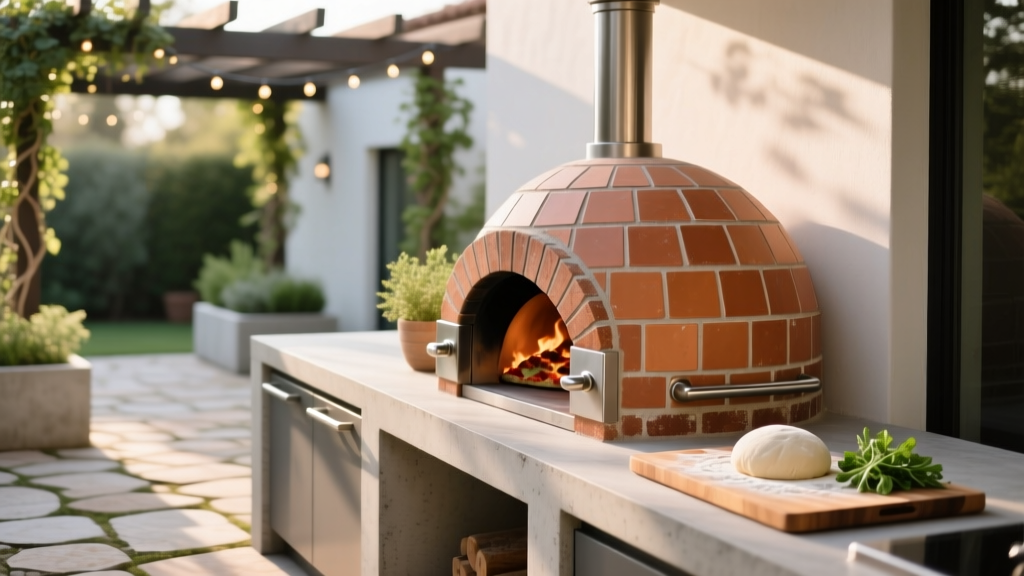 Outdoor Pizza Oven Installation Guide - The Decor Mag
 Practical Aging Safety Tips for Outdoor Living Spaces
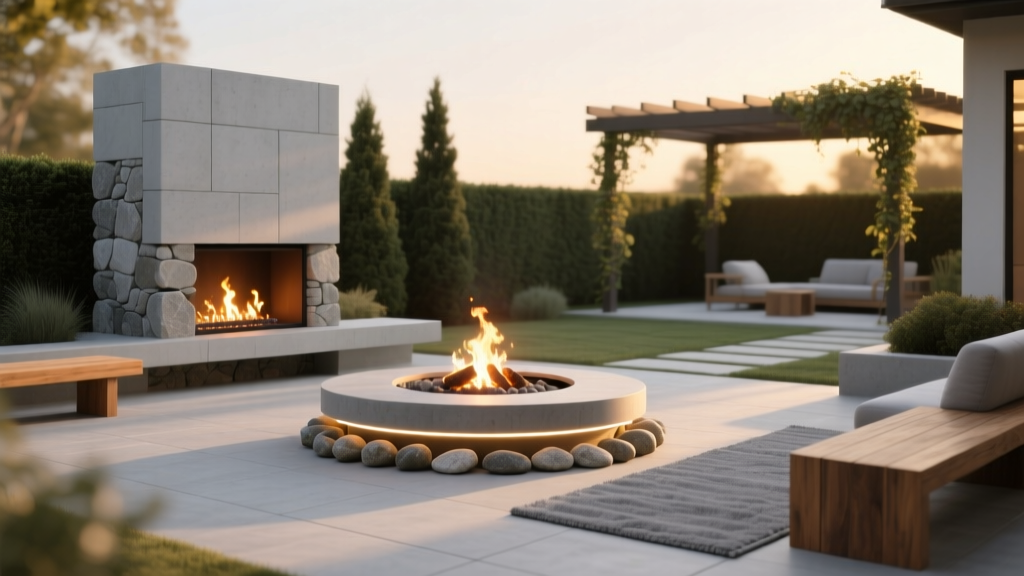 Outdoor Fireplace and Fire Pit Ideas - The Decor Mag
 Ultimate Style Guide: Designing Outdoor Living Spaces That Reflect Your Personality and Elevate Everyday Life
 Best Outdoor Rocking Chair Picks - The Decor Mag
 Outdoor Bar and Beverage Station Ideas - The Decor Mag
 Best Outdoor Bar Strainer and Shaker Rack - The Decor Mag
 Best Outdoor Glass Storage Cabinet - The Decor Mag
 Outdoor Pavilion Torch Light Placement - The Decor Mag
 Outdoor Living Style Buying Guide: Matching Aesthetics, Function, and Climate for Lasting Impact