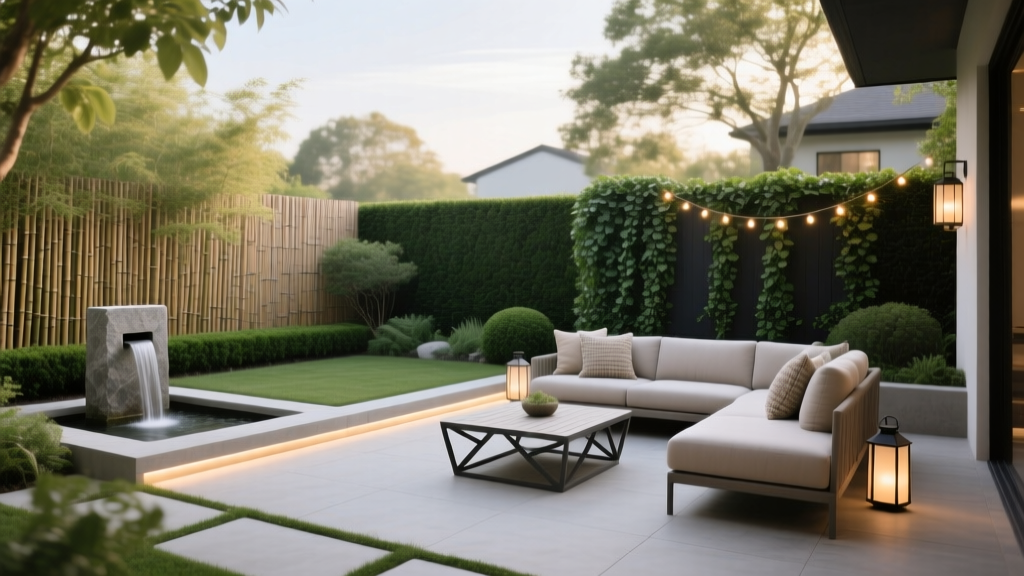
How to Create Privacy in Your Yard - The Decor Mag
A great backyard doesn’t just look beautiful—it feels comfortable. Privacy is what turns a patio into an outdoor living room, a deck into a dining destination, and a garden path into a place you actually want to linger. Whether you’re dealing with close neighbors, a corner lot, a busy street, or a second-story view into your yard, the right privacy strategy can transform how you use your outdoor space.
The best part: creating backyard privacy isn’t one-size-fits-all. You can build it with plants, screens, fencing, pergolas, curtains, shade structures, and smart layouts—often combining several approaches for a layered, natural look. The goal is to block unwanted sightlines while still letting in light, airflow, and the sense of openness that makes outdoor living so appealing.
Below, you’ll find practical, designer-approved ways to create privacy in your yard—plus plant suggestions, material recommendations, climate considerations, common mistakes to avoid, and budget ranges to help you plan with confidence.
Step 1: Identify What You’re Blocking (Sightlines, Sound, or Both)
Before buying plants or installing panels, walk your yard and take note of exactly where privacy breaks down. Most homeowners don’t need total enclosure—they need targeted screening in the right places.
Do a quick “privacy audit”
- Stand in your main outdoor living areas (patio seating, grill zone, dining area, hot tub) and look outward at eye level.
- Check from the street and neighbors’ windows, especially second-story views and raised decks next door.
- Mark problem angles using small flags, stakes, or even a phone photo from each direction.
- Decide if you need visual screening, noise reduction, or both. Dense planting helps sound a little, but true noise control may require solid barriers and water features.
Set a realistic privacy goal
- Partial privacy: Soften views and create separation while keeping a social, airy feel.
- Full privacy: Block direct lines of sight into key zones (often best achieved with layered design: fence + plants + overhead elements).
Fast Wins: Privacy Upgrades You Can Do This Weekend
If you want results quickly—especially for patio living—start with movable or surface-mounted solutions. These are ideal for renters (with permission), small yards, or homeowners who want to test a layout before committing.
1) Outdoor curtains and shade sails
- Best for: Covered patios, pergolas, gazebos, and decks.
- Materials to look for: Solution-dyed acrylic (fade-resistant), outdoor-rated polyester, stainless grommets, UV-rated shade sail fabric (HDPE).
- Design tip: Mount curtain rods high and wide to make the space feel larger; use tiebacks for flexible coverage.
- Budget range: $80–$400 for curtains and hardware; $60–$250 per shade sail (plus mounting hardware).
2) Freestanding privacy screens and planters
- Best for: Hiding a neighboring window view, screening a grill area, or creating a “room” around seating.
- Material recommendations: Powder-coated aluminum, cedar, composite, or weatherproof resin wicker. For modern yards, consider slatted aluminum panels.
- Pro layout idea: Place two screens in an L-shape behind a sectional to instantly create an outdoor living room.
- Budget range: $100–$600 per screen; $75–$250 per large planter (plus plants).
3) Oversized patio umbrellas (with side panels)
- Best for: Balconies, small patios, and dining areas needing targeted side privacy.
- What to buy: Cantilever umbrella with a heavy base (200+ lbs for windy areas), UV-rated canopy, and optional privacy drape panels.
- Budget range: $250–$1,500 depending on size and wind rating.
Built-In Privacy: Fences, Walls, and Architectural Screens
For year-round outdoor living and long-term value, structural privacy elements are hard to beat. They define your landscape design, anchor planting, and make patios feel intentional.
Fence styles that look polished (not boxed-in)
- Horizontal slat fence (cedar or ipe): Modern, clean lines; works beautifully behind lush planting.
- Board-on-board wood fence: Excellent coverage with less wind pressure than solid panels.
- Shadowbox fence: Good privacy from angles while allowing airflow—ideal in breezy climates.
- Composite fencing: Low maintenance; great for humid regions where wood weathers quickly.
Material recommendations
- Cedar: Naturally rot-resistant; stains well; a top choice for most climates.
- Redwood: Beautiful and durable in drier regions; often higher cost.
- Composite: Minimal upkeep; consistent color; higher upfront investment but long lifespan.
- Masonry or stucco wall: Best for sound reduction and a luxury finish; pair with vines or espaliered trees.
Budget ranges (installed)
- Wood fence: $25–$60 per linear foot (varies by height and region)
- Composite fence: $45–$90 per linear foot
- Masonry/stucco wall: $80–$200+ per linear foot
- Decorative screen panels (mounted): $300–$1,500+ per section
Designer detail that elevates everything
Build privacy in “zones” rather than one uninterrupted wall. For example:
- Solid fence along the most exposed boundary
- A slatted screen near the patio for style and airflow
- A planted hedge to soften the overall look
Living Privacy: The Best Plants for Screening (By Need and Style)
Privacy landscaping feels natural, boosts curb appeal, and improves your yard’s microclimate by reducing wind and glare. The key is choosing plants that match your climate, maintenance tolerance, and the level of screening you want.
Evergreen hedges (year-round privacy)
- Arborvitae (‘Green Giant’): Fast-growing, tall screen; great for larger yards. Needs room and consistent watering while establishing.
- Emerald Green arborvitae: Narrow, formal look for tighter spaces; slower than ‘Green Giant.’
- Holly (Nellie R. Stevens): Dense, glossy, and resilient; excellent for many regions.
- Podocarpus: A favorite for warm climates; tidy, elegant screening with regular pruning.
- Boxwood: Classic and formal but typically better for shorter hedges; watch for pests and airflow issues.
Flowering and mixed screening (softer, more garden-like)
- Viburnum: Many varieties offer dense growth plus seasonal blooms.
- Hydrangea (panicle types): Great for partial screening and summer drama; not evergreen in most climates.
- Wax myrtle: Excellent for coastal or sandy soils; tolerant and fragrant.
Ornamental grasses (modern, airy privacy)
- Feather reed grass (Calamagrostis): Upright, refined; adds movement and partial screening.
- Miscanthus: Taller and fuller; provides seasonal screening, especially in summer and fall.
- Switchgrass (Panicum): Native options available; drought-tolerant once established.
Climbing plants for vertical privacy
Pair climbers with trellises, pergolas, or wire systems on fences to create a lush, layered effect.
- Star jasmine: Fragrant, evergreen in mild climates; ideal near seating areas.
- Clematis: Gorgeous blooms; often deciduous—great for seasonal interest.
- Climbing roses: Romantic and classic; needs sun and pruning.
- Virginia creeper: Fast coverage and stunning fall color; can be aggressive—use with care.
Planting spacing and layout tips
- Stagger plants in a zig-zag row for faster, fuller coverage than a single straight line.
- Plan for mature width to avoid overcrowding and disease issues.
- Use layers: tall evergreens in back, flowering shrubs in front, grasses/perennials at the edge.
- Mulch and irrigation: A 2–3 inch mulch layer plus drip irrigation makes hedges establish faster with less maintenance.
Privacy Through Layout: Create Outdoor “Rooms”
Some of the best backyard privacy comes from smart outdoor design—not just taller fences. If your patio is centered in the yard with no structure around it, it will always feel exposed. Shifting the layout can change everything.
Design approaches that feel intentional
- Turn seating away from neighbors: Orient your sectional, lounge chairs, or dining table so the “open” view faces your garden, not someone else’s kitchen window.
- Create a backdrop: Place a pergola, screen, or tall planting behind your main seating area.
- Use pathways as visual separators: A stepping-stone path plus planting beds can make a yard feel larger while increasing privacy.
- Add a focal point: A fire pit, water bowl fountain, or sculpture draws the eye inward, reducing attention to the perimeter.
Furniture that helps create privacy
- Sectional sofa with a high back: Adds psychological privacy and helps define a room-like space.
- Outdoor daybed or cabana lounge: Built-in shade and side panels create instant retreat vibes.
- Dining sets with an anchored rug + planters: An outdoor rug visually “bounds” the space; planters at corners feel like gentle walls.
Budget range: $600–$3,500 for quality patio furniture groupings; $150–$600 for large outdoor rugs; $200–$1,200 for pergola kits (not installed) and $3,000–$10,000+ installed depending on size/material.
Climate and Maintenance Considerations (So Your Privacy Lasts)
Privacy features live outdoors year-round. Choosing the right materials and plants for your climate prevents warping, dieback, and constant repairs.
Hot, sunny climates
- Choose UV-stable materials (powder-coated aluminum, HDPE lumber, solution-dyed fabrics).
- Opt for drought-tolerant privacy plants once established (many native shrubs, certain ornamental grasses, desert-adapted hedges).
- Use drip irrigation and deeper mulch to reduce water loss.
Cold winters and snow loads
- Avoid narrow evergreens that can splay under snow unless you plan to wrap or tie them in winter.
- Choose freeze-thaw resistant hardscape and consider slatted screens that shed wind and snow.
- For year-round interest, mix evergreens with decorative branches, berries, and grasses that look good in winter.
Humid or coastal regions
- Select rot- and corrosion-resistant materials: cedar, composite, stainless hardware, aluminum.
- Plan spacing for airflow to reduce mildew on fences and fungal issues in hedges.
- Rinse salt spray off hardware and metal furniture periodically.
Maintenance reality check
- Hedges: Expect 1–3 trims per year depending on plant and desired formality.
- Wood screens/fences: Stain/seal every 2–4 years in many climates (more sun exposure = more frequent).
- Composite/aluminum: Usually just seasonal washing.
Common Mistakes to Avoid
- Planting too close: Overcrowded hedges become thin, stressed, and disease-prone. Respect mature widths.
- Choosing fast-growing plants without a plan: Some quick screens can become unmanageable or invasive. Balance speed with long-term maintenance.
- Building a “solid wall” everywhere: It can trap wind, feel oppressive, and create shadowy dead zones for plants. Use zones and layers.
- Ignoring local codes and HOA rules: Fence height limits, setbacks, and easements can derail a project. Confirm before you buy materials.
- Forgetting the view from indoors: Your privacy solution should look good from kitchen and living room windows, not just outside.
- Skipping lighting: A private yard should still feel inviting at night. Add warm LED path lights, uplights on trees, or string lights under a pergola.
A Simple Privacy Plan You Can Follow
- Choose your primary outdoor living zone: patio, deck, or garden seating area.
- Block the top 1–2 sightlines first: use a screen panel, tall planter, or curtain for immediate relief.
- Add a long-term layer: hedge, trellis with vines, or a fence upgrade.
- Soften with planting: mixed shrubs, grasses, and perennials for a natural, landscaped look.
- Finish with comfort: outdoor rug, lighting, and furniture layout that faces inward.
FAQ: Creating Privacy in Your Yard
What is the cheapest way to add privacy to a backyard?
Fast, budget-friendly options include outdoor curtains on an existing covered patio, a shade sail, or a pair of freestanding privacy screens. For landscaping, a line of ornamental grasses or mixed shrubs is often cheaper upfront than a new fence, though it may take a season or two to fill in.
What plants are best for year-round privacy?
Evergreens are the go-to for year-round screening. Popular options include arborvitae varieties, hollies, and podocarpus (in warm climates). Choose based on your region, sunlight, and how wide you can let the plants grow at maturity.
How tall should a privacy fence be for a patio?
For patio privacy, many homeowners prefer 6 feet for boundary fencing, with 6–8 feet panels or screens near seating areas where codes allow. Always check local regulations and HOA guidelines before increasing height.
How can I get privacy without blocking light and airflow?
Use slatted screens, lattice with vines, ornamental grasses, or staggered plantings. These approaches diffuse views while keeping the yard bright and breezy—ideal for comfortable summer patio living.
How long does it take for a privacy hedge to grow in?
It depends on species, starting size, and care. Many hedges begin providing noticeable screening in 1–3 years, with fuller privacy in 3–5 years. Consistent watering during the first growing season, mulching, and proper spacing make a big difference.
What’s the best privacy solution for a windy yard?
Avoid large solid walls that act like sails. Consider a board-on-board fence, shadowbox fence, or slatted panels that let some wind pass through. For plants, choose sturdy shrubs and flexible grasses, and ensure new trees are properly staked only as needed.
Next Steps: Turn Privacy Into a Backyard You’ll Actually Use
Start by identifying the exact views you want to block, then choose a mix of quick fixes (screens, curtains, planters) and long-term upgrades (fencing, hedges, pergolas). A layered approach creates the most natural-looking privacy—and the most inviting outdoor living space—across every season, from summer dinners on the patio to cozy fall evenings by the fire pit..related-articles{margin:48px 0 24px;padding-top:32px;border-top:1px solid #e5e5e5;}.related-articles h3{font-size:1.1rem;font-weight:600;margin-bottom:16px;color:#333;}.related-list{display:flex;flex-direction:column;gap:10px;}.related-list a{display:flex;align-items:center;gap:12px;text-decoration:none;color:#222;padding:10px;border-radius:8px;transition:background 0.15s;}.related-list a:hover{background:#f5f5f5;}.related-list img{width:64px;height:48px;object-fit:cover;border-radius:6px;flex-shrink:0;}.related-list span{font-size:.9rem;line-height:1.4;}
More Articles
 Outdoor Pergola Post Base Options - The Decor Mag
 How to Design a Kitchen Garden Layout - The Decor Mag
 Best Rooms Bathroom: Design Excellence, Functionality, and Real-World Performance
 Safety Alternatives to Aging: Practical, Evidence-Based Outdoor Living Solutions for Older Adults
 Best Outdoor Nesting Chair Sets - The Decor Mag
 Best Outdoor Drink Tray Cart Ideas - The Decor Mag
 How to Design a Pollinator Pathway - The Decor Mag
 How to Design a Dragonfly Garden - The Decor Mag
 Best Outdoor Bar Chip and Dip Station - The Decor Mag
 How to Design a Drought-Tolerant Landscape - The Decor Mag