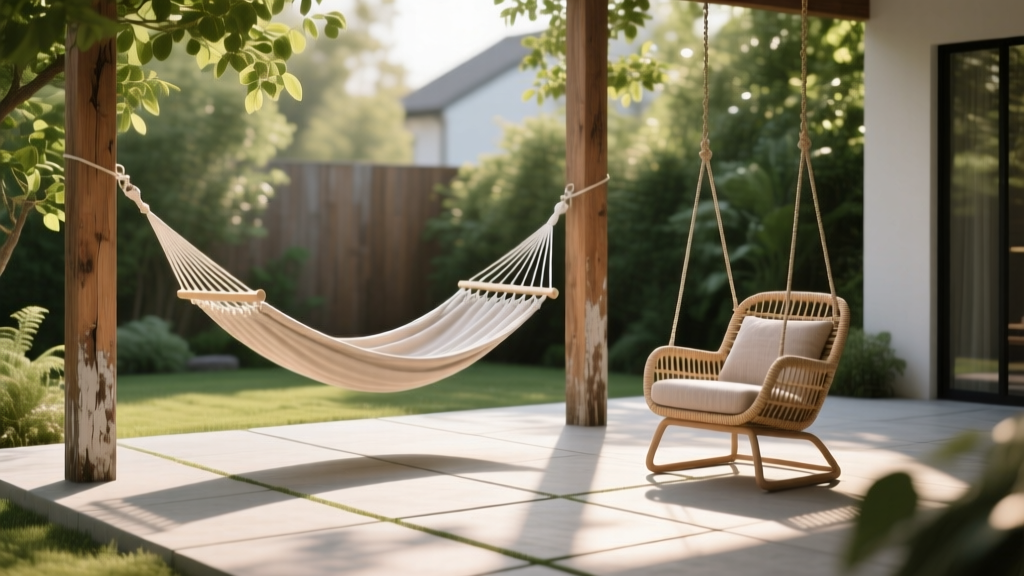
Outdoor Hammock and Swing Ideas - The Decor Mag
A great outdoor living space isn’t just about having a patio set—it’s about creating a place you genuinely want to linger. Hammocks and outdoor swings do that almost instantly. They invite you to slow down, put your feet up, and enjoy your garden, yard, or deck the way it was meant to be enjoyed.
From a design perspective, hammocks and swings also solve a common patio problem: seating that feels stiff or “too formal.” A gently swaying seat adds movement, comfort, and a resort-like vibe without demanding a major remodel. With the right placement, materials, and landscaping, these pieces can turn even a small backyard into a year-round outdoor retreat.
Below you’ll find practical hammock and swing ideas—plus furniture and plant pairings, installation tips, budget ranges, climate considerations, and the common mistakes that trip homeowners up.
Choose the Right Style for Your Outdoor Space
1) Classic Rope Hammocks (Best for breezy, casual lounging)
Rope hammocks feel timeless and airy, especially in warm climates. They look great in coastal landscaping, tropical gardens, and relaxed backyard settings.
- Best materials: Solution-dyed acrylic rope, polyester rope (handles moisture better than cotton)
- Look for: UV resistance, hardwood spreader bars (teak or eucalyptus), rust-resistant hardware
- Ideal placement: Part sun, with a shade tree nearby to keep the ropes cooler
Budget range: $60–$250 for hammock only; $120–$400 with a stand
2) Quilted Fabric Hammocks (Best for comfort and longer naps)
If you want “outdoor bed” comfort, quilted hammocks deliver. They’re also easier on skin than rope styles.
- Best materials: Solution-dyed acrylic fabric (Sunbrella-type), quick-dry foam fill
- Pro tip: Choose lighter colors for sunny patios to reduce heat absorption
Budget range: $120–$450; premium designer options can reach $800+
3) Hammock Chairs (Best for small patios, balconies, and porches)
A hammock chair gives you the relaxed swing feeling with a smaller footprint—perfect for tight outdoor living spaces.
- Best materials: Weather-resistant canvas, olefin, or acrylic; powder-coated steel frames
- Where it shines: Apartment patios, covered porches, pergola corners, reading nooks
Budget range: $50–$250; with a freestanding stand $150–$450
4) Porch Swings (Best for classic curb appeal and family seating)
Porch swings are a front-porch staple, but they also work beautifully under a pergola or on a covered patio. They provide structured seating that still feels playful.
- Best materials: Teak, cedar, cypress, acacia, recycled plastic lumber (polywood-style)
- Hardware recommendation: Stainless steel or hot-dipped galvanized chains and eye bolts
Budget range: $200–$900; custom swings $1,000–$2,500+
5) Hanging Daybeds and Swing Beds (Best for resort-style backyard design)
If your goal is a luxury outdoor lounge, a swing bed is the showstopper. It becomes an outdoor “room” all by itself.
- Best materials: Powder-coated aluminum frames, marine-grade rope, teak accents, outdoor performance cushions
- Best setting: Under a pergola, pavilion, or sturdy covered structure
Budget range: $700–$3,500+ (plus installation and structure reinforcement if needed)
Placement and Layout: Where Hammocks and Swings Look (and Feel) Best
Create a Dedicated “Sway Zone”
Movement needs clearance. Designate an area where a swing won’t bump planters, side tables, or railings. For patios and decks, leave open space in front and behind the swing path.
- Porch swings: Plan for at least 24–36 inches of clearance behind and in front
- Hammock chairs: Keep a 24-inch radius around the chair for easy entry/exit
- Full hammocks: Ensure the “hang” doesn’t cross walkways or door paths
Design Pairings That Always Work
Match your hammock or swing to an outdoor living layout for a cohesive, designer look:
- Fire pit lounge: Add a hammock chair as “extra seating” slightly outside the main circle
- Poolside retreat: Choose a quilted hammock or hanging daybed with quick-dry cushions
- Garden nook: Place a rope hammock between trees with fragrant plantings nearby
- Outdoor dining area: Use a hammock chair in a separate corner so the dining zone stays functional
Shade Planning for Year-Round Outdoor Living
In summer, shade is comfort. In cooler seasons, a sunnier placement extends your outdoor time.
- Flexible shade solutions: Pergolas with retractable canopies, shade sails, large cantilever umbrellas
- Cold-season comfort: Position swings where they catch afternoon sun, and add outdoor throws you can store in a deck box
Materials and Hardware: What Holds Up Outdoors
Best Frame and Stand Materials
- Powder-coated steel: Budget-friendly, strong; choose high-quality coating to prevent rust
- Aluminum: Lightweight and corrosion-resistant—excellent for humid climates and pool areas
- Wood (teak, cedar, eucalyptus): Warm, natural look; requires seasonal care depending on finish
Ropes, Chains, and Hanging Kits
Hardware is where outdoor projects fail first. For safe, long-lasting patio living:
- Go-to metals: Stainless steel (best), hot-dipped galvanized (very good), avoid basic plated hardware outdoors
- Rope picks: Marine-grade polyester rope for strength and weather resistance
- Tree straps: Use wide straps designed for hammocks to protect bark and reduce damage
Deck and Ceiling Mounting (Safety First)
If you’re hanging from a porch ceiling or pergola, confirm you’re attaching to a structural beam—not decorative trim. When in doubt, hire a contractor for reinforcement.
- Best practice: Use rated hardware and follow manufacturer load limits
- Comfort upgrade: Add a spring or swivel rated for outdoor use to smooth the motion
Landscaping and Plant Ideas to Make It Feel Intentional
Plants That Pair Beautifully with Hammocks and Swings
The goal is to create a soft “backdrop” and a bit of enclosure—like an outdoor room.
- For fragrance near a swing: Lavender, jasmine (in warm climates), rosemary, gardenia (humid/subtropical)
- For privacy screening: Clumping bamboo (non-invasive varieties), arborvitae, podocarpus, or tall ornamental grasses
- For a modern landscape look: Boxwood or yaupon holly (shaped), agave (warm/dry), lomandra, sedum
- For cottage-garden charm: Hydrangea (where suitable), salvia, coneflower, coreopsis, catmint
Groundcover and Underfoot Comfort
Comfort matters, especially if you step out barefoot.
- Under a hammock stand: Pea gravel, decomposed granite, or pavers for stability and drainage
- For softness: Outdoor rugs on patios, or a small patch of tough turfgrass (or microclover) in the yard
- In wet climates: Avoid muddy zones by adding a simple paver pad or crushed stone base
Lighting for Evening Patio Living
Extend the use of your outdoor lounge after sunset.
- Warm lighting (most flattering): 2700K LED string lights or sconces
- Path and garden lighting: Low-voltage LED path lights around the lounge zone
- Ambience boost: Lanterns with LED candles on side tables (safer than open flame near fabric)
Design Ideas by Space Type
Small Patio or Balcony: The Vertical Lounge
- Choose a hammock chair with stand or a ceiling-hung chair if the structure allows
- Use a slim side table (12–16 inches wide) for drinks and a book
- Add tall planters with evergreen screening like dwarf conifers or clumping grasses
Budget range: $150–$600 for chair/stand, rug, small table, and a pair of planters
Backyard Garden: The Hidden Retreat
- Hang a classic hammock between two mature trees using tree-safe straps
- Create a simple border with mulch + flowering perennials to define the nook
- Add a stepping-stone path so the lounge feels “discovered,” not randomly placed
Budget range: $120–$800 depending on path materials and planting size
Deck or Covered Porch: The All-Season Hangout
- Install a porch swing with outdoor cushions in performance fabric
- Layer comfort: outdoor rug, throw pillows, and a storage bench for blankets
- Include a heat source for shoulder seasons: tabletop heater (covered areas) or a nearby fire pit (open-air)
Budget range: $400–$2,000+
Poolside: Quick-Dry, Low-Rust Choices
- Pick aluminum frames and quick-dry cushions to handle splashes
- Choose solution-dyed acrylic for fade resistance under intense sun
- Rinse hardware occasionally if you’re near saltwater or using chlorine frequently
Budget range: $300–$2,500+
Seasonal and Climate Considerations
Hot, Sunny Climates
- Prioritize UV-resistant fabrics and lighter colors to reduce heat
- Add shade: pergola slats, shade sail, or a cantilever umbrella
- Use desert-friendly plants: agave, lantana, rosemary, yucca (based on your region)
Humid or Rainy Regions
- Choose aluminum or high-quality powder-coated frames
- Look for quick-dry foam and breathable cushion construction
- Plan drainage under stands with gravel or pavers to prevent sinking and mildew
Cold Winters and Four-Season Yards
- Opt for swings with removable cushions you can store indoors
- Use furniture covers that breathe (avoid trapping moisture)
- In snow zones, consider a freestanding stand you can move into a garage or shed
Maintenance Tips to Keep Everything Looking New
- Monthly: Check bolts, eye hooks, and chain links for wear; tighten as needed
- Seasonally: Wash fabrics with mild soap and water; let fully dry before storing
- Wood care: Teak can weather to silver-gray; use teak oil only if you want to maintain a warmer tone
- Mildew prevention: Avoid leaving cushions on shaded swings during long wet stretches
Common Mistakes to Avoid
- Hanging from non-structural supports: Decorative beams and trim boards can fail—always mount to structural framing
- Ignoring clearance: A swing that bumps a wall, railing, or planter becomes frustrating fast
- Buying indoor fabrics for outdoors: They fade, mildew, and deteriorate quickly
- Forgetting the “landing zone”: Add a side table, outdoor rug, or stepping stones so the area feels finished
- Poor hardware choices: Basic plated screws and hooks corrode; upgrade to stainless or hot-dipped galvanized
FAQ: Outdoor Hammocks and Swings
What’s the best hammock material for outdoor use?
For long-term patio living, choose solution-dyed acrylic or polyester fabrics and ropes. They resist fading and handle moisture better than cotton. If you love the look of rope, marine-grade polyester rope is a durable upgrade.
Do I need a stand, or can I hang a hammock from trees?
You can do either. Trees work well if they’re healthy and properly spaced—use wide tree straps to protect bark. A stand is ideal for flexibility, renters, or patios without suitable anchor points.
How do I keep an outdoor swing from squeaking?
Squeaks usually come from metal-on-metal contact or weathered hardware. Use outdoor-rated swivels/springs, tighten fasteners, and apply a manufacturer-approved lubricant where appropriate. Also confirm chains aren’t rubbing against sharp edges.
What plants work best around a hammock area?
Try a mix of structure and softness: ornamental grasses for movement, evergreens for privacy, and fragrant plants like lavender or rosemary nearby. Match plant choices to your climate zone and sunlight conditions.
How can I make a hammock setup look more “designed”?
Add three elements: (1) a defined base like gravel, pavers, or an outdoor rug, (2) a small side table or stool, and (3) a backdrop of layered plants or a simple screen (trellis, tall planters, or shrubs).
Next Steps: Build Your Outdoor Lounge Plan
Start by choosing the style that fits your space—hammock chair for small patios, porch swing for covered areas, or a full hammock for a garden retreat. Then plan your “sway zone” clearance, pick weather-ready materials, and finish the scene with lighting, a small table, and plants that add privacy and seasonal interest. With a few smart choices, your backyard can feel like a getaway in every season.
For more outdoor design, landscaping, and patio living inspiration, explore fresh ideas and guides on thedecormag.com.
More Articles
 How to Create a Lasagna Garden Bed - The Decor Mag
 How to Design a Rooftop Terrace - The Decor Mag
 How to Create a Bird Friendly Garden - The Decor Mag
 Outdoor Kitchen Countertop Materials - The Decor Mag
 Outdoor Pizza Oven Installation Guide - The Decor Mag
 Best Pergola and Shade Structure Ideas - The Decor Mag
 How to Design a Rain Garden - The Decor Mag
 Best Outdoor Bar Fruit Bowl Display - The Decor Mag
 Outdoor Shower Design Ideas - The Decor Mag
 Cheap vs Premium Precision in Outdoor Living: What Really Matters for Durability, Safety, and Long-Term Value