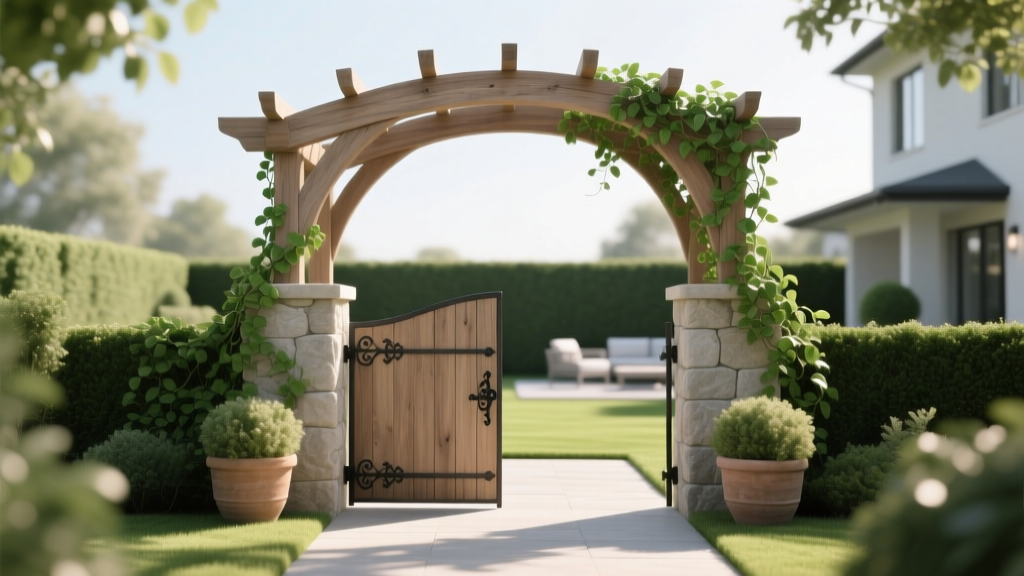
Outdoor Arbor and Gate Design Ideas - The Decor Mag
An arbor or garden gate does more than mark an entry point—it sets the tone for your entire outdoor living space. Whether you’re designing a cozy backyard patio, a lush cottage garden, or a clean-lined modern landscape, the right arbor and gate combination creates structure, privacy, and that satisfying sense of “arrival” that makes outdoor spaces feel intentional.
These features also work hard behind the scenes: they can guide foot traffic, hide utility areas, frame views, support climbing plants, and create a transition from the front yard to the backyard or from lawn to patio living. A well-placed arbor can even make a small yard feel bigger by adding height and layers.
Below you’ll find practical outdoor arbor and gate design ideas—plus material recommendations, plant pairings, layout tips, climate considerations, and common mistakes to avoid—so you can build an entry that looks great in every season and holds up year after year.
Start With the “Why”: What Do You Want Your Arbor and Gate to Do?
Before choosing a style, decide what the structure needs to accomplish. This keeps you from overspending on the wrong materials or ending up with a gate that looks great but doesn’t function well for daily patio and garden use.
Common goals for arbors and gates
- Create a focal point: Frame a garden path, patio entrance, or vegetable garden.
- Add privacy: Screen a hot tub area, side yard, or trash bins.
- Define zones: Separate lawn from outdoor dining, or play area from planting beds.
- Support plants: Provide a strong trellis for vines like clematis or climbing roses.
- Boost curb appeal: Dress up a front garden gate or side entry.
- Improve flow: Create a clear, welcoming route to the patio or backyard.
Quick sizing guidelines
- Walkway width: Aim for 36–48 inches clear width for comfortable passage (wider if you move wheelbarrows).
- Arbor height: 7–8 feet clearance feels generous and keeps vines from brushing heads.
- Gate width: 36 inches for standard access; 48–60 inches for mower/utility access; consider double gates for large openings.
Popular Outdoor Arbor Styles (and Where They Work Best)
1) Classic wood arbor for cottage and traditional gardens
A wood arbor instantly softens a landscape and pairs beautifully with garden paths, picket fences, and layered planting beds. It’s also one of the easiest styles to personalize with trim details.
- Best materials: Cedar (naturally rot-resistant), redwood (premium), or pressure-treated pine (budget-friendly).
- Design tip: Add a gentle arch or decorative lattice sides for climbing plants.
- Looks great with: Brick paths, flagstone walkways, classic outdoor furniture like a teak bench nearby.
2) Modern metal arbor for clean-lined patio living
Powder-coated steel or aluminum arbors suit contemporary outdoor design, especially around minimalist patios, geometric pavers, and sleek privacy screens.
- Best materials: Powder-coated aluminum (low maintenance), galvanized steel (durable), or black powder-coated steel (high impact).
- Design tip: Keep the silhouette simple—rectangular posts, flat top, and intentional negative space.
- Looks great with: Concrete pavers, gravel gardens, modern outdoor sectionals, and architectural grasses.
3) Pergola-style arbor for outdoor rooms
If your goal is year-round outdoor living, a pergola-style arbor at the patio edge can function like a mini transition pergola—creating an entry to your dining or lounge zone.
- Best materials: Cedar, fiberglass (very stable and paintable), or aluminum (ultra-low maintenance).
- Design tip: Add a slatted roof for dappled shade, then layer in outdoor curtains or side panels for privacy.
- Looks great with: Outdoor dining sets, string lighting, and container gardens anchoring the posts.
4) Rustic arbor and gate for natural landscapes
Rustic doesn’t have to mean flimsy. When done right, it feels like it belongs in the landscape—perfect for woodland edges, meadow-style gardens, or a relaxed backyard retreat.
- Best materials: Rough-sawn cedar, reclaimed wood (sealed properly), or weathering steel accents.
- Design tip: Use asymmetry carefully—keep post placement and gate swing precise, even if the style feels organic.
Gate Design Ideas That Balance Style and Security
Choose a gate type that fits daily life
- Single swing gate: Best for most garden paths and side yards.
- Double gate: Ideal for wide drive-side entries, equipment access, or to create a grand garden entrance.
- Sliding gate (track or cantilever): Great for tight spaces where a swing would hit plants or patio furniture.
- Self-closing gate: Smart for pool areas, pet zones, and child safety.
Hardware that actually lasts outdoors
Gate hardware is where many projects fail—sagging gates, sticky latches, rusted hinges. Choose quality components designed for exterior exposure.
- Hinges: Stainless steel or hot-dip galvanized, with adjustable tension if possible.
- Latches: Two-sided thumb latch for convenience; consider a lockable latch for side-yard security.
- Gate frame: Add a diagonal brace to prevent sag (especially on wood gates).
Materials: What to Use for Arbors and Gates (With Budget Ranges)
Wood
- Cedar: Great longevity, pleasant natural look, moderate maintenance.
- Redwood: Premium, beautiful grain, higher cost.
- Pressure-treated pine: Budget-friendly, must be sealed/painted for best life.
Typical budget: $250–$900 for pre-made arbors; $400–$2,500+ for custom builds depending on size and details.
Metal
- Powder-coated aluminum: Lightweight, rust-resistant, excellent for humid or coastal climates.
- Steel (powder-coated/galvanized): Strong, great for security, needs quality coating to resist rust.
Typical budget: $400–$1,500 for prefab metal arbors; $800–$4,000+ for custom fabricated gates and arbors.
Vinyl and composite
- Vinyl: Low maintenance, consistent look, can feel less “natural” in lush gardens.
- Composite: More wood-like appearance, stable, often higher price.
Typical budget: $300–$1,200 for prefab options; custom pricing varies widely by brand and finish.
Fiberglass (a designer favorite)
Fiberglass columns and arbors are extremely stable (less warping than wood), paintable, and excellent for wet climates.
Typical budget: $800–$3,500+ depending on scale and accessories.
Plant Pairings: Best Vines and Greenery for Arbors and Gates
The right plants make an arbor feel integrated into the landscape design. Choose vines based on your climate, sun exposure, and how much maintenance you want.
Top climbing plants (by vibe and effort)
- Romantic blooms: Climbing roses (choose disease-resistant varieties), clematis (pairs beautifully with roses), wisteria (only with a very strong structure).
- Fragrance: Star jasmine (warm climates), honeysuckle (choose non-invasive varieties).
- Fast coverage: Trumpet vine (can be aggressive), Virginia creeper (vigorous), climbing hydrangea (slow start, stunning later).
- Edible options: Grapes, hardy kiwi (vigorous), espaliered fruit nearby for a productive garden entry.
Smart planting tips for healthy growth
- Plant 12–18 inches away from posts so roots aren’t cramped by footings and soil stays workable.
- Install plant supports early (wire trellis, eye hooks) so vines attach cleanly without tangling hardware.
- Mulch and drip irrigate for steady growth—especially near patios where soil can dry quickly.
- Plan for pruning access so gates still open freely and paths remain clear.
Layout Ideas: Where to Put an Arbor and Gate for Maximum Impact
Frame a destination
Arbors look best when they lead somewhere: a fire pit patio, a garden bench, a water feature, or an outdoor dining space.
- Align the arbor with the end of a path or a strong sightline from the back door.
- Use matching planters or low hedges to “funnel” the approach.
Create a side-yard upgrade
Side yards often feel like utility corridors. A simple gate and arbor can turn that zone into a charming garden passage with stepping stones, gravel, and layered planting.
- Add wall-mounted lighting or low-voltage path lights for evening patio access.
- Use narrow, upright plants (boxwood, dwarf grasses) to keep the walkway open.
Define a kitchen garden
A gate entry to raised beds makes the edible garden feel like a “room.” This is one of the highest-impact projects for homeowners who want structure and function.
- Choose a latch that’s easy to open with full hands (produce basket-friendly).
- Consider a wider gate (42–48 inches) for wheelbarrow access.
Seasonal Design for Year-Round Outdoor Living
- Spring: Plan bulbs and early bloomers near the entry (tulips, daffodils) so the gate feels welcoming after winter.
- Summer: Add shade cues—slatted tops, climbing vines, and an outdoor bench just beyond the arbor for a cool pause.
- Fall: Use warm-toned containers (mums, ornamental kale) and grasses for movement around the gate approach.
- Winter: Keep structure attractive without leaves—evergreen shrubs, winter-blooming camellias (mild climates), and battery-operated or low-voltage lighting for long nights.
Climate and Maintenance Considerations
Hot, dry climates
- Choose powder-coated aluminum or cedar for durability.
- Prioritize drip irrigation for vines; reflected heat from pavers can stress plants.
- Great plant picks: bougainvillea (warm zones), grape vines, certain climbing roses with heat tolerance.
Humid or rainy climates
- Opt for fiberglass, cedar, or galvanized/powder-coated metal.
- Avoid untreated wood; use exterior-rated stain/paint and keep bases off constantly wet soil.
- Great plant picks: climbing hydrangea, star jasmine (warm zones), clematis (with airflow).
Cold/snowy climates
- Set posts below the local frost line to prevent heaving.
- Allow clearance for snow buildup so gates can still swing.
- Choose hardware rated for freeze/thaw; lubricate hinges seasonally.
Coastal climates
- Use marine-grade stainless hardware and aluminum or fiberglass structures when possible.
- Rinse metal surfaces occasionally to reduce salt buildup.
Common Mistakes to Avoid
- Undersized posts: Thin posts look delicate but warp or wobble. For most arbors, 4x4 is minimum; 6x6 feels substantial for larger spans.
- Weak footings: Shallow footings lead to leaning. Use proper depth and drainage, especially in freeze/thaw regions.
- Ignoring gate swing clearance: Don’t let the gate collide with planters, steps, or patio furniture.
- Choosing vines that overpower the structure: Wisteria and some trumpet vines need heavy-duty framing and consistent pruning.
- Cheap hardware: Rusty hinges and sagging latches ruin the experience fast—spend a little more here.
- No lighting plan: A dark gate area feels unwelcoming. Add solar path lights, low-voltage fixtures, or sconces for safety and ambiance.
Practical Design Upgrades That Make a Big Difference
- Outdoor lighting: Place a downlight above the gate, or install two path lights leading up to it.
- Integrated seating: Add a small bench just inside the arbor to create a destination.
- Planters at the base: Use matching containers to anchor the entry (try terracotta for traditional, matte black for modern).
- Matching fence panels or screens: Tie the gate design into nearby privacy screens for a cohesive outdoor living space.
- Weatherproof finish: Use exterior stain with UV inhibitors or high-quality paint; recoat on a predictable schedule.
FAQ: Outdoor Arbor and Gate Design Ideas
What’s the best material for a low-maintenance garden gate?
Powder-coated aluminum with stainless steel hardware is one of the lowest-maintenance options, especially in humid or coastal climates. Vinyl is also low maintenance, but aluminum tends to look more refined in modern landscape design.
How much does it cost to install an arbor and gate?
Budget-friendly prefab setups can run $300–$1,200 (plus installation). Custom wood or metal builds with quality footings, hardware, and finishes often land in the $1,500–$5,000+ range depending on size, site conditions, and design detail.
Which vines are easiest to maintain on an arbor?
Clematis (with the right pruning group), star jasmine in warm climates, and many climbing roses labeled disease-resistant are solid choices. Avoid extremely vigorous vines unless you’re ready to prune regularly.
How do I stop a wooden gate from sagging?
Use a rigid frame, add a diagonal brace, install high-quality adjustable hinges, and make sure posts are set plumb in proper footings. Sagging is usually a combination of weak structure and hardware.
Should my arbor match my patio or my house?
Aim for harmony with both: match the finish and style language of the house (modern vs. traditional), and echo patio materials (black metal accents, warm wood tones, or stone colors) so the outdoor living space feels connected.
Can I put an arbor over a paver walkway?
Yes, but plan the footings carefully. Often, you’ll cut and remove pavers where posts land and pour proper concrete footings below. In freeze/thaw climates, footing depth matters even more.
Your Next Steps: Plan, Place, and Build with Confidence
Pick one clear goal—privacy, structure, plant support, or a more welcoming patio entrance—then choose a material that fits your climate and maintenance style. Sketch the approach path, confirm widths and gate swing clearance, and invest in durable hardware. Finish with lighting and plantings that look great from spring through winter, and your arbor and gate will feel like a natural extension of your outdoor living space.
For more patio ideas, landscaping inspiration, and outdoor design guides, explore the latest at thedecormag.com.
More Articles
 Outdoor Kitchen Flat Top Grill Setup - The Decor Mag
 How to Create a Succulent Garden - The Decor Mag
 Safety vs Living: Reconciling Outdoor Security with Authentic Lifestyle Experience
 Outdoor Kitchen Countertop Materials - The Decor Mag
 Trends for Height: Elevating Outdoor Living with Smart Vertical Design
 Best Outdoor Bar Cutting Board Station - The Decor Mag
 How to Design a Hummingbird Garden - The Decor Mag
 Poolside Design and Decor Ideas - The Decor Mag
 Rooms vs Headboard: Understanding the Critical Distinction in Outdoor Living Design
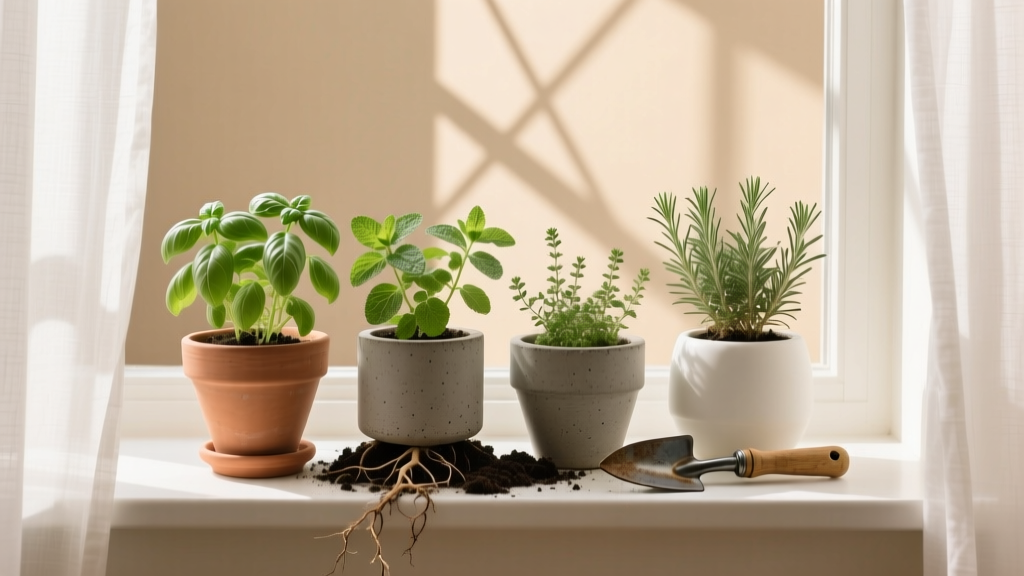 How to Create a Container Herb Garden - The Decor Mag