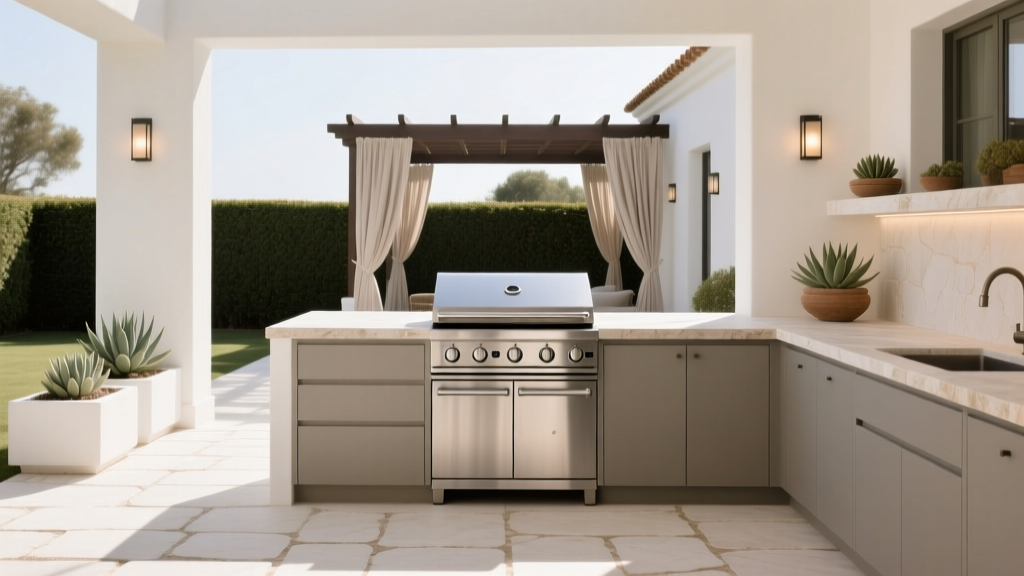
Outdoor Kitchen Flat Top Grill Setup - The Decor Mag
A flat top grill changes the way you use your backyard. Instead of grilling being a once-in-a-while event, it becomes the centerpiece of patio living—quick weeknight fajitas, Saturday smash burgers, or a full brunch spread with pancakes and eggs while guests gather around. When the setup is designed well, an outdoor kitchen flat top grill station feels as natural as your indoor kitchen, only better: more fresh air, more room to socialize, and a stronger connection to your garden and landscape.
Homeowners are also leaning into year-round outdoor living, and the flat top is uniquely suited for it. It heats fast, handles a wide range of foods, and supports crowd-friendly cooking without multiple pans and burners. Pair it with smart outdoor kitchen design—weather-ready materials, comfortable seating, and lighting that extends the evening—and your patio becomes a true destination.
This guide breaks down how to plan, build, and style an outdoor kitchen flat top grill setup that looks polished, works efficiently, and holds up through the seasons.
Why a Flat Top Grill Belongs in Your Outdoor Kitchen
A flat top (griddle-style) grill offers a different cooking experience than a traditional gas grill. It’s all about surface area, temperature zones, and quick service—ideal for entertaining on patios, pool decks, and garden-facing terraces.
Best use cases for flat tops
- Entertaining: Cook for a crowd without juggling cookware.
- Weeknight meals: Fast preheat and easy-to-plan menus.
- Mixed diets: Separate zones for veggies, proteins, and gluten-free items.
- Breakfast outdoors: Pancakes, bacon, eggs, hash browns—no smoke-filled kitchen.
Flat top vs. traditional grill: design implications
- Less flare-up risk means you can place it closer to seating than a charcoal setup (still maintain safe clearances).
- More grease management requires a thoughtful drip/grease disposal plan and easy cleaning access.
- Wind matters more: the broad cooking surface can lose heat in breezy sites, so placement and wind breaks help.
Planning Your Outdoor Kitchen Layout Around the Flat Top
The best outdoor kitchen layouts follow the same logic as indoor kitchens: zones for prep, cooking, serving, and cleanup. With a flat top, you’ll also want “landing space” on both sides for trays and tools.
Choose a layout style that fits your yard
- Straight-line kitchen: Great for smaller patios and narrow side yards. Budget-friendly because it uses one run of cabinetry/counter.
- L-shape: Ideal for separating prep from cooking and creating a natural gathering corner.
- U-shape: Best for serious entertainers; maximizes counter space and keeps traffic out of the cook zone.
- Island-style: Social and open; works well near pools and modern patio living spaces.
Recommended dimensions (practical standards)
- Counter height: 36 inches is typical; consider 38 inches if you’re tall and cook often.
- Landing space: Aim for 18–24 inches of counter on each side of the flat top.
- Walkways: Minimum 36 inches clear; 42–48 inches if guests will circulate behind the cook.
- Ventilation clearance: Follow manufacturer specs; allow extra overhead clearance if under a pergola or covered patio.
Placement tips for comfort and safety
- Position the cooking area out of prevailing wind or add a wind screen (tempered glass panel, masonry side wall, or slatted privacy screen).
- Keep the flat top away from high-traffic paths to reduce bump hazards with hot surfaces.
- Maintain a safe buffer from trees, dry shrubs, and low-hanging branches.
- Put the setup where you can still see the table and seating—the cook shouldn’t be isolated.
Building Blocks: Materials That Look Great and Last
Outdoor kitchen design succeeds or fails on materials. Heat, grease, rain, freeze-thaw cycles, and UV exposure demand durable finishes—especially near a flat top grill.
Countertop recommendations
- Leathered granite: Excellent for outdoor use; hides smudges and resists heat. Mid to high cost.
- Concrete (sealed): Modern look; customizable. Needs resealing and can develop hairline cracks (often considered character).
- Porcelain slab: Highly stain- and UV-resistant; sleek and contemporary. High cost, worth it for low maintenance.
- Stainless steel: Restaurant vibe; hygienic and heat resistant. Shows fingerprints but cleans easily.
Cabinetry and island structure
- Marine-grade polymer (HDPE): Excellent in wet or coastal climates; won’t rot. Mid to high cost.
- Powder-coated aluminum: Light, durable, and modern; great for humid regions.
- Stucco over masonry frame: Classic outdoor kitchen look; durable when properly built with drainage and weep screed.
- Stainless access doors + cement board framing: A practical hybrid for built-ins.
Flooring and hardscape around the kitchen
- Porcelain pavers: Slip-resistant options available; handle freeze-thaw well. Great for modern patio living.
- Natural stone (bluestone, granite, travertine): Premium look; choose finishes with grip for pool-adjacent spaces.
- Concrete pavers: Budget-friendly and easy to repair; pick a color that hides grease drips.
Designing the Flat Top Grill Station: The Details That Make It Feel Custom
A flat top grill setup isn’t just the appliance—it’s the workflow around it. Design it like a chef’s line: tools within reach, easy cleanup, and space to serve.
Must-have components
- Tool drawers for spatulas, scrapers, squeeze bottles, and heat-resistant gloves.
- Paper towel holder in a protected spot (inside a door or under an overhang).
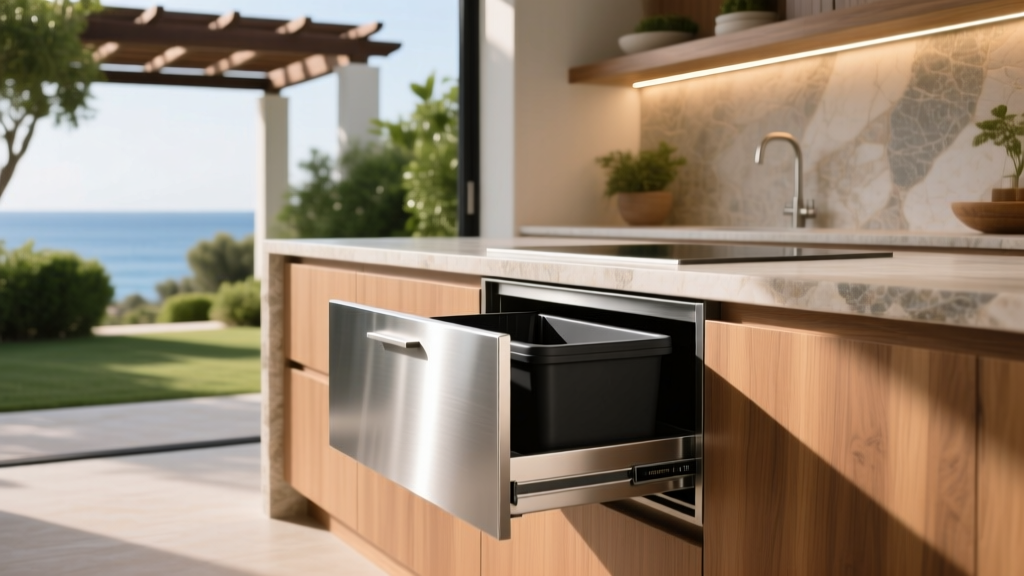
- Trash/recycling pull-out so grease-soaked items don’t travel through the yard.
- Magnetic strip or rail (outdoor-rated) for quick-access tools.
- Condiment/prep zone near the cooktop (small counter section or a dedicated prep cart).
Nice-to-have upgrades for entertaining
- Undercounter fridge for drinks and proteins (especially valuable for summer hosting).
- Sink for handwashing and quick rinses; consider a pull-down faucet for cleanup.
- Warming drawer or heat lamp shelf to keep batches hot.
- Bar overhang (12–15 inches) with stools so guests can chat without crowding the cook.
Lighting for night cooking and ambiance
- Task lighting: Downlights under a pergola, or an adjustable fixture aimed at the cook surface.
- Ambient lighting: Low-voltage path lights, step lights, and warm string lights for a welcoming glow.
- Accent lighting: Uplight a specimen tree or tall grasses behind the kitchen for depth.
Furniture and Seating: Make the Kitchen a Social Hub
The flat top grill invites people to gather. Plan seating that supports conversation, circulation, and comfort across seasons.
Outdoor furniture recommendations (durable picks)
- Dining set: Powder-coated aluminum frames with slatted tops or stone tops for easy cleanup.
- Bar stools: Choose all-weather rope, aluminum, or teak; add quick-dry cushions in solution-dyed acrylic (like Sunbrella).
- Lounge seating: Modular outdoor sofas in aluminum or teak for flexible layouts.
- Shade: Cantilever umbrella, pergola with a retractable canopy, or a pavilion for true all-day usability.
Layout tips for comfort
- Keep seating out of the splatter zone while still close enough for conversation.
- Provide at least one “parking spot” for platters: side table, console, or serving cart.
- Create a clear path from the house to the outdoor kitchen to reduce trips through planting beds.
Plants That Complement an Outdoor Kitchen (Without Making a Mess)
Landscaping around an outdoor kitchen should feel lush but behave well: minimal leaf drop, no thorns near walkways, and no strong pollen right next to dining zones.
Best plant types for kitchen-adjacent landscaping
- Evergreen structure: Boxwood alternatives (like inkberry holly), dwarf podocarpus (warm climates), or yew (cool climates) for tidy form.
- Ornamental grasses: Fountain grass alternatives like little bluestem or feather reed grass (check invasiveness in your region).
- Herb planters: Rosemary, thyme, oregano, chives, sage—place in raised planters near prep zones for convenience.
- Pollinator-friendly accents: Lavender (dry climates), salvia, and catmint—set slightly away from the dining table to reduce bee traffic at meals.
Smart planting placements
- Use taller grasses or shrubs as a soft wind break behind the cooking zone (keep safe clearance from heat).
- Frame the outdoor kitchen with planter walls or large pots to add greenery without crowding the work zone.
- Avoid messy fruiting trees overhead; falling fruit and leaves create constant cleanup.
Climate and Maintenance Considerations (So It Stays Beautiful)
Hot, dry climates
- Prioritize shade: pergola + shade cloth, or a solid roof extension.
- Choose UV-stable materials: powder-coated aluminum, porcelain pavers, and solution-dyed fabrics.
- Use drought-tolerant planting: lavender, rosemary, agave (where appropriate), and ornamental grasses suited to your zone.
Humid, coastal, or rainy climates
- Choose stainless steel components rated for outdoor/coastal use and rinse surfaces periodically to reduce salt buildup.
- Use non-slip flooring with texture and plan drainage so puddles don’t collect near cabinets.
- Consider marine-grade polymer cabinetry for maximum rot resistance.
Cold and freeze-thaw climates
- Pick freeze-thaw rated pavers and avoid porous stone without proper sealing.
- Winterize plumbing: shutoffs and drain-downs if you add a sink.
- Use a heavy-duty grill cover and store oils/seasonings indoors to prevent freezing and rancidity.
Flat top care basics (year-round)
- After cooking: scrape, wipe, and apply a thin layer of high-smoke-point oil.
- Weekly: deeper clean with griddle-safe pads and inspect grease management.
- Seasonally: check gas connections (or electrical components), tighten fasteners, and refresh protective coatings as needed.
Budget Ranges: What to Expect
Costs vary widely based on whether you’re doing a freestanding setup or a built-in outdoor kitchen with utilities.
- Budget-friendly ($800–$3,500): Freestanding flat top grill, a weatherproof prep cart, patio umbrella, and a simple paver pad refresh.
- Mid-range ($3,500–$12,000): Built-in counter run with durable countertop, storage, lighting upgrades, and a small dining zone refresh.
- High-end ($12,000–$35,000+): Full outdoor kitchen with L/U layout, sink, fridge, premium counters (porcelain slab), pergola/pavilion, integrated seating, and landscape lighting.
Common Mistakes to Avoid
- Not leaving enough landing space: Flat tops need room for trays, cooked food, and tools—crowded counters kill the experience.
- Ignoring wind direction: A breezy patio can make heat control frustrating; add a wind break or reposition the cook zone.
- Choosing the wrong countertop: Indoor-only materials can stain, fade, or crack outdoors. Stick to proven outdoor performers like granite, porcelain, stainless, or properly sealed concrete.
- Forgetting lighting: If you can’t see the cook surface clearly, you won’t use it at night—one of the biggest losses for year-round outdoor living.
- Poor grease planning: No trash nearby, hard-to-reach grease traps, and staining surfaces make maintenance feel like a chore.
- Overplanting near the kitchen: Dense plantings can trap smoke, invite pests, and increase leaf litter around cooking and dining areas.
FAQ: Outdoor Kitchen Flat Top Grill Setup
Do I need a vent hood for a flat top grill?
If your flat top is under a covered patio, pergola with a solid roof, or enclosed structure, a vent hood may be required by local code and strongly improves comfort. For open-air setups, you may not need one, but always follow the manufacturer’s clearance guidelines and check local building requirements.
What’s the best countertop material near a flat top?
Leathered granite and porcelain slab are top performers for stain resistance, heat tolerance, and weather durability. Stainless steel is also excellent if you like a modern, professional look and want the easiest cleanup.
How much space do I need for an outdoor kitchen with a flat top?
A compact straight-line setup can work in as little as 8–10 feet of linear space if you include landing areas and at least one prep zone. For comfortable entertaining with multiple guests circulating, an L-shape or island setup typically feels best.
Can I place a flat top grill on a wooden deck?
Sometimes, but it depends on the appliance specs, heat shielding, and local codes. Use a grill mat rated for high heat, maintain clearances, and consider a non-combustible pad (porcelain pavers on a proper system) beneath or around the cooking zone.
What plants work best near an outdoor kitchen?
Use tidy evergreens for structure, ornamental grasses for movement, and herbs in containers for convenience. Avoid heavy leaf-droppers and thorny shrubs near walkways. Place bee-attracting blooms slightly away from dining areas to keep meals comfortable.
How do I keep my outdoor kitchen usable in cooler seasons?
Add wind protection (screens or walls), layered lighting, and a heat source like an outdoor-rated electric infrared heater or a fire feature positioned away from the cook zone. Keep a storage bench with throws and use weather-resistant rugs to make the space feel warm and intentional.
Next Steps: Build a Setup You’ll Actually Use
Start by measuring your patio, identifying wind direction, and deciding which layout fits your entertaining style. Then invest in the essentials that make a flat top shine: generous landing space, durable outdoor-rated materials, great lighting, and a seating plan that invites people to linger. Finish with low-mess landscaping and a maintenance routine that keeps your outdoor kitchen ready for spontaneous meals in any season.
For more outdoor kitchen design ideas, patio living inspiration, and landscaping upgrades that elevate everyday life, explore the latest guides and trends on thedecormag.com.
More Articles
 Outdoor Hammock and Swing Ideas - The Decor Mag
 Practical and Aging-Resilient Outdoor Living: Designing Spaces That Serve Today and Endure Tomorrow
 Outdoor Pergola Climbing Vine Selection - The Decor Mag
 How to Design a Pocket Meadow - The Decor Mag
 How to Create a Firefly Garden - The Decor Mag
 Outdoor Kitchen Trash Pull Out Drawer - The Decor Mag
 How to Design a Sensory Herb Garden - The Decor Mag
 Outdoor Pavilion Heater Placement - The Decor Mag
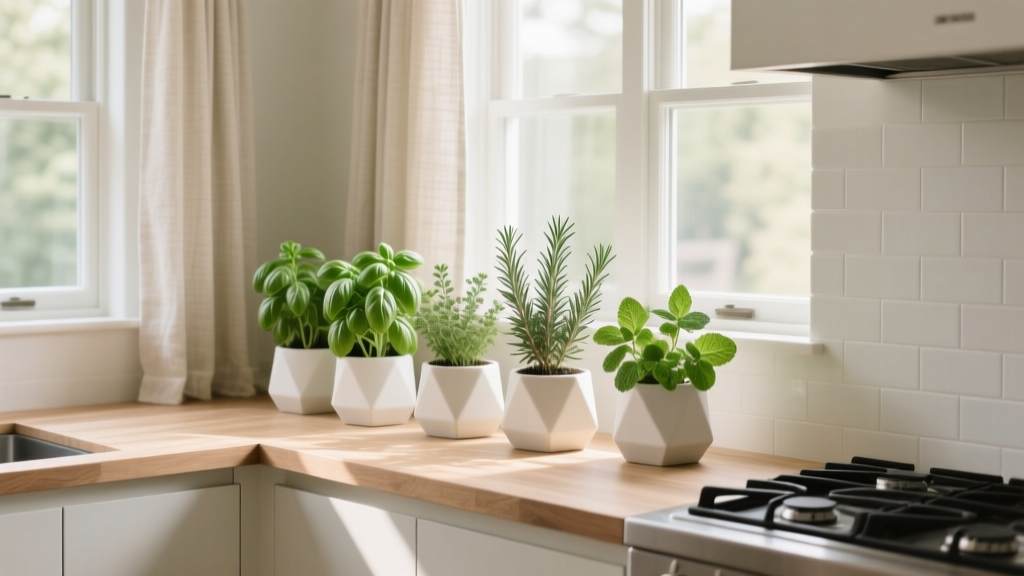 How to Create a Herb Garden Near the Kitchen - The Decor Mag
 Warm Lighting vs. Lighting Checklists: Why Relying Solely on Lists Compromises Outdoor Ambiance and Safety