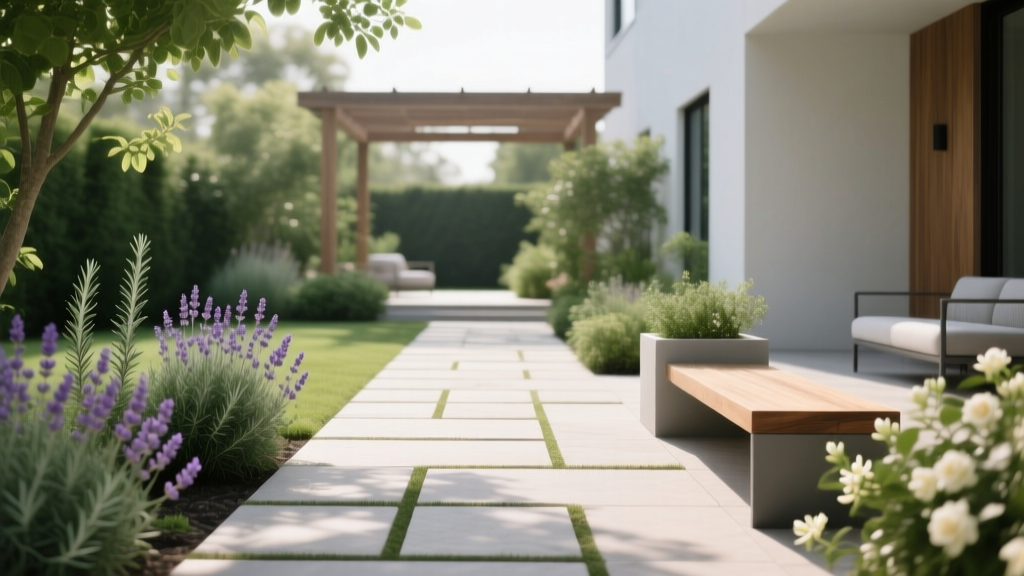
How to Design a Fragrant Garden Path - The Decor Mag
A garden path does more than move you from the patio to the back gate. It sets the mood for your entire outdoor living space—especially when it’s designed to engage the senses. Add fragrance, and that simple walkway becomes an experience: a welcoming approach to your home, a calming stroll after dinner, and a subtle “signature” guests remember long after they leave.
Fragrant landscaping also makes your yard feel more intentional year-round. Scents can be tied to seasons (spring blossoms, summer herbs, fall foliage aromatics) and can even enhance everyday routines—taking the dog out, watering containers, or stepping outside with a morning coffee. If you’ve already invested in patio living—comfortable seating, lighting, and a fire feature—a fragrant garden path is one of the most rewarding upgrades you can make.
Below is a practical, expert guide to designing a fragrant garden path that looks polished, feels comfortable underfoot, and delivers scent at just the right moments—without becoming high-maintenance or overpowering.
Start With the Experience: Where You Want Fragrance to “Hit”
Before choosing plants or pavers, map out how people actually use your outdoor space. Fragrance is most effective where you naturally pause, brush past foliage, or sit close to plantings.
Best “fragrance zones” along a path
- Entrances: front walk, porch steps, gate openings, transitions from driveway to garden.
- Thresholds: where a path meets a patio, pergola, outdoor kitchen, or seating nook.
- Pinch points: narrow sections where you naturally pass close to plants (ideal for herbs and low shrubs).
- Rest stops: benches, bistro sets, swing seats, or a small lounge chair tucked into a corner.
Design rule of thumb
Plan fragrance in layers: a “welcome” scent near the start, a gentle mid-path note, and a finishing flourish near your patio or back door. This feels curated—like a well-designed interior, but outdoors.
Choose a Path Layout That Encourages Slow Living
Fragrance is most noticeable when you slow down. Straight, utilitarian paths can work, but if your space allows, consider a layout that encourages strolling and lingering.
Layout options for a fragrant garden path
- Gentle curves: More garden views, more opportunities to layer scent, and a softer, landscape design feel.
- Stepping-stone rhythm: Slows your pace and creates moments where aromatic groundcovers can shine between stones.
- Wider “promenade”: A 42–48 inch path feels luxurious and allows planting on both sides for a fuller scent corridor.
- Destination path: Lead to a small patio seating area, water feature, or fire pit to connect fragrance with outdoor living.
Comfort sizing for real life
- Minimum width: 36 inches (tight for two people passing).
- Ideal width: 42–48 inches (comfortable, furniture-friendly, wheelbarrow-friendly).
- If you have a mower route: Add 6–12 inches so maintenance doesn’t crush border plants.
Materials That Complement Scent (and Stay Pleasant Underfoot)
Your path material affects how the space feels and how much heat builds up around plants. The goal is an attractive surface that supports outdoor design, patio living, and easy upkeep—without baking your fragrant plantings.
Top path materials for a fragrant landscape design
- Natural stone (flagstone, bluestone, limestone): Classic, high-end, and cool underfoot compared to darker materials. Great for stepping stones with thyme between.
- Brick: Warm, timeless, and excellent for traditional homes. Brick pairs beautifully with roses, lavender, and boxwood.
- Decomposed granite (DG): Casual, garden-forward look; great drainage; ideal for Mediterranean herbs. Use stabilizer for less tracking.
- Gravel (3/8” minus or pea gravel): Budget-friendly, easy to install, and good around drought-tolerant fragrant plants—use edging to keep it tidy.
- Pavers: Clean lines, modern patios, and consistent footing. Choose lighter tones to reduce heat near scent plantings.
Material tips that make fragrance planting easier
- Add edging: Steel, aluminum, brick-on-edge, or concrete curbing keeps gravel/DG in place and protects border plants from foot traffic.
- Plan for drainage: Soggy edges reduce scent and invite root problems. Slightly crown the path or slope it 1–2% away from structures.
- Avoid dark, heat-absorbing surfaces in hot climates unless you’re pairing them with heat-loving aromatics (lavender, rosemary) and providing irrigation.
Budget ranges (materials + typical install)
- DIY gravel/DG path: $3–$10 per sq. ft.
- Brick or concrete pavers: $10–$25 per sq. ft. (higher with intricate patterns)
- Natural stone: $15–$40+ per sq. ft. depending on stone and labor
Fragrant Planting Strategies That Actually Work
It’s tempting to buy the most fragrant plants you can find and line the path with them. The best fragrant gardens are balanced: reliable bloom times, foliage aromatics when flowers fade, and spacing that prevents mildew and crowding.
Use the “brush-by” method
Some scents activate best when touched. Place these within 6–12 inches of the path edge so your legs lightly brush them as you walk:
- Lavender (Lavandula): Sun-loving, drought-tolerant once established, excellent edging plant.
- Rosemary (Salvia rosmarinus): Upright or trailing forms; ideal near warm stone and along sunny borders.
- Thyme (Thymus): Low, walkable varieties between stepping stones; releases scent when stepped on lightly.
- Mint (Mentha): Very fragrant, but aggressive—use containers set into beds or root barriers.
- Scented geraniums (Pelargonium): Great in pots near seating nodes; rub leaves for fragrance.
Layer fragrance by height (for a designer look)
- Ground layer: creeping thyme, chamomile (in mild climates), sweet woodruff (shade), low sedums with aromatic companions.
- Mid layer: lavender, nepeta (catmint), dianthus, salvia, herbs, compact roses.
- Vertical layer: jasmine on a trellis, climbing roses, honeysuckle (choose non-invasive varieties), fragrant clematis in select climates.
Plant picks by sun exposure
Full sun (6+ hours)
- Lavender: A go-to for sunny garden paths and Mediterranean-style patio living.
- Rosemary: Especially good in warmer zones; in colder regions, treat as seasonal or protect in winter.
- Roses (fragrant varieties): Place where you can stop and smell—near benches, gates, or patio edges.
- Sweet alyssum: Honey scent; terrific as a seasonal edging plant or in containers.
- Daphne (select varieties): Exceptionally fragrant, but placement and drainage matter.
Part shade (3–6 hours)
- Garden phlox: Summer fragrance and color; needs airflow.
- Hosta (fragrant types): Some varieties produce fragrant blooms in summer.
- Hydrangea (select types): Not all are fragrant, but excellent for lush path borders.
- Herbs with some shade tolerance: parsley, chives, and certain mints in containers.
Shade (less than 3 hours)
- Sweet woodruff: Light fragrance, great groundcover for shaded paths.
- Sarcococca (sweet box): A shade superstar with powerful late-winter scent.
- Lily of the valley: Fragrant spring blooms; can spread aggressively—use with care and containment.
Seasonal Scent Planning for Year-Round Outdoor Living
A truly successful fragrant garden path doesn’t rely on one two-week bloom. Use seasonal planning so your outdoor space stays engaging from early spring through late fall—and even into winter in mild climates.
A simple seasonal scent calendar
- Late winter to early spring: sweet box (Sarcococca), witch hazel (Hamamelis), early bulbs near the path (hyacinth where hardy).
- Spring: lilac (place a few steps off the path so it doesn’t crowd), daphne, peonies (near seating for maximum enjoyment).
- Summer: lavender, roses, jasmine, garden phlox, herbs that release scent in heat.
- Fall: scented shrubs and foliage herbs; consider planting near outdoor fire pits or patio dining to extend enjoyment into cool evenings.
- Winter (mild climates): rosemary, evergreen herbs, sweet box; add evergreen structure so the path still feels finished.
Pair fragrance with outdoor lighting
Fragrance and lighting belong together—especially for patio living at night. Add low-voltage path lights or downlighting from a pergola so evening strolls brush through scent without tripping hazards.
Furniture and Outdoor Living Touches That Make the Path a Destination
A fragrant garden path becomes more than a walkway when you add “pause points.” Think of these as outdoor rooms—small, comfortable moments that invite you to use the garden daily.
Furniture recommendations for path-side moments
- Garden bench (48–60 inches): Place near the most fragrant planting pocket. Choose teak, acacia, powder-coated steel, or all-weather resin for durability.
- Bistro set: Perfect for a small patio landing along the path—ideal for coffee, reading, or a glass of wine.
- Adirondack chairs or lounge pair: Works in larger yards where the path opens into a small clearing.
- Storage-friendly side table: Keeps outdoor living functional (a place for a drink, clippers, or citronella).
Material and budget ranges for outdoor furniture
- Entry-level bench or bistro set: $150–$500
- Mid-range, weather-resistant sets: $500–$1,500
- Premium teak or designer metals: $1,500–$4,000+
Design detail that elevates everything
Add a large container (18–24 inches wide) near a path turn or patio threshold. Plant it with fragrant herbs (rosemary + thyme) or seasonal bloomers (sweet alyssum, scented geraniums) so scent is guaranteed right where you pause.
Climate and Maintenance Considerations
Fragrance depends on plant health. A stressed plant might bloom poorly or drop leaves, and overwatering can reduce essential oils in many aromatics.
Hot, dry climates
- Prioritize drought-tolerant aromatics: lavender, rosemary, thyme, sage.
- Use mulch or gravel to reduce evaporation, and consider drip irrigation along path edges.
- Choose lighter path materials or provide afternoon shade so roots don’t overheat.
Humid climates
- Give plants breathing room—tight borders invite mildew (especially on phlox and roses).
- Opt for disease-resistant, fragrant rose varieties and prune for airflow.
- Use well-draining soils and avoid piling mulch against stems.
Cold-winter climates
- Use hardy fragrant shrubs (like sweet box in suitable zones) and plan for spring bulbs for early scent.
- Treat rosemary and some jasmines as seasonal accents in containers you can protect or move.
- Choose freeze-thaw friendly path bases: compacted gravel base beneath pavers/stone to minimize heaving.
Maintenance checklist (simple and effective)
- Weekly in growing season: quick deadheading on roses/annuals; check irrigation.
- Monthly: edge the path; trim “brush-by” plants so they don’t sprawl into a trip zone.
- Seasonally: prune lavender after bloom (avoid cutting into old wood), refresh mulch/gravel, and fertilize roses as needed.
Common Mistakes to Avoid
- Overloading the path with strong scents: Too much can feel cloying, especially near outdoor dining. Mix strong fragrance with fresher herbal notes.
- Planting too far from the walkway: If it’s 2–3 feet away, you’ll barely notice it. Bring fragrance within arm’s reach (without creating a snaggy corridor).
- Ignoring mature size: Lavender, rosemary, and roses can double in width. Give space now to avoid constant hacking later.
- Skipping drainage and base prep: A beautiful path that puddles will shorten plant life and make patio living messy.
- Choosing invasive or aggressive spreaders: Mint, lily of the valley, and some honeysuckles need containment or careful selection.
- No nighttime plan: Without lighting, you’ll use the path less—missing the best time for summer fragrance.
FAQ: Designing a Fragrant Garden Path
What are the best fragrant plants to line a walkway?
Lavender, thyme, rosemary, fragrant roses, and sweet alyssum are reliable favorites. For shade, sweet box (Sarcococca) and sweet woodruff can add noticeable scent in lower light.
How close should fragrant plants be to the path?
For “brush-by” fragrance, place them within 6–12 inches of the path edge. For larger shrubs (lilac, daphne), set them slightly back so they don’t crowd the walkway as they mature.
What path material works best with fragrant plants?
Natural stone, brick, gravel, and decomposed granite all work well. Choose lighter colors in hot climates, use edging to keep materials tidy, and prioritize a solid base for stability and drainage.
How do I keep a fragrant path low-maintenance?
Use drought-tolerant aromatics, install drip irrigation, and design with mature plant size in mind. Mix evergreen structure (shrubs/herbs) with a few seasonal bloomers for consistent impact without constant replanting.
Can I create a fragrant garden path on a small budget?
Yes. A gravel or DG path plus a focused plant palette (lavender + thyme + a few containers) can look high-end for a fraction of the cost. Expect many DIY projects to land in the $300–$1,500 range depending on length and materials, while larger installs with stonework and lighting can run $3,000–$15,000+.
Will fragrance attract bees near the walkway?
Many fragrant flowers do attract pollinators. If you’re concerned, keep heavy-blooming plants slightly off the tightest pinch points and use more foliage-based aromatics (rosemary, thyme) near areas of frequent foot traffic.
Your Next Steps: Build a Path That Smells as Good as It Looks
Sketch your route, mark your “pause points,” and choose one primary scent theme (Mediterranean herbs, classic roses, or shade-garden fragrance). Start with the path surface and edging, then add plants in layers—groundcovers at your feet, mid-height bloomers at your sides, and a climber or shrub as a finishing touch near the patio or gate. Add a bench or bistro set and low-voltage lighting, and you’ve created a garden feature you’ll use in every season.
For more outdoor living inspiration, landscape design ideas, and patio upgrades that feel tailored and timeless, explore the latest guides on thedecormag.com.
More Articles
 Outdoor Pergola Fairy Light Draping Guide - The Decor Mag
 Outdoor Arbor and Gate Design Ideas - The Decor Mag
 Best Outdoor Bar Orange Twist Station - The Decor Mag
 Performance Alternatives to Styling: Why Functionality Should Anchor Outdoor Living Design
 How to Create a Spiral Herb Garden - The Decor Mag
 Best Outdoor Bar Trash Bin Hideaway - The Decor Mag
 Outdoor Kitchen Flat Top Grill Setup - The Decor Mag
 How to Design a Prairie Garden - The Decor Mag
 Best Outdoor Bar Garnish Tray Ideas - The Decor Mag
 Best Outdoor Bar Lime Wheel Display - The Decor Mag