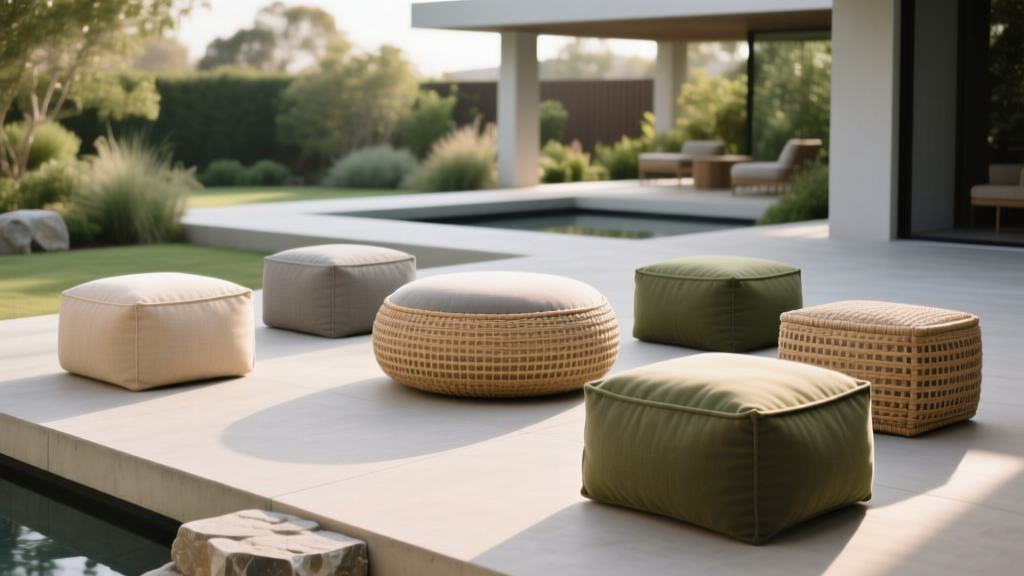
Best Outdoor Pouf and Ottoman Choices - The Decor Mag
A great outdoor living space isn’t just about a beautiful patio set—it’s about how easily you can relax, put your feet up, and shift from dining to lounging without dragging heavy furniture around. That’s where outdoor poufs and ottomans shine. They’re compact, flexible, and surprisingly transformative: one minute they’re a footrest, the next they’re extra seating, a side table, or the missing piece that makes your patio feel like a true outdoor room.
For homeowners upgrading a backyard, garden lounge, pool deck, or apartment terrace, poufs and ottomans are also one of the most budget-friendly ways to elevate comfort and style. Choose the right materials and you’ll get year-round outdoor living performance—rain, sun, spills, and all—without the constant worry of mildew or fading.
This guide breaks down the best outdoor pouf and ottoman options, what to look for, climate-smart material choices, and how to style them with plants, layouts, and accessories for a polished outdoor design.
Outdoor Pouf vs. Outdoor Ottoman: What’s the Difference?
Both add comfort and flexibility, but they serve slightly different roles in patio living:
- Outdoor pouf: Typically softer, often round or cube-shaped, and lightweight. Great for casual seating, footrests, or quick extra spots for guests.
- Outdoor ottoman: Usually more structured, sometimes with a frame, and often designed to pair with an outdoor lounge chair or sectional. Many are sturdy enough to hold a tray for drinks.
Best use cases
- Small patios/balconies: Poufs double as seating and tuck away easily.
- Outdoor sectionals: Matching ottomans create a chaise effect for movie nights and long conversations.
- Poolside: Quick-dry, UV-resistant pieces are ideal for bare feet and wet swimsuits.
- Fire pit zones: Poufs provide flexible seating without overcrowding the circle.
What to Look for in the Best Outdoor Poufs and Ottomans
Materials that actually belong outdoors
Outdoor furniture fails fast when materials aren’t suited for sun, moisture, and temperature swings. Prioritize these:
- Solution-dyed acrylic fabric (e.g., Sunbrella-style): Top-tier fade resistance, easy cleaning, and strong performance for year-round patio living.
- Olefin (polypropylene) upholstery: Excellent UV and moisture resistance at a typically lower price point than acrylic.
- Marine-grade vinyl: Great near pools and in rainy climates; wipes clean easily, but can feel warmer in direct sun.
- All-weather wicker/resin weave: Best for structured ottomans; choose UV-stabilized resin and a rust-resistant frame.
- Powder-coated aluminum frames: Lightweight, rust-resistant, and ideal for humid or coastal environments.
- Teak or acacia (with proper finish): Beautiful and durable; needs seasonal maintenance to retain color.
Fill and construction that keeps its shape
- Quick-dry foam: Ideal for covered patios and humid regions; dries faster after rain.
- Polystyrene beads: Common in poufs; look for a double liner and high-density beads to prevent flattening.
- Reticulated foam core + wrap: A premium option that balances comfort with structure.
Weather resistance details you’ll appreciate later
- Removable covers with heavy-duty zippers for cleaning.
- Water-resistant inner liner to protect fill from surprise storms.
- Vented bottoms to discourage mildew buildup.
- Non-slip base for smooth deck surfaces.
Comfort and proportions
Scale matters for outdoor design cohesion. Use these sizing guidelines:
- Footrest height: Aim for 14–18 inches tall to align with most outdoor lounge seating.
- Diameter/width: 18–24 inches works for one person’s feet; 24–30 inches feels luxe and can double as seating.
- Tray-friendly surface: If you want it to function as a coffee table, choose a firmer, flatter top or pair it with a stable outdoor tray.
Top Outdoor Pouf and Ottoman Types (and Where They Work Best)
1) Soft, woven outdoor poufs for flexible seating
These are the MVPs of casual patio living—easy to move, easy to style, and perfect for mixing patterns.
- Best for: Boho patios, Mediterranean courtyards, small decks, fire pit circles
- Look for: Olefin weave, UV stabilizers, water-resistant liner
- Style tip: Pair two poufs in complementary colors for an intentional “designed” look rather than a single floating accent.
Budget range: $60–$180 each (premium woven and designer options: $200–$400)
2) Cushioned ottomans that match sectionals and lounge chairs
If you already have an outdoor sofa or sectional, a matching ottoman is the fastest way to make the space feel custom and comfort-forward.
- Best for: Outdoor living rooms, covered patios, screened porches
- Look for: Quick-dry foam, solution-dyed acrylic cushions, powder-coated aluminum frames
- Layout idea: Use a pair of ottomans opposite the sofa to create a balanced conversation zone—then pull one over as a footrest when you’re lounging.
Budget range: $120–$350 (high-end modular systems: $400–$900+)
3) Storage ottomans for compact patios and family yards
Storage ottomans are a smart choice for homeowners who want a tidy patio without adding a full deck box.
- Best for: Small patios, family backyards, pool areas
- Look for: Waterproof resin construction, gasketed lid, breathable design to prevent musty odors
- What to store: Outdoor throws, cushion ties, citronella candles, kids’ backyard toys
Budget range: $90–$250 (large, furniture-grade: $300–$600)
4) Ottoman-as-table hybrids (structured tops)
Want a coffee table feel without sharp corners? A structured ottoman paired with a tray is a patio-friendly solution.
- Best for: Contemporary patios, coastal decks, outdoor entertaining
- Look for: Firm cushion top or slatted top, stable base, weather-resistant finishes
- Pro tip: Choose an outdoor tray with raised edges and non-slip feet—especially on breezy rooftops.
Budget range: $140–$400
5) Poolside-ready ottomans and poufs (quick-dry, wipeable)
Near water, your materials need to be unfazed by splashes, chlorine, and wet towels.
- Best for: Pool decks, spa patios, hot tub zones
- Look for: Marine-grade vinyl or quick-dry fabric, mildew resistance, UV rating
- Color tip: Mid-tones (taupe, gray, denim blue) hide sunscreen smudges better than bright white.
Budget range: $80–$300
Design Ideas: How to Style Poufs and Ottomans Like a Pro
Create an outdoor living room (even in a small space)
For a cohesive outdoor design, treat your pouf/ottoman like a key furniture piece—not an afterthought.
- Anchor the zone with an outdoor rug (polypropylene is durable and hose-friendly).
- Add a sofa or two lounge chairs facing each other.
- Place one ottoman in the center for feet-up comfort, or two poufs on either side for extra seating.
- Layer lighting (string lights + lanterns or solar path lights) for year-round ambiance.
Use plants to soften edges and add privacy
Pairing outdoor seating with the right landscaping makes the whole area feel intentional and lush. Try these plant choices around pouf and ottoman zones:
- Fragrant herbs near seating: Lavender, rosemary, thyme (great for sunny patios and pest deterrence).
- Ornamental grasses for movement: Fountain grass, blue fescue (excellent for modern patio living).
- Evergreen structure for year-round outdoor living: Boxwood, dwarf juniper, or inkberry holly (choose based on your zone).
- Tropical look for warm climates: Bird of paradise, cordyline, or hardy palms (where appropriate).
- Shade planters for covered porches: Ferns, hostas, heuchera, and coleus.
Color and pattern recommendations
- Coastal: Soft whites, sand, navy, and subtle stripes; pair with teak or light aluminum.
- Modern: Charcoal, black, and warm neutrals; pair with concrete planters and sculptural grasses.
- Boho: Terracotta, ochre, indigo; mix textured poufs with patterned pillows.
- Garden classic: Sage, cream, and muted florals; pair with woven ottomans and abundant greenery.
Climate Considerations: Choose the Right Outdoor Ottoman for Your Region
Hot, sunny climates (high UV)
- Prioritize solution-dyed acrylic or high-quality olefin.
- Avoid dark colors on unshaded decks if you plan to sit on the pouf—dark fabric heats up fast.
- Use a pergola, shade sail, or umbrella to extend fabric life and improve comfort.
Humid and rainy climates
- Look for quick-dry foam, mesh venting, and water-resistant liners.
- Avoid natural fibers (like jute) outdoors—they tend to mildew.
- Lift poufs/ottomans off soggy surfaces; a covered porch or a raised deck is ideal.
Cold winters and freeze/thaw zones
- Choose powder-coated aluminum or high-quality resin frames.
- Store soft poufs in a garage or deck box during snow season.
- If you want winter patio use, add outdoor throws and consider a fire pit or patio heater—then bring poufs out on dry days.
Coastal and salt-air environments
- Skip steel unless it’s truly marine-grade; aluminum is a safer bet.
- Rinse frames occasionally to remove salt residue.
- Select mold/mildew resistant fabrics and fast-drying fills.
Maintenance Tips for Outdoor Poufs and Ottomans
- Weekly: Shake out debris, brush off pollen, and wipe spills quickly.
- Monthly: Clean with mild soap + water; rinse thoroughly and air dry.
- Seasonally: Apply fabric protectant (if compatible), tighten frame hardware, and refresh placement to avoid uneven sun fading.
- Off-season storage: Use breathable covers; avoid sealing damp items in plastic bins.
Fast stain fix: Sunscreen and food oils can linger—use a gentle degreasing dish soap solution, blot (don’t scrub aggressively), then rinse.
Common Mistakes to Avoid
- Buying “indoor/outdoor” without checking the details: Verify UV resistance, water resistance, and whether the fill is protected.
- Choosing the wrong height: An ottoman that’s too tall makes lounging awkward; too short looks undersized and feels неудобно.
- Ignoring airflow: Poufs placed directly on damp grass or sealed surfaces can develop mildew underneath.
- Overcrowding the layout: Leave at least 18–24 inches for walkways around seating.
- Going too light near grills and pools: Bright white looks crisp—until smoke, sauce, and wet footprints arrive.
- Skipping a rug or “anchor” element: Without a grounding piece, poufs can look like random add-ons instead of part of a designed patio.
Budget Guide: What to Expect at Different Price Points
- $50–$120: Basic outdoor poufs, often polyester/olefin blends; best for covered patios or seasonal use.
- $120–$250: Better weaves, improved UV resistance, removable covers, more supportive fills.
- $250–$500: Premium fabrics (solution-dyed acrylic), strong liners, better stitching, structured ottomans with quality frames.
- $500+: Designer modular ottomans, luxury performance textiles, top-tier construction for long-term outdoor living.
FAQ: Outdoor Poufs and Ottomans
Can outdoor poufs stay outside in the rain?
Many can handle light rain, but performance varies. Look for water-resistant fabric, a protective liner, and quick-dry fill. In frequent downpours, bring softer poufs under cover or store them in a deck box to prevent waterlogged fill and mildew.
What’s the best fabric for outdoor cushions and poufs?
Solution-dyed acrylic is the gold standard for fade resistance and durability. Olefin is an excellent value choice for patios that get strong sun and occasional rain.
How do I clean an outdoor ottoman or pouf?
Start with mild soap and water, then rinse and air dry completely. For removable covers, follow the manufacturer’s care label. Avoid harsh bleach unless the fabric specifically allows it.
Are poufs stable enough to use as a table?
Soft poufs aren’t ideal as a standalone table, but they work well with a sturdy outdoor tray. If you want a more reliable surface, choose a structured ottoman or a hybrid with a firm top.
What size ottoman works best with an outdoor sectional?
Aim for an ottoman height that matches the seat height (typically 14–18 inches). For width, many sectionals pair well with ottomans in the 24–36 inch range depending on the module size and available space.
How can I make poufs look intentional in my patio design?
Repeat colors already used in your outdoor rug, pillows, or planters. Group poufs in pairs, and place them within the seating “zone” (on the rug or aligned with chair fronts) instead of off to the side.
Next Steps: Choose, Place, and Enjoy
Start by measuring your seating height and deciding how you’ll use your piece most often: footrest, extra seating, storage, or table alternative. From there, match the right outdoor materials to your climate—UV-resistant fabrics for sun, quick-dry construction for humidity, rust-proof frames for coastal air. Finish the look with a rug, layered lighting, and container plants that bring color and privacy through multiple seasons.
Ready to keep building a backyard you’ll actually use all year? Explore more outdoor living, landscaping, and patio design ideas on thedecormag.com.
More Articles
 Outdoor Living Essentials on a Budget: Smart, Stylish, and Sustainable Solutions
 How to Create a Potager Garden - The Decor Mag
 Best Outdoor Bar Cheese Board Display - The Decor Mag
 Best Outdoor Cocktail Cart Picks - The Decor Mag
 Outdoor Pavilion and Cabana Structures - The Decor Mag
 How to Create a Night Blooming Garden - The Decor Mag
 Best Outdoor Lantern and Candle Options - The Decor Mag
 Practical & Aesthetic Wood Storage Ideas for Outdoor Living Spaces
 Best Outdoor Bar Serving Shelf Ideas - The Decor Mag
 Outdoor Pergola Wind Light Lantern Hooks - The Decor Mag