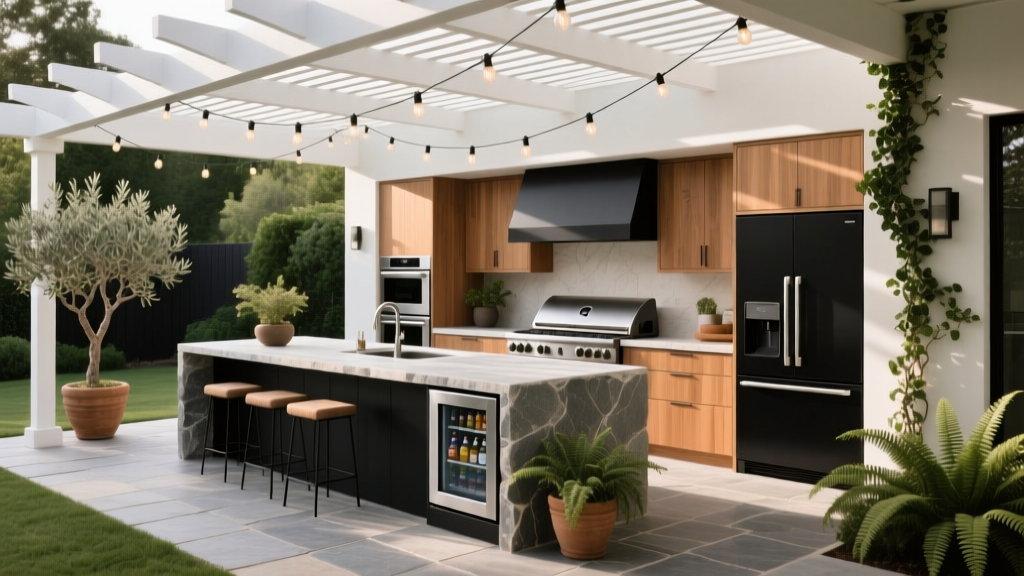
Outdoor Kitchen Design and Planning Guide - The Decor Mag
An outdoor kitchen changes the way you use your patio, garden, or backyard. It turns “grilling dinner” into an experience—one where friends gather around the counter, kids snack at the bar, and the host stays part of the conversation instead of disappearing indoors. Done well, it becomes the hub of outdoor living: equal parts cooking space, entertaining zone, and landscape feature.
But the best outdoor kitchen design isn’t only about adding a grill. It’s about planning for how you actually live outside—your climate, your maintenance tolerance, your storage needs, and the way traffic flows from the back door to the dining area to the fire pit. With the right layout, materials, and planting strategy, your outdoor kitchen can feel like a natural extension of your home and look great in every season.
This guide walks you through planning, layout options, material recommendations, landscaping ideas, maintenance considerations, budget ranges, and the most common mistakes homeowners make—so you can build a patio kitchen that’s beautiful, practical, and built to last.
Start With How You’ll Use the Space
Before you choose appliances or stone, define your “outdoor lifestyle brief.” This keeps your project aligned with real needs and prevents budget creep.
Quick planning questions
- Who’s cooking? One person grilling, or multiple people prepping and plating?
- How many do you host? Weeknight family dinners vs. weekend parties for 12–20.
- What do you cook most? Steaks and burgers, pizza, seafood, stir-fry, or full meals with sides?
- Do you want a full-service kitchen? Sink, fridge, storage, and trash—or a simple grill station?
- How often will you use it in shoulder seasons? Spring/fall, winter sun exposure, wind protection, heaters.
Define your zones
Great outdoor kitchen planning mirrors indoor kitchen logic, then adapts it to patio living:
- Prep zone: Counter space, sink (optional but highly recommended), cutting board area.
- Cook zone: Grill, side burner, pizza oven, smoker—plus safe landing space on both sides.
- Serve zone: Plating counter, pass-through to dining, warming drawer (optional).
- Entertain zone: Bar seating, lounge chairs, fire feature, outdoor dining table.
- Cleanup zone: Trash/recycling pull-outs, sink, dishwasher drawer (luxury), storage for towels.
Choosing the Right Outdoor Kitchen Layout
Layout drives comfort, safety, and how social your space feels. Choose a configuration that matches your patio size and traffic patterns from the house.
Straight-line (one-wall) outdoor kitchen
Best for: Small patios, narrow side yards, pool decks.
- Keep it sleek: grill + prep counter + under-counter storage.
- Place dining and seating parallel to the run to avoid cross-traffic through the cook zone.
L-shape outdoor kitchen
Best for: Most backyards; strong work triangle; easy to add a bar.
- One leg for cooking, one for prep/serve.
- Creates a natural “room” that defines your patio living area.
U-shape outdoor kitchen
Best for: Serious entertainers and larger patios.
- Maximum counter space and storage.
- Plan entry points so guests don’t get trapped in the cooking zone.
Island or peninsula with bar seating
Best for: Social cooking and keeping guests close but safe.
- Bar seating works best on the side opposite the grill heat.
- Allow comfortable clearance behind stools for circulation.
Spacing guidelines that make everything work
- Counter landing space: Aim for 12–24 inches on both sides of a grill or cooktop.
- Prep counter: A minimum of 24–36 inches of uninterrupted surface feels dramatically better.
- Walkways: Keep primary paths clear so people can move from house to patio dining without cutting behind the cook.
Outdoor Kitchen Components: What’s Worth It
Outdoor kitchens can be as simple as a built-in grill and a counter—or as complete as a fully equipped backyard kitchen. Choose components based on how you cook and how often you host.
Core essentials (high ROI)
- Built-in grill: Choose stainless steel rated for outdoor use; include a durable cover.
- Ventilated storage: Weather-resistant cabinets or masonry base with access doors.
- Trash/recycling pull-out: One of the most underrated upgrades for entertaining.
- Task lighting: Grill lights or under-counter LEDs for evening cooking.
Upgrades that change how you entertain
- Outdoor-rated refrigerator: Reduces trips inside; ideal for drinks and prep ingredients.
- Sink: Improves food safety and cleanup; pair with a hot/cold faucet if budget allows.
- Side burner: Great for sauces, sautéing, and seafood boils without heating the house.
- Pizza oven: Creates a focal point and expands your menu year-round.
Furniture recommendations for patio kitchen zones
- Bar stools: Look for powder-coated aluminum frames and quick-dry sling fabric; choose a footrest for comfort.
- Dining set: Teak, powder-coated aluminum, or high-quality resin wicker with UV-stable cushions.
- Lounge seating: Modular outdoor sectionals work well near the kitchen—add a low coffee table for serving.
- Shade: Cantilever umbrellas, pergolas, or shade sails positioned to protect the prep and seating areas.
Materials That Hold Up Outdoors (And Still Look Amazing)
Outdoor design succeeds when it balances beauty with durability. Heat, UV, freeze-thaw cycles, and spills will test every surface—so choose materials that are proven for patio living.
Countertops
- Granite: Durable and heat-resistant; choose darker, less porous varieties and seal regularly. Great for classic outdoor kitchen design.
- Concrete: Custom shapes and colors; can crack without proper reinforcement; requires sealing and occasional upkeep.
- Porcelain slab: Excellent for stain and UV resistance; sleek modern look; higher material and fabrication cost.
- Stainless steel: Extremely durable and hygienic; shows fingerprints; best for contemporary or professional-style kitchens.
Cabinetry and base construction
- Marine-grade polymer (HDPE): Low maintenance, won’t rot, great for humid and coastal climates.
- Stainless steel cabinetry: Long-lasting with a modern edge; choose quality hardware to prevent corrosion.
- Masonry base (CMU block + stone veneer/stucco): Classic built-in look; ideal for permanent outdoor kitchens.
Flooring and patio surfaces
- Concrete pavers: Easy to repair and adjust; great traction; fits most landscaping styles.
- Natural stone (bluestone, granite, travertine): Premium look; choose finishes that aren’t slippery near pools.
- Porcelain pavers: Highly durable and stain resistant; excellent for modern patio design.
Backsplash and accent finishes
- Porcelain or ceramic tile: Easy to clean; choose frost-rated tile for cold climates.
- Stone veneer: Adds texture and ties into landscape hardscaping; seal if exposed to grease splatter.
Landscaping Around an Outdoor Kitchen: Plants That Enhance, Not Complicate
Great outdoor living spaces blend hardscape and planting. The right plants soften the kitchen’s edges, add privacy, and improve comfort—without dropping leaves into the grill or attracting pests to the prep area.
Best plant choices near outdoor kitchens
- Herbs (in pots for control): Rosemary, thyme, oregano, chives, sage. Use containers so you can move them for winter protection.
- Low-litter evergreens for structure: Boxwood (in milder climates), inkberry holly, dwarf yaupon holly, podocarpus (warm climates).
- Ornamental grasses for movement: Feather reed grass (cool climates), pink muhly grass (warm climates), blue fescue (compact).
- Pollinator-friendly perennials (a bit farther from food): Lavender, salvia, coneflower, catmint—place these a few feet away from dining to avoid too many bees at the table.
What to avoid right next to the cook zone
- Messy fruiting trees (fallen fruit + wasps).
- High-litter plants (seed pods, heavy leaf drop) directly over counters.
- Thorny shrubs near walkways.
- Highly flammable plants right beside grills (keep a safe buffer and follow local codes).
Easy landscape design moves that elevate the space
- Create a green backdrop: A hedge or trellis softens the kitchen wall and improves privacy.
- Use layered planting: Evergreens + grasses + seasonal perennials for year-round interest.
- Add container gardens: Matching pots by the kitchen entry instantly makes the space feel designed.
Climate-Smart Design for Year-Round Outdoor Living
Your outdoor kitchen should feel comfortable beyond peak summer. Plan for sun, wind, rain, and winterization early—it’s far easier than retrofitting later.
Hot and sunny climates
- Prioritize shade: Pergolas with adjustable louvers, shade sails, or a roof extension help control heat.
- Choose UV-stable materials: Powder-coated aluminum, porcelain pavers, and marine-grade polymer cabinetry.
- Ventilation matters: Keep the cook zone open to airflow; avoid trapping heat against a wall.
Cold and freeze-thaw climates
- Select frost-rated surfaces: Porcelain pavers and frost-proof tile reduce cracking risk.
- Winterize plumbing: Use shutoff valves and drain lines; consider a seasonal sink connection if you won’t use it in winter.
- Extend the season: Add infrared heaters, a fire pit, wind screens, and warm task lighting for cozy winter patio living.
Rainy, humid, or coastal climates
- Use corrosion-resistant hardware: Higher-grade stainless components and protected fasteners.
- Plan for drainage: Slight slope away from the kitchen base; avoid pooling around cabinetry.
- Mold-resistant cushions: Quick-dry foam and performance fabrics (solution-dyed acrylic is a strong choice).
Budget Ranges: What Outdoor Kitchens Typically Cost
Outdoor kitchen cost varies widely by appliances, utilities, finishes, and whether you’re building a simple grill island or a full backyard kitchen with plumbing and electrical.
- Budget-friendly (approx. $3,000–$10,000): Freestanding grill + prep cart, small paver pad upgrade, basic seating, portable shade, container plants.
- Mid-range (approx. $10,000–$30,000): Built-in grill island, stone veneer or stucco base, durable counters (granite or concrete), dedicated lighting, upgraded patio furniture, defined landscaping beds.
- High-end (approx. $30,000–$80,000+): Full U-shape kitchen, outdoor-rated fridge, sink with hot/cold water, pizza oven, premium porcelain slabs, pergola/roof structure, integrated sound, professional landscaping and hardscape.
Common Outdoor Kitchen Mistakes to Avoid
- Undersizing counter space: You’ll always want more prep and landing area than you think.
- Poor traffic flow: If guests must pass behind the grill to reach seating, the space feels stressful and unsafe.
- Ignoring wind direction: Smoke blowing into the house or dining area can ruin the experience—orient the grill accordingly.
- Choosing indoor materials outdoors: Not all stainless is equal; not all tile is frost-rated; not all wood is suitable for weather.
- Forgetting lighting: Outdoor kitchens often get used most at dusk—plan ambient, task, and accent lighting.
- No storage for the real stuff: Grill tools, cutting boards, towels, skewers, and serving trays need a home.
- Skipping maintenance planning: If you won’t seal stone or cover appliances, pick lower-maintenance materials from day one.
FAQ: Outdoor Kitchen Design and Planning
How close should an outdoor kitchen be to the house?
Close enough that carrying food and dishes is easy—many homeowners place it within a comfortable walk of the back door—while still allowing smoke to vent away from doors and windows. If you’re adding plumbing or gas lines, a closer location often lowers installation costs.
Do I need a sink in my outdoor kitchen?
If you entertain often, a sink is one of the best upgrades for convenience and cleanliness. For lighter use, you can skip it and rely on a nearby indoor sink—just plan extra counter space and include a trash/recycling station.
What’s the most durable countertop for an outdoor kitchen?
Porcelain slab is a top performer for stain resistance, UV stability, and low maintenance. Granite is also a classic choice with strong heat resistance, especially if you seal it regularly.
Can an outdoor kitchen be used in winter?
Yes—with the right setup. Add wind protection, overhead coverage, and heaters, and choose frost-rated patio materials. If you have plumbing, install shutoff valves and winterize lines when temperatures drop below freezing.
What plants work best around an outdoor kitchen?
Use low-litter evergreens for structure, ornamental grasses for softness, and herbs in containers for easy access. Keep flowering pollinator plants a bit away from dining areas to reduce bee activity at the table.
Is a pergola worth it for an outdoor kitchen?
For many patios, yes. A pergola improves comfort, defines the outdoor room, and helps your outdoor kitchen feel intentional. It also supports lighting, fans, and seasonal shade solutions.
Your Next Steps: Plan, Measure, and Build With Confidence
To move from inspiration to a well-designed outdoor kitchen, start with a simple action plan:
- Measure your patio and map traffic flow from the house to dining and lounge areas.
- Choose a layout (straight, L, U, or island) based on how you cook and entertain.
- Prioritize essentials (grill, prep space, storage, lighting) before luxury add-ons.
- Select climate-smart materials for countertops, cabinetry, and patio flooring.
- Finish with landscaping that adds privacy, softness, and year-round structure without creating mess in the cook zone.
Your backyard can absolutely feel like a destination—one where patio living, landscaping, and outdoor design come together around great food. For more ideas on outdoor kitchens, garden planning, and inspiring outdoor living spaces, explore the latest guides on thedecormag.com.
More Articles
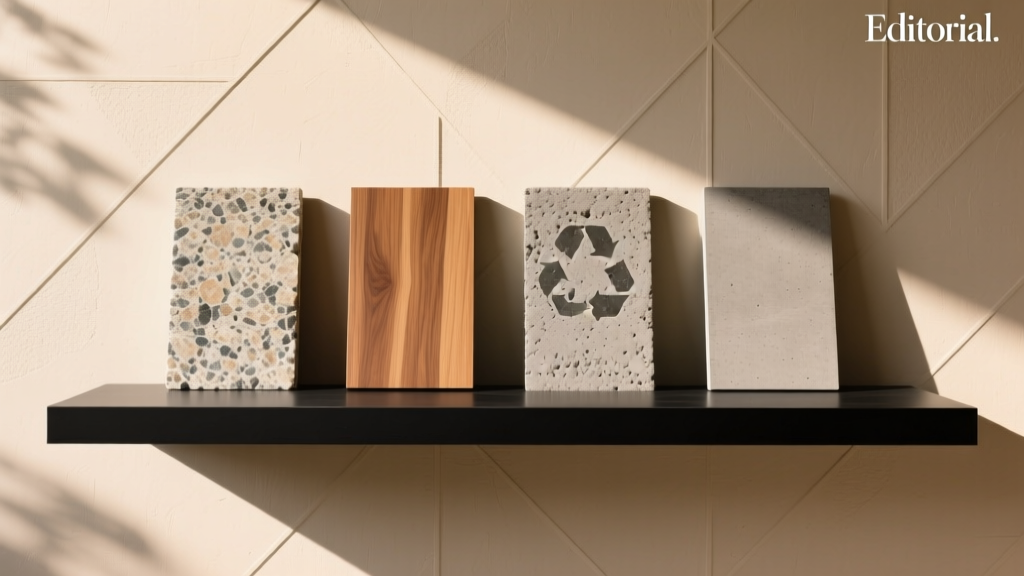 Outdoor Bar Top Material Comparison - The Decor Mag
 Best Outdoor Bar Fruit Bowl Display - The Decor Mag
 Best Outdoor Bench Options for Entryways - The Decor Mag
 Upcycled Garden Planters: Creative Balcony Container Ideas
 Best Outdoor Bar Cutting Board Station - The Decor Mag
 Premium Outdoor Living Trends 2026: Innovation, Sustainability, and Elevated Craftsmanship
 Best Outdoor Planters for Every Style - The Decor Mag
 How to Create Privacy in Your Yard - The Decor Mag
 Trends for Height: Elevating Outdoor Living with Smart Vertical Design
 Outdoor Retractable Awning Guide - The Decor Mag