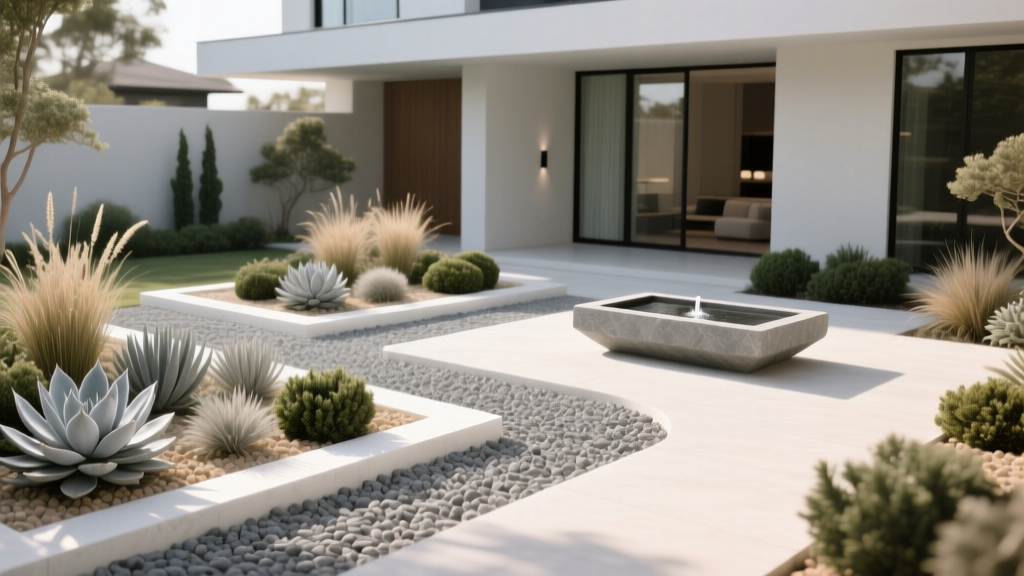
How to Design a Gravel Garden - The Decor Mag
A beautiful outdoor living space doesn’t have to mean thirsty lawns, fussy flower beds, or constant weekend upkeep. A well-designed gravel garden delivers the relaxed, modern feel homeowners love—crisp lines, natural texture, and plants that thrive with less water—while creating a patio-like surface that invites you to step outside more often.
Gravel also solves real-life landscape headaches. It drains quickly after rain, helps reduce mud tracked into the house, and can turn awkward side yards, sunny slopes, and drought-prone areas into polished, functional spaces. When you approach it like a true landscape design project—planning layout, plant palette, and materials—it becomes more than “rocks on the ground.” It becomes a year-round framework for outdoor living.
This guide breaks down how to design a gravel garden that looks intentional, stays low-maintenance, and feels welcoming—complete with material recommendations, plant suggestions, layout ideas, budget ranges, and the most common mistakes to avoid.
What Is a Gravel Garden (and Why Homeowners Love It)?
A gravel garden is a landscaped area where gravel acts as the primary ground cover and often doubles as a permeable patio surface. Plants are selected for their ability to handle sharp drainage and heat reflected off stone—think drought-tolerant perennials, Mediterranean herbs, ornamental grasses, and compact shrubs.
Benefits for outdoor living and landscaping
- Low water use: Ideal for drought-prone regions and water-conscious homeowners.
- Quick drainage: Great for rainy climates and areas where puddles or soggy soil linger.
- Low maintenance: Fewer weeds (when installed correctly) and less mowing/edging.
- Design flexibility: From modern minimalist courtyards to cottage-style paths with blooms.
- Year-round structure: Gravel looks tidy in winter when many plants go dormant.
Plan Your Gravel Garden Like an Outdoor Room
The most successful gravel gardens feel like an extension of the home—defined zones, comfortable circulation, and seating that encourages you to linger. Start by choosing your purpose, then design around it.
Step 1: Define how you’ll use the space
Pick one primary function and one secondary function. This keeps the layout clean and prevents a “random path” feel.
- Primary: Dining patio, lounge area, fire pit zone, entry courtyard, side-yard walkway, sunny reading nook
- Secondary: Container garden, herb strip, dog run, pollinator bed, sculpture/feature area
Step 2: Choose a layout style that suits your home
- Modern: Straight lines, large gravel fields, rectangular steel or concrete edging, repeated plant blocks.
- Mediterranean: Warm-toned gravel, herbs, lavender, rosemary, olive-like shrubs, terracotta pots.
- Naturalistic: Curving paths, drifts of grasses and perennials, boulders, mixed gravel sizes (used intentionally).
- Cottage-meets-contemporary: Crisp gravel paths with flowering perennials and clipped evergreen accents.
Step 3: Make circulation comfortable
Gravel is forgiving, but you still want easy movement for people, furniture, and wheelbarrows.
- Main paths: 36–48 inches wide
- Secondary paths: 24–36 inches wide
- Dining and lounge pads: Add a hard surface “island” (pavers or large stepping stones) under table legs for stability
Pick the Right Gravel (Size, Color, and Best Uses)
Not all gravel performs the same. For patio living, foot comfort and stability matter just as much as looks.
Recommended gravel types for gardens and patios
- Pea gravel (3/8 inch): Smooth, comfortable underfoot, great for paths and casual seating areas. Can shift under furniture legs unless stabilized.
- Angular crushed stone (3/8 inch “minus”): Locks together better for higher-traffic areas; excellent for a compacted base.
- Decomposed granite (DG): Compacts into a firmer surface (especially with stabilizer), popular for modern patio design and walkways.
- River rock: Best as an accent or dry creek bed—not ideal for walking surfaces because it rolls.
Color and heat considerations
- Light gravel: Brightens shady yards and stays cooler, but can show leaf litter.
- Mid-tone beige/gray: The easiest “always looks good” choice for most homes.
- Dark gravel: Sleek and modern, but can get hot in full sun and may fade over time.
Budget ranges for gravel materials
- Basic gravel install (DIY): $2–$6 per sq ft (materials + delivery; depends on base prep and edging)
- Mid-range (some hired labor, quality edging): $6–$12 per sq ft
- Premium (DG with stabilizer, steel edging, lighting, feature boulders): $12–$25+ per sq ft
Build a Solid Base: The Difference Between “Pretty” and Long-Lasting
The secret to a gravel garden that stays crisp for years is what you don’t see: proper excavation, a compacted base, and edging that holds the line.
Basic installation layers (typical approach)
- Excavate: Remove sod and soil to a depth of 3–6 inches (more for driveways or heavy-use zones).
- Add base layer: 2–4 inches of compactable crushed stone (often 3/4 inch minus).
- Compact: Use a plate compactor for a stable, patio-ready surface.
- Weed barrier (optional, use wisely): A high-quality woven geotextile can help separate soil from gravel. Avoid thin plastic sheeting that tears and traps water.
- Top layer: 1–2 inches of decorative gravel or DG.
Edging options that look intentional
- Steel edging: Clean, modern lines; excellent for keeping gravel contained.
- Aluminum edging: Similar look, lighter weight, corrosion-resistant.
- Stone or concrete curb: More permanent; great for sloped yards.
- Timber edging: Budget-friendly but can rot over time; best for short-term or rustic looks.
Planting Design: Choose Plants That Love Drainage and Heat
Gravel gardens shine when the plant palette matches the conditions. Think sun, fast drainage, and a bit of reflected heat. Group plants in repeating drifts for a designer look, then weave in evergreen structure for year-round outdoor appeal.
Go-to plant picks for gravel garden landscaping
Perennials for sun and long bloom
- Lavender (Lavandula)
- Catmint (Nepeta)
- Salvia (Salvia nemorosa and relatives)
- Yarrow (Achillea)
- Coreopsis
- Russian sage (Salvia yangii / Perovskia)
- Blanket flower (Gaillardia)
Ornamental grasses for movement and winter interest
- Feather reed grass (Calamagrostis)
- Blue fescue (Festuca glauca)
- Mexican feather grass (Nassella tenuissima; check invasiveness in your region)
- Little bluestem (Schizachyrium)
Compact shrubs and evergreens for structure
- Dwarf boxwood alternatives (look for hardy varieties or consider inkberry holly in humid climates)
- Juniper (low-growing types)
- Rosemary (in warmer zones or protected microclimates)
- Santolina
Groundcovers that pair beautifully with gravel
- Creeping thyme (Thymus serpyllum)
- Sedum (stonecrops)
- Ice plant (Delosperma; best in appropriate climates)
Planting tips for a clean, designed look
- Repeat 3–5 key plants: Repetition is what makes gravel gardens feel cohesive.
- Use drifts, not singles: Plant in groups of 3, 5, or 7 for impact.
- Mix heights: Low groundcovers at edges, mid-height perennials in the middle, shrubs/grasses as anchors.
- Leave breathing room: Gravel shows off plant shapes; avoid overpacking.
Outdoor Furniture and Features That Work Best on Gravel
Gravel is a natural fit for patio living when furniture is chosen for stability and comfort.
Furniture recommendations
- Best chair/table legs: Wide feet or sled-style bases (they sink less).
- Materials that complement gravel: Teak, powder-coated aluminum, woven resin, steel with outdoor-rated finish.
- Stabilizing hacks: Place a paver “pad” under each leg, or create a paver inset rectangle under the entire dining set.
Design features that elevate a gravel garden
- Stepping stone path: Large-format concrete or natural stone slabs set flush with gravel for an upscale walkway.
- Fire pit zone: Use decomposed granite or compacted crushed stone for stability; keep a clear, non-plant perimeter for safety.
- Lighting: Low-voltage path lights, warm uplights on ornamental grasses, or string lights over a seating area for year-round ambiance.
- Water feature: A simple bubbler fountain on a gravel court adds sound without high maintenance.
Climate and Seasonal Considerations for Year-Round Outdoor Living
Your local climate influences gravel choice, plant selection, and maintenance routines. Design with seasons in mind so your outdoor space stays inviting beyond summer.
Hot, dry climates
- Choose light to mid-tone gravel to reduce heat absorption.
- Prioritize drought-tolerant plants and drip irrigation for the first 1–2 seasons.
- Add a shade element: pergola, sail shade, or a small tree in a mulched island (trees generally prefer mulch over gravel at the root zone).
Rainy or humid climates
- Use angular gravel and a well-compacted base to prevent rutting.
- Increase airflow by spacing plants to reduce mildew issues.
- Select mildew-resistant perennials and avoid overcrowding around seating areas.
Cold climates with freeze/thaw and snow
- Steel edging and a solid base help keep lines crisp after winter.
- Choose hardy plants and include evergreens or ornamental grasses for winter texture.
- Use a plastic shovel to clear snow without scraping gravel into piles.
Maintenance: Keep It Low-Effort, Not Neglected
Gravel gardens are low maintenance, not no maintenance. A simple seasonal routine keeps them looking fresh.
Seasonal upkeep checklist
- Spring: Light raking, top up thin areas, prune perennials, refresh edges.
- Summer: Spot-weed early, check irrigation (if used), deadhead for extended blooms.
- Fall: Leaf-blow gently (low setting), cut back perennials as desired, plant bulbs in pockets for spring color.
- Winter: Keep paths clear and avoid piling de-icing salts near planting zones.
Weed control that actually works
- Install a proper base (most weeds come from windblown seeds, but poor prep makes it worse).
- Use a pre-emergent if appropriate for your garden style and local guidelines.
- Hand-weed small seedlings after rain—fast, easy, and keeps you ahead.
Common Mistakes to Avoid
- Skipping edging: Gravel migrates, and the whole space starts to look messy.
- Using the wrong stone size: River rock rolls underfoot; oversized gravel is hard to walk on.
- No base or compaction: This leads to uneven surfaces, sinking furniture, and weeds.
- Overplanting: Gravel gardens look best when plants have room to show shape and texture.
- Ignoring heat reflection: Dark gravel plus full sun can stress plants and make seating areas uncomfortable.
- Forgetting comfort zones: Add shade, lighting, and at least one comfortable seating moment.
FAQ: Designing and Living With a Gravel Garden
Is a gravel garden cheaper than a paver patio?
Often, yes. Gravel and decomposed granite patios typically cost less than full paver installations, especially for larger areas. Costs depend on excavation, base materials, edging, and whether you add stone slabs or lighting.
Do I need landscape fabric under gravel?
It depends. A high-quality woven geotextile can help separate soil from gravel and improve longevity. Avoid cheap plastic sheeting that tears and can trap water. Even with fabric, you’ll still get some weeds from windblown seeds—regular spot weeding is normal.
What’s the best gravel for a patio seating area?
Decomposed granite (compacted, ideally with stabilizer) or angular crushed stone topped with a finer gravel tends to feel more stable under furniture. For comfort underfoot, pea gravel works well, but it can shift more.
Can I grow plants directly in gravel?
Yes, if there is soil beneath and you create planting pockets. Many gravel garden plants prefer well-drained soil. For best results, amend planting holes with compost and choose drought-tolerant plants adapted to sharp drainage.
How do I keep gravel from getting into my lawn or flower beds?
Install strong edging (steel, aluminum, stone, or concrete) and keep the gravel depth consistent. A crisp boundary is the difference between a designed landscape and a messy one.
Will gravel make my yard hotter?
Gravel can reflect and hold heat, especially dark stone in full sun. Choose lighter colors, add planting coverage, and incorporate shade (umbrella, pergola, small tree in a mulched bed) to keep outdoor living areas comfortable.
Next Steps: Create a Gravel Garden That Feels Like a Destination
Start by measuring your space and sketching two zones: a gravel “patio” for seating and a planted gravel border that frames it. Choose one gravel type, commit to clean edging, and repeat a tight plant palette for a designer look. Add one comfort upgrade—string lights, a shade umbrella, or a fire bowl—and you’ll have an outdoor living space that’s easy to maintain and inviting in every season.
For more patio design ideas, landscaping inspiration, and outdoor living upgrades, explore the latest guides on thedecormag.com.
More Articles
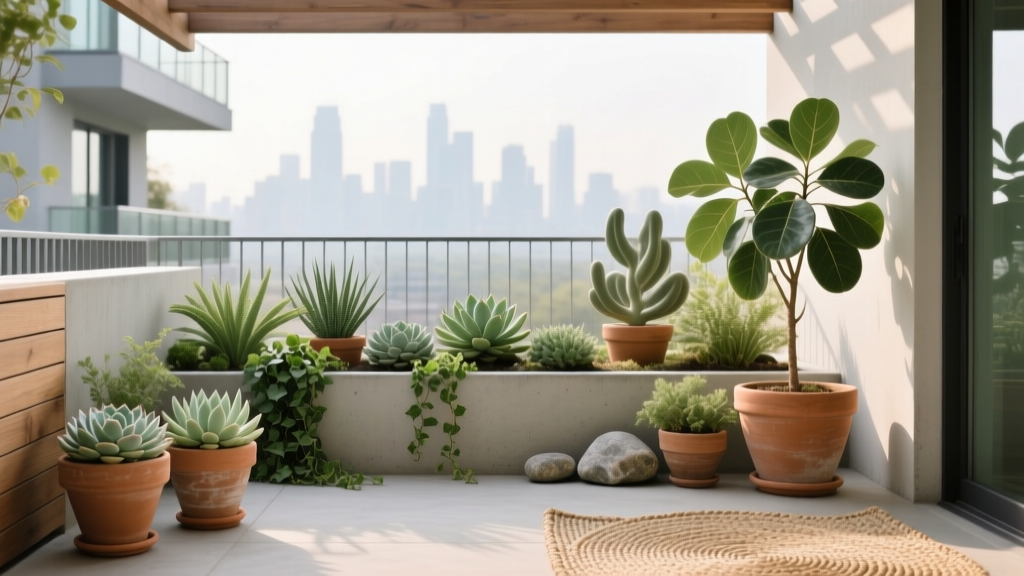 Container Garden Design Inspiration - The Decor Mag
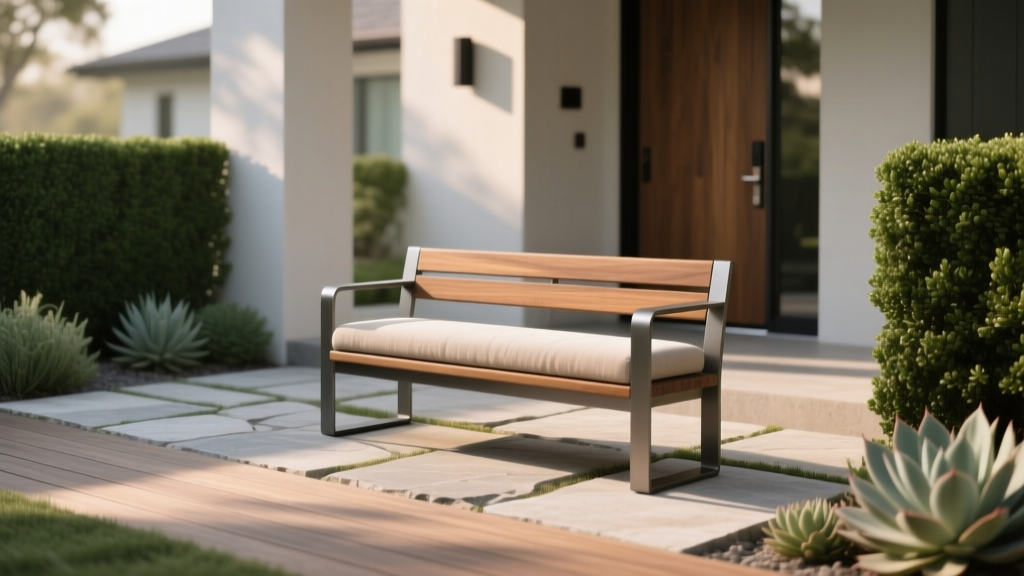 Best Outdoor Bench Options for Entryways - The Decor Mag
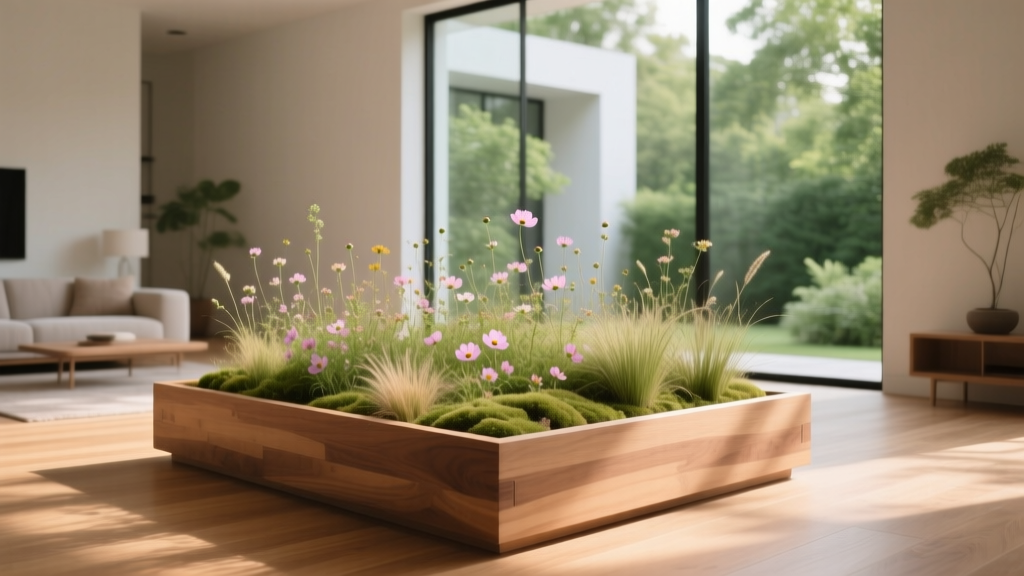 How to Design a Pocket Meadow - The Decor Mag
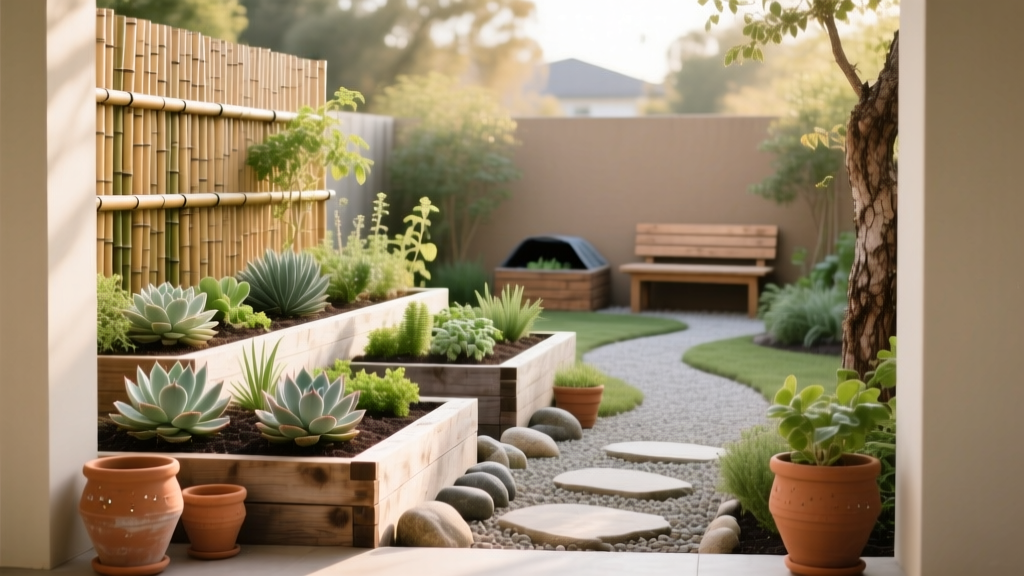 How to Design a Permaculture Garden - The Decor Mag
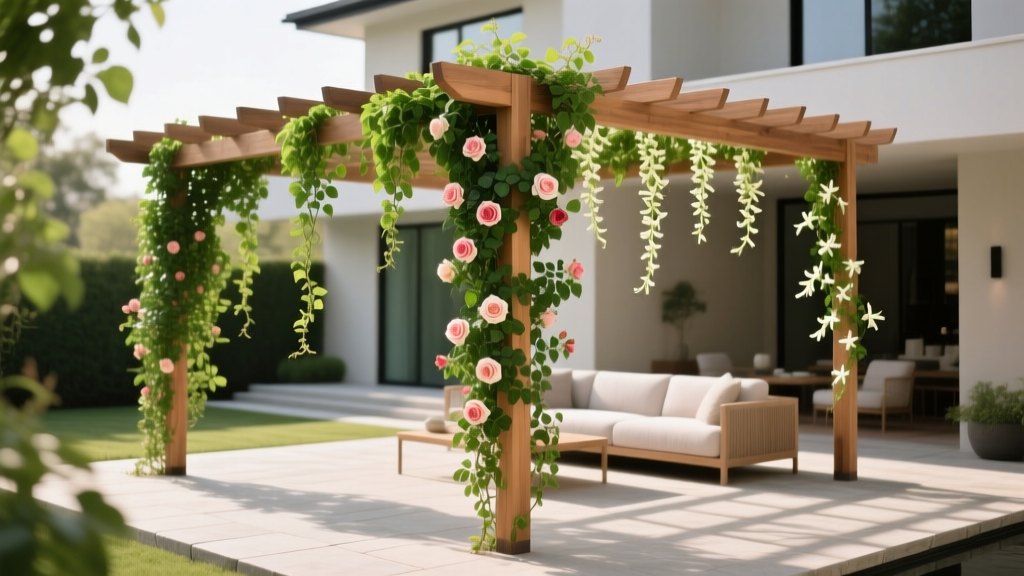 Outdoor Trellis and Climbing Plant Ideas - The Decor Mag
 Outdoor Living Project Checklist: A Practical, Step-by-Step Workflow for Landscape Professionals
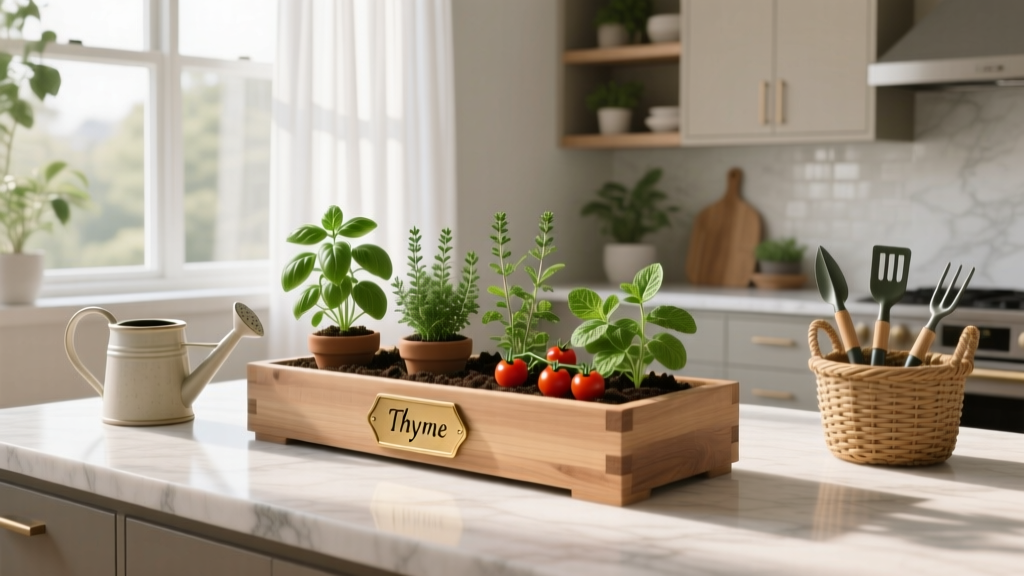 How to Create a Kitchen Garden - The Decor Mag
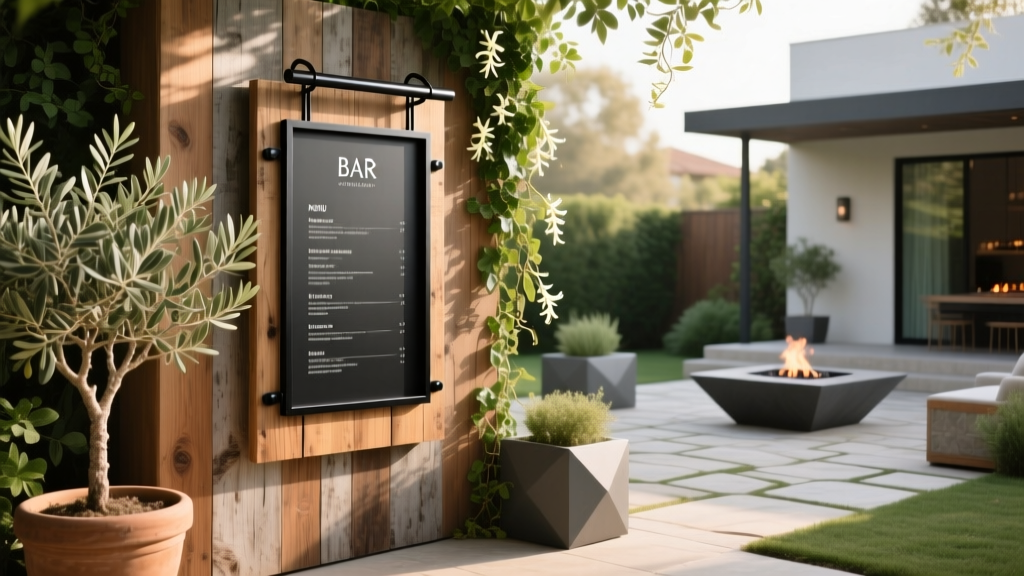 Best Outdoor Bar Menu Board Display - The Decor Mag
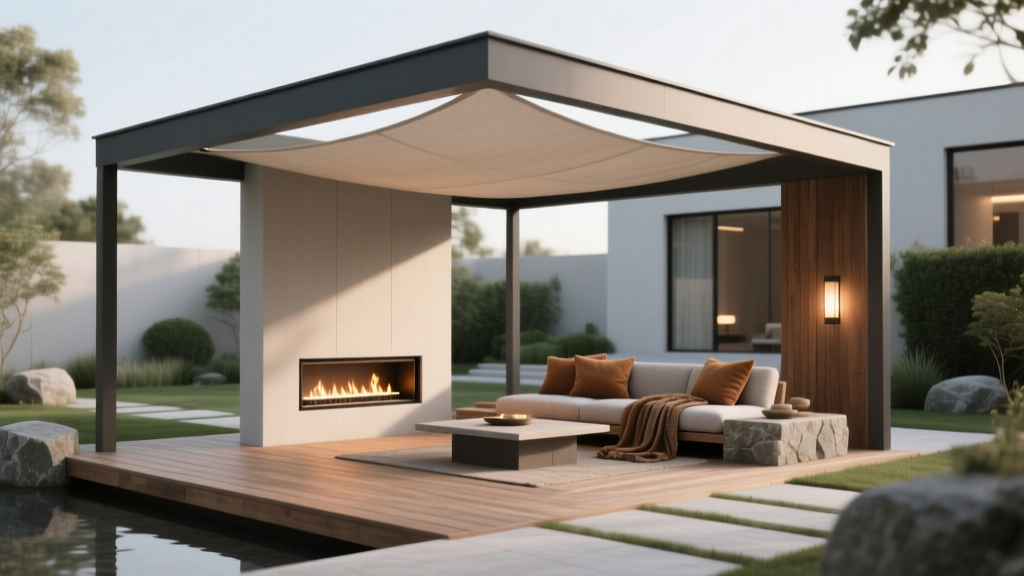 Outdoor Pavilion Heater Placement - The Decor Mag
 Premium Alternatives to Paint: Durable, Sustainable, and Aesthetic Solutions for Outdoor Living Surfaces