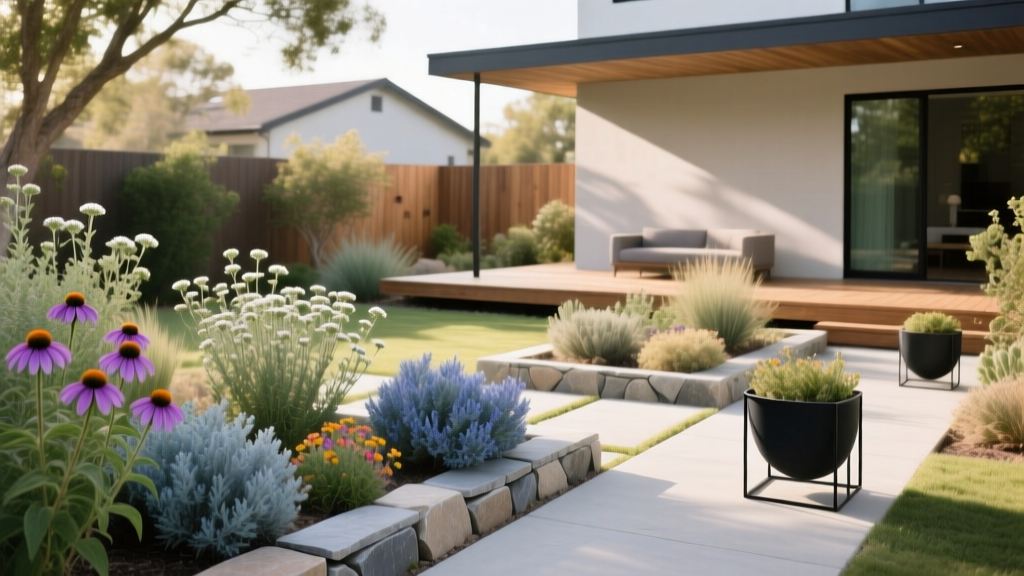
How to Design a Native Plant Garden - The Decor Mag
A great outdoor living space isn’t just about a beautiful patio set or a stylish pergola—it’s about what surrounds it. A native plant garden can turn an ordinary yard into a vibrant, living backdrop that feels intentional, relaxing, and alive with birds and butterflies. When your landscape is designed with plants that belong in your region, your garden tends to look more natural, thrive with less fuss, and support local wildlife in a way typical “one-size-fits-all” landscaping can’t.
Native landscaping also pairs beautifully with modern outdoor design trends: layered plantings, privacy screens, pollinator-friendly borders, and low-maintenance outdoor rooms. Whether you’re refreshing a small patio garden, reworking your front yard, or creating a full backyard oasis, native plants can be the backbone of a smart, sustainable landscape design.
This guide walks you through a practical, homeowner-friendly approach to designing a native plant garden—from layout and plant selection to hardscape materials, outdoor furniture, seasonal interest, maintenance plans, budget ranges, and common mistakes to avoid.
What “Native Plant Garden” Really Means (and Why It Works)
Native plants are species that evolved in your region over thousands of years. They’re adapted to local rainfall patterns, soils, temperatures, and local pests—meaning they often need less irrigation, fewer chemicals, and less babying once established.
Benefits for outdoor living and landscape design
- Lower maintenance over time: Less watering, fewer inputs, less replanting.
- More resilient landscaping: Better performance during heat waves, drought, or heavy rains (when matched to the right site conditions).
- Four-season beauty: Spring blooms, summer color, fall foliage, and winter structure with seed heads and grasses.
- Wildlife value: Native flowers, shrubs, and trees support local pollinators and birds.
- A cohesive outdoor room: Naturalistic planting styles soften patios, walkways, fences, and decks.
Step 1: Start with Your Outdoor Living Goals
Before you shop for plants, think like a designer: how do you want to use your yard? A native plant garden is most successful when it supports your lifestyle and the flow of your outdoor space.
Define your “outdoor room” functions
- Entertaining: Dining area, grilling zone, conversation seating, lighting.
- Relaxation: Reading nook, hammock space, water feature, quiet views.
- Family use: Play lawn, paths for scooters, durable edges.
- Privacy: Screening from neighbors or street, layered shrubs and small trees.
- Curb appeal: Front-yard native foundation planting and seasonal color.
Quick layout rule for patios and plantings
Give your hardscape “breathing room,” then wrap it with planting layers:
- Hardscape core: Patio/deck + paths.
- Structure layer: Small trees + larger shrubs (privacy, shade, framework).
- Mid-layer: Perennials and medium grasses.
- Edge layer: Groundcovers and low plants to soften borders.
Step 2: Read Your Site Like a Pro
Native plants are hardy, but they’re not magic. The key is matching plants to conditions—sun, soil, and moisture—so your garden looks great without constant maintenance.
Assess these basics (in one weekend)
- Sun: Full sun (6+ hours), part shade (3–6 hours), shade (under 3 hours).
- Moisture: Dry (slopes/sandy), average, or wet (low spots, downspouts).
- Soil: Sandy, loam, clay. Note compaction in new-construction yards.
- Wind and exposure: Open corners may need sturdier shrubs and grasses.
- Drainage: If puddles last 24+ hours, plan a rain garden zone or amend grading.
Practical soil prep that keeps natives happy
- Skip heavy fertilizing: Many natives flop or grow weak with rich soil.
- Add compost strategically: A thin layer (1–2 inches) helps in compacted areas, especially for establishing plants near patios.
- Use mulch wisely: 2–3 inches of shredded hardwood mulch during establishment; keep it off plant crowns.
Step 3: Choose a Style: Structured or Naturalistic
Native gardens can look crisp and designed—perfect for patio living—or wild and meadow-like. Pick a style that fits your home architecture and how “tidy” you want your landscape to feel.
Option A: Structured native garden (great for front yards and modern patios)
- Clean edging (steel, brick, or stone) around beds
- Repeating plant groups for a calm, intentional look
- Strong shapes: clumping grasses, mounded perennials, evergreen anchors
Option B: Naturalistic native garden (ideal for larger yards and relaxed outdoor rooms)
- Curving paths through drifts of grasses and wildflowers
- Layered habitat planting: trees + shrubs + perennials
- More seed heads and winter texture; less formal deadheading
Step 4: Build the Backbone: Trees and Shrubs for Shade, Privacy, and Year-Round Structure
For outdoor design, trees and shrubs do the heavy lifting: they create enclosure, soften fences, define garden “walls,” and make patios comfortable in summer.
Native tree and shrub ideas (choose what’s native to your region)
- Small shade trees: Serviceberry (Amelanchier), Redbud (Cercis), Dogwood (Cornus florida where appropriate).
- Privacy shrubs: Inkberry holly (Ilex glabra), Arrowwood viburnum (Viburnum dentatum), Wax myrtle (Myrica cerifera in suitable climates).
- Pollinator powerhouses: Buttonbush (Cephalanthus), New Jersey tea (Ceanothus americanus), Summersweet (Clethra alnifolia).
- Evergreen structure (region-dependent): Native junipers, native hollies, native pines.
Design tip: layer privacy like a screen, not a wall
Instead of one straight hedge, use a staggered mix:
- 1–2 small trees for canopy
- 3–5 medium shrubs for bulk
- Perennials and grasses at the base to soften and fill gaps
Step 5: Add the Color and Movement: Perennials and Grasses
Perennials and native grasses bring the “garden” to life—color near seating areas, movement along walkways, and seasonal change throughout the year.
Reliable native plant suggestions by sun and moisture
Full sun (average to dry):
- Purple coneflower (Echinacea)
- Black-eyed Susan (Rudbeckia)
- Butterfly weed (Asclepias tuberosa)
- Little bluestem (Schizachyrium scoparium)
- Switchgrass (Panicum virgatum)
Full sun (moist areas / rain gardens):
- Swamp milkweed (Asclepias incarnata)
- Joe-Pye weed (Eutrochium)
- Blue vervain (Verbena hastata)
- Soft rush (Juncus effusus)
Part shade to shade:
- Solomon’s seal (Polygonatum)
- Ferns (native species for your region)
- Wild ginger (Asarum)
- Coral bells (Heuchera—seek native species/regionally appropriate selections)
Planting design that looks intentional (not random)
- Mass in groups of 3, 5, or 7: Repetition reads as “designed.”
- Use a simple color palette: For patios, try white + purple + soft yellow, or pink + blue + silver-green foliage.
- Mix bloom times: Aim for spring, summer, and fall flowering so your outdoor space stays lively.
- Add grasses for structure: They look great all winter and catch light beautifully near seating areas.
Step 6: Integrate Hardscape Materials That Complement Native Landscaping
The best patio living spaces balance plants with durable, good-looking surfaces. Choose materials that feel grounded and natural next to native plant textures.
Material recommendations for paths, patios, and edging
- Patios: Natural stone (bluestone, limestone), concrete pavers in warm neutrals, or broom-finished concrete with a stone border.
- Paths: Decomposed granite (with edging), compacted gravel, or stepping stones set in low groundcover.
- Edging: Steel edging for a modern look; brick for traditional homes; natural stone for a timeless style.
- Mulch: Shredded hardwood mulch (best for slopes and a polished look).
Budget ranges (typical homeowner planning numbers)
- DIY native garden bed refresh (100–200 sq ft): $200–$800 (plants, mulch, basic edging)
- Mid-size designed planting install (300–800 sq ft): $1,200–$5,000+ (depending on shrub/tree sizes)
- Patio + native border upgrade: $4,000–$15,000+ (pavers/stone, base prep, plants, lighting)
Outdoor Furniture and Layout Ideas That Pair with Native Gardens
Native landscaping shines when you can sit in it. Plan seating and dining areas so you’re looking into layered plantings—not just back at the house.
Furniture picks that work in real backyards
- Conversation set: All-weather wicker or powder-coated aluminum for low upkeep.
- Dining set: Teak, aluminum, or high-quality composite for durability.
- Bench moment: A simple wood or metal bench tucked into a planting border creates a destination.
- Textiles: Outdoor performance fabric cushions in earthy tones that echo grasses and seed heads.
Layout tips for year-round outdoor living
- Place seating where you’ll catch winter sun and summer shade (use a small tree or pergola for seasonal comfort).
- Keep a 3–4 foot clear path from door to patio and grill area.
- Add low-voltage landscape lighting to highlight grasses and tree trunks for winter evenings.
Seasonal Design: Keep Your Native Garden Beautiful All Year
The secret to a four-season landscape is mixing bloom with structure. That means pairing flowers with grasses, shrubs, and plants that look good even when dormant.
- Spring: Early bloomers + fresh foliage near entries and patio views.
- Summer: Peak color around seating zones; taller plants at the back for depth.
- Fall: Late-season flowers (think asters and goldenrods where native) and ornamental seed heads.
- Winter: Leave many seed heads standing; rely on evergreens, grasses, and interesting bark for structure.
Maintenance and Climate Considerations (What to Expect the First 3 Years)
Native plant gardens are often “low maintenance,” but they aren’t “no maintenance,” especially while establishing.
The establishment timeline
- Year 1: Water regularly, weed often, and mulch to reduce competition.
- Year 2: Plants fill in; reduce watering; spot-weed and replace any underperformers.
- Year 3: The garden hits stride—less watering, more stability, and stronger seasonal display.
Smart watering approach
- Use drip irrigation or soaker hoses for new plantings near patios and foundations.
- Water deeply 1–2 times per week during establishment rather than light daily watering.
- In hot climates or sandy soils, increase frequency during heat waves.
Pruning and cleanup tips
- Do a major cutback in late winter/early spring for many perennials and grasses.
- Leave stems and seed heads through winter for texture and wildlife value.
- Prune shrubs for shape lightly; avoid shearing everything into boxes unless your style is formal.
Common Mistakes to Avoid
- Choosing “native” without matching the site: A wetland plant in a dry bed will struggle no matter how native it is.
- Overcrowding at install: Small plants need room to mature—tight spacing leads to disease and constant dividing.
- Planting one of everything: It reads messy and makes maintenance harder. Repeat fewer varieties in larger groups.
- Relying on mulch forever: Mulch helps early; long-term, aim for living groundcovers that knit the soil.
- Skipping a defined edge: Especially near patios and walkways, crisp edging keeps native gardens looking polished.
- Expecting instant results: Natives often “sleep, creep, then leap.” Give them time.
FAQ: Designing a Native Plant Garden
How do I find out what plants are native to my area?
Start with your state native plant society, local extension office, or a reputable local nursery that specializes in native landscaping. Search by your zip code and focus on plants suited to your sun and moisture conditions.
Can a native garden still look clean and modern?
Yes. Use repetition, limited plant palettes, steel or stone edging, and structured shrubs. Keep taller plants away from tight walkways and place bold grasses in intentional drifts.
Do native plants attract bugs?
A healthy garden supports a balanced ecosystem, which includes insects. The payoff is more birds and pollinators, and fewer severe pest outbreaks over time. Place flowering plants a few feet away from high-traffic patio seating if you’re concerned.
What’s the best native garden approach for a small yard or patio border?
Go vertical with one small tree or large shrub, then add a simple, repeating mix of 2–4 perennials and 1–2 grasses. Keep a clean edge and use containers for accent color near seating.
Is it okay to mix native plants with non-native ornamentals?
In many home landscapes, a thoughtful mix works well. Prioritize natives for the bulk of your planting beds and avoid invasive species. Use non-natives as accents where they support your design style and maintenance preferences.
Next Steps: A Simple Plan You Can Start This Month
- Map your yard: Mark sun/shade, wet/dry zones, and the main patio living areas.
- Pick a style: Structured or naturalistic (or a blend).
- Choose 1–2 “backbone” shrubs and 1 small tree: Place them for shade, privacy, or framing a view.
- Select 5–7 perennials/grasses: Repeat them in groups for a designer look.
- Install edging and refresh mulch: Instant curb appeal and a cleaner patio border.
- Plan lighting: Add path lights and a few uplights for year-round outdoor atmosphere.
A native plant garden is one of the most rewarding upgrades you can make to your outdoor living space: it’s beautiful, resilient, and deeply connected to where you live. For more patio ideas, backyard layouts, and landscaping inspiration, explore fresh outdoor design guides on thedecormag.com.
More Articles
 Outdoor Hammock and Swing Ideas - The Decor Mag
 How to Create a Starlight Garden - The Decor Mag
 Outdoor Kitchen Sink Apron Front Ideas - The Decor Mag
 Outdoor Pergola Lattice Roof Pattern - The Decor Mag
 Deck vs Patio Design Comparison - The Decor Mag
 Best Outdoor Bar Lemon Wedge Bowl - The Decor Mag
 Best Outdoor Bar Grapefruit Wedge Bowl - The Decor Mag
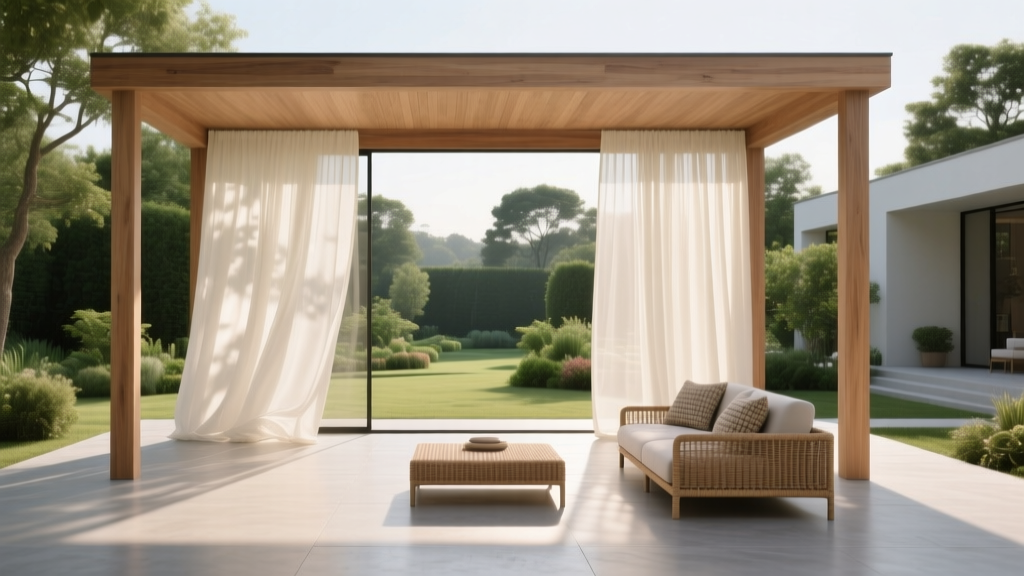 Outdoor Gazebo with Screen Curtains - The Decor Mag
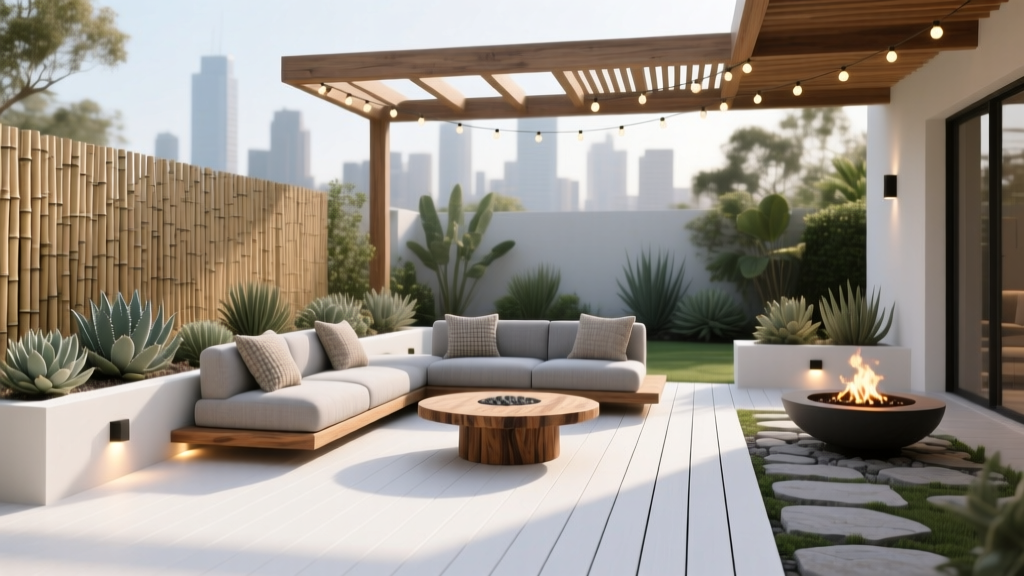 How to Create an Outdoor Entertainment Area - The Decor Mag
 Kid-Safe Outdoor Furniture: Materials That Survive Play