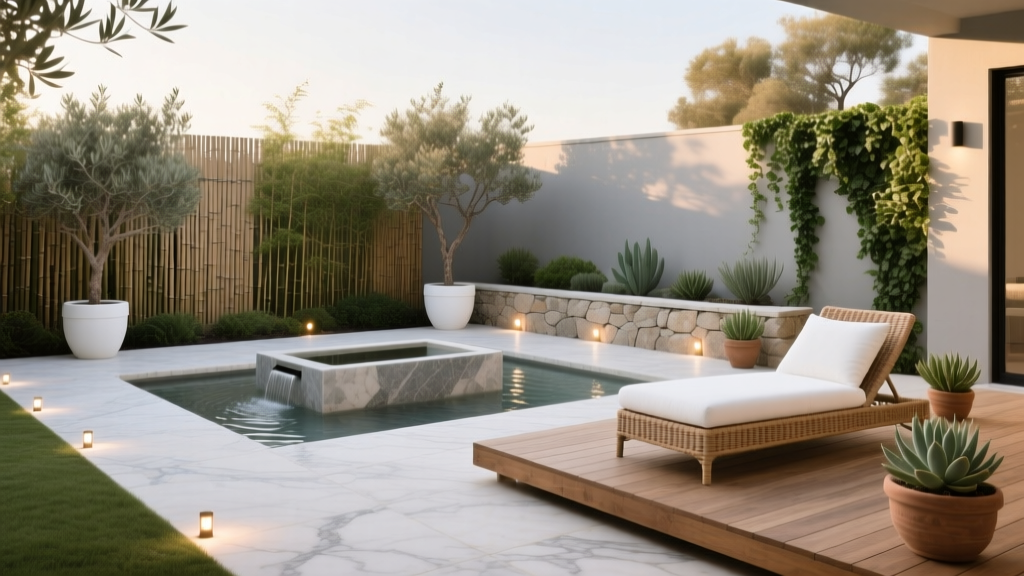
How to Design a Backyard Oasis - The Decor Mag
A backyard oasis isn’t just a pretty patio and a few plants—it’s an outdoor living space that makes you feel like you can finally exhale. Done well, it becomes the “extra room” you use the most: morning coffee in the sun, family dinners under the lights, weekend lounging with a book, and impromptu gatherings that spill outside without effort.
Designing a relaxing, functional yard also boosts everyday quality of life and adds real value to your home. With smart planning—layout, materials, plants, lighting, and climate-savvy choices—you can create a resort-like atmosphere at almost any budget, whether you have a compact patio or a sprawling garden.
1) Start with a Vision: What Does “Oasis” Mean for You?
The best backyard design starts with intention. Before shopping for outdoor furniture or choosing plants, define what you want your outdoor space to do. This step prevents the most common problem: a yard full of nice items that don’t work together.
Choose your top 2–3 priorities
- Entertaining: outdoor dining, bar area, built-in grill, extra seating
- Relaxation: lounge chairs, daybed, hammock, water feature, shade
- Family-friendly: open lawn, durable surfaces, storage for toys, safe plant choices
- Garden-focused: lush planting beds, raised planters, greenhouse, potting station
- Wellness: spa/hot tub, sauna, yoga deck, cold plunge, privacy screening
Quick yard assessment checklist
- Sun and shade patterns (morning vs afternoon heat)
- Prevailing winds and privacy sightlines
- Drainage issues after rain (puddles near patio?)
- Existing trees (assets for shade; roots may affect paving)
- Views to highlight (garden bed) or hide (neighbors, utilities)
2) Plan the Layout Like an Outdoor Floor Plan
Great outdoor living feels effortless because the layout is intentional. Think of your backyard like a home interior: define “rooms,” connect them with clear pathways, and size everything to human comfort.
Create zones (and keep them close enough to use)
A classic backyard oasis layout includes:
- Lounge zone: sofa seating or lounge chairs, side tables, fire pit
- Dining zone: table close to the kitchen for easy serving
- Green zone: planting beds, container garden, or lawn for softness
- Destination feature: pergola, water feature, spa, or focal planting vignette
Comfortable spacing guidelines
- Main walking path: 36–48 inches wide
- Space behind dining chairs: 36 inches minimum
- Conversation seating distance: 6–10 feet between people
- Fire pit clearance: follow manufacturer specs; often 24–36 inches from seating to fire edge
Design trick: build around one focal point
Pick one anchor—like a fire table, a pergola-covered lounge, or a small fountain—and let the rest of the patio living space support it. This keeps the design cohesive and makes the backyard feel curated rather than cluttered.
3) Choose Hardscaping Materials That Look Good and Last
Your hardscape (patio, paths, retaining walls) sets the tone and determines maintenance. Select materials that match your climate and the style of your home.
Best patio materials for a backyard oasis
- Concrete pavers: versatile, repair-friendly, great for modern patios; choose permeable pavers for drainage. Budget: $12–$30 per sq ft installed.
- Porcelain pavers: sleek, stain-resistant, fade-resistant; excellent for pool areas and high-end patios. Budget: $20–$45 per sq ft installed.
- Natural stone (bluestone, travertine, limestone): premium, timeless; choose textured finishes for slip resistance. Budget: $25–$60+ per sq ft installed.
- Gravel (with stabilizer grid): relaxed, cost-effective, great drainage; add steel edging for a crisp look. Budget: $6–$15 per sq ft installed.
- Wood or composite decking: warm underfoot; composite reduces upkeep. Budget: $25–$60 per sq ft installed.
Material pairing ideas (designer-approved)
- Porcelain pavers + black aluminum pergola + warm teak furniture
- Bluestone + natural cedar privacy screen + soft, neutral outdoor textiles
- Gravel courtyard + corten steel planters + drought-tolerant Mediterranean plants
Climate-smart hardscape tips
- Freeze/thaw zones: prioritize concrete pavers or bluestone set on a proper base; avoid poorly installed flagstone that heaves and cracks.
- Hot/sunny climates: choose lighter colors and materials that stay cooler underfoot (travertine and light porcelain are favorites).
- Rainy climates: consider permeable paving, channel drains, and grading that moves water away from the house.
4) Pick Outdoor Furniture That Feels Like Indoor Comfort
An oasis is only as inviting as its seating. Look for weather-resistant performance that still feels plush and elevated.
Best furniture materials for patio living
- Powder-coated aluminum: lightweight, rust-resistant, modern; ideal for coastal or wet climates.
- Teak: naturally weather-resistant; ages to a silver patina unless oiled.
- All-weather wicker (HDPE resin): classic, cozy; avoid cheap PVC wicker that becomes brittle.
- Outdoor fabrics: solution-dyed acrylic (like Sunbrella-style) for fade resistance; quick-dry foam if storms are common.
Must-have pieces for a “resort” feel
- Deep-seating lounge set (sofa + two chairs) with a coffee table
- Dining table sized to your household (or expandable for hosting)
- Shade element: cantilever umbrella, pergola, or retractable awning
- Side tables everywhere (at least one per two seats)
- Outdoor rug + layered pillows for softness and style
Budget ranges for furniture
- Budget-friendly: $800–$2,500 for a small lounge + umbrella (look for aluminum frames and washable cushion covers)
- Mid-range: $2,500–$7,000 for a cohesive lounge and dining set with performance fabric
- High-end: $7,000–$20,000+ for designer modular seating, integrated shade, and premium teak or powder-coated collections
5) Planting Design: Lush, Layered, and Low-Stress
Plants make the difference between a plain patio and a true backyard oasis. The goal: layered greenery that adds privacy, fragrance, and seasonal interest—without demanding constant attention.
Use the “layers” approach
- Canopy: small trees for shade and structure
- Screening layer: hedges or tall grasses for privacy
- Mid-layer: flowering shrubs and perennials for color and texture
- Ground layer: groundcovers to soften edges and reduce weeds
- Container accents: statement pots near seating and entry points
Plant suggestions by vibe (swap to match your zone)
- Tropical resort look: banana (in warm climates), hardy hibiscus, elephant ear (seasonal), bird of paradise (warm zones), coleus in containers
- Mediterranean courtyard: lavender, rosemary, olive (warm zones), sage, thyme, agave, salvia, ornamental grasses
- Cottage garden softness: hydrangea, boxwood, catmint, echinacea, roses, delphinium (cooler zones), climbing clematis
- Modern minimalist: clumping bamboo (non-invasive varieties), yucca, allium, hornbeam hedge, black mondo grass (mild climates), structured evergreens
Dependable small trees for backyard design
- Japanese maple: beautiful form; best with afternoon shade in hot climates
- Crepe myrtle: long bloom season in warm regions
- Serviceberry: spring flowers, berries, and fall color (many climates)
- Olive (fruitless varieties): sun-loving, architectural (warm, dry climates)
Low-maintenance planting tips
- Group plants with similar water needs (drought-tolerant zones vs thirstier beds).
- Install drip irrigation for beds and containers to simplify summer watering.
- Use 2–3 inches of mulch to conserve moisture and suppress weeds (keep mulch away from stems).
- Choose more evergreens if you want year-round structure and privacy.
6) Add Shade, Lighting, and Ambience for Year-Round Outdoor Living
What makes an oasis feel magical isn’t just the big-ticket patio—it's the comfort details that extend your outdoor season from spring through fall (and even winter in milder climates).
Shade solutions (from simple to built-in)
- Cantilever umbrella: flexible, renter-friendly; choose a heavy base and UV-rated fabric.
- Pergola: defines an outdoor room; add a retractable canopy or shade slats.
- Retractable awning: excellent for patios attached to the house; provides fast, adjustable coverage.
- Shade sail: modern look; use proper hardware and tensioning for wind.
Outdoor lighting layers for a designer finish
- Ambient: string lights under a pergola, festoon lights across the patio
- Task: grill lights, downlights near prep areas, step lights on stairs
- Accent: uplights on trees, spotlights on a feature plant, wall wash lighting
- Safety: path lights at transitions and along walkways
Seasonal comfort upgrades
- Spring: add a lightweight fire bowl and easy-clean outdoor cushions for rainy days.
- Summer: incorporate fans under a covered patio, misting systems in dry heat, and extra shade for late afternoon sun.
- Fall: swap in thicker throws, add lanterns, and consider a propane fire table for quick heat.
- Winter: install infrared heaters under a covered area, use evergreen planters, and choose weatherproof storage for textiles.
7) Water and Fire Features: The “Oasis” Multipliers
Few elements instantly elevate backyard landscaping like the sound of water or the glow of fire. Even small features can deliver a big impact.
Water feature ideas
- Compact recirculating fountain: ideal for patios; soothing sound, minimal footprint. Budget: $200–$2,000+
- Bubbling urn or basalt column: modern, sculptural, easy to maintain. Budget: $800–$4,000+
- Small pondless waterfall: dramatic without pond maintenance. Budget: $3,000–$10,000+
Fire feature options
- Wood-burning fire pit: classic and affordable, more cleanup. Budget: $150–$2,500+
- Propane fire table: clean, simple, great for entertaining. Budget: $600–$4,000+
- Built-in gas fire feature: permanent, high-end focal point. Budget: $5,000–$15,000+
Pro tip: Check local codes and HOA rules before installing fire features, especially for built-ins and wood burning.
8) Maintenance and Climate Considerations That Save Your Weekend
A backyard oasis should feel like an escape, not another chore. Make maintenance part of the design from day one.
Easy maintenance choices that pay off
- Opt for fewer plant varieties in larger groups (cleaner look, simpler care).
- Use native or climate-adapted plants for better survival and less watering.
- Choose outdoor materials that match conditions: aluminum in coastal climates, porcelain near pools, sealed natural stone in freeze/thaw areas.
- Add storage: deck box or weatherproof cabinet for cushions, games, and gardening tools.
- Automate where possible: smart irrigation timers, low-voltage lighting with photocells.
Quick seasonal maintenance rhythm
- Spring: clean patio, check irrigation, refresh mulch, prune winter damage
- Summer: deadhead blooms, monitor pests, adjust watering for heat waves
- Fall: cut back perennials as needed, plant bulbs, store cushions, clean gutters near patio areas
- Winter: protect pots from freeze (or use frost-proof planters), avoid salt damage on stone, keep paths safe
9) Common Backyard Oasis Mistakes to Avoid
- No clear layout: buying furniture first often leads to cramped walkways and awkward zones.
- Undersized patio: many homeowners regret going too small—expand if you can, or add a secondary gravel seating area.
- Ignoring shade: a sunny patio without cover becomes unusable in peak summer.
- Too many materials: limit hardscape finishes to 2–3 for a cohesive landscape design.
- High-maintenance plants in the wrong spot: hydrangeas baking in full afternoon sun, thirsty beds far from irrigation, delicate pots in wind tunnels.
- Harsh lighting: one bright floodlight kills ambiance—layer softer, warmer outdoor lighting instead.
- Skipping drainage planning: poor grading can ruin pavers, kill plants, and create mosquito-friendly puddles.
FAQ: Designing a Backyard Oasis
How much does it cost to create a backyard oasis?
Costs vary by scope. A simple refresh with furniture, lighting, and container plants can run $1,500–$6,000. A mid-range patio makeover with new hardscaping and landscaping often lands around $10,000–$35,000. Full outdoor living spaces with pergolas, built-in kitchens, premium materials, and major planting can reach $50,000–$150,000+.
What are the best low-maintenance plants for a relaxing backyard?
Look for climate-adapted choices like lavender, salvia, ornamental grasses, boxwood (or alternatives in your region), rosemary, catmint, and native shrubs. Add evergreens for year-round structure, and use drip irrigation to reduce daily watering.
How can I make a small backyard feel like an oasis?
Focus on one strong focal point (a bistro lounge under a pergola or a small fountain), use vertical space with trellises or privacy screens, and choose multi-functional furniture like a storage bench. Layer lighting and use containers to add lushness without crowding the patio.
What’s the best patio material for hot climates?
Light-colored porcelain pavers and travertine are top choices because they resist fading and can stay cooler than darker surfaces. Prioritize slip resistance if the area gets wet.
How do I create privacy in my backyard without building a tall fence?
Try a layered approach: evergreen hedges or clumping bamboo (non-invasive types), tall ornamental grasses, pergolas with outdoor curtains, and strategic trees or large planters placed along sightlines from neighboring windows.
Next Steps: Turn Your Yard Into an Outdoor Retreat
Start by mapping your zones, then choose one “anchor” feature—like a shaded lounge, a fire table, or a water element. From there, build your backyard oasis with durable patio materials, comfortable outdoor furniture, layered landscaping, and warm outdoor lighting that works across seasons. Even small upgrades—shade, greenery, and seating you actually want to use—can transform your patio living experience in a weekend.
For more inspiring outdoor design, landscaping ideas, and patio upgrades, explore the latest guides and trends on thedecormag.com.
More Articles
 Outdoor Living Budget Checklist: A Practical, Step-by-Step Planning Tool for Homeowners
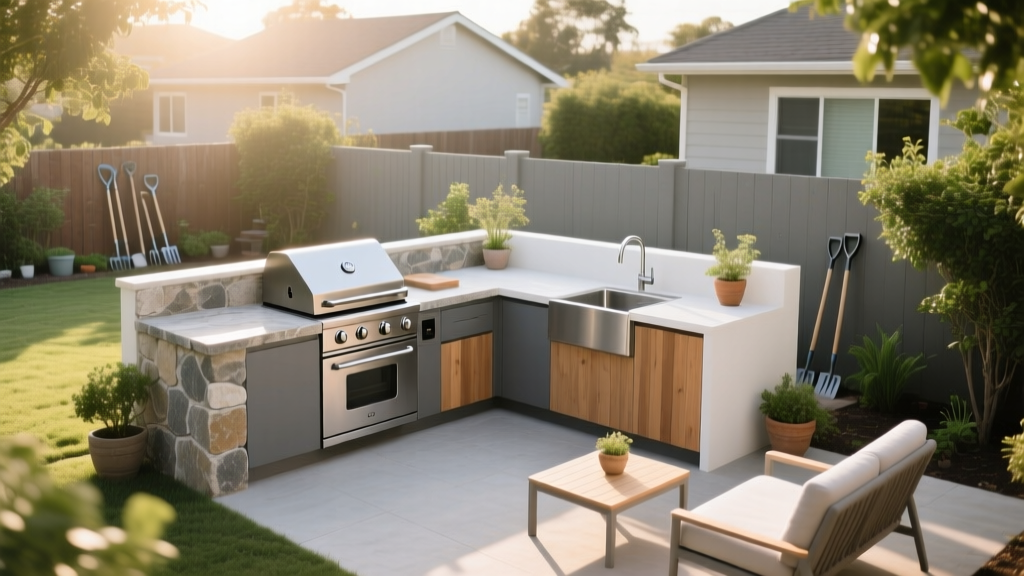 Outdoor Kitchen Ideas: Budget & Space Solutions
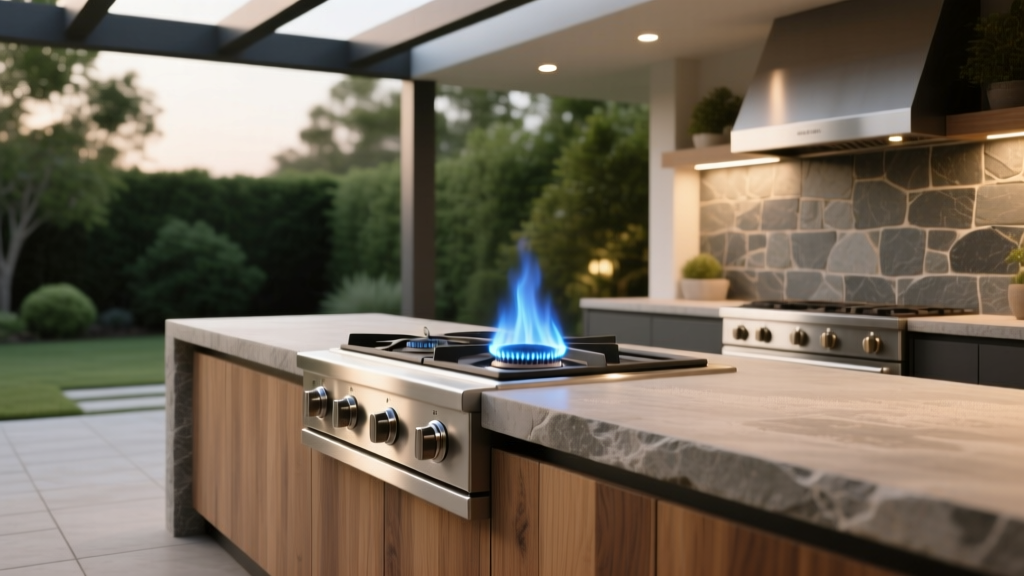 Outdoor Kitchen Side Burner Setup - The Decor Mag
 Outdoor Bar Top Material Comparison - The Decor Mag
 Best Outdoor Swing Bed Ideas - The Decor Mag
 Best Outdoor Bar Charcuterie Station - The Decor Mag
 Outdoor Kitchen Electrical Planning Guide - The Decor Mag
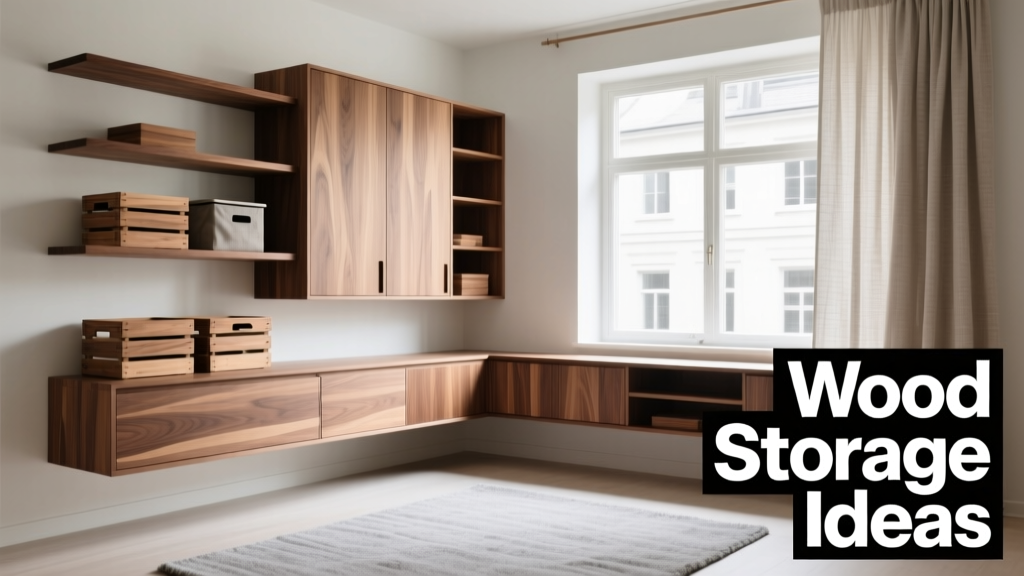 Practical & Aesthetic Wood Storage Ideas for Outdoor Living Spaces
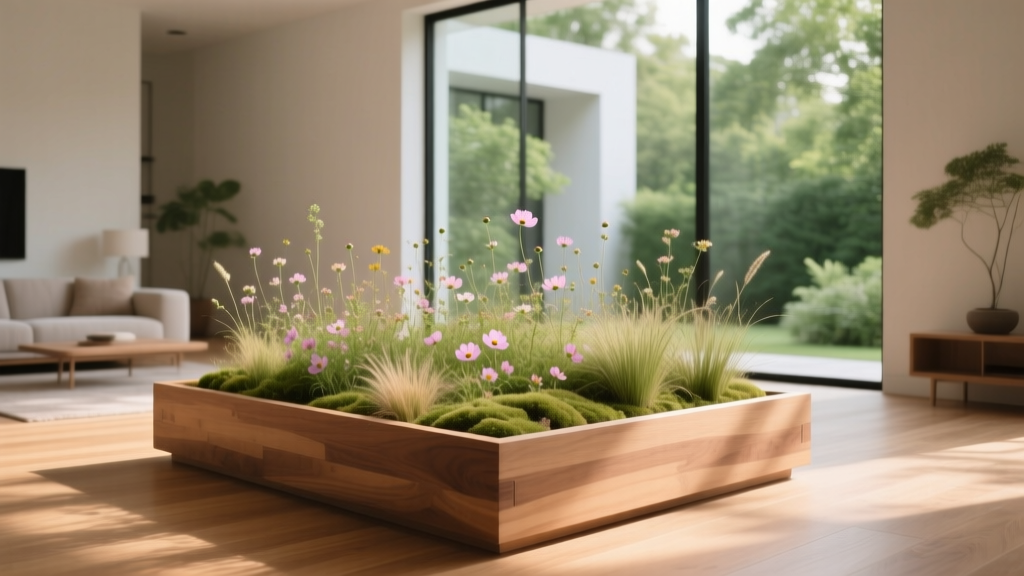 How to Design a Pocket Meadow - The Decor Mag
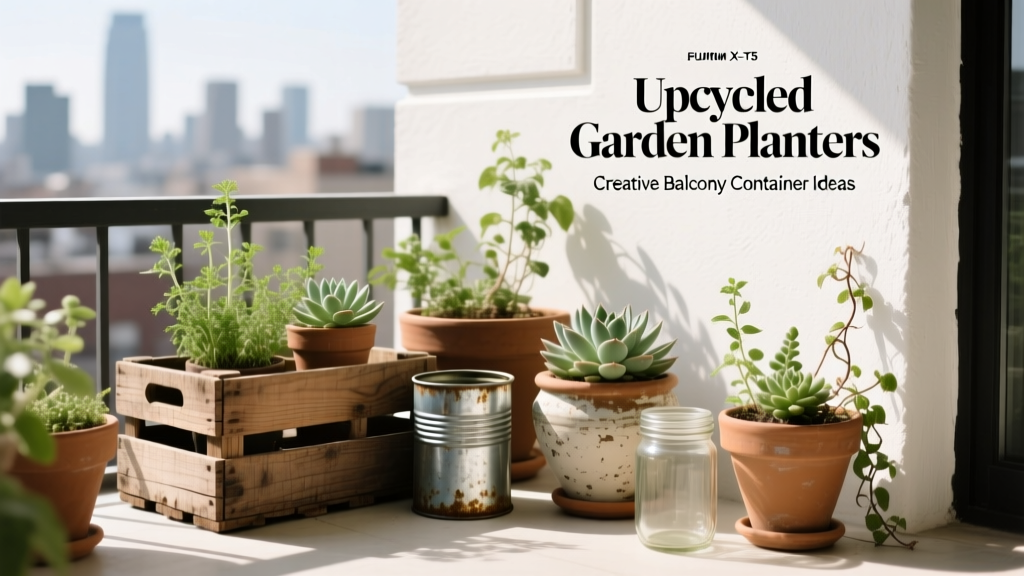 Upcycled Garden Planters: Creative Balcony Container Ideas