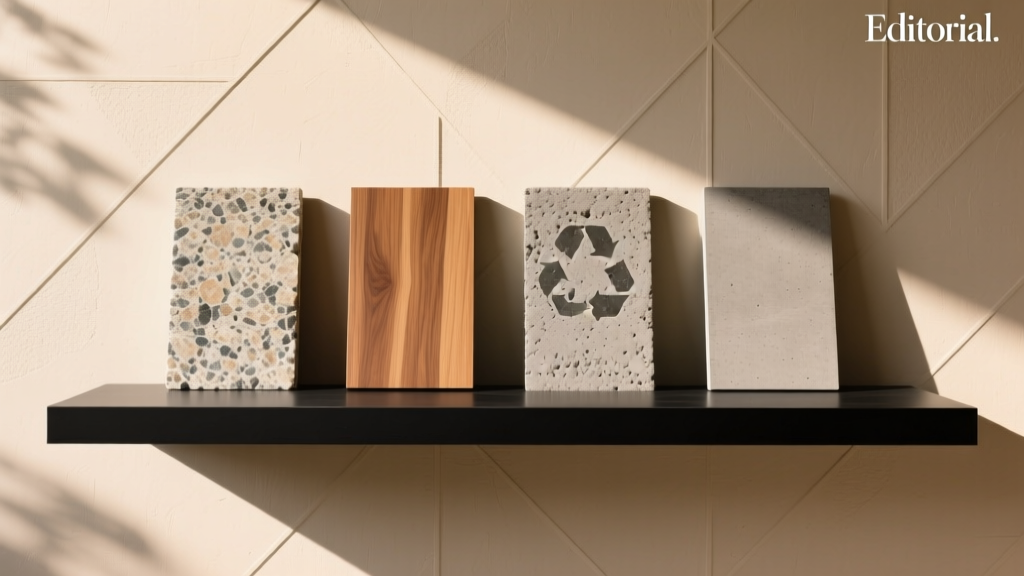
Outdoor Bar Top Material Comparison - The Decor Mag
An outdoor bar is one of the fastest ways to make a patio feel like a destination. It turns a basic seating area into a gathering hub—where morning coffee meets afternoon lemonade, weekend grilling turns into cocktail hour, and holiday hosting feels effortless. But the bar top itself does more than hold drinks; it sets the tone for your entire outdoor living space and determines how often you’ll be wiping, sealing, covering, and repairing.
Choosing the right outdoor bar top material is where design meets real-life durability. Sun, rain, chlorine splash, barbecue grease, freezing temps, salt air, and even falling leaves can take a toll. A gorgeous surface that can’t handle your climate (or your lifestyle) quickly becomes a frustration. The best material is the one that fits your look, your budget, and your tolerance for maintenance—while playing nicely with your landscape design and patio layout.
Below is a practical, design-forward comparison of the most popular outdoor bar top materials, plus tips for styling, landscaping around your bar, and avoiding common mistakes homeowners make when planning year-round outdoor living.
How to Choose the Best Outdoor Bar Top Material
Before you fall for a finish, get clear on a few factors that make or break outdoor performance.
Key Questions to Ask
- Climate: Do you deal with freeze-thaw cycles, intense UV, heavy rain, or salty coastal air?
- Use level: Is this a weekend-only cocktail spot or a daily outdoor kitchen work surface?
- Maintenance tolerance: Are you willing to seal annually, or do you want “hose it off and go”?
- Heat and stain exposure: Will it sit next to a grill, smoker, pizza oven, or fire feature?
- Design style: Modern, Mediterranean, coastal, rustic, or contemporary backyard lounge?
Quick Performance Checklist
- UV resistance: Prevents fading and discoloration in full sun patios.
- Water resistance: Essential for uncovered bars and rainy climates.
- Stain resistance: Think citrus, wine, grease, sunscreen, and leaf tannins.
- Heat resistance: Important if you host with hot pans or place appliances nearby.
- Slip and edge safety: Rounded edges and comfortable overhangs matter for bar seating.
Outdoor Bar Top Materials: Side-by-Side Comparison
Porcelain Slab (Sintered/Porcelain Countertop Panels)
If you want a sleek, designer look with minimal maintenance, porcelain is a top performer for outdoor kitchens and patio bars.
- Best for: Modern patios, rooftop decks, high-use entertaining zones
- Strengths: Extremely UV-stable, nonporous, highly stain-resistant, great in freeze-thaw climates
- Considerations: Needs professional fabrication; edges can chip if impacted
- Design tips: Choose a light concrete-look slab for a bright, airy patio living vibe, or a marble-look vein for upscale resort style.
Typical installed cost: $80–$160+ per sq. ft. (varies by region, thickness, edge detail, and substrate).
Natural Stone: Granite
Granite remains a classic for outdoor bar tops because it handles sun, heat, and weather better than many natural stones.
- Best for: Traditional outdoor kitchens, grill stations, high-heat zones
- Strengths: Great heat resistance, strong durability, wide color range
- Considerations: Most granites still benefit from sealing; some darker stones can show dust/pollen
- Design tips: Pair a charcoal granite with warm ipe or teak bar stools and soft landscape lighting for a resort-style backyard.
Typical installed cost: $60–$120 per sq. ft.
Natural Stone: Marble and Quartzite
Marble is glamorous but can be fussy outdoors. Quartzite is often the better “marble look” option for patios—harder and typically more UV-stable.
- Best for: Covered outdoor bars, low-stain exposure, design-forward spaces
- Strengths: Premium look; quartzite offers better hardness than marble
- Considerations: Marble etches and stains easily; both generally need sealing; confirm UV suitability with your slab yard
- Design tips: If you love light stone, plan for a covered pergola and use coasters and serving trays as part of your styling.
Typical installed cost: $90–$200+ per sq. ft.
Poured-in-Place Concrete
Concrete is a favorite for outdoor living spaces because it can be formed to any shape—curved bars, waterfall edges, integrated drainboards, and custom colors.
- Best for: Custom layouts, built-in seating walls, contemporary and industrial patio design
- Strengths: Fully customizable, strong, can be budget-friendly depending on finish
- Considerations: Can crack; needs sealing; darker pigments can get hot in sun
- Design tips: Use a medium gray with a honed finish for a refined look that hides smudges and pairs beautifully with ornamental grasses.
Typical installed cost: $50–$150 per sq. ft. (DIY precast options can be less; artisan finishes can be more).
Tile (Porcelain or Ceramic) Over a Solid Substrate
Tile gives you endless style options—from Mediterranean patterns to minimalist large-format porcelain. It’s also one of the most budget-flexible choices.
- Best for: DIY-friendly projects, colorful outdoor décor, covered patios
- Strengths: Great UV stability (especially porcelain), easy to replace a damaged tile
- Considerations: Grout lines stain; freeze-thaw can pop tiles if water gets underneath; edges need clean trim detailing
- Design tips: Choose large-format porcelain tile to reduce grout maintenance. Use epoxy grout for better stain resistance.
Typical installed cost: $20–$80 per sq. ft. depending on tile choice and installation.
Stainless Steel
For a professional outdoor kitchen feel, stainless steel is hard to beat—especially in wet climates. It’s also naturally hygienic and heat-resistant.
- Best for: Coastal yards, rainy regions, modern outdoor kitchens
- Strengths: Waterproof, heat-resistant, no sealing, sleek look
- Considerations: Shows fingerprints; can glare in bright sun; can feel “cold” in cozy garden settings unless warmed up with wood and plants
- Design tips: Add warmth with teak bar stools, a cedar slat privacy screen, and lush planters to soften the industrial edge.
Typical installed cost: $70–$140+ per sq. ft. (custom fabrication varies widely).
Outdoor-Rated Quartz and “Engineered Stone” Options
Standard indoor quartz can fade, warp, or discolor in UV and heat. Some brands offer outdoor-rated engineered surfaces—verify product specs before committing.
- Best for: Covered patios with limited direct sun (unless specifically outdoor-rated)
- Strengths: Consistent look, easy cleaning
- Considerations: UV sensitivity and heat issues are common; warranty may exclude outdoor use
- Design tips: If you want the quartz look outdoors, consider porcelain slabs that mimic quartz patterns with better UV performance.
Typical installed cost: $60–$140 per sq. ft. (outdoor-rated products may be higher).
Wood (Ipe, Teak, Cedar, Redwood)
Wood bar tops feel warm and inviting—perfect for a garden bar tucked among greenery. For outdoor use, species choice and finish strategy matter.
- Best for: Cozy backyard lounge areas, rustic pergolas, poolside bars with a resort feel
- Strengths: Comfortable touch, natural beauty, pairs well with landscaping
- Considerations: Requires regular oiling or sealing; can gray over time; can stain from drinks and food; may cup or crack if not built correctly
- Design tips: Use ipe or teak for superior durability. Plan a subtle drip edge and keep the top slightly sloped for water runoff.
Typical installed cost: $40–$120+ per sq. ft. depending on wood species and fabrication.
Compact Laminate / HPL (Outdoor-Rated)
Not all laminates belong outside, but outdoor-rated compact laminate can be a smart mid-budget option for covered patio bars.
- Best for: Covered outdoor living rooms, low-maintenance homeowners, contemporary designs
- Strengths: Easy cleaning, consistent finish, good value
- Considerations: Must be specifically rated for exterior UV and moisture; seams and edge detailing are critical
- Design tips: Choose matte finishes to reduce glare and fingerprints; pair with black aluminum bar stools for a clean, modern patio setup.
Typical installed cost: $30–$90 per sq. ft.
Best Material Picks by Climate and Lifestyle
Hot, Sunny Climates (High UV)
- Top picks: Porcelain slab, light granite, stainless steel
- Tip: Avoid very dark surfaces in full sun—they can become uncomfortably hot. Add a pergola or shade sail for daytime comfort.
Freeze-Thaw Regions (Snowy Winters)
- Top picks: Porcelain slab, granite, properly sealed concrete
- Tip: Prevent water infiltration: prioritize professional substrate prep, avoid porous grout, and keep bar tops covered in winter.
Coastal / Salt Air
- Top picks: Porcelain slab, stainless steel, sealed granite
- Tip: Choose marine-grade stainless (ask about 316) and rinse surfaces occasionally to reduce salt buildup.
Poolside Bars (Chlorine and Wet Swimsuits)
- Top picks: Porcelain slab, stainless steel, textured concrete with strong sealer
- Tip: Add towel hooks and a narrow “dry zone” ledge behind the sink to keep water from sitting on the bar top.
Design Recommendations: Layout, Furniture, and Landscaping Around Your Outdoor Bar
Layout Guidelines That Feel Great to Use
- Bar height: 40–42 inches (typical); counter height is usually 34–36 inches.
- Overhang for knees: 10–12 inches (more if using bulky stools).
- Space behind stools: Aim for 36 inches of clearance for comfortable circulation.
- Lighting: Use warm LED under-counter lighting and a dimmable sconce or pendant under a covered structure.
Furniture Pairings That Elevate the Look
- Porcelain, granite, stainless: Powder-coated aluminum stools with quick-dry cushions for a clean, modern outdoor living space.
- Concrete: Sling-style bar stools for a sleek, breathable option in hot climates.
- Wood tops: Woven resin or teak stools and soft outdoor textiles for a relaxed garden-bar vibe.
Planting Ideas for a Lush “Outdoor Lounge” Feel
Landscaping around an outdoor bar makes it feel intentional and private—like a backyard retreat.
- Fragrant herbs nearby (great for cocktails and cooking): rosemary, basil, thyme, mint (keep mint in a pot), lavender
- Privacy and structure: clumping bamboo (non-invasive varieties), podocarpus, dwarf olive (warm climates), arborvitae (cool climates)
- Softening edges: fountain grass, blue fescue, salvia, catmint, creeping thyme along paver borders
- Statement containers: citrus trees in pots (warm climates), bay laurel, cordyline, dwarf palm varieties
Maintenance Expectations by Material
- Lowest maintenance: porcelain slab, stainless steel
- Moderate maintenance: granite (periodic sealing), outdoor-rated compact laminate
- Higher maintenance: concrete (reseal, watch for cracking), wood (oil/seal), tile (grout care)
Seasonal Care for Year-Round Outdoor Living
- Spring: Deep clean, check caulk lines and seams, inspect for chips or grout cracks, refresh sealer if needed.
- Summer: Use coasters and cutting boards; wipe sunscreen and citrus quickly to prevent staining.
- Fall: Remove leaf buildup to prevent tannin stains (especially on lighter stone and concrete).
- Winter: Cover the bar top; avoid de-icing salts near porous stone and concrete; don’t let water sit and freeze in seams.
Budget Ranges: What Homeowners Can Expect
Your final cost depends on bar size, substrate, edge detail, cutouts (sink/ice bin), and whether you’re building a full outdoor kitchen or a simple patio bar.
- Budget-friendly ($300–$1,500 total): DIY tile, outdoor-rated compact laminate, simple wood top on a sturdy base
- Mid-range ($1,500–$4,500 total): granite remnants, prefabricated stone pieces, sealed concrete, higher-end tile install
- Premium ($4,500–$12,000+ total): porcelain slabs, custom fabricated stainless steel, premium quartzite, complex shapes and waterfall edges
Common Mistakes to Avoid
- Choosing indoor materials for outdoor exposure: Many indoor quartz and laminates aren’t UV-stable and may warp or fade.
- Ignoring the substrate and waterproofing: A great surface fails quickly if the base isn’t properly built, sloped, and sealed.
- Underestimating heat and glare: Polished dark stone can be blinding and scorching in full sun patios.
- Forgetting edge comfort: Sharp edges look sleek but feel harsh on forearms—especially for long, relaxed gatherings.
- Skipping shade planning: Even the best bar top won’t get used if guests are baking. Plan a pergola, umbrella sleeves, or a shade sail.
- Neglecting drainage: Bar tops should shed water; surrounding patio design should avoid puddling near stool zones.
FAQ: Outdoor Bar Top Material Comparison
What is the most durable outdoor bar top material?
Porcelain slabs and stainless steel are among the toughest low-maintenance options for outdoor use. Granite is also highly durable, especially when sealed and maintained properly.
Is concrete a good choice for an outdoor bar top?
Yes—concrete can be excellent outdoors when properly reinforced and sealed. Expect occasional resealing and the possibility of hairline cracks, especially in freeze-thaw climates.
Can I use quartz outdoors?
Most standard indoor quartz is not recommended for direct sun and outdoor heat. If you love that look, consider porcelain slab alternatives or confirm the product is specifically rated and warrantied for exterior use.
What’s best for a poolside outdoor bar?
Porcelain slab and stainless steel handle splashes, sunscreen, and moisture with minimal fuss. If you choose concrete or stone, use a high-quality sealer and wipe standing water regularly.
How do I make my outdoor bar feel more “built-in” and landscaped?
Anchor the bar with layered planting: taller privacy shrubs behind, medium-height grasses and flowering perennials to the sides, and container herbs within arm’s reach. Add warm lighting and matching finishes that tie into your patio pavers and outdoor furniture.
Do I need to cover my outdoor bar top?
A cover extends the life of almost any material—especially wood, concrete, tile grout, and natural stone. It’s a smart move for winter weather, heavy leaf drop seasons, and intense summer sun.
Next Steps: Choose Your Material, Then Design the Experience
Start by matching your bar top material to your climate and how you actually entertain. If you want minimal maintenance with a high-end look, porcelain is tough to beat. If you love warmth and character, choose a durable hardwood and commit to a simple seasonal oiling routine. If customization is your priority, concrete can deliver a one-of-a-kind patio centerpiece.
Once the surface is chosen, elevate the entire outdoor living space with the right layout clearances, comfortable stools, layered landscape planting, and lighting that keeps the party going after sunset. For more patio design inspiration, outdoor kitchen ideas, and landscaping tips for year-round backyard enjoyment, explore more guides on thedecormag.com.
More Articles
 Poolside Design and Decor Ideas - The Decor Mag
 Container Garden Design Inspiration - The Decor Mag
 Outdoor Kitchen Electrical Planning Guide - The Decor Mag
 Best Outdoor Bar Garnish Tray Ideas - The Decor Mag
 Outdoor Arbor and Gate Design Ideas - The Decor Mag
 Best Pergola and Shade Structure Ideas - The Decor Mag
 How to Create a Butterfly Garden - The Decor Mag
 How to Create an Outdoor Dining Area - The Decor Mag
 Premium Outdoor Living Trends 2026: Innovation, Sustainability, and Elevated Craftsmanship
 Best Outdoor Bar Vinegar Collection Display - The Decor Mag