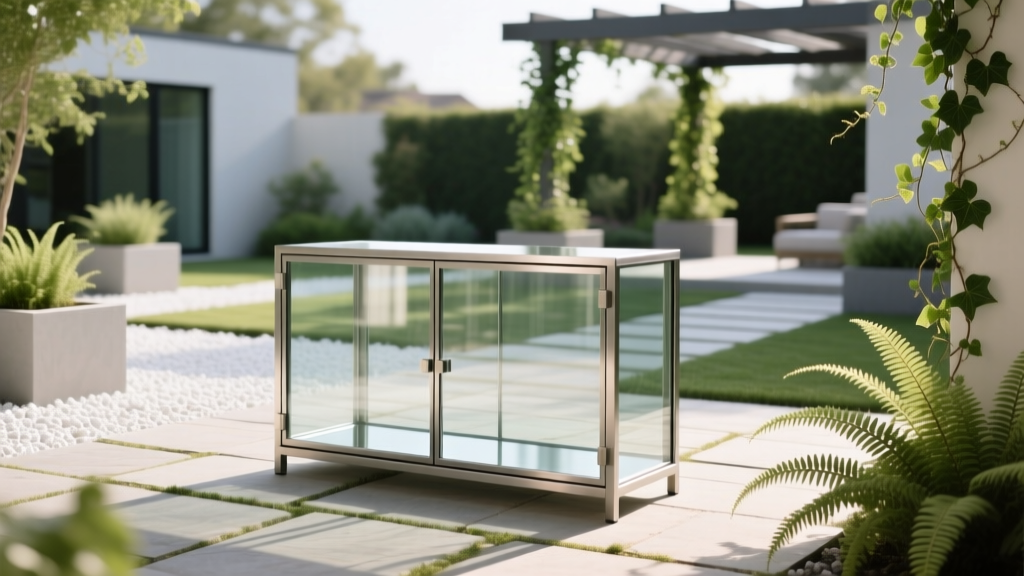
Best Outdoor Glass Storage Cabinet - The Decor Mag
An outdoor living space feels effortless when everything has a home—candles, citronella, grilling tools, serving trays, plant care supplies, kids’ outdoor games, even the extra throw blankets you want nearby on cool nights. The right storage keeps your patio or backyard from looking “temporary,” and that’s where an outdoor glass storage cabinet shines: it adds structure, elevates your styling, and makes entertaining smoother.
Glass-front cabinets also bring a design advantage that closed plastic bins can’t match: they create a curated, furniture-like look. You can display handsome barware, stacked dinnerware, woven baskets, lanterns, or a collection of terracotta pots while still protecting items from dust, pollen, and splashes. Done well, it becomes a focal point for outdoor design—one that supports year-round outdoor living with smart materials and placement.
This guide breaks down what to look for, the best cabinet styles for patios and gardens, climate-specific tips, and mistakes that shorten a cabinet’s lifespan. You’ll also find practical recommendations—materials, layouts, styling ideas, and budget ranges—so you can choose a cabinet that looks intentional and performs in real weather.
What Makes an Outdoor Glass Storage Cabinet “The Best”?
Outdoor cabinets need to handle sun, temperature swings, moisture, wind-driven rain, and everyday use. The “best” choice is the one that matches your climate, your storage goals, and your patio layout—without becoming a maintenance burden.
Key Features to Prioritize
- Weather-resistant frame: Powder-coated aluminum, marine-grade polymer, stainless steel (304 or 316), or exterior-rated teak/eucalyptus are top performers.
- Outdoor-safe glazing: Tempered glass is ideal; laminated glass adds safety. Look for thicker panels and solid hardware.
- Rust-proof hardware: Stainless hinges, quality magnetic catches, and corrosion-resistant screws keep doors aligned.
- Ventilation and drainage: Subtle vents prevent musty odors; raised feet or toe-kicks help avoid puddle contact.
- Adjustable shelves: Customizable heights make room for pitchers, planters, tall bottles, or folded outdoor textiles.
- Lockable doors (optional): Helpful for shared spaces, pool areas, or homes with kids.
- UV stability: Outdoor-rated finishes reduce fading and chalking in full sun.
Best Glass Types for Outdoor Use
- Tempered glass: Strong and safer if broken; a great default for outdoor furniture.
- Frosted or reeded glass: Softens the view of clutter while still looking elevated—excellent for everyday storage.
- Clear glass: Best for display styling (barware, ceramics, lanterns), but demands tidier organization.
- Tinted glass: Adds sun protection and hides dust, great for bright patios.
Top Outdoor Glass Storage Cabinet Styles (And Where Each Works Best)
Instead of one “universal” cabinet, outdoor design works best when the cabinet matches how you use your patio, deck, or garden. These are the most functional cabinet types homeowners love for outdoor living spaces.
1) Outdoor Bar Cabinet with Glass Doors
Best for: Entertaining patios, pool decks, outdoor kitchens, and covered porches.
A glass-front bar cabinet keeps cocktails and mocktails organized while looking like real furniture. Choose one with a durable countertop (stone, stainless, or porcelain top) and interior racks.
- Look for: Built-in wine glass holders, bottle storage, a prep surface, and soft-close hinges.
- Style tip: Display a tray with bitters/syrups, stack shatter-resistant acrylic tumblers, and add a small battery lantern inside for evening glow.
Budget range: $250–$800 for resin/aluminum; $900–$2,500+ for premium stainless or teak designs.
2) Outdoor Buffet or Sideboard with Glass Fronts
Best for: Dining patios, grill zones, and outdoor entertaining layouts.
Buffets make hosting easier: plates, napkins, serving utensils, and tabletop décor live right where you need them. Glass doors add a polished, indoor-outdoor feel.
- Materials to favor: Powder-coated aluminum frames, HDPE lumber, or teak with exterior oil finish.
- Countertop options: Stainless steel for easy cleaning; porcelain slab for a high-end, stain-resistant surface.
Budget range: $300–$1,200 typical; $1,500–$4,000 for premium outdoor kitchen-quality units.
3) Outdoor Garden Storage Cabinet with Glass Display
Best for: Potting areas, greenhouse-adjacent patios, garden sheds, and side-yard utility zones you want to look nicer.
This style blends practical storage (gloves, pruners, fertilizers) with display shelving for pots, seed jars, or small plants.
- Design win: Reeded/frosted glass disguises messy supplies.
- Bonus feature: A pull-out shelf or fold-down work surface for quick potting tasks.
Budget range: $180–$700 for compact units; $800–$2,000 for larger, furniture-grade cabinets.
4) Tall Outdoor Pantry Cabinet (Glass Upper + Solid Lower)
Best for: Small patios, tight outdoor kitchens, and homeowners who want maximum storage footprint.
A tall cabinet is a space-saver: glass up top for display, solid doors below for bulkier or less-attractive items.
- Best placement: Against a sheltered wall or under an eave to reduce wind-driven rain.
- Organization tip: Use labeled, lidded bins inside—especially for charcoal, pellets, or pool supplies.
Budget range: $250–$1,000; $1,200–$3,500 for stainless outdoor-kitchen pantry towers.
Best Materials for Outdoor Glass Cabinets (What Actually Holds Up)
Outdoor design is as much about materials as it is about style. A cabinet can look perfect online and fail fast outdoors if the construction isn’t suited to your climate.
Frames & Body Materials
- Powder-coated aluminum: Lightweight, rust-resistant, great for coastal and humid climates. Choose a thicker gauge for sturdiness.
- Stainless steel (304/316): The gold standard for outdoor kitchens. 316 is best near saltwater.
- HDPE lumber (poly “wood”): Excellent for rain, snow, and intense sun; low maintenance and won’t rot.
- Teak: Naturally rot-resistant and beautiful; needs periodic cleaning and optional oiling depending on your preferred patina.
- Exterior-rated marine plywood (sealed): Works only if expertly sealed and kept mostly covered; avoid if your cabinet sits in open weather.
What to Avoid (Unless Fully Protected)
- Untreated steel: Rusts quickly outdoors.
- MDF/particleboard: Swells and fails with humidity and rain exposure.
- Indoor-only wood finishes: Peel, fade, and invite moisture damage.
Outdoor Cabinet Placement & Layout Ideas That Make Patios Feel Designed
A glass storage cabinet can do more than store—it can anchor your patio layout and improve flow between cooking, dining, and lounging.
Smart Placement Options
- Near the dining table: Use it as a buffet station for plates, napkins, serving boards, and candles.
- Adjacent to the grill: Create a “prep + serve” zone with heat-safe materials and a clear landing spot.
- Against a privacy wall or fence: Turn a blank boundary into a styled outdoor vignette with planters and lighting.
- Under a pergola or covered patio: Best for longevity—especially for wood cabinets and clearer glass fronts.
- In a garden potting corner: Pair with a potting bench and vertical trellis for a charming working zone.
Design Pairings That Elevate the Look
- Backdrops: Slatted wood screens, stucco walls, brick, or outdoor-rated paneling.
- Lighting: Warm LED string lights overhead; a rechargeable lamp on top; or solar wall sconces nearby.
- Accessories: Weatherproof trays, lidded baskets, and stone/coir mats to define the station.
Styling a Glass-Front Outdoor Cabinet (So It Looks Intentional, Not Cluttered)
Glass doors put your organization on display. The goal is a clean, curated look that still feels lived-in.
Go-To Styling Formula
- Top shelf: Decorative items (lanterns, small sculptural pieces, stacked bowls).
- Middle shelf: Everyday entertaining essentials (glasses, pitchers, serving plates).
- Bottom shelf: Baskets and bins for odd shapes (bug spray, matches, sunscreen, grill gloves).
Use Bins That Suit Outdoor Life
- Resin or HDPE bins: Easy-clean and moisture-resistant.
- Woven synthetic baskets: Great for texture; won’t mold like natural wicker.
- Stainless canisters: Ideal for matches, skewers, or utensils near the grill.
Plants That Complement Outdoor Cabinets (And Handle Patio Conditions)
A cabinet looks best when it’s part of a larger outdoor design moment. Add plants to soften hard lines and connect the cabinet to the landscape.
Planters for Sun-Drenched Patios
- Lavender: Fragrant, drought-tolerant, perfect near entertaining areas.
- Rosemary: Hardy and useful; looks great in modern or Mediterranean patio styles.
- Agave or yucca: Bold architectural form for contemporary outdoor living spaces.
- Geraniums: Classic patio color with strong performance in sun.
Plants for Part Shade / Covered Patios
- Ferns: Lush texture for shaded seating zones.
- Hostas: Great foliage contrast near wood or stone backdrops.
- Hydrangeas (in suitable zones): Big seasonal impact; keep evenly watered.
- Heuchera (coral bells): Colorful leaves that elevate modern patio styling.
Near the Coast or High Humidity
- Bird of paradise (warm climates): Bold resort vibe.
- Podocarpus or pittosporum (hedge-style): Great for green privacy near cabinets and outdoor kitchens.
- Ornamental grasses: Movement and easy care; choose varieties suited to your zone.
Climate & Seasonal Considerations for Year-Round Outdoor Living
Outdoor storage works best when you plan for the toughest season, not the nicest weekend.
Hot Sun / Desert Climates
- Choose: UV-stable HDPE, powder-coated aluminum, or stainless steel.
- Glass tip: Tinted or reeded glass reduces visible dust and sun exposure on contents.
- Placement: Add shade with a pergola, umbrella, or sail to prevent overheating.
Rainy / Humid Climates
- Choose: Aluminum, stainless, or HDPE; avoid unsealed wood.
- Add: Moisture absorbers inside (replace regularly) and keep items in lidded bins.
- Maintenance: Wipe door seals and tracks to prevent mildew buildup.
Cold Winters / Freeze-Thaw Regions
- Choose: HDPE or stainless; teak can work with proper care and shelter.
- Winter prep: Remove liquids, sensitive ceramics, and anything that can crack from freezing.
- Protect: Use a fitted, breathable cover—avoid plastic tarps that trap condensation.
Coastal / Salt-Air Areas
- Choose: 316 stainless or high-quality powder-coated aluminum.
- Routine: Rinse with fresh water periodically and dry hardware to reduce corrosion.
- Hardware check: Tighten hinges and lubricate with a corrosion-inhibiting spray.
Maintenance Checklist (Keep It Looking New)
- Weekly/biweekly: Quick wipe-down of glass with a gentle cleaner; remove pollen and water spots.
- Monthly: Check door alignment and tighten screws; clean tracks and catches.
- Seasonally: Deep clean interior; re-seal or oil wood if applicable; inspect for chips in powder coat and touch up to prevent corrosion.
- Before winter: Declutter, dry everything, add a breathable cover if exposed, and elevate legs from snow contact where possible.
Common Mistakes to Avoid When Buying or Styling an Outdoor Glass Cabinet
- Buying an indoor cabinet and “hoping for the best”: Indoor finishes fail fast outside, especially on patios exposed to rain and sun.
- Ignoring ventilation: Sealed cabinets in humid climates can trap moisture and create mildew odors.
- Placing it directly on soil or gravel: Uneven ground and moisture contact shorten the cabinet’s lifespan—use pavers or a level patio surface.
- Overfilling visible shelves: Glass doors highlight clutter. Use bins, limit color chaos, and leave negative space.
- Choosing the wrong glass style for your habits: Clear glass looks amazing but requires consistent organization; reeded/frosted is more forgiving.
- Skipping a cover in harsh weather: Even “outdoor-rated” furniture lasts longer with seasonal protection.
Budget Ranges: What You Can Expect to Spend
- $150–$400: Compact resin or mixed-material cabinets; good for light duty and sheltered patios.
- $400–$1,200: Better aluminum/HDPE cabinets, improved hardware, sturdier glass doors—best value for most homeowners.
- $1,200–$3,500+: Outdoor kitchen-grade stainless, premium teak, larger buffets/pantry towers, and higher-end finishes.
FAQ: Outdoor Glass Storage Cabinets
Can a glass-front cabinet stay outside all year?
Yes—if it’s built with outdoor-rated materials (aluminum, HDPE, stainless, teak) and placed thoughtfully. In freeze-thaw climates or exposed locations, use a breathable cover in winter and keep moisture-sensitive items in sealed bins.
What’s the best material for an outdoor cabinet in a rainy climate?
Powder-coated aluminum, HDPE lumber, and stainless steel handle wet weather best. Pair that with tempered glass, corrosion-resistant hardware, and some interior ventilation to prevent musty odors.
How do I keep the glass clean on an outdoor cabinet?
Use a microfiber cloth and a gentle glass cleaner (or diluted vinegar solution). Clean more frequently during high pollen seasons and after storms to prevent spotting.
Is clear glass or frosted glass better outdoors?
Clear glass is best for a styled display look, especially under a covered patio. Frosted or reeded glass is more practical in windy, dusty, or high-traffic outdoor living spaces because it hides clutter and smudges.
Can I put a glass storage cabinet next to a grill?
You can, but choose heat-tolerant materials (stainless or high-quality aluminum), keep safe clearance from direct heat, and avoid storing aerosols or flammable items inside. A buffer surface or side panel helps protect the cabinet from grease splatter.
What should I store in an outdoor glass cabinet?
Great options include serving trays, outdoor-safe dishware, lanterns, table linens in sealed bins, gardening tools, and bar essentials. Avoid storing anything that can mold easily (paper products without bins) or freeze and crack (liquids/fragile ceramics in winter).
Next Steps: Choose, Place, and Style Your Cabinet Like a Pro
Start by measuring your patio or deck and deciding what you want the cabinet to do—bar station, buffet storage, garden organization, or a slim pantry for an outdoor kitchen. Match the materials to your climate (aluminum/HDPE/stainless for tough exposure; teak for a warmer, furniture-like feel), then pick a glass style that fits your tolerance for visible storage.
Once it’s in place, treat it like a design anchor: add planters for softness, layer lighting for evening ambience, and organize the interior with outdoor-friendly bins so the glass doors always look polished. Your outdoor living space will feel more intentional, more functional, and ready for every season—weeknight dinners, summer parties, and cozy fall evenings alike.
For more patio living, landscaping, and outdoor design ideas, explore the latest guides and inspiration on thedecormag.com.
More Articles
 Outdoor Pavilion Ceiling Fan Wiring - The Decor Mag
 Outdoor Kitchen Power Burner Installation - The Decor Mag
 Practical Aging Safety Tips for Outdoor Living Spaces
 Best Outdoor Bar Olive Oil Display - The Decor Mag
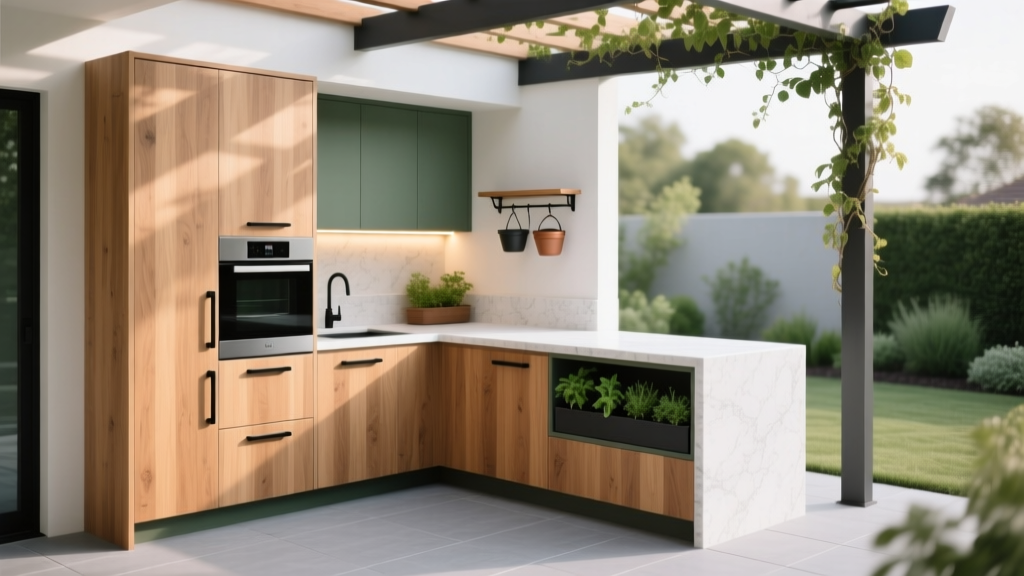 Outdoor Kitchen Corner Cabinet Ideas - The Decor Mag
 Kid-Safe Outdoor Furniture: Materials That Survive Play
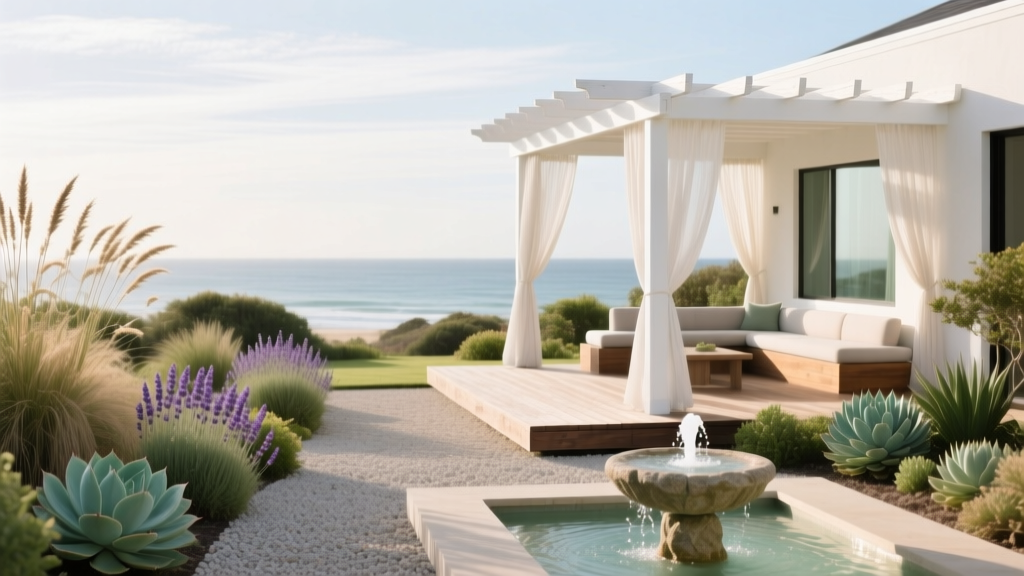 How to Design a Coastal Garden - The Decor Mag
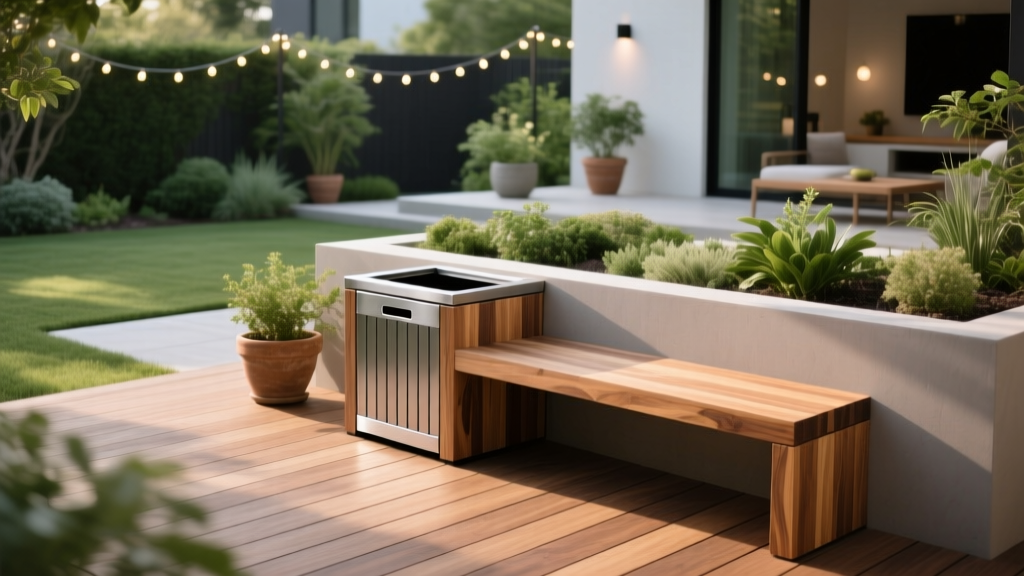 Best Outdoor Bar Trash Bin Hideaway - The Decor Mag
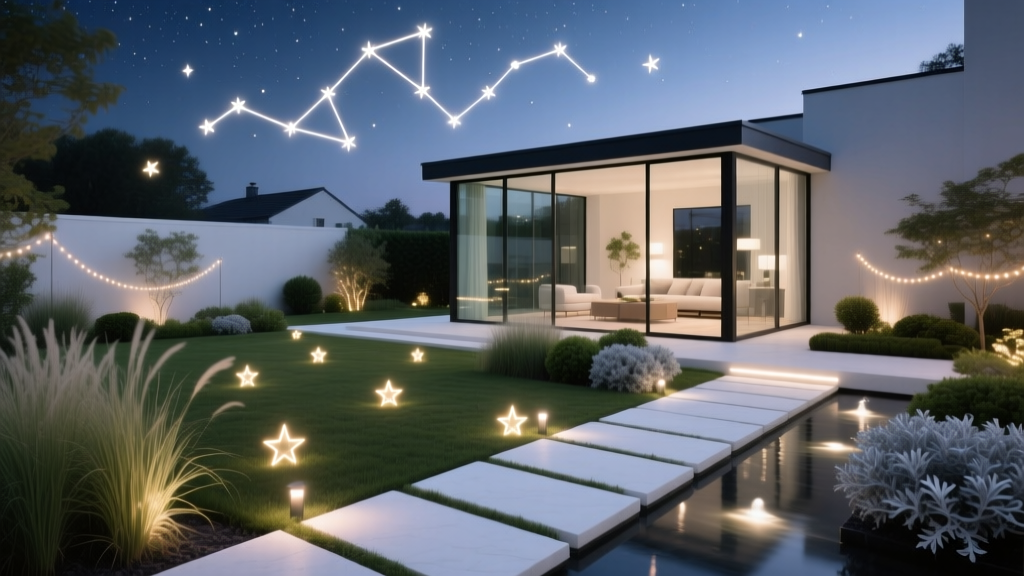 How to Create a Starlight Garden - The Decor Mag
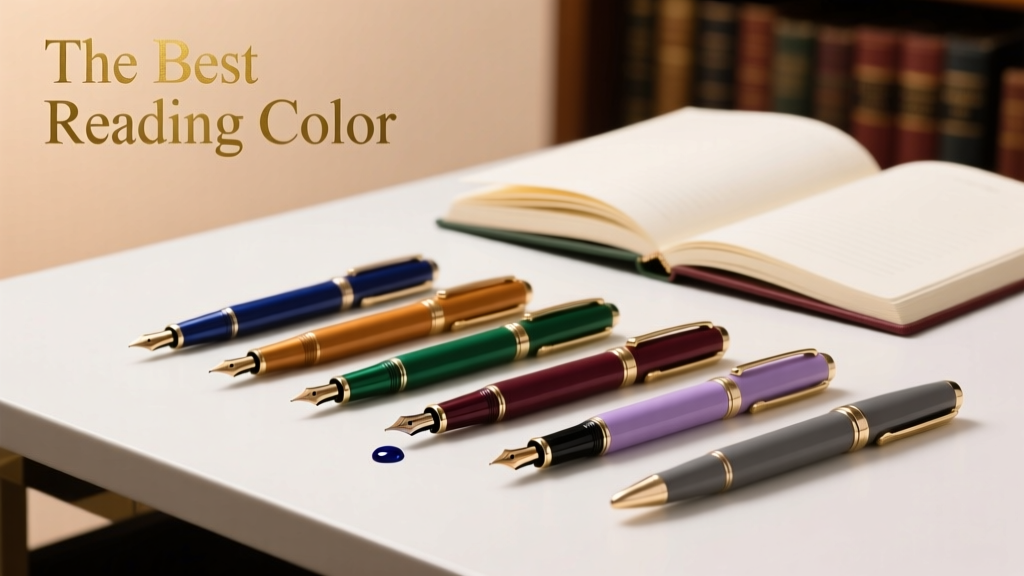 The Best Reading Color for Outdoor Living Spaces: Science, Design, and Real-World Performance