How to Create a Herb Garden Near the Kitchen - The Decor Mag
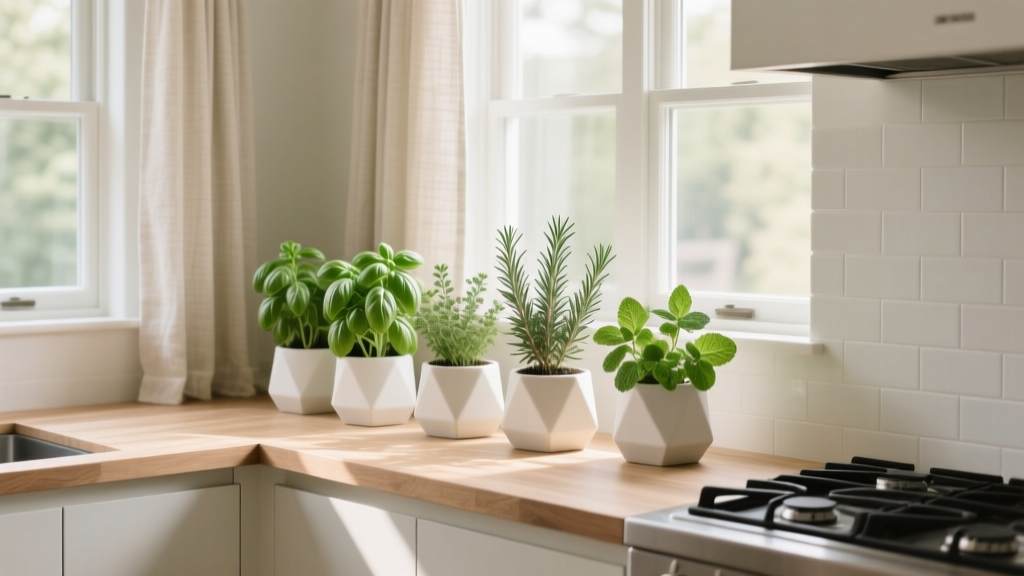
A herb garden near the kitchen is one of those outdoor living upgrades that pays you back every day. When basil, rosemary, mint, and chives are just a few steps from your stove, cooking feels easier and more inspiring—especially when you can snip what you need while the pasta water boils. Beyond flavor, fresh herbs add fragrance, texture, and a lived-in charm to patios, decks, and side yards, turning “in-between” spaces into purposeful extensions of your home.
From a design perspective, a kitchen-adjacent herb garden is also a smart landscaping move. It encourages you to use your outdoor space year-round, creates a natural destination zone (a mini “outdoor pantry”), and improves the flow between indoor and outdoor living. Whether you’re working with a full backyard, a compact patio, or a narrow side passage, the right layout, containers, and materials can make your herb garden feel like it belongs to the architecture of your home—beautiful, functional, and easy to maintain.
This guide covers practical design layouts, the best herb choices, furniture and material recommendations, climate considerations, common mistakes to avoid, and realistic budget ranges—so you can build a herb garden that looks intentional and stays productive season after season.
Start with the “Kitchen Route”: The Best Location for Daily Use
The most successful herb gardens are the ones you actually use. The secret is placing herbs along your natural path from kitchen to outdoors—so harvesting becomes effortless, not a chore.
Ideal locations
- Just outside the kitchen door (patio, deck, back stoop): fastest access and easiest to remember to water.
- Along a side yard path between driveway and back door: great for narrow spaces with strong sun.
- Near an outdoor kitchen or grill station: perfect for rosemary, thyme, oregano, and herb blends for marinades.
- On a sunny balcony outside a kitchen or dining area: ideal for container gardening and vertical herb walls.
Sunlight and microclimates
Most culinary herbs want 6–8 hours of sun. Before you commit, observe your patio or yard across a day:
- Morning sun is gentler and ideal for tender herbs like cilantro and parsley in hot climates.
- Afternoon sun is intense; great for rosemary and thyme, but can scorch basil in heat waves.
- Heat-reflecting surfaces (brick walls, concrete, south-facing stucco) create a warmer microclimate—useful for Mediterranean herbs, risky for moisture-loving ones.
Choose a Layout That Fits Your Outdoor Living Space
Think of your herb garden as an outdoor design feature—part landscaping, part patio living convenience. Pick a layout that matches how you move and entertain outdoors.
1) The “Doorstep Harvest” Container Cluster
Best for patios, decks, and small yards. Use a tight grouping of containers near the kitchen door for quick access.
- Design tip: group pots in 3–5s, using varied heights for a styled look.
- Recommended containers: ceramic (glazed), lightweight fiberglass, or powder-coated metal.
- Perfect herbs: basil, parsley, chives, thyme, oregano.
2) Raised Bed Herb Garden (Clean, Organized, High Yield)
Best for homeowners who want a long-term, landscaping-forward solution. Raised beds look polished and make harvesting comfortable.
- Best placement: along the edge of a patio, near the kitchen path, or as a divider between dining and lounging zones.
- Recommended dimensions: 3–4 ft wide for easy reach; 12–18 in high for comfort; length based on space.
- Smart add-on: a narrow ledge or capstone edge for setting clippers and a harvest bowl.
3) Vertical Herb Wall or Trellis (Max Greenery, Minimum Footprint)
Great for tight patios and balconies. A vertical herb garden adds privacy and lushness while keeping herbs reachable.
- Best systems: wall-mounted pocket planters, modular vertical planters, or a simple trellis with hanging pots.
- Where it shines: beside a patio dining set as a living backdrop.
- Perfect herbs: thyme, oregano, mint (contained), basil (with consistent watering), parsley.
4) Herb Border Along a Path (Classic Landscaping Meets Function)
Ideal for larger yards or side yards. Line a walkway with herbs so you brush past fragrance on the way to the kitchen.
- Design tip: keep it tidy and low; herbs look best when edged with stone, steel, or brick.
- Perfect herbs: lavender (culinary varieties), rosemary, sage, thyme.
Design Details That Make It Feel Like a Finished Outdoor Space
A kitchen herb garden should look intentional—not like random pots scattered around. Use outdoor design elements to integrate it into your patio living and landscape plan.
Materials that look great and last
- Raised bed materials:
- Cedar (naturally rot-resistant; warm, upscale look)
- Composite lumber (low maintenance; pricier but long-lasting)
- Galvanized steel (modern; heats up—best with afternoon shade in hot climates)
- Stone or brick edging (classic; pairs beautifully with patios)
- Path materials:
- Decomposed granite (DG) with stabilizer for a crisp, walkable finish
- Concrete stepping pads with gravel joints (clean, contemporary)
- Brick pavers in a herringbone pattern (timeless and durable)
- Mulch/top dressing: shredded hardwood mulch for beds; pea gravel top dressing for Mediterranean herbs (helps keep crowns dry).
Furniture and functional add-ons
- A small potting bench or outdoor console near the kitchen door (great for tools, watering can, harvest basket).
- A bistro table set tucked next to the herb garden to create a “snip-and-sip” moment on the patio.
- Weatherproof storage (deck box or slim cabinet) for fertilizer, gloves, and drip parts.
- Task lighting: low-voltage path lights or a solar spotlight so you can harvest at dusk.
Best Herbs for a Kitchen Garden (And How to Pair Them)
Herbs thrive when their watering and sun needs match. Grouping compatible plants is one of the easiest ways to improve success.
Reliable “starter” herbs (great for most climates)
- Chives: hardy, low maintenance, returns year after year in many regions.
- Parsley: prefers consistent moisture; great in partial sun in hot climates.
- Thyme: drought-tolerant, loves sun, perfect for borders and pots.
- Oregano: vigorous, sun-loving, ideal for raised beds.
- Rosemary: a patio favorite with evergreen structure in mild climates.
- Basil: fast-growing in warm weather; best in rich soil and regular watering.
“Moisture lovers” vs. “Mediterranean dry lovers”
Moisture lovers (water more often): basil, cilantro, parsley, mint, dill.
Mediterranean herbs (prefer drier conditions): rosemary, thyme, sage, oregano, lavender.
Practical pairing rule: plant moisture lovers together in one bed or set of pots, and Mediterranean herbs together in another. This prevents overwatering rosemary or drying out basil.
Mint management (so it doesn’t take over)
- Grow mint in its own container—always.
- Use a wide pot (12–16 in) with fresh potting mix for vigorous growth.
- Place it where it gets morning sun and afternoon shade in hot climates.
Soil, Watering, and Irrigation: The Low-Stress Setup
A beautiful herb garden that’s hard to water won’t stay beautiful. The goal is consistent moisture without constant effort.
Soil recommendations
- For containers: quality potting mix (not garden soil) + compost. Look for mixes labeled for raised beds/containers with good drainage.
- For raised beds: a blend of topsoil, compost, and aeration material (pumice/perlite). Aim for loose, well-draining texture.
- For Mediterranean herbs: add extra grit (pumice or coarse sand) and avoid overly rich, water-holding soil.
Watering systems that make life easier
- Drip irrigation with a timer: best for raised beds and borders; conserves water and supports consistent growth.
- Micro-drip lines for container clusters: neat, efficient, and easy to hide.
- Self-watering planters: ideal for patios, especially if you travel or forget to water.
Tip for patio living: route irrigation neatly along the edge of pavers or under a bench so hoses don’t clutter your entertaining space.
Seasonal Planning for Year-Round Outdoor Living
Herb gardens shine when they’re planned with the seasons—so you’re harvesting more months of the year, even if your winters are cold.
Spring
- Plant parsley, chives, thyme, oregano early.
- Start basil after nights stay consistently warm.
- Refresh containers with compost and slow-release organic fertilizer.
Summer
- Harvest often to keep plants bushy (especially basil).
- Provide afternoon shade for tender herbs in heat-prone patios.
- Watch containers—pots dry out fast in full sun and wind.
Fall
- Plant cool-season herbs like cilantro and parsley in many climates.
- Cut back and dry herbs for the pantry (oregano, thyme, rosemary).
- Move containers closer to the house for warmth and wind protection.
Winter
- Mild climates: rosemary, thyme, sage often stay productive; protect from heavy rain with excellent drainage.
- Cold climates: bring potted herbs indoors near a bright window, or use a small cold frame over a raised bed.
- Keep harvesting minimal but consistent to prevent legginess indoors.
Budget Ranges: What to Expect
- Budget-friendly ($50–$200): 5–10 nursery herb starts, basic terracotta or plastic pots, bagged potting mix, simple watering can.
- Mid-range ($250–$800): matching planters or a small raised bed kit, drip irrigation timer, upgraded soil/compost, compact potting bench.
- High-end ($900–$3,000+): custom raised beds (cedar/steel), integrated lighting, built-in seating edge, paver refresh, full drip zones tied into landscape irrigation.
Common Mistakes to Avoid
- Placing herbs too far from the kitchen: if it’s not convenient, you won’t harvest (and plants get neglected).
- Mixing incompatible watering needs in one pot: rosemary and basil rarely thrive together long-term.
- Using garden soil in containers: it compacts and suffocates roots; always use potting mix.
- Skipping drainage: pots need drainage holes; raised beds need well-draining soil; soggy roots kill herbs fast.
- Overcrowding: herbs look lush at planting time but need airflow; crowding leads to mildew and weak growth.
- Letting mint roam free: it will spread aggressively in beds and borders.
- No plan for heat: reflective patios can cook containers—add shade, move pots, or select heat-tough herbs.
FAQ: Herb Gardens Near the Kitchen
How close should my herb garden be to the kitchen?
As close as your layout allows—ideally within 10–20 steps of the kitchen door. A container cluster right outside the door is the most user-friendly option for everyday cooking.
What are the best herbs for beginners?
Start with chives, parsley, thyme, oregano, and basil. They’re widely available, productive, and forgiving when planted in the right sun and watered consistently.
Can I grow herbs on a shady patio?
Partial shade can still work, especially with 3–5 hours of sun. Try parsley, cilantro, chives, and mint. For very low light, consider growing herbs indoors near a bright window and keep the patio planters for shade-tolerant ornamentals.
Do I need a raised bed, or are containers enough?
Containers are enough for most households and are perfect for patios and small yards. Choose a raised bed if you want higher yields, a built-in landscape feature, and less frequent watering once established.
What’s the easiest way to water herbs consistently?
A drip irrigation kit with a timer is the easiest low-maintenance solution for raised beds and container gardens. If you prefer manual watering, use larger containers (12–18 in) to slow drying and mulch the soil surface.
How do I keep herbs going through winter?
In mild climates, focus on rosemary, thyme, and sage outdoors with good drainage. In cold climates, move potted herbs indoors or protect outdoor beds with a cold frame and harvest lightly.
Next Steps: Turn Your Kitchen Exit into a Daily Harvest Zone
Walk your “kitchen route” today and pick one spot that gets strong light and feels convenient. Start small: a cohesive cluster of 5–7 herbs in matching planters, or one compact raised bed near the patio edge. Add a simple potting bench or shelf for tools, set up easy watering, and you’ll have a herb garden that elevates your outdoor living space while making weeknight meals feel special.
For more patio design ideas, outdoor kitchen inspiration, landscaping tips, and year-round garden upgrades, explore the latest guides on thedecormag.com.
More Articles
 Outdoor Fireplace and Fire Pit Ideas - The Decor Mag
 How to Design a Backyard Oasis - The Decor Mag
 How to Create a Hugelkultur Garden Bed - The Decor Mag
 Best Outdoor Bar Vinegar Collection Display - The Decor Mag
 Best Outdoor Bar Stool Choices - The Decor Mag
 How to Create a Succulent Garden - The Decor Mag
 Best Outdoor Lantern and Candle Options - The Decor Mag
 Best Outdoor Adirondack Chair Styles - The Decor Mag
 Outdoor Kitchen Corner Cabinet Ideas - The Decor Mag
 How to Create a Night Blooming Garden - The Decor Mag