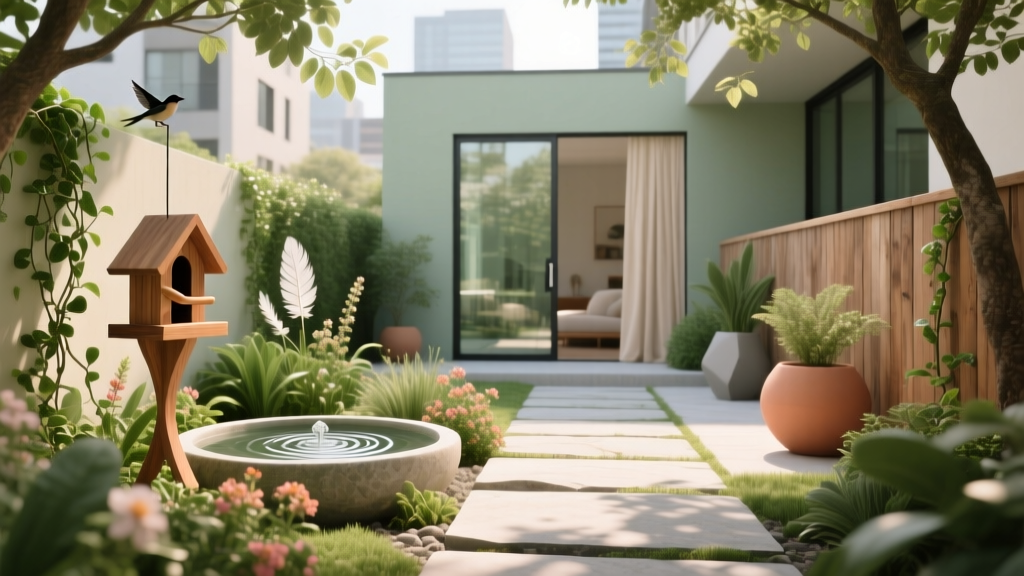
How to Create a Bird Friendly Garden - The Decor Mag
A bird friendly garden is one of the fastest ways to make an outdoor living space feel alive. The sound of songbirds at breakfast, the flutter of wings near a patio planter, and the natural movement around your yard add a layer of comfort that no accessory can replicate. When birds feel welcome, your garden becomes more than a backdrop—it becomes an experience.
There’s also a practical side homeowners love: birds support a healthier landscape. Many species help manage pests, pollinate flowering plants, and contribute to a thriving ecosystem that makes lawns, beds, and borders easier to maintain over time. A well-designed bird habitat can reduce reliance on chemicals, improve plant resilience, and make your patio living area feel connected to nature year-round.
The best part? A bird friendly garden doesn’t require a huge property or a “wild” look. With smart landscaping choices, a few key features, and durable outdoor design materials, you can create a space that serves both your lifestyle and local wildlife—without sacrificing style.
Start With the Bird Basics: Food, Water, Shelter, and Safety
Bird-friendly landscaping works when it meets four needs consistently. Think of these as your design checklist:
- Food: Seeds, berries, nectar, insects, and nut-bearing plants
- Water: Clean, shallow water for drinking and bathing
- Shelter: Layered planting and protected nesting spots
- Safety: Reduced hazards like reflective glass, pesticides, and predator access
When you design around these needs, you’ll attract more birds—and keep them returning through every season.
Design Your Layout Like an Outdoor Room (That Birds Also Love)
Homeowners often assume bird habitats need to be messy. In reality, the most successful bird friendly gardens are intentionally layered and zoned—just like a well-planned patio or outdoor living room.
Create “Layers” for Natural Habitat
Birds use different heights for feeding, nesting, and hiding. Aim for a layered structure:
- Canopy: Small trees (serviceberry, redbud) or mature shade trees
- Understory: Shrubs and large perennials (viburnum, blueberry, ninebark)
- Ground layer: Native grasses, groundcovers, leaf litter zones
- Vertical structure: Trellises with vines (native honeysuckle, clematis)
Zone the Yard: People Space + Bird Space
Try a simple, practical layout approach:
- Patio zone (high comfort): Dining or lounge area with planters and a nearby water feature.
- Transition zone (mixed use): Planting beds with berries and flowers; birds get food, you get color and privacy.
- Habitat zone (low disturbance): A corner with shrubs, a brush pile, or a small native bed where birds can nest and forage.
Even a small yard can follow this plan—just scale down. A balcony can do it with containers, a compact birdbath, and a trellis.
Pick Plants That Feed Birds (and Still Look Beautiful)
The most effective bird friendly garden plants are the ones that provide food across seasons: spring insects, summer nectar, fall berries, and winter seed heads. Native plants are typically the strongest performers because local birds recognize and rely on them.
High-Impact Bird Plants to Consider
Use these as a starting point, then match to your region and sunlight:
- Berry-producing shrubs: Serviceberry (Amelanchier), elderberry (Sambucus), blueberry (Vaccinium), viburnum, winterberry holly (Ilex verticillata)
- Seed and finch favorites: Coneflower (Echinacea), black-eyed Susan (Rudbeckia), sunflowers (Helianthus), little bluestem (Schizachyrium)
- Nectar plants for hummingbirds: Bee balm (Monarda), salvia, native honeysuckle (Lonicera sempervirens), columbine (Aquilegia)
- Evergreen shelter: Arborvitae, native junipers, holly (region-dependent)
- Vines for cover: Native clematis, trumpet honeysuckle (avoid invasive species in your area)
A Quick Planting Formula for Consistent Results
For a medium-size suburban yard, a balanced bird friendly landscape might include:
- 1–2 small trees
- 6–10 mixed shrubs (some evergreen, some berrying)
- 15–30 perennials and ornamental/native grasses
- 1–2 vines on a trellis or pergola post
This mix creates structure, privacy, and seasonal interest—while giving birds the diversity they need.
Bring in Water: The #1 Upgrade for a Bird Friendly Garden
If you add only one feature, make it water. Birds will often find water faster than food, especially in hot weather or during dry spells. Water also boosts the feel of an outdoor living space, making patios and decks more relaxing.
Best Water Features for Birds (and Homeowners)
- Birdbath with a textured basin: Choose a shallow design (1–2 inches deep) with grip. Add a flat stone to create a “beach entry.”
- Dripper or bubbler attachment: Moving water attracts birds dramatically and helps prevent stagnation.
- Small recirculating fountain: Ideal near a seating area; choose a low-splash style for patios.
Material Recommendations
- Stone or cast stone: Heavy, stable, and natural-looking; great for windy yards.
- Ceramic (glazed): Beautiful for patio living; place in partial shade to reduce algae.
- Copper: Premium look that develops a patina; often easier to keep clean.
- Avoid: Lightweight plastic bowls that tip easily and degrade in sun.
Budget Ranges
- Basic birdbath: $40–$120
- Birdbath + solar bubbler: $80–$200 (performance varies by sun exposure)
- Recirculating fountain: $200–$800+
- Small pondless feature (pro install): $2,000–$6,000+
Maintenance tip: Refresh water every 1–3 days in summer. A quick scrub with a stiff brush prevents algae. In winter, consider a birdbath heater in cold climates.
Choose Feeders the Right Way (Without Creating a Mess)
Feeders can be a great supplement, especially in winter, but they work best when paired with bird friendly plants. A feeder-only strategy often leads to more waste, more squirrels, and higher maintenance.
Smart Feeder Setup
- Place feeders 10–15 feet from dense shrubs: Birds can retreat quickly, but predators have less cover to ambush.
- Use a feeder pole system: Add a baffle to discourage squirrels.
- Offer variety: Black oil sunflower seed, nyjer (for finches), and suet for cold weather.
- Clean regularly: A dirty feeder spreads disease; aim for every 2–4 weeks (more often in wet weather).
Budget Ranges
- Quality tube or hopper feeder: $25–$80
- Feeder pole + baffle: $60–$180
- Bird seed (monthly): $15–$50 depending on bird traffic
Outdoor Living Design: Furniture and Materials That Support Birds
Your patio and deck can be part of a bird friendly garden, not separate from it. The trick is to blend comfort with habitat.
Furniture Recommendations
- Powder-coated aluminum lounge seating: Durable, easy to clean, and won’t splinter like aging wood.
- Teak or FSC-certified hardwood dining sets: Natural, long-lasting, and fits into landscape-forward outdoor design.
- Outdoor performance cushions (solution-dyed acrylic): Resists fading and dries quickly after summer storms.
Materials and Hardscape Choices
- Permeable pavers or gravel paths: Help stormwater soak in, supporting healthier planting beds and insect life birds feed on.
- Natural stone edging: Creates clean lines while providing micro-habitat and warmth for beneficial insects.
- Mulch choices: Use shredded bark or leaf mulch in beds; avoid rubber mulch, which doesn’t support soil life.
Lighting That Won’t Disrupt Birds
Outdoor lighting boosts safety and ambiance, but bright nighttime lights can disorient migrating birds.
- Choose warm LEDs (2200K–2700K)
- Use shielded fixtures aimed downward
- Put lights on timers or motion sensors
Seasonal Planning for Year-Round Bird Activity
One of the joys of bird friendly landscaping is that it changes with the seasons—keeping your yard interesting all year, even when patio season slows down.
Spring
- Plant early bloomers (columbine, native shrubs) to support emerging insects.
- Delay heavy pruning until after nesting season when possible.
Summer
- Add shade near water features to reduce algae and keep water cooler.
- Water deeply, less often, to strengthen roots and keep berries developing.
Fall
- Leave seed heads on coneflowers and grasses for finches.
- Plant shrubs and trees—fall planting often establishes roots beautifully.
Winter
- Keep a water source available (heated birdbath in freezing climates).
- Prioritize evergreens and dense shrubs for shelter from wind.
- Leave some leaf litter in garden beds for overwintering insects.
Climate and Maintenance Considerations
Bird friendly garden design should be adapted to your region and your real-life schedule.
Hot/Dry Climates
- Focus on drought-tolerant native plants and drip irrigation.
- Use mulch 2–3 inches deep to reduce evaporation.
- Refresh birdbath water frequently to keep it cool and clean.
Humid/Rainy Climates
- Improve drainage with raised beds or amended soil.
- Choose disease-resistant plants and thin dense plantings for airflow.
- Clean feeders more often to prevent mold.
Cold/Snowy Climates
- Use hardy shrubs with winter berries and evergreen cover.
- Invest in a birdbath heater and durable freeze-thaw resistant materials (stone, quality cast stone).
Common Mistakes to Avoid
- Overusing pesticides and herbicides: These reduce insects birds rely on and can harm birds directly. Try integrated pest management and spot treatments only when necessary.
- Planting only showy annuals: Annuals can be beautiful, but they rarely provide the berries, seeds, and shelter birds need. Mix in shrubs, perennials, and grasses.
- Skipping water maintenance: A dirty birdbath can spread disease. Keep it fresh and scrubbed.
- Using invasive plants: Many invasives look lush but don’t support local insects or birds. Check local extension resources before planting.
- Placing feeders too close to windows: This increases collisions. Either place feeders within 3 feet of windows (so birds can’t gain speed) or more than 30 feet away.
- Over-pruning into “perfect” shapes: Birds prefer dense, layered shrubs for nesting and cover. Let some areas be a little fuller.
FAQ: Bird Friendly Garden Design
What is the best plant to attract birds?
No single plant attracts every bird, but serviceberry, viburnum, and winterberry holly are standout options because they provide berries and shelter. Pair them with seed-producing perennials like coneflower and native grasses for a strong mix.
How do I attract birds without using feeders?
Focus on native plants that provide berries and seeds, add a reliable water source, and create layered shelter with shrubs and small trees. Birds will naturally forage for insects if you avoid broad-spectrum pesticides.
What’s the best birdbath placement in a patio or backyard?
Place it where you can enjoy it from your patio seating area, ideally in partial shade, with nearby shrubs 10–15 feet away for cover. Avoid placing it directly under a feeder (messy) or beneath heavy branches where predators can lurk.
How can I keep squirrels away from bird feeders?
Use a pole system with a baffle, place it away from jumping points (fences, trees), and choose squirrel-resistant feeders when needed. Also consider offering foods squirrels like less (like safflower) depending on your local birds.
How do I make my yard safer for birds around windows?
Reduce reflections with window decals, exterior screens, or patterned films. Keep feeders either very close to the window (within 3 feet) or far away (30+ feet) to minimize collision risk.
Can a small yard or townhouse patio be bird friendly?
Yes. Use container shrubs (like dwarf blueberry where climate allows), a compact fountain or shallow birdbath, and a trellis with a non-invasive vine. Even a few layers of planting near your outdoor furniture can attract birds.
Next Steps: Build Your Bird Friendly Garden in a Weekend (Then Grow It Over Time)
If you want quick wins that also improve outdoor living and patio comfort, start here:
- Add water: A sturdy birdbath with a small bubbler is often the biggest difference-maker.
- Plant one “backbone” shrub: Choose a berrying native shrub suited to your climate and sun exposure.
- Create a layered bed: Add a mix of perennials and grasses in front for seasonal color and seed heads.
- Refine your patio view: Angle seating toward the water feature and plantings so birds become part of daily life.
- Commit to light maintenance: Fresh water, occasional feeder cleaning, and leaving seed heads through winter.
Your yard doesn’t have to be huge to feel rich with life. With thoughtful landscaping, durable outdoor design materials, and plants that work as hard as they look, you can create a bird friendly garden that enhances curb appeal, boosts patio enjoyment, and brings year-round beauty right outside your door.
For more outdoor living inspiration, landscape design ideas, and patio upgrades, explore the latest at thedecormag.com.
More Articles
 Best Pergola and Shade Structure Ideas - The Decor Mag
 Best Outdoor Side Car Cart Bar Ideas - The Decor Mag
 How to Design a Cottage Core Garden - The Decor Mag
 How to Create a Container Herb Garden - The Decor Mag
 Best Outdoor Adirondack Chair Styles - The Decor Mag
 Outdoor Kitchen Range Hood Exterior - The Decor Mag
 How to Create a Bat Friendly Garden - The Decor Mag
 Styling Styleguides Essentials: A Practical Framework for Outdoor Living Brand Consistency
 Outdoor Kitchen Griddle Top Surface Guide - The Decor Mag
 Best Outdoor Loveseat Options - The Decor Mag