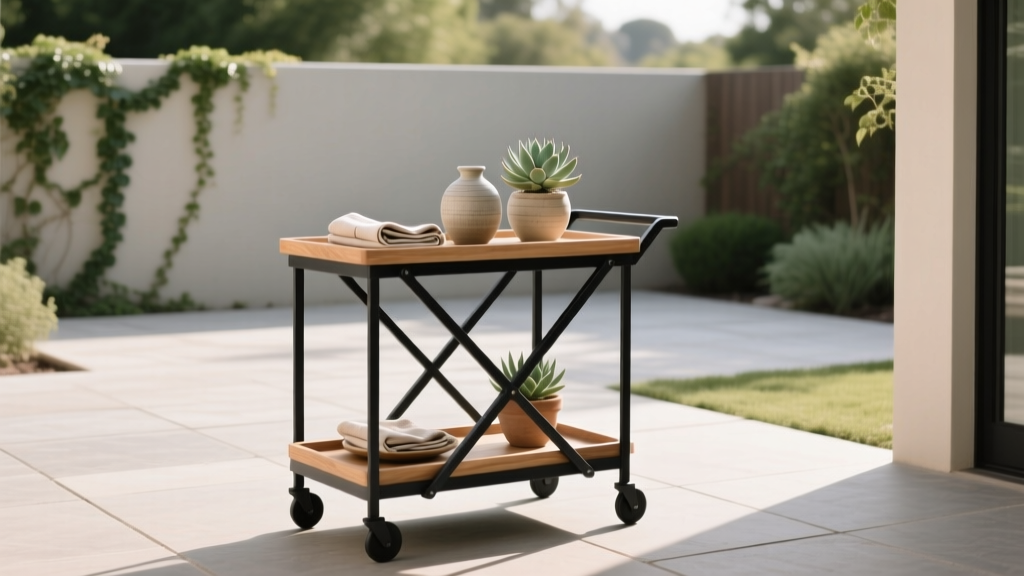
Best Outdoor Serving Cart Options - The Decor Mag
An outdoor serving cart is one of those patio upgrades that feels small—until you use it. Suddenly, hosting is smoother, grills feel more “outdoor kitchen,” and even a quiet morning coffee on the deck becomes a moment. The right cart keeps drinks cold, tools organized, and snacks within reach, all while adding style to your outdoor living space.
For homeowners building a more functional patio, garden, or yard, a serving cart bridges the gap between indoor convenience and outdoor relaxation. It also adapts beautifully to year-round outdoor living: use it as a summer bar cart, a fall s’mores station, a winter hot cocoa setup under a covered porch, or a spring potting helper beside the garden beds.
Below, you’ll find the best outdoor serving cart options by style, material, and layout—plus practical tips on maintenance, climate considerations, and common mistakes to avoid so your cart looks great season after season.
What Makes a Great Outdoor Serving Cart?
Outdoor conditions are tougher than indoor ones: UV exposure, humidity, temperature swings, and occasional rain all test materials and hardware. A truly outdoor-ready cart is built to handle patio life without wobbling, rusting, or fading after one season.
Key features to look for
- Weather-resistant frame: powder-coated aluminum, stainless steel, or sealed hardwoods (like teak or eucalyptus).
- Quality wheels: large, smooth-rolling casters (ideally 3–5 inches) with locking brakes for safety on pavers and decking.
- Smart storage: at least two tiers; bonus points for bottle holders, stemware racks, drawers, or a removable tray top.
- Easy-clean surfaces: slatted teak, HDPE “polywood,” sealed stone/porcelain, or metal tops that wipe down quickly.
- Outdoor-safe hardware: stainless or coated screws and fasteners; avoid bare steel components.
Best size for most patios
For a typical patio seating area, aim for a cart roughly 28–36 inches long and 18–22 inches deep. This is roomy enough for a tray, ice bucket, and plates without dominating your layout.
Best Outdoor Serving Cart Options by Material
Material choice is where durability meets design. Match the cart to your patio furniture, climate, and how you entertain (cocktails vs. family dinners vs. pool days).
1) Powder-Coated Aluminum: Lightweight, Rust-Resistant, Modern
If you want a sleek look that’s easy to move around the patio, powder-coated aluminum is a top pick. It’s ideal for rooftop decks, smaller spaces, and homeowners who rearrange furniture often.
- Best for: humid climates, coastal areas (with regular rinsing), modern patios, poolside use
- Style pairing: aluminum patio dining sets, sling chairs, minimalist outdoor sectionals
- Typical budget: $150–$600
Pro tip: Choose matte finishes for fewer visible fingerprints and water spots, especially on bar carts used for drinks.
2) Stainless Steel: Best for Grill Zones and Outdoor Kitchens
Stainless steel carts feel right at home next to a built-in grill or smoker. They’re sanitary, durable, and handle heat well—great for prepping skewers, holding trays, or keeping grilling tools organized.
- Best for: outdoor kitchens, grill stations, frequent entertainers, covered patios
- Watch for: fingerprints and surface scratches; consider a brushed finish
- Typical budget: $200–$900
Maintenance note: In coastal environments, even stainless benefits from a quick rinse and wipe-down to prevent tea-staining and salt buildup.
3) Teak or Eucalyptus: Warm, Timeless, Perfect for Natural Landscapes
For homeowners who love an organic garden aesthetic—think lush planting beds, stone patios, and layered textures—wood is unbeatable. Teak is the gold standard for outdoor furniture; eucalyptus is a popular, more affordable alternative when sealed and cared for.
- Best for: traditional patios, Mediterranean landscapes, cottage gardens, covered decks
- Expectations: wood will weather to a silvery patina unless oiled/sealed
- Typical budget: $250–$1,200
Design tip: Pair a teak cart with terracotta pots, woven textures, and soft outdoor lighting for a layered outdoor living look.
4) HDPE (Polywood-Style): Low Maintenance and Family-Friendly
HDPE outdoor furniture is made from durable recycled plastic designed for weather exposure. It’s a smart choice for busy households, pool decks, and anyone who wants a “hose it off and go” approach.
- Best for: intense sun, rainy climates, families, poolside entertaining
- Benefits: won’t splinter, resists fading, easy to clean
- Typical budget: $200–$800
Look for: UV-inhibited material and sturdy hardware; cheaper carts may flex under weight.
5) Wicker/Resin Weave: Coastal-Casual Style with Smart Pairing
Resin wicker looks inviting and works beautifully with outdoor sectionals. The best versions use an aluminum frame wrapped in UV-resistant weave.
- Best for: covered patios, screened porches, relaxed entertaining spaces
- Avoid: leaving cushions or woven carts in standing water; it shortens lifespan
- Typical budget: $120–$500
Best Serving Cart Styles (and Where They Work Best)
Bar Cart for Patio Happy Hour
A bar-style outdoor serving cart typically includes bottle storage, stemware racks, and room for a small ice tub. It’s the easiest way to create a patio bar without a renovation.
- Where it shines: near lounge seating, fire pit circles, pergolas
- Stock it with: lidded ice bucket, melamine cups, cocktail napkins, citrus knife, bottle opener
Grill-Side Prep Cart for Outdoor Cooking
Choose a cart with a heat-tolerant top and easy-clean shelves. If you grill weekly, prioritize function over frills.
- Where it shines: next to the grill, between the kitchen door and patio dining table
- Must-haves: hooks for tools, paper towel holder, bin for marinades/spices
Poolside Beverage Cart
For pool areas, go lightweight, rust-resistant, and easy to rinse—powder-coated aluminum or HDPE are your best friends.
- Where it shines: under an umbrella, near chaise lounges
- Best accessories: waterproof bin for sunscreen, rolled towels, insulated drink caddy
Garden Party Cart (Entertaining Meets Landscaping)
If you entertain in the garden—among raised beds, along a gravel path, or under a flowering arbor—choose a cart that complements the landscape materials: teak with stone, black metal with brick, white HDPE with cottage plantings.
- Where it shines: along a garden terrace, beside a potting area, near a bistro set
- Style boost: add a small outdoor lantern and a cutting garden bouquet
Design Tips: How to Style an Outdoor Serving Cart Like a Pro
Use the “top shelf / bottom shelf” formula
- Top shelf: the items you’ll use constantly (tray, drinks, glasses, serving utensils).
- Bottom shelf: backups and heavier items (extra beverages, snacks, towel basket, charcoal or grill tools).
Add plants without turning it into clutter
A little greenery makes the cart feel intentional and integrated into your patio design.
- Best small potted plants for carts: rosemary (fragrant + useful), dwarf lavender, succulents, trailing ivy, petite snake plant for covered porches.
- Seasonal pop: mini mums in fall, small poinsettias on a covered porch in winter, violas in early spring.
Coordinate with your outdoor materials
Think of your cart as a mobile accent piece that should echo your hardscape and furniture finishes.
- Stone patio (travertine/bluestone): teak, black powder-coated metal, or a cart with a porcelain top.
- Composite decking: aluminum or HDPE for a clean, modern look.
- Brick patio: warm wood tones, bronze metal finishes, or classic black steel (high quality, sealed).
Budget-friendly styling upgrades
- Use a melamine serving tray to prevent slipping and unify the look ($15–$40).
- Add outdoor-safe bins for napkins and utensils ($10–$30 each).
- Swap in matching acrylic drinkware for a polished patio vibe ($20–$60 set).
Climate and Maintenance Considerations
Hot sun and high UV
- Prioritize UV-stable HDPE, powder-coated aluminum, or high-quality teak.
- Use an outdoor furniture cover if the cart sits in full sun all day.
- Choose lighter colors for tops that won’t feel scorching to the touch.
Rainy climates and humidity
- Avoid untreated steel and bargain “metal” carts with exposed fasteners.
- Look for drainage-friendly shelves (slats or perforated metal) so water doesn’t pool.
- Wipe down after storms and keep textiles (like bar towels) indoors.
Coastal and salt-air environments
- Choose powder-coated aluminum, marine-grade polymer, or premium teak.
- Rinse the cart monthly with fresh water; dry hardware to reduce corrosion.
- Avoid cheap stainless—opt for higher-grade stainless if possible.
Cold winters and freeze-thaw zones
- If you store your cart outdoors, choose materials that won’t crack (HDPE and aluminum do well).
- Roll it into a garage or shed for the off-season to extend life—especially carts with wood tops or woven panels.
- For year-round patios, keep a winter setup: insulated beverage tub, mugs, and a lidded bin for cocoa packets and marshmallows.
Outdoor Layout Ideas: Where to Place a Serving Cart
Placement is what makes a serving cart feel effortless instead of in-the-way. Think about traffic flow between the kitchen door, grill, dining area, and seating zone.
- Between kitchen and dining table: best for outdoor meals and buffet-style serving.
- Behind the outdoor sofa: works as a console table alternative for drinks and lanterns.
- Next to the grill (but not too close): keep at least 24–36 inches away from heat for safety.
- Under a pergola or umbrella: protects finishes and keeps beverages cooler.
- Near a garden gate or path: perfect for parties that spill into the yard—guests can grab and go.
Common Mistakes to Avoid
- Buying an indoor cart for outdoor use: indoor finishes and hardware rust fast on patios.
- Choosing tiny wheels: small casters catch on pavers, expansion joints, and deck boards.
- Skipping wheel locks: a cart that rolls when you’re pouring drinks is a daily annoyance.
- Overloading glass on windy patios: use acrylic drinkware outdoors, especially near pools.
- Ignoring the “drip factor”: if you use ice buckets, pick a cart with a waterproof shelf or keep a tray underneath.
- Letting clutter build up: a cart should be styled, not stuffed—edit it weekly during entertaining season.
Recommended Budget Ranges (What to Expect)
- $75–$150: basic resin or lightweight metal options; best for covered porches and light use.
- $150–$350: solid midrange powder-coated aluminum, small teak accents, better wheels and stability.
- $350–$800: premium HDPE builds, stainless prep carts, larger bar carts with storage features.
- $800–$1,200+: high-end teak, designer outdoor bar carts, outdoor-kitchen-grade stainless with pro hardware.
FAQ: Outdoor Serving Carts
What is the best material for an outdoor serving cart?
For most patios, powder-coated aluminum offers the best balance of durability, rust resistance, and easy movement. For outdoor kitchens, stainless steel is ideal. For a warmer, natural look, teak is a long-lasting classic.
Can I leave an outdoor serving cart outside all year?
Many outdoor-rated carts can stay outside, but covers and seasonal storage extend lifespan. In freeze-thaw climates, rolling the cart into a garage or shed during winter helps prevent hardware wear and finish damage—especially for wood and woven carts.
How do I protect my cart on a sunny patio?
Use a fitted cover, place it under a pergola/umbrella when possible, and choose UV-stable materials like HDPE or high-quality powder-coated finishes. Lighter colors stay cooler and show less fading over time.
What plants work best to style a serving cart outdoors?
Choose compact, sun-tough plants like rosemary, lavender, succulents, or a small seasonal pot of violas (cool weather) or calibrachoa (warm weather). Keep pots lightweight so the cart remains easy to roll.
How big should an outdoor serving cart be for entertaining?
For most homeowners, a cart around 30–36 inches long with two tiers is plenty for drinks and appetizers. If you host larger gatherings, consider a longer cart or a cart plus a separate side table for overflow.
Next Steps: Choose, Place, and Stock Your Cart for the Season
Start by deciding how you’ll use your cart most—bar service, grill prep, poolside drinks, or garden entertaining—then pick a material that matches your climate and patio design. Measure your pathways (especially around pavers and deck corners), prioritize good wheels, and style it with a tray, a small plant, and outdoor-safe drinkware so it’s always ready.
For more patio living inspiration, landscaping ideas, and outdoor furniture guides, explore the latest on thedecormag.com.
More Articles
 Best Outdoor Glass Storage Cabinet - The Decor Mag
 Outdoor Pergola Wind Light Lantern Hooks - The Decor Mag
 Best Outdoor Ice Bucket Station Ideas - The Decor Mag
 How to Start Living Rooms: Building Functional, Weather-Resilient Outdoor Living Spaces from the Ground Up
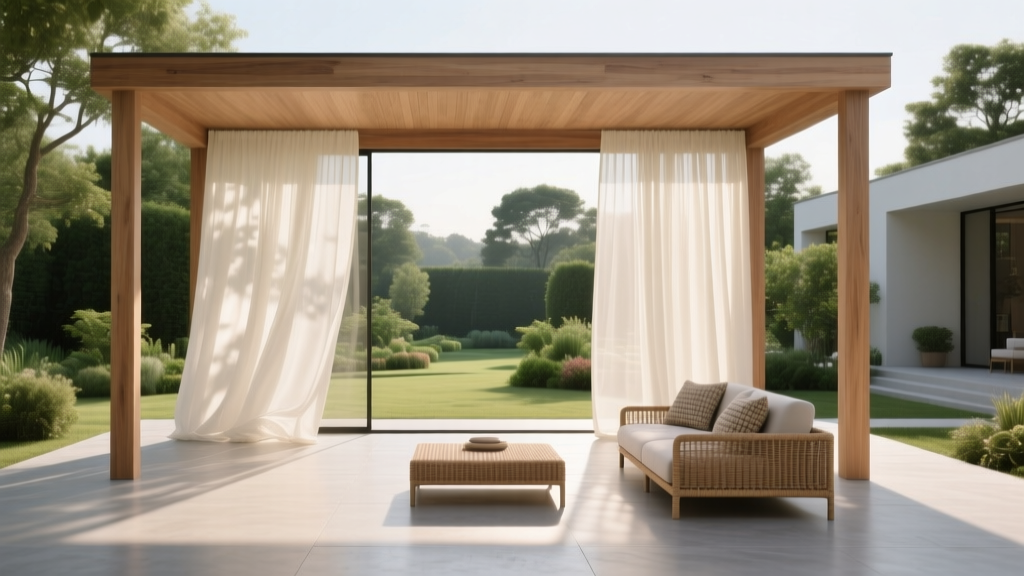 Outdoor Gazebo with Screen Curtains - The Decor Mag
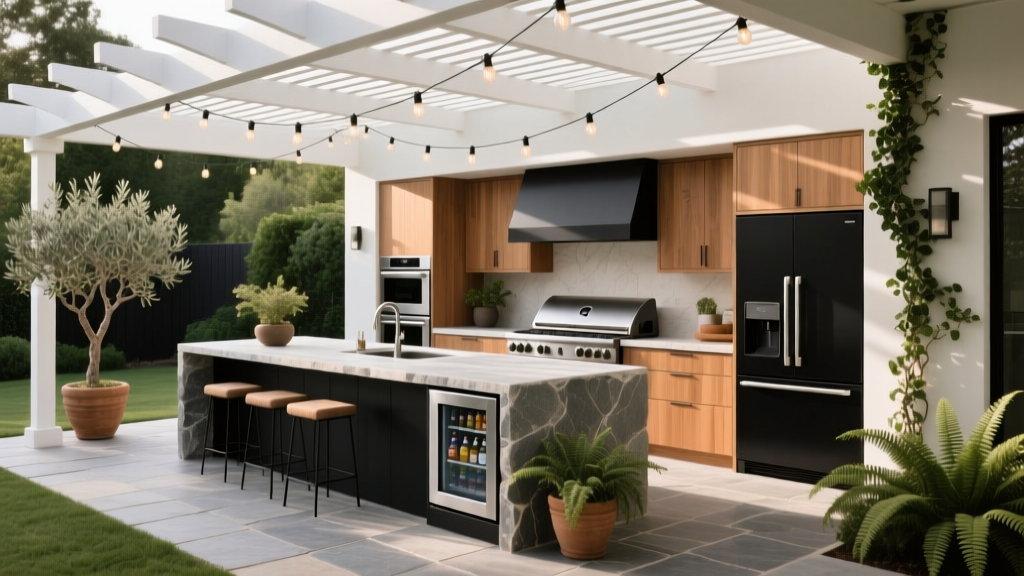 Outdoor Kitchen Design and Planning Guide - The Decor Mag
 Best Bedroom Inspiration for Cozy: Science-Backed Design Strategies That Warm Your Space and Improve Sleep
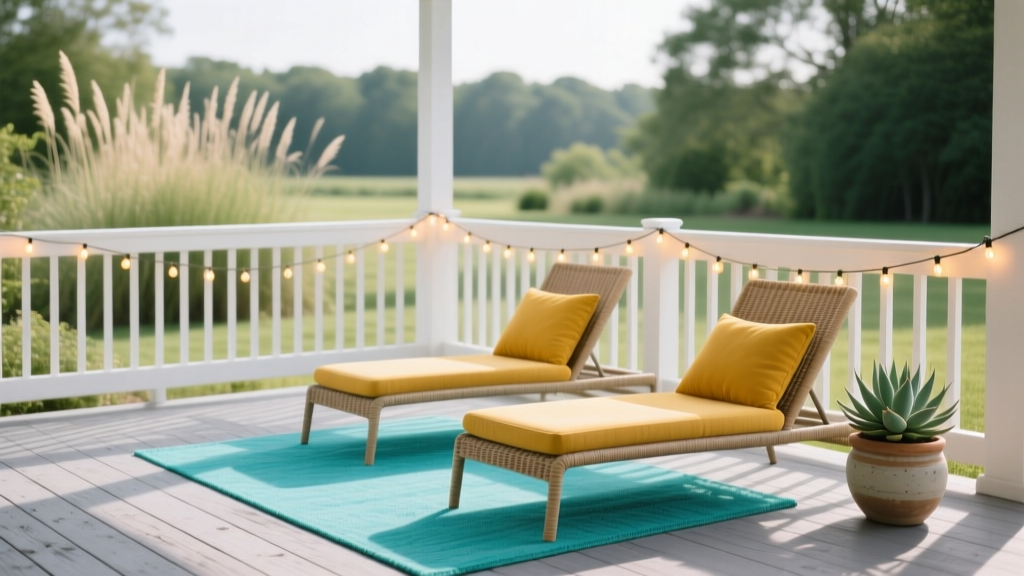 DIY Summer Porch Makeover: Budget Refresh Under $100
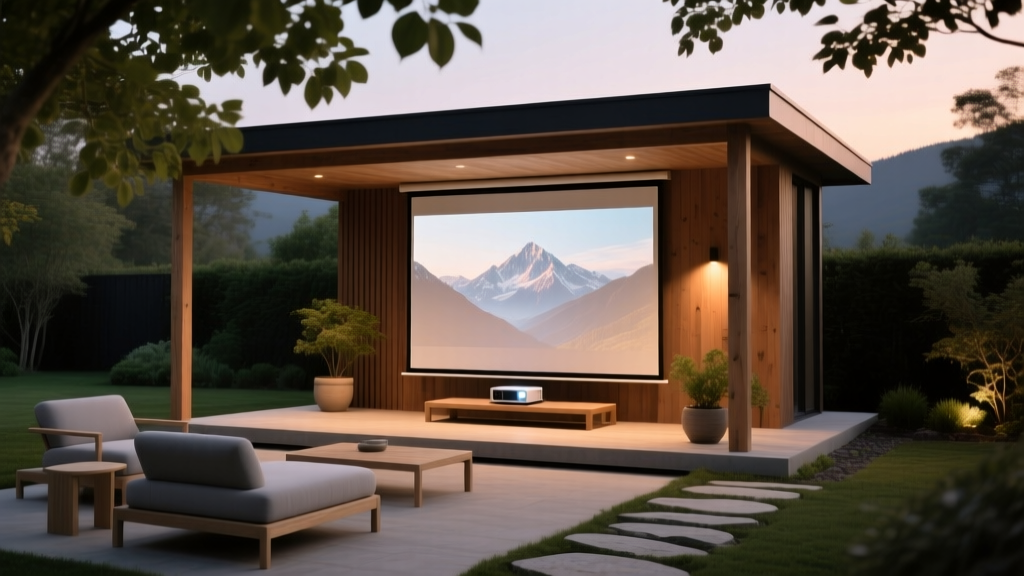 Outdoor Pavilion Projector Screen Setup - The Decor Mag
 Best Outdoor Loveseat Options - The Decor Mag