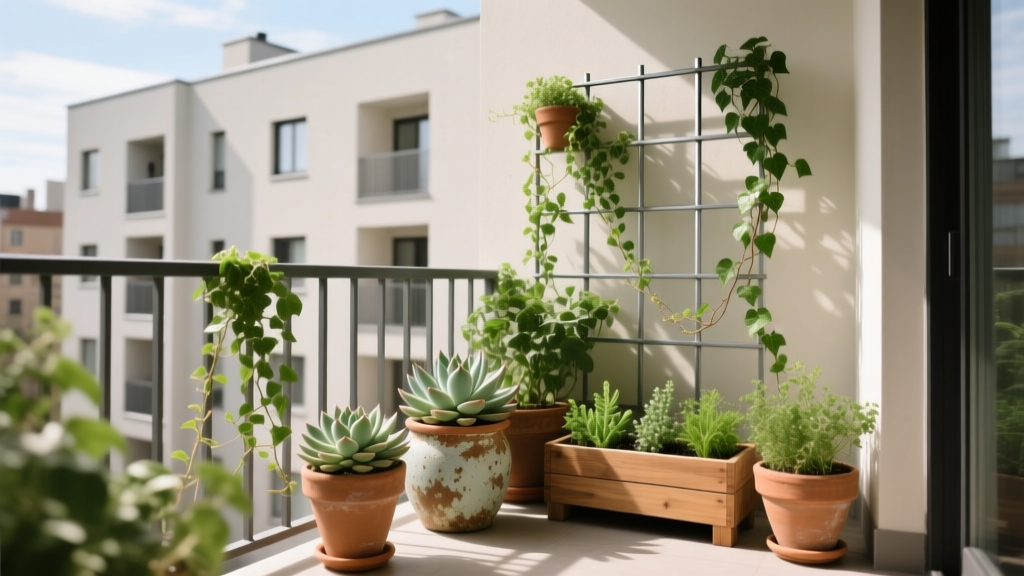
Small Balcony Garden Design Inspiration - The Decor Mag
A small balcony can feel like “leftover” space—until you treat it like an outdoor room. Even a few square feet can become a morning coffee nook, a mini herb garden, a privacy retreat, or a lush pocket of greenery that softens city views and boosts everyday well-being. For homeowners and apartment dwellers alike, balcony garden design is one of the fastest ways to upgrade outdoor living without a major remodel.
Great small balcony garden ideas blend smart layout planning, durable materials, and plants that thrive in your specific light and climate. Done right, you’ll get a space that looks intentional, stays comfortable across seasons, and doesn’t become a maintenance burden. The best part: you can build a beautiful balcony garden on almost any budget—whether you’re styling a rental-friendly patio living space or investing in a long-term outdoor oasis.
Start With the “Outdoor Room” Mindset
Before you buy plants or furniture, define how you’ll use the balcony. The most successful small outdoor living spaces prioritize one primary function and one secondary function.
Pick Your Balcony’s Primary Purpose
- Dining: a café set + compact planters
- Lounge: a loveseat/bench + side table + layered greenery
- Gardening: vertical garden + potting shelf + watering strategy
- Wellness: yoga mat clearance + soft screening + calming plants
Quick Measuring Checklist (5 Minutes That Saves You Money)
- Measure total floor area and note the narrowest walking path.
- Confirm door swing clearance and any window access.
- Locate outlets, hose bibs, and drainage points (if any).
- Check railing height and material (important for balcony planters).
- Confirm building rules: weight limits, dripping water policies, and allowed fixtures.
Layouts That Make Small Balcony Gardens Feel Bigger
When space is tight, layout is everything. These proven balcony garden layouts keep circulation clear while maximizing greenery and comfort.
1) The “Perimeter Green” Layout
Keep the center open and place planters along the balcony edges. This creates the feeling of a garden “wall” and a clean, usable floor.
- Best for: narrow balconies and renters
- Furniture: a slim bistro set or folding chairs
- Plants: mixed-height planters—tall in corners, trailing along rails
2) The “One Statement Corner” Layout
Create one lush corner with a tall plant and layered pots, then keep the rest minimal. It looks curated rather than cluttered.
- Best for: micro balconies and low-maintenance styling
- Furniture: a single lounge chair + small side table
- Plants: 1 tall evergreen + 2–4 mid-size pots
3) The “Bench + Planter Wall” Layout
Run a storage bench or slim loveseat along one side and build greenery vertically behind it for a true patio living vibe.
- Best for: entertaining, privacy, and year-round outdoor living
- Furniture: bench with hidden storage for tools and cushions
- Plants: a trellis with climbers or a modular vertical garden system
Furniture That Works Hard (Without Overwhelming the Space)
Balcony furniture should be compact, weather-ready, and easy to move. Skip bulky pieces with deep arms that eat up floor area.
Best Furniture Picks for Small Balcony Design
- Foldable bistro set: ideal for dining; stores flat for winter.
- Storage bench (40–48 inches): doubles as seating and stash space for watering cans and plant food.
- Nesting side tables: flexible surfaces without permanent bulk.
- Wall-mounted drop-leaf table: great for ultra-narrow balconies (check building rules).
- Armless loveseat or compact outdoor club chair: visually lighter, easier to position.
Materials to Look For (Durable + Balcony-Friendly)
- Powder-coated aluminum: lightweight, rust-resistant—excellent for coastal climates.
- HDPE lumber (polywood): low maintenance; holds up to sun and rain.
- Acacia or eucalyptus wood: warm look, budget-friendly; maintain with seasonal oiling.
- All-weather wicker (resin): choose UV-stabilized with an aluminum frame.
Budget Ranges (Typical)
- Starter setup ($150–$400): folding bistro set + outdoor rug + a few pots
- Mid-range ($400–$1,000): storage bench + quality planters + lighting
- Premium ($1,000–$2,500+): modular seating, large planters, irrigation kit, privacy screens
Plants That Thrive on Balconies (By Sun Exposure)
Balcony landscaping lives or dies by light. Observe sun patterns for a full day—especially if nearby buildings create shifting shade.
Sunny Balconies (6+ Hours of Sun)
- Herbs: rosemary, thyme, basil, oregano (great for edible balcony gardens)
- Flowering plants: geraniums, petunias, lantana, marigolds
- Drought-tolerant stars: lavender, sedum, echeveria, aloe
- Compact edibles: cherry tomatoes, strawberries, peppers (use sturdy cages/trellises)
Part Sun / Bright Shade (3–6 Hours of Sun)
- Foliage favorites: coleus, heuchera (coral bells)
- Bloomers: begonias, impatiens (especially in humid summers)
- Edibles: leafy greens like lettuce, arugula, spinach (spring/fall best)
- Climbers: star jasmine (mild climates), clematis (variety-dependent)
Shade Balconies (0–3 Hours of Sun)
- Low-light classics: ferns, hostas (in containers), ivy (manage growth)
- Textural plants: caladium (warm season), aspidistra (cast iron plant)
- Evergreen structure: boxwood (in larger pots), dwarf yew (cold-hardy zones)
Best “Privacy Plants” for Balcony Screening
- Clumping bamboo (non-invasive types): fast privacy; use large containers and watch water needs.
- Arborvitae ‘Tiny Tim’ or ‘Mr. Bowling Ball’: compact evergreen form (cold climates).
- Tall grasses: feather reed grass, fountain grass (variety and hardiness matter).
- Vining screens: mandevilla (warm climates), honeysuckle (some varieties), climbing roses (sunny balconies).
Planters, Materials, and Drainage: The Unseen Design Heroes
Planters aren’t just decorative—they determine root health, watering frequency, and whether your balcony stays tidy.
Planter Materials (What to Choose and Why)
- Fiberglass: lightweight, modern, weather-resistant—excellent for large statement pots.
- Resin/plastic: budget-friendly and light; choose UV-resistant options to prevent fading.
- Terracotta: beautiful and breathable; dries quickly in heat and can crack in freeze-thaw climates.
- Glazed ceramic: stylish but heavy; best for smaller pots or stable surfaces.
- Fabric grow bags: great for edibles; breathable and easy to store off-season.
Drainage Tips for Clean, Neighbor-Friendly Balcony Gardening
- Use saucers or hidden drip trays under every pot.
- Add pot feet to prevent water staining on deck tiles.
- Choose high-quality potting mix (not garden soil) for better drainage and fewer pests.
- For rail planters, use liners and avoid overwatering to prevent drips.
Vertical Garden Ideas for Maximum Greenery
Vertical gardening is the secret weapon of small balcony garden design. You’ll gain privacy and plant volume without losing walking space.
Best Vertical Options
- Modular wall planters: ideal for herbs and small foliage plants.
- Trellises in large pots: simple and flexible—great for jasmine, clematis, or peas.
- Ladder shelves: display pots with a graduated height (secure them for wind).
- Railing planters: instant impact; balance weight and avoid overcrowding.
Design Tip: Use the “Thriller, Filler, Spiller” Formula
- Thriller: one tall focal plant (dwarf evergreen, ornamental grass)
- Filler: mounding plants (begonia, coleus, herbs)
- Spiller: trailing plants (sweet potato vine, ivy, bacopa)
Seasonal Styling for Year-Round Outdoor Living
A balcony garden that looks good in July but feels abandoned in November misses the full potential of patio living. Plan for seasonal swaps and a few evergreen anchors.
Spring
- Refresh soil top layers and add slow-release fertilizer.
- Plant cool-season edibles: lettuce, spinach, peas (where suitable).
- Add early color: pansies, violas.
Summer
- Prioritize heat-tolerant plants for full sun balconies.
- Use light-colored planters or add shade cloth in extreme heat.
- Water early morning; consider self-watering planters for travel weeks.
Fall
- Swap in mums, ornamental kale, and cold-tolerant grasses.
- Add a cozy outdoor rug and a throw (stored in a weatherproof box).
- Plant spring bulbs in deeper containers (in climates where bulbs can overwinter).
Winter
- Use evergreen structure: dwarf conifers, boxwood, winterberry stems (cut arrangements).
- Protect pots in freeze-thaw zones: group them, elevate off cold surfaces, and use frost cloth on harsh nights.
- Bring tender plants indoors near a bright window.
Climate and Maintenance Considerations (So Your Balcony Stays Effortless)
Windy Balconies
- Choose heavier planters or add concealed weights at the base.
- Pick wind-tolerant plants: ornamental grasses, rosemary, juniper (variety-dependent).
- Secure tall items and use wind screens (outdoor-rated privacy panels).
Hot/Dry Climates
- Use self-watering planters or add water-retaining crystals to potting mix.
- Go for drought-tolerant balcony landscaping: succulents, lavender, lantana.
- Mulch container tops with bark or pebbles to reduce evaporation.
Humid/Rainy Climates
- Prioritize airflow: don’t pack pots too tightly.
- Choose mildew-resistant varieties where possible.
- Elevate pots to prevent waterlogged roots and staining.
Low-Maintenance Routine (10 Minutes a Week)
- Check moisture levels (finger test or moisture meter).
- Deadhead flowers and remove yellowing leaves.
- Inspect for pests (especially under leaves).
- Rotate pots monthly for even growth.
Common Small Balcony Garden Mistakes to Avoid
- Overcrowding the floor: too many small pots makes the balcony feel cluttered. Use fewer, larger planters for a cleaner design.
- Ignoring weight and drainage: saturated soil is heavy, and dripping water can cause neighbor issues. Use saucers and don’t exceed building limits.
- Choosing plants for looks only: sun-loving plants in shade will struggle (and vice versa). Match plants to light first, style second.
- Skipping privacy planning: if the balcony feels exposed, you won’t use it. Add screens, tall planters, or vertical greenery early.
- Buying indoor furniture: it won’t last. Choose outdoor-rated materials to avoid rust, mold, and fading.
- No storage plan: where do cushions, tools, and watering supplies live? A storage bench or deck box keeps patio living enjoyable.
FAQ: Small Balcony Garden Design
How do I make a small balcony look like a garden?
Use vertical gardening (trellises, ladder shelves, railing planters) and choose a few larger planters instead of many tiny pots. Add an outdoor rug and warm lighting to make it feel like a true outdoor room.
What are the easiest plants for balcony gardening?
Herbs (rosemary, thyme, mint in its own pot), geraniums, begonias, pothos (bright shade), and succulents for sunny, dry balconies. Pick plants that match your light exposure to keep maintenance low.
What’s the best furniture for a narrow balcony?
A foldable bistro set, a slim storage bench, or a wall-mounted drop-leaf table paired with stackable chairs. Keep at least a clear walkway so the balcony feels usable, not cramped.
How do I water balcony plants without making a mess?
Use saucers or hidden drip trays, water slowly, and stop when you see the first bit of runoff. Self-watering planters help a lot, especially in summer, and reduce daily watering.
Can I have a balcony garden in winter?
Yes. Use evergreen plants for structure, add weather-resistant lighting, and switch to cold-tolerant containers and seasonal accents. In freeze-thaw climates, protect pots and bring tender plants indoors.
What’s a realistic budget for a stylish small balcony garden?
Expect $150–$400 for a starter refresh (rug, a few planters, basic seating), $400–$1,000 for a more designed setup (storage bench, quality planters, lighting), and $1,000–$2,500+ for premium furniture, large planters, and upgraded privacy solutions.
Actionable Next Steps for a Balcony You’ll Actually Use
- Measure your balcony and decide on one main function (dining, lounging, or gardening).
- Choose a layout (perimeter green, statement corner, or bench + planter wall).
- Pick 5–9 plants that match your sun exposure and add one evergreen “anchor” for year-round structure.
- Upgrade comfort with a compact outdoor rug, warm lighting, and a storage solution.
- Plan seasonal swaps so your outdoor living space stays inviting beyond summer.
Your small balcony has the potential to become your favorite “room”—fresh air, greenery, and a design that feels personal and practical. For more outdoor design, landscaping, and patio living inspiration, explore the latest ideas on thedecormag.com.
More Articles
 Best Outdoor Dining Table Materials - The Decor Mag
 How to Create a Bat Friendly Garden - The Decor Mag
 How to Create a Keyhole Garden - The Decor Mag
 How to Design a Coastal Garden - The Decor Mag
 Outdoor Kitchen Appliance Weather Protection - The Decor Mag
 How to Create a Vegetable Garden Layout - The Decor Mag
 Best Outdoor Bar Menu Board Display - The Decor Mag
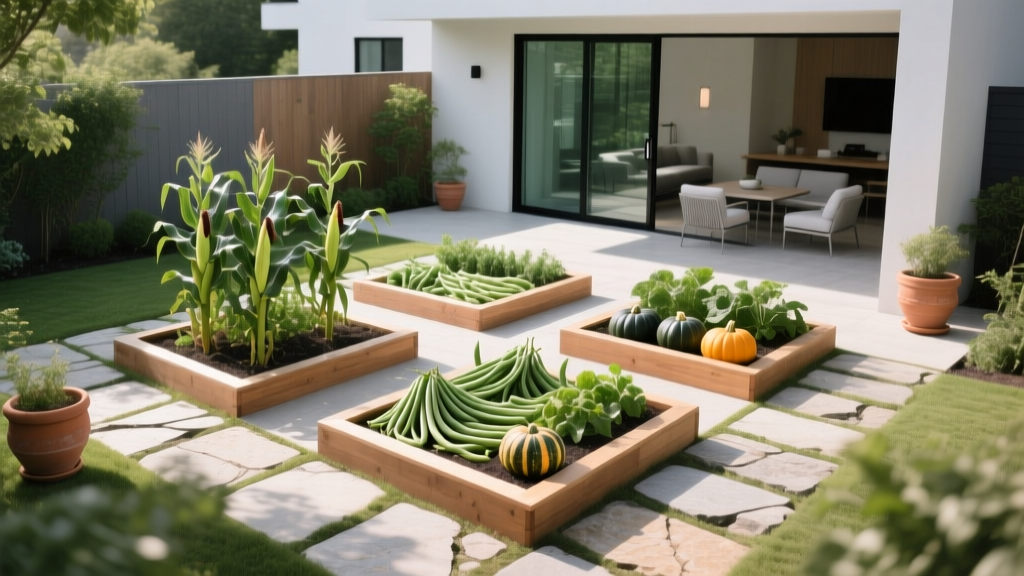 How to Create a Three Sisters Garden - The Decor Mag
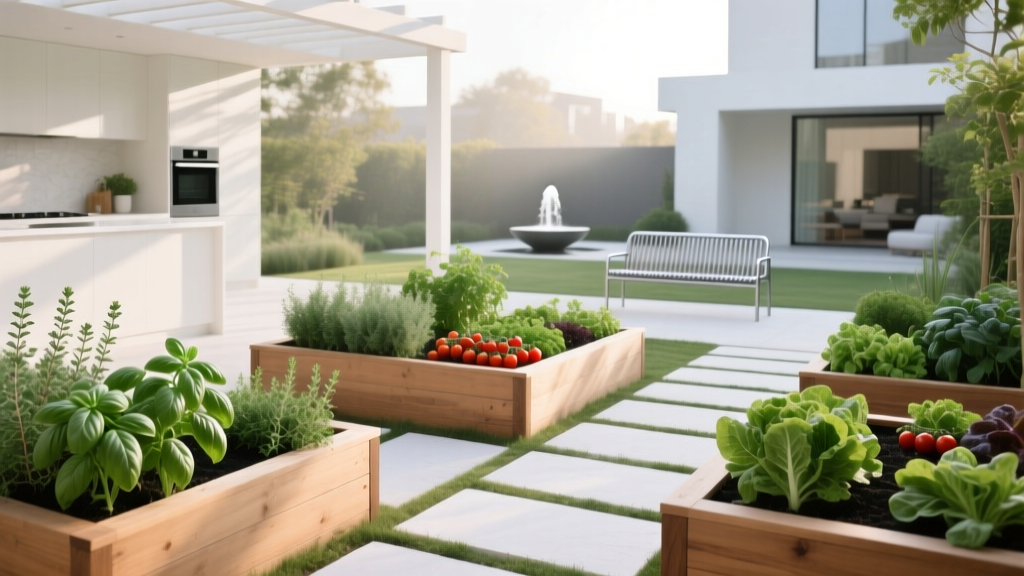 How to Design a Kitchen Garden Layout - The Decor Mag
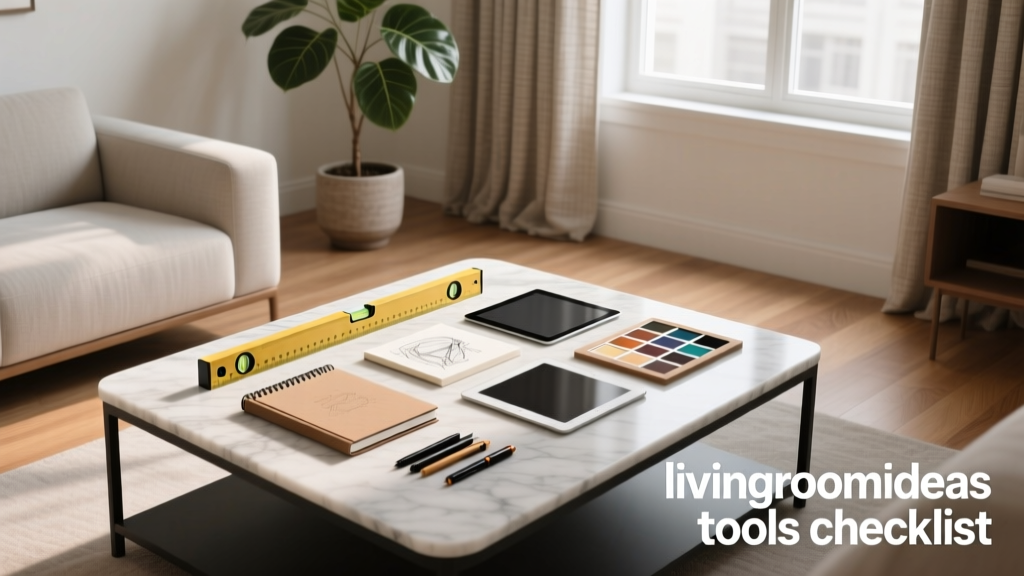 The Outdoor Living Room Tools Checklist: Essential Gear for Designing, Building, and Maintaining Your Backyard Living Space