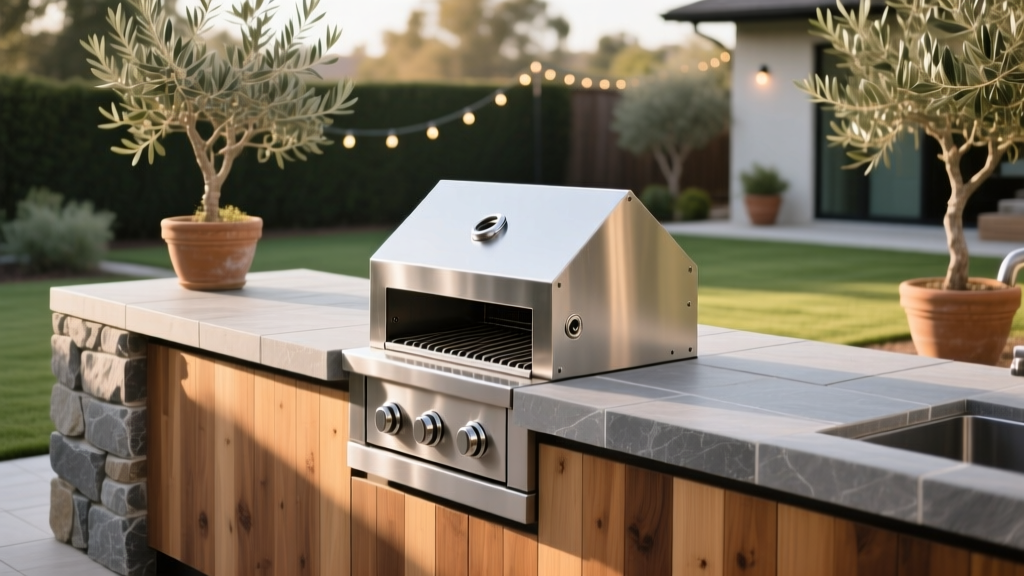
Outdoor Kitchen Smoker Box Integration - The Decor Mag
There’s a reason outdoor kitchens have become the heartbeat of modern patio living: they turn a backyard into a destination. But if you really want your outdoor entertaining area to feel like a custom, chef-worthy retreat, a smoker box integration is one of the most satisfying upgrades you can make. It adds that unmistakable slow-smoked flavor—and it changes how you design the space around heat, airflow, prep, and comfortable gathering.
Done well, integrating a smoker box (or built-in smoker) isn’t just a cooking feature; it becomes a design anchor. It influences your countertop materials, layout, ventilation, storage, lighting, and even your landscaping choices. Whether you’re building a full outdoor kitchen island, upgrading a grill station, or planning a compact patio kitchen, this guide breaks down the practical details, style choices, and common pitfalls so your smoker setup looks beautiful and performs effortlessly season after season.
What “Smoker Box Integration” Really Means (And Why It’s Worth It)
Smoker box integration can be as simple as adding a smoker box insert to an existing gas grill, or as involved as installing a dedicated built-in smoker into a masonry island with utilities, ventilation planning, and heat-rated finishes.
Popular smoker integration options
- Grill smoker box accessory: A metal box that sits over burners to infuse wood smoke. Best for smaller patios and modest budgets.
- Built-in smoker unit: A dedicated smoker installed into an outdoor kitchen island (similar to a built-in grill cutout). Ideal for frequent entertainers.
- Freestanding smoker “garage”: A high-performance pellet/charcoal smoker placed in a protected alcove with adjacent prep space and storage.
- Hybrid cooking zone: Built-in grill + separate smoker (pellet, charcoal, or kamado) arranged as a cohesive outdoor cooking suite.
Beyond flavor, a well-integrated smoker supports year-round outdoor living by creating a true “all-season cooking station.” Many homeowners find they use their outdoor kitchen more when it’s built around versatile cooking methods—smoke, sear, roast, bake, and slow-cook.
Planning Your Outdoor Kitchen Layout Around a Smoker
Smokers change the usual outdoor kitchen equation because they produce steady heat and smoke for longer periods. Smart layout decisions keep the space safe, comfortable, and efficient.
Layout approaches that work especially well
- L-shape outdoor kitchen: One leg for heat appliances (grill + smoker), the other for prep and serving. Great for separating smoke from guests.
- Galley layout: Two parallel runs (cook zone and prep/serve zone). Ideal for narrow patios and covered outdoor kitchens.
- U-shape: Maximum counter space and storage; best for larger patios and serious outdoor chefs.
- Linear wall kitchen: Clean and modern for small yards. Pair with a separate freestanding smoker station if space is tight.
Clearances and comfort zones (practical targets)
- 36–48 inches of walkway clearance behind the cook (more if you entertain big groups).
- At least 18–24 inches of landing space on both sides of the smoker/grill for trays and tools.
- Keep seating 6–10 feet away from the smoker exhaust side, depending on wind and cover.
- Plan a “smoke path” so smoke drifts away from doors, windows, and conversation zones.
Materials That Handle Heat, Smoke, and Weather Like a Pro
Outdoor kitchen materials must stand up to UV, moisture, temperature swings, and frequent cleaning. With a smoker in the mix, choose finishes that resist discoloration and are easy to wipe down.
Best countertop options for outdoor kitchens with smokers
- Granite: Durable and classic. Choose darker, mottled patterns to disguise smoke residue and splatters. Seal annually in most climates.
- Concrete (high-performance mix): Beautiful, customizable, and heat-tolerant. Requires sealing; expect natural patina over time.
- Porcelain slab: A top-tier option for stain resistance, UV stability, and low maintenance. Great for sleek, modern patio design.
- Stainless steel counters: Professional look and easy sanitation. Shows fingerprints but handles heat and weather extremely well.
Cabinetry and island construction
- 304 stainless steel for doors, drawers, and frames in most regions; 316 stainless for coastal, salty air.
- Cement board + metal studs for island framing; finish with stone veneer, stucco, or tile rated for exterior use.
- Vent panels are non-negotiable for gas appliances and helpful for heat management around smokers.
Surround materials that elevate the design
- Natural stone veneer: Timeless and forgiving with smoke staining.
- Large-format porcelain tile: Crisp, modern, and easy to clean; choose textured, slip-resistant options for flooring.
- Brick or thin brick: Adds warmth and pairs beautifully with wood-fired and smoked-cooking vibes.
Choosing the Right Smoker Setup for Your Patio Living Style
Your “right” smoker depends on how you cook, how often you entertain, and how hands-on you want to be.
Quick decision guide
- Pellet smoker: Set-it-and-manage-it convenience, steady temps, great for ribs, brisket, turkey. Needs electricity; plan an outdoor-rated outlet.
- Charcoal smoker: Deep flavor, more active tending. Ideal for purists who enjoy the process.
- Kamado-style cooker: Ultra-versatile (smoke, sear, bake). Needs a stable base and heat-safe clearance.
- Smoker box in a gas grill: Space-saving and budget-friendly; best for lighter smoking sessions and weeknight patio dinners.
Budget ranges (typical homeowner planning numbers)
- $40–$150: Grill smoker box accessory + wood chips + basic tools
- $600–$2,000: Quality freestanding pellet/charcoal smoker
- $2,500–$6,000+: Built-in smoker unit (appliance cost varies by brand and size)
- $8,000–$25,000+: Full outdoor kitchen island with built-in grill + smoker zone, counters, storage, lighting
- $25,000–$75,000+: Premium outdoor living space with roof structure, fireplaces, stonework, integrated appliances, and landscape lighting
Designing the “Cook + Lounge” Experience: Furniture, Lighting, and Flow
The best outdoor kitchen design doesn’t feel like a utility station—it feels like an extension of your home. With a smoker, prioritize comfortable spacing, easy serving, and a lounge zone that stays clear of smoke.
Furniture recommendations for a smoker-friendly patio
- Dining set materials: Powder-coated aluminum (low maintenance), teak (classic, weathers well), or all-weather wicker with quick-dry cushions.
- Bar seating: Backed counter stools for longer hangs; choose sling or marine-grade fabric for easy cleaning.
- Side tables: Add two to three small tables around seating for sauces, drinks, and platters—especially when brisket is on the menu.
Lighting that makes outdoor cooking safer (and more inviting)
- Task lighting: LED under-counter strips or adjustable sconces aimed at the prep zone.
- Ambient lighting: String lights under a pergola, warm path lights along pavers, and dimmable wall lights near doors.
- Accent lighting: Uplight feature plants or a stone veneer island face for a magazine-worthy evening look.
Small layout upgrades that feel “custom”
- Dedicated landing zone: A heat-safe counter section (stone or stainless) next to the smoker for hot trays.
- Built-in paper towel + trash pull-out: The cleanup hero of every outdoor entertaining area.
- Hidden tool storage: Deep drawers for gloves, butcher paper, thermometers, and wood pellets/chips.
- Serving ledge: A raised bar top keeps guests engaged without crowding the cook.
Landscaping Around an Outdoor Kitchen: Plants That Look Great and Behave Near Smoke
Outdoor kitchens and landscaping should work together. When you add a smoker, choose plants that tolerate heat, occasional smoke drift, and a bit of extra dryness near hardscape.
Smoker-friendly plant choices (by design role)
- Fragrant, functional herbs (in pots near prep): Rosemary, thyme, sage, oregano, chives. Keep containers 2–4 feet from high heat.
- Heat-tough structure plants: Boxwood (cooler climates), dwarf olive (warm climates), Japanese holly, lomandra, compact pittosporum.
- Softening grasses for modern patio design: Feather reed grass (cool climates), blue fescue, pink muhly (warm/temperate).
- Evergreen screening for privacy: Podocarpus (warm), arborvitae (cool), clumping bamboo varieties (choose non-invasive clumpers).
Placement tips for healthy plants and cleaner patios
- Use large ceramic or concrete planters to create a green buffer without planting directly in heat-reflective corners.
- Avoid placing delicate flowering plants right beside the smoker exhaust side.
- Choose drip irrigation for nearby planting beds; hardscape-heavy kitchens run hotter and drier.
Climate and Year-Round Outdoor Living Considerations
A smoker setup can be a four-season joy with the right planning. Your local climate should guide materials, cover, and maintenance routines.
Hot, sunny climates
- Prioritize UV-stable finishes like porcelain slab counters and powder-coated aluminum furniture.
- Add shade: pergola with a louvered roof, shade sail, or a covered patio extension.
- Choose lighter paving tones to reduce heat buildup around bare feet and pets.
Rainy or humid climates
- Use 304/316 stainless hardware and exterior-rated cabinetry components.
- Plan for airflow under counters; consider a dehumidifying cabinet rod or moisture absorbers in storage.
- Seal natural stone and concrete regularly; keep a cover on smokers when not in use.
Cold or freeze-thaw climates
- Select freeze-thaw rated pavers and mortar systems for stone veneer.
- Winterize: shut off water lines, drain sink plumbing, and protect appliances with fitted covers.
- Create a shoulder-season setup with infrared heaters under a covered structure and wind-blocking panels.
Seasonal entertaining ideas
- Spring: Herb refresh, deep clean counters, reseal stone, test lighting.
- Summer: Add a beverage cooler, prioritize shade, and use drought-tolerant planters.
- Fall: Perfect smoking weather—add cozy throws, fire pit seating, and pathway lighting.
- Winter: Choose quick cooks (smoked chicken, sausages) and keep a covered prep station for comfort.
Common Mistakes to Avoid With Smoker Box Integration
- Underestimating smoke direction: Test prevailing winds before final placement, especially near doors and operable windows.
- Skipping heat clearances: Crowding a smoker against combustible materials (wood privacy screens, certain composites) is a safety hazard.
- Using indoor-rated finishes outdoors: Laminate, non-exterior adhesives, and low-grade metals age fast in outdoor kitchens.
- Not providing landing space: Hot trays need safe, heat-resistant counter space on both sides of the cook zone.
- Forgetting power needs: Pellet smokers, task lighting, and mini fridges require GFCI-protected outdoor outlets.
- Placing delicate plants too close: Heat and smoke can scorch leaves; use containers and set back sensitive varieties.
Maintenance Checklist: Keep Your Smoker Station Looking Sharp
- Weekly (during use seasons): Wipe counters, empty grease collection, brush grates, sweep ash safely once cool.
- Monthly: Clean smoker interior per manufacturer guidelines, check door seals, wipe stainless with a grain-friendly cleaner.
- Seasonally: Reseal stone/concrete if needed, inspect ventilation panels, deep clean burners, refresh planter soil and mulch.
- Annually: Check paver joints, re-sand polymeric joints if applicable, inspect electrical outlets and lighting connections.
FAQ: Outdoor Kitchen Smoker Box Integration
Do I need a vent hood for an outdoor smoker?
In open-air setups, a vent hood is often optional, but in a covered patio or enclosed outdoor kitchen, smoke can linger. A properly rated outdoor vent hood (or a well-designed open gable/roof ventilation strategy) makes the space more comfortable and keeps soot off ceilings.
Can I add a smoker box to my existing built-in grill?
Yes. Many gas grills can use a smoker box accessory placed over lit burners. Pair it with a dedicated tool drawer and a heat-safe landing zone to make it feel integrated rather than tacked on.
What’s the best countertop material near a smoker?
Porcelain slab and stainless steel are top performers for low maintenance. Granite is also excellent with proper sealing. Avoid materials that stain easily or aren’t rated for outdoor UV exposure.
How far should a smoker be from seating areas?
Aim for 6–10 feet depending on wind and how smoky your cooking style is. If your yard gets swirling breezes, increase the distance and use landscaping (screening shrubs, planter walls) to help guide airflow.
Are pellet smokers okay to leave outside?
They can be, but they perform best with protection: a fitted cover, a dry storage plan for pellets, and ideally placement under a pergola or roof. Moisture is the enemy of pellet fuel and electronics.
What’s a smart upgrade if I’m not ready for a full outdoor kitchen?
Create a compact “smoke station” with a freestanding smoker, a 24–36 inch stainless prep table, a weatherproof storage bench for fuel/tools, and pavers or gravel underfoot for a clean, intentional patio look.
Your Next Steps: Build a Smoker Setup That Feels Like a Destination
- Choose your smoker style (box accessory, freestanding, or built-in) based on how often you cook and how hands-on you want to be.
- Map the smoke path and place the cook zone where it won’t drift into seating, doors, or dining.
- Select heat- and weather-ready materials (porcelain, granite, stainless, exterior-rated stone/tile).
- Design the experience with comfortable furniture, layered lighting, and a simple serving flow from cook zone to table.
- Finish with landscaping—herb planters near prep and durable screening to make the kitchen feel grounded and private.
When your outdoor kitchen smoker box integration is planned with the same care as your indoor kitchen—layout, materials, comfort, and a little backyard style—you’ll use it more often and enjoy it longer, from crisp fall briskets to summer patio parties and cozy winter smoke sessions under cover.
Want more outdoor kitchen design, patio living, and landscaping ideas? Explore fresh inspiration and expert guides on thedecormag.com.
More Articles
 Outdoor Living Style Buying Guide: Matching Aesthetics, Function, and Climate for Lasting Impact
 Best Outdoor Bar Glass Rack Storage - The Decor Mag
 Best Outdoor Heater Options for Cool Nights - The Decor Mag
 How to Design a Hummingbird Garden - The Decor Mag
 How to Design a Dragonfly Garden - The Decor Mag
 Outdoor Pavilion and Cabana Structures - The Decor Mag
 Outdoor Shower Design Ideas - The Decor Mag
 Best Outdoor Nesting Chair Sets - The Decor Mag
 Kid-Friendly Backyard Play Zones: Landscape-Blending Ideas
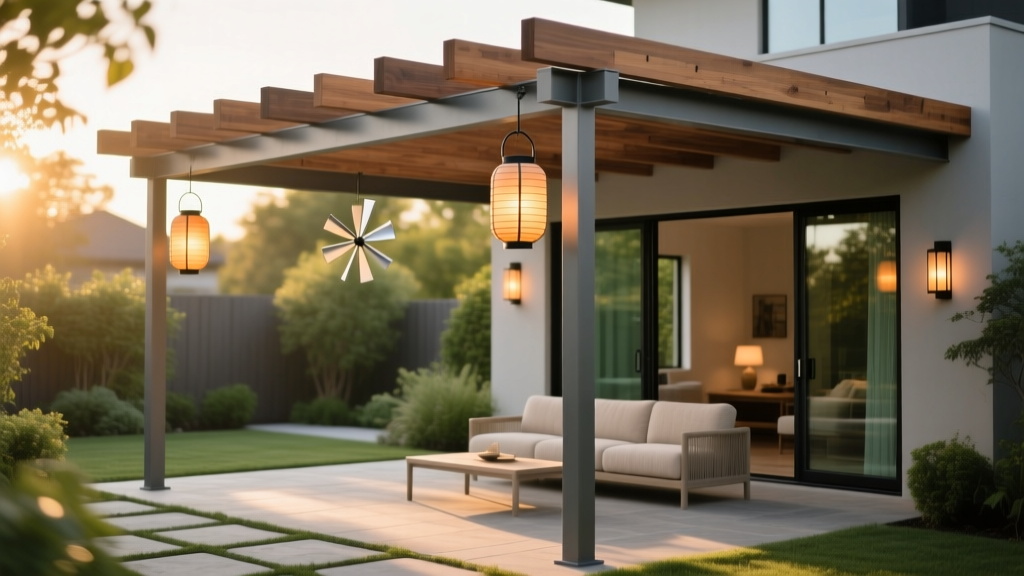 Outdoor Pergola Wind Light Lantern Hooks - The Decor Mag