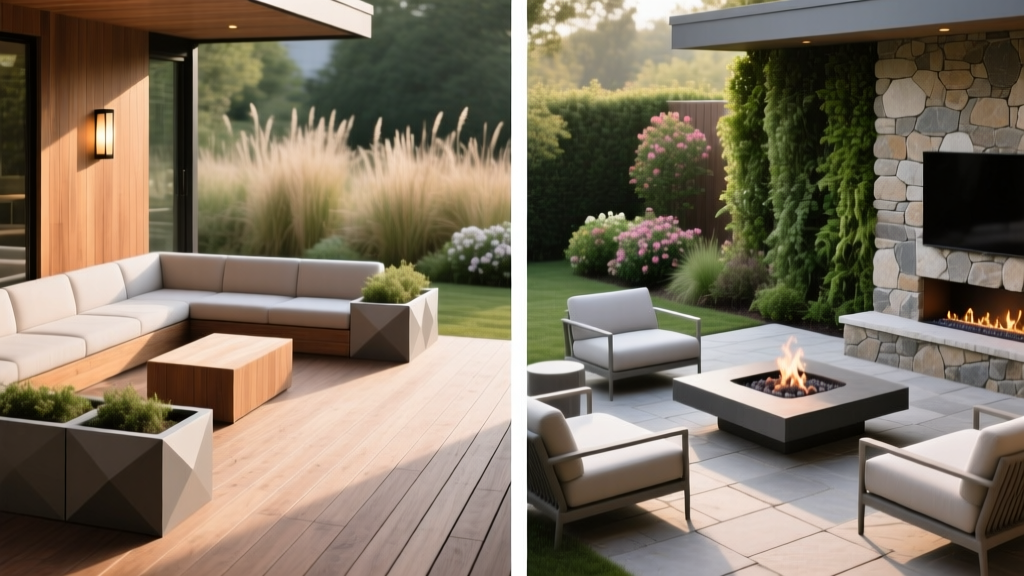
Deck vs Patio Design Comparison - The Decor Mag
Your outdoor living space is more than an extra corner of your property—it’s where weeknight dinners stretch into sunset, where kids and pets burn off energy, where you reset with a cup of coffee and a view of your garden. If you’re planning a backyard upgrade, the “deck vs patio” decision matters because it shapes how you move through your yard, how you entertain, and how much time you’ll spend maintaining it.
Both decks and patios can deliver beautiful, functional outdoor design. The best choice depends on your site (slope, soil, drainage), your climate, your style, and your budget. This comparison breaks down costs, materials, comfort, durability, and design approaches—plus common mistakes homeowners make—so you can build a space that feels inviting in every season.
Deck vs Patio: What’s the Difference?
A deck is typically a raised platform made from wood or composite boards supported by framing, posts, and footings. A patio is a ground-level surface made from materials like concrete, pavers, brick, or stone installed over a compacted base.
Quick snapshot
- Decks: Great for uneven or sloped yards, elevated views, and creating indoor-outdoor flow from a second story or high first-floor threshold.
- Patios: Excellent for flat yards, seamless garden integration, fire pit zones, and long-term durability with lower day-to-day maintenance.
Cost Comparison: Budget Ranges and What Drives Price
Outdoor living budgets vary widely by region, labor costs, access to your yard, and the complexity of design (curves, steps, built-ins, lighting, drainage). Here are realistic ranges for homeowners planning a deck or patio design project.
Typical installed cost ranges (U.S.)
- Pressure-treated wood deck: $25–$45 per sq. ft.
- Cedar or redwood deck: $35–$60 per sq. ft.
- Composite deck (mid-range): $45–$75 per sq. ft.
- Premium composite/PVC deck: $70–$120+ per sq. ft.
- Poured concrete patio (broom finish): $10–$20 per sq. ft.
- Stamped/colored concrete patio: $18–$35+ per sq. ft.
- Concrete paver patio: $18–$35+ per sq. ft.
- Natural stone patio: $25–$60+ per sq. ft.
- Gravel patio (with edging and proper base): $6–$15 per sq. ft.
Budget add-ons to plan for
- Railings (decks): often $50–$200+ per linear foot depending on material (wood, metal, cable).
- Stairs: $300–$2,000+ depending on width and number of steps.
- Site prep & grading: $500–$5,000+ (more if drainage work is needed).
- Outdoor lighting: $300–$3,000+ (solar vs low-voltage hardwired).
- Permits/engineering: common for decks, retaining walls, and some patios.
Site and Layout: Which Fits Your Yard Best?
Choose a deck if your yard is sloped or you need elevation
Decks shine when your back door sits high above the grade, when you want a panoramic view, or when leveling the yard would be expensive. A raised platform can create a comfortable transition from indoors to outdoors without major excavation.
Layout tip: Start with traffic flow. Aim for a clear 36–48 inches for main walk paths and 42–54 inches around dining zones so chairs pull out easily.
Choose a patio if you want garden integration and easy access
Patios feel grounded and naturally connected to landscaping. They’re ideal for households that want a fire pit area, a grill zone close to the kitchen, and room for planting beds that soften the edges.
Layout tip: Use “outdoor rooms” to organize the space. Even in a modest yard, a patio can hold two zones:
- Dining zone near the house for convenience
- Lounge/fire zone slightly farther out for ambiance
Materials Comparison: Best Choices for Style and Durability
Deck materials
- Pressure-treated pine: Budget-friendly and widely available; needs sealing/staining. Great for classic, simple deck design.
- Cedar/redwood: Naturally beautiful with a warmer tone; still benefits from a UV-protective finish.
- Composite decking (wood-plastic blend): Lower maintenance, consistent color, great for busy families. Choose capped composite for better stain resistance.
- PVC decking: Extremely resistant to moisture and staining; ideal in wet climates and near pools.
Expert detail: For safer, longer-lasting builds, pair composite/PVC boards with steel framing or high-quality pressure-treated framing and use hidden fasteners where appropriate for a clean, barefoot-friendly surface.
Patio materials
- Concrete: Versatile and cost-effective; can be upgraded with integral color, borders, or exposed aggregate.
- Concrete pavers: Repair-friendly (replace single pavers), design flexibility with patterns like herringbone or running bond.
- Brick: Timeless and charming; pairs beautifully with traditional homes and cottage gardens.
- Natural stone (bluestone, flagstone, limestone): Premium look; choose textured finishes for slip resistance.
- Decomposed granite (DG) or gravel: Great for informal patio living and drought-friendly landscapes; requires proper edging and occasional top-off.
Comfort and Year-Round Outdoor Living
The most loved outdoor living spaces are designed for more than summer weekends. Build comfort into your deck or patio so it works across seasons.
Shade strategies
- Pergola: Works on both decks and patios; add a slatted top, retractable canopy, or shade cloth.
- Umbrellas: Quick and flexible; look for cantilever styles for sectional seating.
- Shade trees: A long-term investment; choose species suited to your region and keep them far enough to avoid root conflicts with paving.
Cold-season comfort
- Fire pit: Easier to integrate on patios (especially pavers/stone). For decks, choose a fire table designed for deck use and follow clearance rules.
- Outdoor heater: Freestanding propane heaters or mounted electric infrared heaters under a covered structure.
- Wind screening: Lattice panels, outdoor curtains, or evergreen hedges reduce wind and extend shoulder-season use.
Lighting for ambiance and safety
- Deck stair lights or recessed riser lights improve safety.
- Path lights guide movement from patio to garden.
- String lights add instant warmth; anchor to pergolas, poles, or nearby structures for a clean drape.
Furniture Recommendations: What Works Best on Decks vs Patios
Deck-friendly furniture
- Powder-coated aluminum: Lightweight, rust-resistant, easy to rearrange for parties.
- All-weather wicker (HDPE resin): Cozy look, good for covered or semi-covered decks.
- Outdoor rugs: Add softness and define zones; use breathable pads to reduce moisture trapping on wood.
Patio-friendly furniture
- Teak: Ages beautifully; great for sunny patios. Expect seasonal cleaning and optional sealing.
- Wrought iron: Stable in wind; ideal for traditional patios and smaller sets.
- Concrete or stone-top tables: Great weight and presence; pair with cushions for comfort.
Layout sizing cheat sheet
- 4-person dining: Plan for at least 8' x 10'
- 6-person dining: 10' x 12' (or larger)
- Sectional lounge + coffee table: 10' x 10' minimum
- Outdoor kitchen/grill zone: 6'–10' linear run plus 4' clearance in front
Plants and Landscaping: Softening Edges and Adding Privacy
Decks and patios look best when they feel “nested” into the landscape. Use plants to soften hard lines, boost privacy, and bring seasonal color to patio living.
Best plants for patio borders (sun to part sun)
- Lavender: Fragrant, drought-tolerant, great along paver edges.
- Salvia: Long bloom period, pollinator-friendly.
- Catmint (Nepeta): Soft mounding habit that spills beautifully.
- Ornamental grasses (feather reed grass, little bluestem): Motion and winter interest.
Best plants for deck planters and containers
- Boxwood (or dwarf inkberry holly in colder climates): Structure year-round.
- Hydrangea (container-friendly varieties): Big seasonal impact in part shade.
- Herbs (rosemary, thyme, basil): Perfect near outdoor dining and grilling.
- Annual color: Petunias, calibrachoa, and begonias for easy summer punch.
Privacy planting ideas
- Evergreen screens: Arborvitae (‘Green Giant’ where suitable), holly, or clumping bamboo (non-invasive varieties only, and check local guidelines).
- Layered planting: Tall shrubs + mid-height perennials + groundcovers creates a lush “garden wall.”
- Trellises: Train jasmine (warm climates), clematis, or climbing roses for a living backdrop.
Climate and Maintenance: What to Expect Over Time
Deck maintenance by climate
- Wet/humid climates: Composite or PVC reduces rot risk; prioritize ventilation under the deck and keep leaves from trapping moisture.
- Hot/sunny climates: Choose lighter deck colors to reduce heat; consider UV-resistant composite lines.
- Snow/ice regions: Avoid harsh metal shovels on composite; use calcium chloride-friendly deicers if approved by the manufacturer.
Patio maintenance by climate
- Freeze-thaw regions: Pavers on a proper base handle movement better than poorly installed concrete. Use polymeric sand for joints to reduce weeds.
- Heavy rain zones: Build in slope (about 1/8"–1/4" per foot) away from the house and include drainage channels when needed.
- Desert climates: Consider permeable pavers, gravel, or shade structures to reduce glare and heat buildup.
Seasonal care checklist
- Spring: Wash surfaces, inspect for cracks/loose boards, refresh mulch and container soil.
- Summer: Add shade, check irrigation, keep grills on a heat-safe mat.
- Fall: Clear leaves weekly, store cushions, seal wood if scheduled.
- Winter: Keep pathways safe, avoid damaging deicers, protect furniture covers from trapping moisture.
Design Approaches That Always Look High-End
- Mix materials intentionally: Pair a composite deck with a stone landing and garden steps; or combine pavers with a wood privacy screen.
- Add built-ins: Bench seating, planter boxes, or a low retaining wall that doubles as extra seating.
- Use borders and inlays: A contrasting paver border or picture-frame deck board detail gives a custom finish.
- Create a focal point: Fire feature, water bowl, statement tree, or outdoor fireplace to anchor the layout.
Common Mistakes to Avoid
- Ignoring drainage: Poor grading can damage foundations, heave pavers, and rot deck framing.
- Undersizing the space: A “just big enough” patio feels cramped once furniture is placed. Tape it out on the lawn first.
- Choosing slick surfaces: Polished stone and glossy sealers can become slippery—opt for textured, slip-resistant finishes.
- Skipping shade planning: A beautiful outdoor living space that’s too hot at 3 p.m. won’t get used.
- Forgetting lighting: Step lighting and path lighting are safety essentials, not just decoration.
- Not planning for storage: Include a deck box, storage bench, or small shed area for cushions and tools.
Deck or Patio: How to Decide (A Practical Checklist)
- Choose a deck if you need elevation, your yard is sloped, you want a view, or you prefer a warm wood look underfoot.
- Choose a patio if you want easy garden flow, a fire pit zone, a long-lasting hardscape, and generally lower routine maintenance.
- Consider a hybrid if you want the best of both: a small deck off the house that steps down to a paver patio lounge surrounded by landscaping.
FAQ: Deck vs Patio Design
Is a deck or patio better for resale value?
Both can boost curb appeal and outdoor living value when well-designed. Decks often photograph beautifully and feel like an “extension” of the home, while patios can read as permanent hardscaping with strong long-term durability. The best ROI usually comes from a layout that fits the yard and looks intentional, with good lighting and easy access.
What’s cheaper: a deck or a patio?
A basic concrete patio is typically the lowest-cost installed option. A pressure-treated deck can be competitive depending on height and railings, but as soon as you add elevation, stairs, and rails, costs rise quickly.
Which is easier to maintain?
Patios generally win for day-to-day maintenance: occasional sweeping, rinsing, and joint care. Composite/PVC decks reduce maintenance compared to wood, but you’ll still clean them and inspect framing and fasteners over time.
Can I put a fire pit on a deck?
It’s possible with the right product and safety clearances, but patios are typically a safer, simpler choice for wood-burning fire pits. If you want a deck fire feature, consider a listed gas fire table, use a heat-protective mat, and follow manufacturer and local code requirements.
What’s best for wet climates or near a pool?
PVC decking and textured pavers are popular in wet zones. For patios, choose slip-resistant finishes and ensure proper drainage. For decks, prioritize moisture-resistant materials and good airflow beneath the structure.
How big should my deck or patio be for entertaining?
For comfortable entertaining, many homeowners land in the 250–400 sq. ft. range, especially if they want both dining and lounge zones. If you host often, plan for extra circulation space and a dedicated grilling area.
Next Steps: Plan Your Outdoor Living Upgrade
Start by measuring your yard, identifying sun and wind patterns, and listing how you’ll use the space (dining, lounging, gardening, kids, pets). Then choose the surface—deck, patio, or a hybrid—based on grade, climate, maintenance preferences, and the style you love. Once the footprint is set, layer in shade, lighting, landscaping, and furniture to create a year-round outdoor living space that feels welcoming in every season.
For more backyard ideas, patio
More Articles
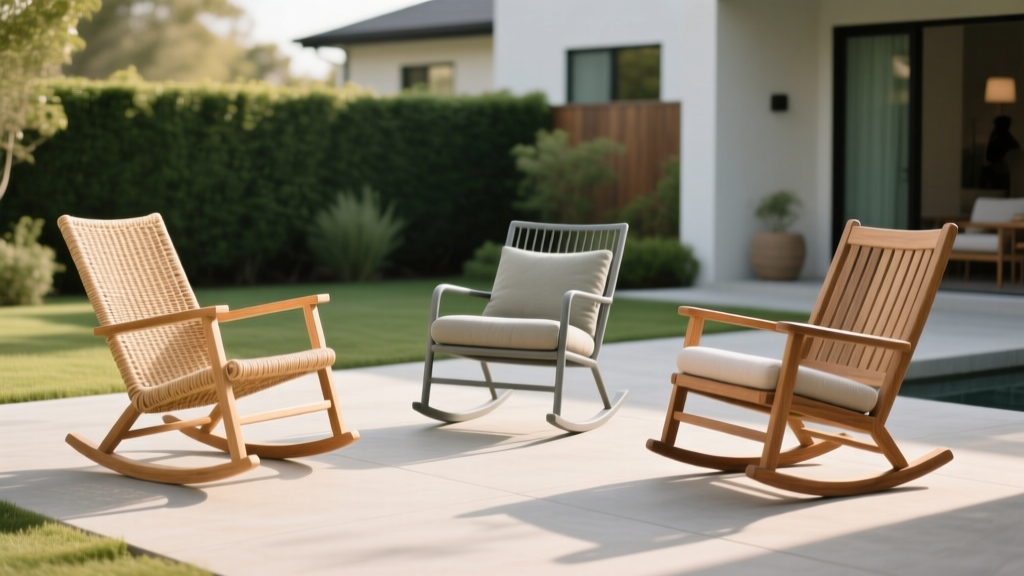 Best Outdoor Rocking Chair Picks - The Decor Mag
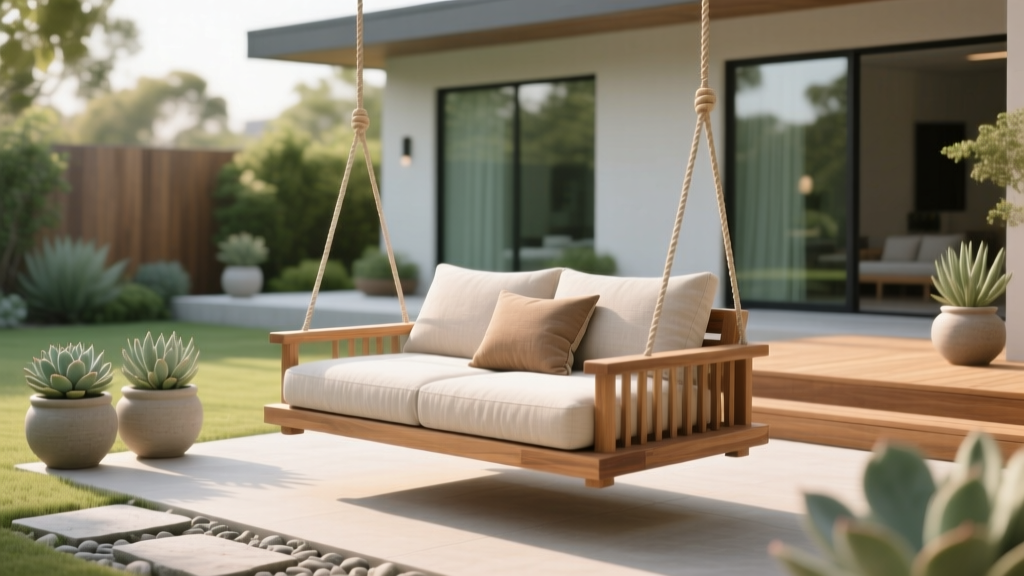 Best Outdoor Swing Bed Ideas - The Decor Mag
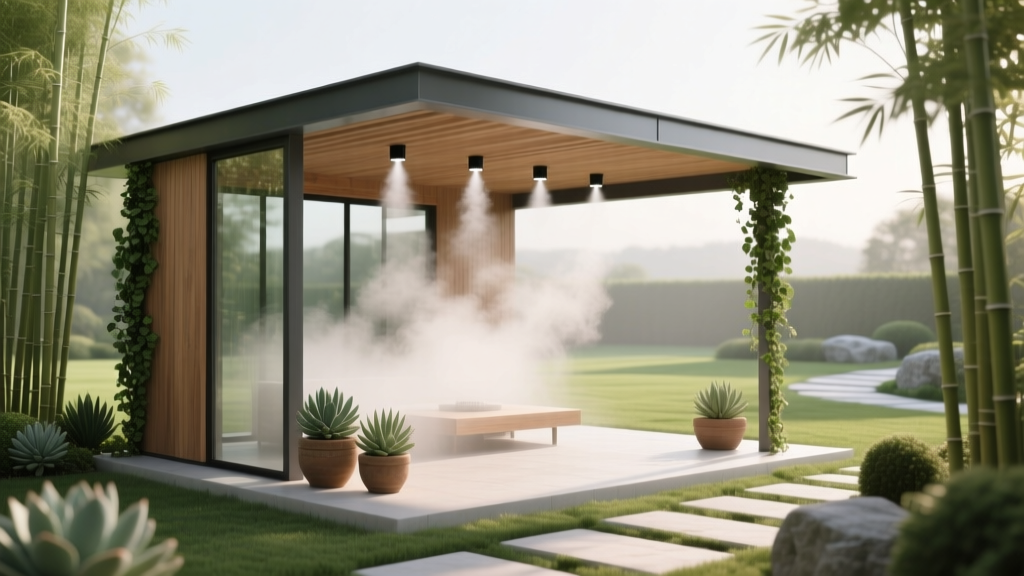 Outdoor Pavilion Misting System Setup - The Decor Mag
 Outdoor Kitchen Side Burner Setup - The Decor Mag
 Best Outdoor Bar Bottle Opener Mount - The Decor Mag
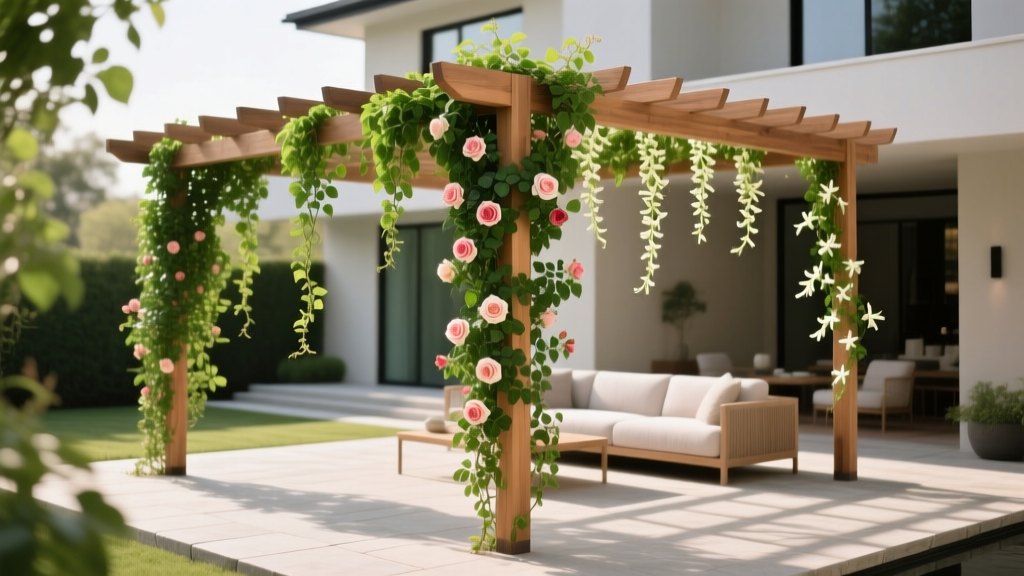 Outdoor Trellis and Climbing Plant Ideas - The Decor Mag
 Safety vs Living: Reconciling Outdoor Security with Authentic Lifestyle Experience
 How to Create a Three Sisters Garden - The Decor Mag
 Outdoor Pavilion Heater Placement - The Decor Mag
 Best Outdoor Bar Trash Bin Hideaway - The Decor Mag