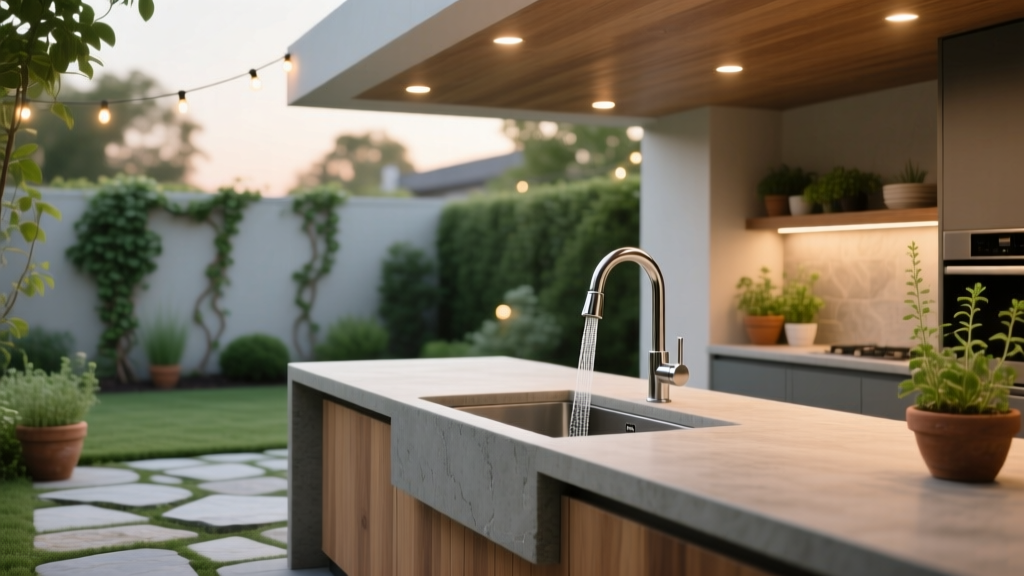
Outdoor Sink and Prep Station Ideas - The Decor Mag
An outdoor kitchen doesn’t have to start with a full suite of stainless appliances and a built-in grill island. For many homeowners, the real game-changer is simpler: an outdoor sink and prep station. Once you can rinse produce, wash your hands, fill a pot, and prep ingredients outside, you stop running back and forth through the house—and your patio living instantly feels more effortless.
A well-designed outdoor prep area also protects your indoor kitchen during peak entertaining season. Sticky marinade bowls, sandy hands from the garden, and dripping watermelon all stay outdoors where they belong. Add the right materials and a smart layout, and your station becomes a year-round anchor for outdoor living—equally useful for summer cookouts, fall harvest prep, and spring planting days.
Below are inspiring, practical outdoor sink and prep station ideas, with layouts, material recommendations, plant pairings, maintenance tips, and budget ranges to help you plan with confidence.
Why an Outdoor Sink and Prep Station Is the MVP of Patio Living
- Better flow for entertaining: Rinse, chop, plate, and serve without leaving guests.
- Cleaner indoor kitchen: Keep mess outdoors—especially during grilling and pool days.
- Garden-to-table convenience: Wash herbs, tomatoes, and greens right after harvest.
- Safer food handling: Dedicated handwashing and rinse station near the grill reduces cross-contamination.
- Flexible upgrades: Start small (cart + faucet) and expand into a full outdoor kitchen later.
Planning Your Outdoor Prep Station: Location, Layout, and Utilities
Choose the Right Spot
Place your outdoor sink and prep station where it supports the way you actually use your patio and yard.
- Near the grill: Ideal for prep and cleanup. Aim for 3–6 feet away to avoid heat and splatter.
- Near the back door: Easiest plumbing and fastest restocking from the indoor kitchen.
- Near the garden: Perfect for rinsing harvests and muddy hands—great for avid gardeners.
- Out of heavy wind: Reduces debris in the basin and keeps paper towels from flying away.
Smart Layout Rules (That Feel Like Pro Design)
- Counter space matters more than sink size: Plan for at least 24–36 inches of landing space next to the sink for cutting boards and trays.
- Keep it shaded when possible: Morning sun is pleasant; harsh afternoon sun heats countertops and makes food prep uncomfortable.
- Think “wet zone” and “dry zone”: Put a drying rack, hooks, or towel bar on the wet side; keep spices, oils, and utensils on the dry side.
- Light it well: Add a wall sconce, downlight, or pergola-mounted task light for evening prep.
Water, Drainage, and Electrical Basics
Your utility plan affects budget and complexity. A quick consult with a licensed plumber (and electrician if needed) often saves money long-term.
- Water supply: Tie into an exterior hose bib line, or branch from the indoor kitchen supply for a cleaner look.
- Drain options: Best is a true drain line tied into your home’s system. Some areas allow dry wells; others don’t—check local codes.
- Hot water: Optional, but highly convenient for greasy cleanup. Consider a small point-of-use water heater if your runs are long.
- Electrical: If you’re adding a mini-fridge or disposal, use GFCI protection and weather-rated outlets.
Outdoor Sink and Prep Station Ideas by Style and Space
1) The Built-In Grill Island Prep Station
This is the classic outdoor kitchen look: sink, counter, and storage integrated into a masonry or framed island.
- Best for: Frequent entertainers, dedicated patio kitchens, larger yards.
- Design tip: Put the sink on the same run as your prep counter, with trash pull-out nearby for scraps.
- Recommended materials: Stainless sink basin, granite or concrete countertop, stone veneer base.
- Nice upgrade: Add a built-in paper towel holder and an undercounter beverage fridge on the dry side.
Budget range: $3,500–$12,000+ depending on utilities, countertop choice, and island size.
2) The Compact Patio Corner Station
Even a small patio can handle a functional prep nook. Use an L-shaped corner to maximize counter space without blocking circulation.
- Best for: Townhomes, small decks, narrow side yards.
- Layout tip: Choose a single-bowl sink (15–18 inches) and prioritize a generous cutting surface.
- Recommended finishes: Powder-coated steel cabinet, stainless sink, porcelain or sintered stone top for stain resistance.
Budget range: $1,200–$5,000.
3) The Freestanding Prep Cart with Sink
If you’re not ready to commit to permanent plumbing or you rent your home, a freestanding station can still deliver serious convenience.
- Best for: Flexible outdoor living, patios that change seasonally, budget-first upgrades.
- How it works: Connect to a hose adapter and use a gray-water tank or approved drain solution (verify local rules).
- Recommended features: Locking casters, fold-out side shelf, utensil hooks, weatherproof cover.
Budget range: $250–$2,000.
4) The Garden-Adjacent Harvest and Potting Hybrid
Blend a potting bench with a prep sink for the ultimate garden-to-table station.
- Best for: Vegetable gardeners, homesteaders, families with active outdoor hobbies.
- Design tip: Include a lower shelf for soil bags and bins, and a smooth “clean counter” area reserved for food prep.
- Material pick: Cedar or teak frame (naturally rot-resistant), stainless sink, sealed countertop.
Budget range: $800–$4,500.
5) The Bar-Style Rinse Station for Outdoor Entertaining
If you host often, a bar sink and prep counter near seating keeps the main cooking zone clear.
- Best for: Pool areas, pergola lounges, outdoor dining rooms.
- Must-haves: Ice bucket storage, bottle opener, bar towel hooks, dedicated trash/recycle.
- Material suggestion: Sintered stone counter (excellent stain and UV resistance), stainless bar sink.
Budget range: $2,000–$9,000.
Materials That Perform Outdoors (Countertops, Cabinets, and Sinks)
Countertop Recommendations
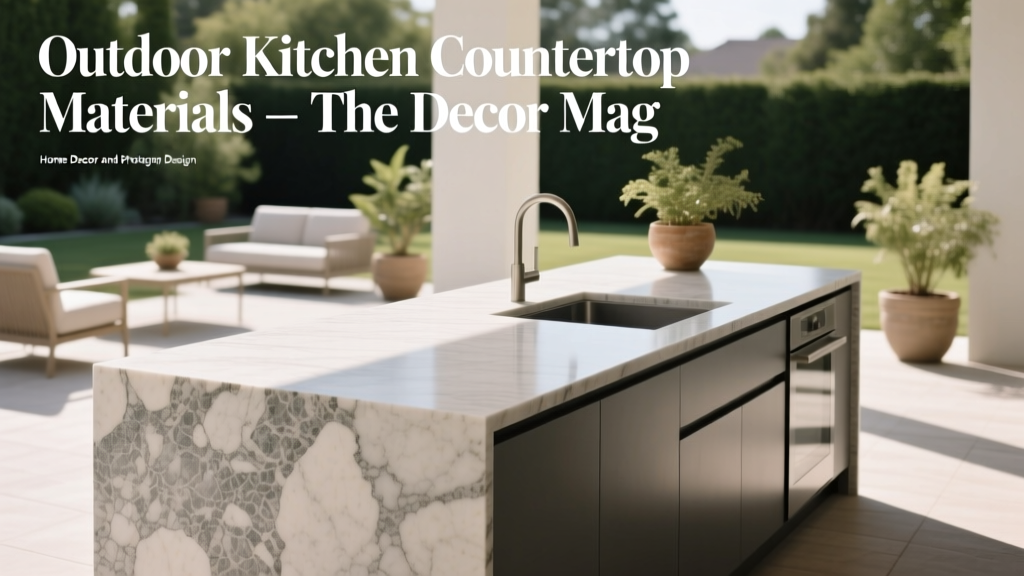
- Sintered stone (Dekton-style): Top pick for outdoor kitchens—UV stable, heat resistant, low maintenance. Mid to high cost.
- Granite: Durable and classic; choose a darker, denser slab for better stain resistance. Seal periodically. Mid cost.
- Poured concrete: Modern, customizable; needs proper sealing and may develop patina. Mid cost.
- Stainless steel counter: Restaurant feel, easy sanitation; shows fingerprints but cleans fast. Mid cost.
- Tile: Budget-friendly and stylish, but grout maintenance is real. Use epoxy grout for easier upkeep. Low to mid cost.
Cabinet and Base Materials
- Marine-grade polymer or HDPE cabinets: Excellent for wet climates and coastal air.
- Powder-coated aluminum: Lightweight, modern, rust-resistant.
- Stainless steel frames: Great for contemporary patios; choose high-quality stainless in coastal zones.
- Masonry base (CMU + veneer): Best for permanence and weather durability; heavier labor cost.
Sink and Faucet Picks
- Sink: Stainless steel (304 or higher) is the go-to. Consider a deeper basin (8–10 inches) for big trays.
- Faucet: Choose a pull-down sprayer and a model rated for outdoor use. Matte black can fade in intense sun; stainless and brushed nickel tend to age better outdoors.
- Accessories: Integrated cutting board, roll-up drying rack, sink grid to prevent scratches.
Furniture, Storage, and Comfort Upgrades That Make It Feel Finished
Furniture Pairings
- Counter-height stools (weather-rated): Create a social prep zone so the cook isn’t isolated.
- Outdoor dining table nearby: Makes plating and serving smooth—especially on busy weekends.
- Serving cart: Use it as a “bridge” between the prep station and dining area.
Storage That Actually Helps
- Trash pull-out: One for trash, one for recycling/compost—your prep area stays clean.
- Drawer organizers: Keep tongs, knives (in a safe sheath), and thermometers sorted.
- Weatherproof bin for towels: Swap out weekly; reduces mildew smell.
- Magnetic strip or hooks: Great for frequently used tools, away from wet surfaces.
Landscaping and Plant Ideas Around an Outdoor Prep Station
Strategic landscaping softens hard surfaces, adds fragrance, and improves privacy—without creating a leaf-litter problem in your sink.
Best Plant Choices for Nearby “Kitchen Garden” Flavor
- Rosemary: Drought-tolerant, evergreen in many climates, great scent near seating.
- Thyme: Low-growing and tidy—ideal along stepping stones or bed edges.
- Chives: Minimal mess, easy to harvest, great in containers.
- Parsley: Lush and practical; grows well in partial sun.
- Bay laurel (container): Looks like a small tree, elevates the design, can overwinter indoors in cold zones.
Design Tips for Plant Placement
- Keep messy trees away: Avoid heavy droppers (seed pods, berries) directly over prep counters.
- Use large containers: They read as “intentional design” and reduce weeds and splashing mud.
- Add a privacy screen: Consider clumping bamboo in a barrier planter (non-invasive varieties), tall ornamental grasses, or a slatted wood screen with vines.
Climate and Year-Round Outdoor Living Considerations
Cold Climates (Freeze/Thaw)
- Winterize water lines: Shutoff valves and drain-down are essential to prevent burst pipes.
- Choose freeze-thaw friendly surfaces: Sintered stone and properly sealed granite outperform porous materials.
- Use covers: A fitted cover extends faucet and countertop life dramatically.
Hot, Sunny Climates
- Prioritize UV-stable materials: Sintered stone, concrete with UV-rated sealer, and high-quality powder coat.
- Add shade: Pergolas, sail shades, or umbrellas keep counters cooler and protect finishes.
- Plan for hydration: If space allows, include a small undercounter fridge or cold-water dispenser.
Coastal or Humid Regions
- Upgrade metals: Choose higher-grade stainless when possible; rinse salt spray periodically.
- Ventilation helps: Avoid fully sealed cabinets that trap moisture; allow airflow to reduce mildew.
- Mold-resistant choices: Use mildew-resistant caulk and easy-clean backsplash materials.
Maintenance Checklist (Simple Habits, Big Payoff)
- Wipe counters after each use; remove acidic spills (citrus, vinegar) quickly on natural stone.
- Clean the sink weekly with a non-abrasive cleaner; use a grid to reduce scratching.
- Re-seal granite or concrete as recommended (often every 1–3 years depending on product and exposure).
- Inspect caulk lines and plumbing connections seasonally—especially before winter.
- Refresh wood oil on teak/cedar accents to keep them looking rich and water-resistant.
Common Mistakes to Avoid
- Too little counter space: A sink without landing room becomes frustrating fast. Plan for at least 24 inches beside it.
- Ignoring drainage rules: Gray water and outdoor drains can be regulated—check local code before building.
- Choosing indoor-only materials: Indoor cabinets and laminates swell, peel, and warp outdoors.
- Placing it under messy trees: Constant leaf litter turns prep into cleanup.
- Skipping task lighting: Outdoor prep after sunset needs real light, not just ambience.
- No winter plan: In freeze zones, a sink without shutoffs is a costly surprise waiting to happen.
Budget Guide: What You Can Expect to Spend
- Budget-friendly ($250–$1,500): Freestanding cart, basic hose hookup, simple storage, weather cover.
- Mid-range ($1,500–$6,000): Small built-in or modular cabinets, quality sink/faucet, solid countertop, professional plumbing.
- High-end ($6,000–$15,000+): Full masonry island, premium sintered stone, hot water, fridge, custom storage, lighting, and integrated bar features.
FAQ: Outdoor Sink and Prep Station Ideas
Do I need hot water for an outdoor sink?
No, but it’s a quality-of-life upgrade. Cold water works for rinsing produce and hands, while hot water makes greasy cleanup easier—especially after grilling.
What’s the best countertop material for an outdoor kitchen?
Sintered stone is one of the best all-around performers for outdoor design because it handles UV exposure, heat, and stains with minimal maintenance. Granite is also strong if sealed properly.
Can I connect an outdoor sink to a garden hose?
Yes for simple setups, especially with freestanding stations, but drainage is the bigger issue. Make sure your drain method complies with local regulations and avoids runoff into planting beds that could be harmed by soaps.
How do I winterize an outdoor sink?
In cold climates, shut off the water supply, drain the lines, and protect the faucet. Many homeowners also blow out lines with compressed air—your plumber can recommend the safest approach for your system.
Where should an outdoor sink be placed in relation to the grill?
Close enough for convenience, but not so close that heat and grease become a problem. A 3–6 foot separation is a comfortable guideline, with the sink on the prep side rather than directly beside the fire source.
What plants work best near an outdoor prep station?
Low-litter, fragrant, and useful plants shine here—think rosemary, thyme, chives, and parsley. Use containers to keep the area tidy and to make seasonal swaps easy.
Next Steps: Turn One Upgrade Into a Better Outdoor Lifestyle
Start by choosing your station type—built-in island, compact corner setup, freestanding cart, or garden-adjacent hybrid—then measure your available space and map your “wet” and “dry” zones. From there, pick outdoor-rated materials, plan for lighting, and add a few purposeful plants to make the area feel like a destination, not an afterthought.
Ready for more outdoor kitchen inspiration, patio living layouts, and landscaping ideas that make the most of every season? Explore more guides and design inspiration on thedecormag.com.
More Articles
 How to Create a Potager Garden - The Decor Mag
 How to Design a Hummingbird Garden - The Decor Mag
 Outdoor Daybed and Cabana Ideas - The Decor Mag
 Premium Outdoor Living Trends 2026: Innovation, Sustainability, and Elevated Craftsmanship
 Styling Styleguides Essentials: A Practical Framework for Outdoor Living Brand Consistency
 Best Outdoor Bar Citrus Squeezer Station - The Decor Mag
 Outdoor Pavilion Infrared Heater Mount - The Decor Mag
 Outdoor Kitchen Pizza Stone Installation - The Decor Mag
 Outdoor Kitchen Countertop Materials - The Decor Mag
 Best Outdoor Coffee Table Materials - The Decor Mag