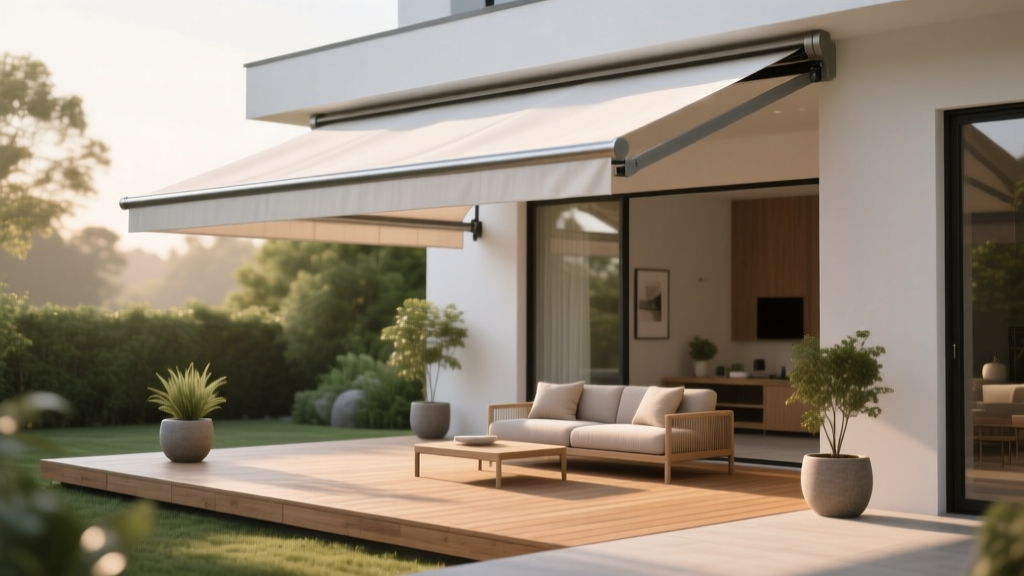
Outdoor Retractable Awning Guide - The Decor Mag
A great outdoor space isn’t just about what you place on the patio—it’s about how comfortable it feels at 10 a.m. in full sun, at 6 p.m. when glare hits the sliding doors, and at 9 p.m. when the evening air cools. A well-chosen outdoor retractable awning can turn a “too hot to use” deck into a true open-air room, extending your living space without a full roof build-out.
Retractable awnings also bring flexibility that permanent covers can’t match. Open it for shade during peak heat, retract it for winter sun, and adjust it as your entertaining needs change. For homeowners focused on outdoor living, patio design, and backyard landscaping, an awning is one of the fastest ways to boost comfort, protect furniture, and elevate curb appeal.
This guide breaks down awning types, sizing, materials, design pairings, climate considerations, and common pitfalls—plus practical tips on furniture layouts, plant styling, and budget ranges so you can choose a setup that looks intentional and performs season after season.
What a Retractable Awning Adds to Your Outdoor Living Space
Think of a retractable awning as a “shade tool” that supports how you actually use your patio, pergola-free. The right model can:
- Reduce heat and glare on patios, decks, and interior rooms (especially west- and south-facing exposures).
- Protect outdoor furniture from UV fading and light rain splash.
- Create a defined outdoor room for dining, lounging, or a compact outdoor kitchen zone.
- Improve energy efficiency by shading windows and sliding doors.
- Extend seasonal use by making shoulder seasons more comfortable (pair with heaters or wind screens).
Types of Outdoor Retractable Awnings (and Where Each Works Best)
Manual Retractable Awnings
Operated with a hand crank. They’re cost-effective and reliable, ideal for smaller patios or homeowners who don’t mind a little effort.
- Best for: Apartment patios, small decks, DIY-friendly installs.
- Watch for: Heavier units can be awkward to crank when fully extended.
Motorized Retractable Awnings
Controlled by wall switch, remote, or smart home integration. They’re the go-to for larger spans and frequent use.
- Best for: Medium to large patios, entertaining spaces, daily shade use.
- Top upgrades: Wind sensor, sun sensor, and smart scheduling.
Full Cassette vs. Semi-Cassette vs. Open Roller
- Full cassette: Fabric and arms tuck fully into an enclosed housing. Best for harsh weather, windblown debris, and long-term fabric protection.
- Semi-cassette: Partial protection—usually covers the roller and top of fabric. Great value for moderate climates.
- Open roller: Most affordable but leaves fabric exposed. Works under eaves or in very mild climates.
Freestanding Retractable Options
If you can’t mount to your home (or want shade deeper in the yard), look for freestanding retractable awning structures or tensioned shade systems designed for patios.
- Best for: Poolside lounging, garden seating areas, detached patios.
- Design tip: Anchor near a hardscape edge (pavers or concrete) for clean sightlines and stability.
Choosing the Right Size, Projection, and Placement
Measure Like a Designer (Not Just a DIYer)
A retractable awning should align with how you arrange furniture and how the sun hits your home, not just the width of the door.
- Width: Ideally extends 12–24 inches beyond the area you want shaded (especially for dining tables and seating clusters).
- Projection (how far it extends): Commonly 8–14 feet. Choose based on furniture depth and desired coverage.
- Mounting height: Higher mounts feel airy but can reduce shade; lower mounts increase shade but can feel visually heavy. Many patios land best around 8–10 feet depending on slope and doors.
Plan Around Sun Angles and Wind
- South-facing patios: Prioritize UV protection and heat management; consider lighter fabric tones to reduce visual heat.
- West-facing patios: Late-day glare is intense—choose longer projection and consider a drop-down valance or side screen for low-angle sun.
- Windy lots/corner homes: Choose a full cassette, add wind sensor automation, and consider retracting as part of routine use.
Fabric, Frame, and Hardware: Materials That Hold Up
Best Awning Fabrics for Patio Living
- Solution-dyed acrylic (top choice): Excellent fade resistance, breathability, and color depth. Great for year-round outdoor living.
- Polyester: Often more budget-friendly; look for high-quality coatings for UV and water resistance.
- PVC-coated fabrics (vinyl): More water-shedding but can trap heat; best for rain-prone areas where shade doubles as light weather cover.
Fabric tips:
- Look for UV protection ratings and mildew resistance.
- For dining patios, consider patterns or mid-tone solids that hide pollen and light leaf debris better than stark white.
- Choose colors that connect to your landscape palette—greens and warm neutrals blend beautifully with gardens; charcoal and sand tones feel modern and clean.
Frames and Fasteners That Matter
- Powder-coated aluminum frames: Lightweight, corrosion-resistant, ideal for most climates.
- Stainless steel hardware: Worth it near coasts or humid regions to avoid rust streaking on siding and stucco.
- Quality arms and joints: Ask about arm tension ratings and warranty length—these components take the most stress.
Designing the Patio Under Your Awning: Layouts, Furniture, and Style
3 Practical Layouts Homeowners Love
- Outdoor dining room: Center a 6–8 person table under the awning with 36–48 inches of clearance around chairs. Add a slim console or bar cart against the wall for serving.
- Lounge + coffee table: Use a sectional or sofa + two lounge chairs to create a conversational zone. Anchor with an outdoor rug sized so at least front legs sit on it.
- Split zones (dine + lounge): If the awning is wide enough, place dining closest to the door and lounging toward the outer edge. This keeps traffic flow easy and makes entertaining effortless.
Furniture Recommendations That Work Especially Well Under Awnings
- Powder-coated aluminum dining sets: Clean-lined, weather-ready, and low maintenance.
- Teak or acacia lounge pieces: Warm and timeless; under an awning, they weather more slowly and stay more comfortable to the touch.
- All-weather wicker (HDPE resin): Adds texture; choose UV-stable weave and quick-dry cushions.
- Performance outdoor fabrics: Solution-dyed acrylic cushions resist fading; pick zippered covers for easy cleaning.
Comfort upgrades:
- Outdoor curtains or side screens for privacy and wind reduction (especially on breezy patios).
- LED string lights or a slimline outdoor ceiling fan (if your installation allows) to support evening use.
- Infrared electric heaters for fall and early spring entertaining—perfect for year-round outdoor living goals.
Plants That Pair Beautifully With Awnings (and Thrive Near Patios)
Your awning changes light levels, which is great for comfort—but it can shift what plants thrive close to the house. Use this to your advantage with layered, patio-friendly planting.
- For bright shade under extended awnings:
- Hosta (lush texture for shaded borders)
- Heuchera/coral bells (colorful foliage, compact form)
- Hydrangea (morning sun/afternoon shade is ideal in many regions)
- Ferns (great in humid/shadier microclimates)
- For sunny edges beyond the awning line:
- Lavender (fragrant, drought-tolerant, pollinator-friendly)
- Salvia (long bloom season, heat tolerant)
- Rosemary (Mediterranean feel, great near outdoor kitchens)
- Ornamental grasses (adds movement and softness)
- For containers on the patio:
- Boxwood or dwarf holly (structure year-round)
- Olive or citrus (in suitable climates; move indoors where winters freeze)
- Trailing ivy or sweet potato vine (softens hard edges)
Plant styling tip: Repeat 2–3 pot materials (matte black, natural terracotta, or fiberstone) for a cohesive outdoor design that feels curated, not cluttered.
Climate, Seasonal Use, and Year-Round Outdoor Living
Hot and Sunny Climates
- Choose high-UV acrylic fabric and consider lighter colors to reduce heat buildup.
- Add a sun sensor to extend automatically during peak sun hours.
- Pair with drought-tolerant landscaping: lavender, agave (where suitable), salvias, and gravel mulch for a polished, water-wise look.
Rainy or Humid Regions
- Look for mildew-resistant fabrics and ensure proper pitch for water runoff.
- Retract during heavy rain—most retractable awnings are not designed as full rain roofs.
- Keep nearby plantings airflow-friendly (avoid dense shrubs directly against the wall).
Windy Areas and Coastal Yards
- Prioritize a full cassette design and wind sensor protection.
- Use stainless hardware and rinse frames seasonally to remove salt spray.
- Consider wind-tolerant landscaping like ornamental grasses and tough shrubs that won’t shed debris constantly.
Cold Winters and Shoulder Seasons
- Retract awnings during snow, ice, and storms.
- Plan for winter sun access—retractable shade is perfect for passive warmth on clear days.
- Make fall and spring more usable with: outdoor rugs, layered throws, a heater, and warm lighting.
Maintenance: Keep Your Retractable Awning Looking New
- Monthly (during active season): Brush off leaves and pollen; rinse with gentle water spray.
- 2–3 times per year: Clean fabric with mild soap and water; avoid harsh chemicals that strip coatings.
- After storms: Check mounting points, listen for unusual motor noise, and retract if winds pick up.
- Before winter: Retract fully, clean, and ensure the cassette is dry to prevent mildew.
Pro tip: Never retract the awning while the fabric is soaking wet unless you have to. If it’s retracted damp, extend it later to dry fully.
Budget Ranges: What Outdoor Retractable Awnings Cost
Pricing varies widely based on size, fabric quality, cassette style, and motorization. Use these ranges to plan realistically:
- Budget-friendly (manual, smaller sizes): $500–$1,500
- Mid-range (better fabric, larger spans, semi-cassette): $1,500–$4,000
- Premium (motorized, full cassette, sensors, pro install): $4,000–$10,000+
Where to spend: Fabric quality, a sturdy frame, and proper installation. Those three determine how the awning performs and how long it lasts.
Common Mistakes to Avoid
- Choosing size based only on door width: Design around furniture layouts and the sun path for real shade coverage.
- Mounting too high without enough pitch: You’ll lose shade and risk water pooling during light rain.
- Skipping wind protection: In breezy areas, wind sensors and routine retraction prevent expensive damage.
- Ignoring exterior style: A modern home with a scalloped valance can feel mismatched; match lines, colors, and trim details to your architecture.
- Using indoor fabrics or cheap cushions: Even under an awning, patio living demands performance materials for fading and moisture.
- Overcrowding the patio: Leave clear paths (aim for 36 inches) so the space feels like an outdoor room, not a storage zone.
FAQ: Outdoor Retractable Awnings
Do retractable awnings protect from rain?
They handle light drizzle depending on fabric and pitch, but they’re primarily for sun protection. Retract during heavy rain or storms to avoid water pooling and wind damage.
What’s the best fabric for fade resistance?
Solution-dyed acrylic is the top pick for long-term color retention and a premium look, especially for sunny patios and year-round outdoor living.
How far should an awning extend over a patio?
Most homeowners do well with 8–12 feet of projection for dining or lounging. If you entertain often or have a west-facing patio, consider longer projection for late-day sun.
Can I install a retractable awning myself?
Some manual models are DIY-friendly, but many awnings are heavy and require precise mounting into structural framing. For large or motorized units, professional installation is usually worth it for safety and warranty protection.
How do I style a patio under an awning so it looks intentional?
Use an outdoor rug to define the zone, repeat 2–3 materials (wood + black metal + a neutral textile works well), and add container plants at corners to “frame” the outdoor room.
Will an awning help keep my home cooler?
Yes. Shading windows and glass doors reduces solar heat gain, which can make adjacent indoor rooms more comfortable and may lower cooling costs depending on your exposure.
Your Next Steps: Plan, Measure, and Design the Shade
Start by identifying how you want to use the space—dining, lounging, or a combination—then measure the zone you want shaded, not just the wall you’re mounting on. Choose a fabric and frame built for your climate, prioritize a cassette style that matches your weather exposure, and design the patio layout with clear walkways, durable furniture materials, and plants that thrive in your new light conditions.
If you’re ready to move from “nice patio” to a true outdoor living room, a retractable awning is one of the smartest, most flexible upgrades you can make. For more patio design ideas, landscaping inspiration, and outdoor living guides, explore the latest on thedecormag.com.
More Articles
 How to Design a Rooftop Terrace - The Decor Mag
 Turn Your Tired Porch into a $100 Summer Oasis (DIY Guide)
 Outdoor Pergola Lattice Roof Pattern - The Decor Mag
 How to Create a Potager Garden - The Decor Mag
 How to Design a Gravel Garden - The Decor Mag
 Best Outdoor Dining Chair Cushions - The Decor Mag
 How to Create a Shade Garden - The Decor Mag
 Performance Alternatives to Styling: Why Functionality Should Anchor Outdoor Living Design
 Best Outdoor Cocktail Cart Picks - The Decor Mag
 Outdoor Kitchen Sink Apron Front Ideas - The Decor Mag