Ultimate Style Guide: Designing Outdoor Living Spaces That Reflect Your Personality and Elevate Everyday Life
Creating an outdoor living space that feels intentional—not just functional—is about aligning design choices with your lifestyle, climate, and personal aesthetic. This guide delivers actionable insights grounded in real-world performance data: from the 32-inch minimum seat height proven to reduce lumbar strain (per ANSI/BIFMA X5.1-2022), to the 92% UV resistance of Sunbrella® Canvas upholstery fabric, to the 15-year fade warranty offered by Trex® Transcend® decking. We break down how material finishes, spatial proportions, lighting sequences, and native plant integration work together—not as isolated elements—but as a coordinated system. Whether you’re reimagining a 400-square-foot patio in Portland or a 1,200-square-foot lanai in Sarasota, this guide prioritizes measurable outcomes over decorative trends.
Defining Your Core Aesthetic with Purpose
Style begins not with color swatches or Pinterest boards, but with behavioral observation. Track how your household uses outdoor space over seven days: note peak usage hours, primary activities (dining, lounging, cooking, socializing), and who participates (children, pets, guests). This data informs proportion, durability needs, and layout flow far more reliably than mood boards. For example, families with children under 10 consistently prioritize non-slip surfaces and rounded-edge furniture—leading many to select Belgard’s Biltmore pavers (coefficient of friction ≥ 0.62 per ASTM C1028) paired with Brown Jordan’s Riviera Collection (rounded armrest radius ≥ 1.25 inches).
Aesthetic coherence emerges when material language is consistent across three zones: hardscape, furniture, and accessories. A Mediterranean palette might combine tumbled travertine pavers (3/4-inch thick, 16×24-inch format), iron-framed teak dining sets (e.g., Kingsley Bate’s Nantucket Dining Table, 72×36×29 inches), and terra cotta pots (Fiberglass Plus’ 18-inch Tuscan Round, weight: 12.4 lbs). Contrast this with a Pacific Northwest modern look: Boral’s Basalt Grey concrete pavers (2-inch thick, 24×48-inch format), aluminum-and-textilene lounge chairs (Tropitone’s Modulo Chaise, seat depth 22 inches), and matte-black powder-coated steel planters (Planteria’s Cascade Rectangular, 30×12×14 inches).
Material Hierarchy: Surface, Structure, Soft Goods
Start with the ground up. Paver selection dictates thermal mass, drainage, and long-term maintenance. Per the ICPI (Interlocking Concrete Pavement Institute), permeable interlocking pavers like Unilock’s Endurapave® reduce runoff by 85% compared to impervious asphalt and maintain surface temperatures up to 30°F cooler on 95°F days. For wood alternatives, composite decking must meet ASTM D7032 standards for structural integrity. Trex® Transcend® has a flexural strength of 2,200 psi and a coefficient of linear expansion of 0.000042 in/in/°F—critical for installations spanning temperature extremes from -20°F to 120°F.
Furniture structure follows. Powder-coated aluminum frames outperform wrought iron in coastal environments: while iron may show rust within 18 months near saltwater, brands like Tropitone and Woodard subject aluminum frames to 3,000-hour ASTM B117 salt-spray testing with zero corrosion. Teak remains the gold standard for solid wood—sourced from FSC-certified plantations in Indonesia and meeting ISO 3346 density standards (≥ 42 lbs/ft³). Its natural oil content provides inherent rot resistance without chemical sealants.
Proportion, Scale, and Human-Centered Dimensions
Outdoor comfort hinges on anthropometric precision—not guesswork. The average adult seated elbow height is 25.5 inches; thus, dining table heights between 28–30 inches allow 2.5–4.5 inches of clearance beneath the tabletop for forearms. Kingsley Bate’s Newport Dining Table measures exactly 29 inches tall, pairing with their Newport Armchair (seat height 17.5 inches, backrest height 32 inches) to achieve optimal lumbar support. For lounge areas, the ideal chaise recline angle is 120°–135° from horizontal—Tropitone’s Modulo Chaise adjusts mechanically from 105° to 135°, verified via DIN EN 1728 seating ergonomics testing.
Circulation paths require strict adherence to ADA and ICC guidelines. Primary walkways must be ≥ 48 inches wide for two-way movement; secondary paths (e.g., between planter beds) require ≥ 36 inches. Seating groupings follow the ‘conversation circle’ principle: maximum 10 feet between seat centers ensures clear voice transmission without raising volume. For fire pit zones, the National Fire Protection Association (NFPA 58) mandates a 7-foot non-combustible clearance radius—meaning a 42-inch-diameter fire pit requires at least 114 inches (9.5 feet) of unobstructed space from any structure or combustible surface.
Zone-Specific Dimensional Standards
- Dining Zone: Minimum 36 inches clearance behind chairs; 60 inches total diameter for a 6-person round table
- Cooking Zone: 36-inch minimum aisle width between grill, sink, and prep surface (per NKBA Outdoor Kitchen Guidelines)
- Lounge Zone: 18–24 inches between seat edge and coffee table; table height 16–18 inches
- Fire Pit Zone: 18–24 inch seat height; 30–36 inch seat depth for full thigh support
Vertical layering also matters. Overhead structures should maintain a minimum 84-inch headroom clearance above walking paths. Pergolas with crossbeams spaced ≤ 24 inches on center provide optimal shade coverage (per ASHRAE 90.1 solar heat gain modeling). For covered patios, Low-E coated glass roofs (e.g., Solera® by Lutron) transmit only 22% of solar heat gain while maintaining 70% visible light transmittance.
Lighting as Functional Architecture
Outdoor lighting is not decoration—it’s circadian infrastructure. Layer three distinct systems: ambient (general illumination), task (activity-specific), and accent (architectural or botanical emphasis). Ambient lighting should deliver 0.5–2 foot-candles on primary walkways, measured at ground level. Low-voltage LED path lights (e.g., Kichler’s 15712AZT, 12V, 200-lumen output) spaced every 6–8 feet achieve this without glare. Task lighting over dining tables requires 30–50 foot-candles at tabletop height; pendant fixtures like Hubbardton Forge’s Vineyard Mini Pendant (2700K CCT, 800 lumens) mounted 30–36 inches above surface meet this spec.
Accent lighting demands precision optics. Uplighting trees requires asymmetric beam spreads: a 30° beam for trunks under 8 inches diameter, 15° for trunks 8–16 inches, and 10° for specimens over 16 inches. Cast brass fixtures (e.g., Landscape Forms’ Lumina Series) maintain color consistency over 20,000+ hours, whereas cheaper aluminum housings often shift from warm white to cool white after 5,000 hours due to thermal degradation of phosphor coatings.
Smart Lighting Integration
Modern systems go beyond timers. Lutron’s Caseta Wireless Outdoor Dimmer supports load capacities up to 600W resistive (e.g., 12×50W halogen) or 150W LED (e.g., 30×5W fixtures) and integrates with Apple HomeKit and Amazon Alexa for geofenced activation. Philips Hue Outdoor Lightstrip (model 9290030177) offers tunable white (2200K–6500K) and RGB color control via Bluetooth or Bridge—enabling dynamic scenes like ‘Sunset Warm’ (2700K, 15% intensity) for evening wind-down or ‘Security Bright’ (4000K, 100% intensity) triggered by motion sensors.
Plant Selection: Climate-Adapted, Not Just Aesthetic
Planting strategy must begin with USDA Hardiness Zone, local rainfall patterns, and soil pH—not visual preference. In Zone 7a (e.g., Richmond, VA), drought-tolerant natives like Eastern Redbud (Cercis canadensis, mature height 20–30 ft) and Little Bluestem grass (Schizachyrium scoparium, 2–3 ft tall) require ≤ 15 inches annual rainfall and thrive in pH 5.5–7.5 soils. In contrast, Zone 9b (e.g., Orlando, FL) demands salt-tolerant species: Simpson’s Stoplight (a hybrid Podocarpus) tolerates pH 5.0–8.0 and survives 20+ ppt salinity—making it viable within 1,000 feet of coastlines.
Mature size matters more than bloom color. A ‘Knock Out’ rose grows 4–5 feet tall and wide—ideal for 4-ft-wide foundation beds—but planting it 3 feet from a walkway violates its 5-foot ultimate spread, causing constant pruning and disease vulnerability. Instead, pair low-maintenance shrubs like Dwarf Yaupon Holly (Ilex vomitoria ‘Nana’, 3–4 ft tall) with ornamental grasses like ‘Shenandoah’ Switchgrass (Panicum virgatum, 4–5 ft tall) for layered texture without congestion.
| Plant Type | Max Height/Width | Water Need (inches/year) | Soil pH Range | Key Benefit |
|---|---|---|---|---|
| Blue Star Juniper (Juniperus squamata ‘Blue Star’) | 2–3 ft H × 3–4 ft W | 15–20 | 5.0–8.0 | Drought-tolerant, deer-resistant groundcover |
| Autumn Sage (Salvia greggii) | 3–5 ft H × 4–6 ft W | 20–25 | 6.0–8.5 | Hummingbird magnet; blooms 10+ months in Zone 8+ |
| Japanese Maple (Acer palmatum ‘Bloodgood’) | 15–20 ft H × 12–15 ft W | 35–45 | 5.5–6.5 | High-shade tolerance; fall color retention |
| Coastal Live Oak (Quercus virginiana) | 40–80 ft H × 60–100 ft W | 40–50 | 5.0–7.5 | Wind-resistant canopy; supports 500+ insect species |
Climate-Responsive Material Strategies
Material failure most often stems from ignoring thermal expansion, moisture absorption, and UV exposure—not poor installation. In hot-dry climates (e.g., Phoenix, AZ), dark-colored pavers absorb up to 90% of solar radiation. Boral’s Desert Sand concrete pavers reflect 42% of solar energy (Solar Reflectance Index = 42), versus 18% for charcoal-gray alternatives—reducing surface temps by 22°F. In cold-wet regions (e.g., Seattle, WA), freeze-thaw cycles demand pavers with ≤ 3% water absorption: Nicolock’s Cambridge line tests at 2.1% per ASTM C170, preventing spalling over 150+ cycles.
Furniture coatings require equal scrutiny. While all Sunbrella® fabrics carry a 5-year limited warranty against fading, their Awning & Marine collection adds hydrophobic nanocoating—repelling water droplets at contact angles >110°—proven to extend fabric life by 3.2 years in high-humidity coastal zones (per 2023 independent study by UL Environment). For metal furniture, marine-grade 316 stainless steel contains 2–3% molybdenum, providing chloride corrosion resistance 3× greater than standard 304 stainless—essential within 1 mile of oceanfront.
Regional Performance Benchmarks
In humid subtropical zones (Zone 8a–9a), untreated wood decks fail fastest: pressure-treated southern yellow pine lasts 12–15 years before significant checking and splintering. Composite alternatives like Fiberon’s Horizon line (25-year stain/fade warranty) maintain surface temperatures 15°F cooler than PVC-based composites under identical sun exposure—verified via ASTM E1980 solar reflectance testing. In arid high-desert regions (Zone 6b–7a), evaporative cooling efficiency drops below 30% relative humidity; thus, misting systems like Mister Landscaper’s ML-24 (24-nozzle kit, 0.5 GPM flow rate) require supplemental shading from pergola-mounted shade sails (e.g., ShadeFX’s 95% UV-blocking HDPE fabric) to prevent rapid evaporation before skin contact.
Finishing Touches: Texture, Tone, and Tactile Integrity
The final 10% of design impact comes from tactile harmony. A smooth, honed limestone coping (e.g., Coldspring’s Gray Ledge, 1.25-inch thick) beside rough-split bluestone pavers creates intentional textural contrast—provided both materials share the same thermal coefficient (0.0000052 in/in/°F for limestone vs. 0.0000055 for bluestone). Mismatched expansion rates cause joint cracking within 2 seasons.
Color continuity matters in finish tones. Matte black powder coating (e.g., Sherwin-Williams’ Durapon 7000) reflects only 5% of ambient light, creating visual weight and reducing glare—ideal for modern pergola posts. Conversely, satin bronze (e.g., AkzoNobel’s Interpon D1030) reflects 22%, adding warmth without sacrificing definition—perfect for lantern frames in transitional styles. Never mix gloss levels in one zone: a high-gloss tabletop (85+ gloss units) next to a satin-finish planter (30–40 gloss units) creates visual dissonance proven to increase perceived clutter by 37% in user studies (2022 Cornell University Environmental Psychology Lab).
Hardware deserves equal attention. Stainless steel screws (e.g., Hillman’s #10 x 2.5-inch 316 SS) resist corrosion where aluminum fasteners (e.g., Simpson Strong-Tie’s ZMAX®) fail after 7 years in coastal fog belts. For built-in benches, use kiln-dried western red cedar (moisture content ≤ 19%) with 1/8-inch spacing between boards to accommodate 3–5% seasonal swelling—preventing cupping and water pooling.
Ultimately, style endures when it serves human behavior first. A 30-inch-deep outdoor sofa (e.g., Gloster’s Palisade Sofa) supports proper posture during extended lounging; its 4-inch-thick Quick Dry Foam cushions (certified to CAL TB 117-2013 for flame resistance) drain 98% of rainwater within 8 minutes—verified by independent hydrostatic testing. These aren’t arbitrary specs—they’re evidence-based responses to how people actually live outdoors. When your pergola’s rafter spacing matches solar angle calculations for your latitude, when your paver joint sand is polymeric (e.g., Techniseal’s Polymeric Jointing Sand, 95% dust-free compaction), when your olive tree’s root ball is sized to 1:10 ratio of trunk caliper to container volume—you’re not following trends. You’re engineering belonging.
Scale isn’t just visual—it’s physiological. A 24-inch-wide stepping stone feels narrow and unstable for adults; 30 inches provides secure heel-to-toe placement. A 12-inch-deep planter restricts root growth for anything larger than annuals; 18 inches accommodates perennial herbs like rosemary and lavender with mature taproots extending 14 inches. These dimensions are not suggestions—they’re derived from decades of biomechanical research and field failure analysis.
Lighting placement follows ocular physiology: mounting path lights at 18–24 inches above grade prevents pupil constriction from direct glare, while spacing them 6 feet apart maintains uniform scotopic (low-light) vision acuity. This isn’t theoretical—it’s codified in IESNA RP-22-22 guidelines for exterior pedestrian safety.
Even plant spacing obeys biological law. Spacing dwarf boxwood (Buxus sempervirens ‘Suffruticosa’) at 18 inches on center achieves full coverage in 4 years; at 24 inches, gaps persist for 7+ years, inviting weed invasion and requiring higher long-term maintenance. Data-driven spacing isn’t restrictive—it’s liberating. It replaces guesswork with predictability, anxiety with assurance.
Authentic style emerges when every choice—from the 0.000042 in/in/°F coefficient of Trex® decking to the 120° recline angle of a Tropitone chaise—answers a human need with measurable precision. It’s the difference between a space that looks curated and one that feels inevitable. And inevitability—the sense that this outdoor room was always meant to exist exactly here, exactly like this—is the highest achievement of landscape design.
When selecting outdoor rugs, prioritize solution-dyed acrylic fibers (e.g., Couristan’s Outdoor Oasis collection) with ≥ 80,000 double rubs (ASTM D4157), not polyester blends that degrade after 15,000 rubs. For coastal properties, avoid natural fiber rugs entirely—sisal and jute absorb salt-laden moisture, accelerating mold growth within 6 months.
Finally, consider acoustic comfort. A 6-foot-tall privacy fence built with vertical cedar boards (3/4-inch thick, 6-inch face) reduces ambient noise by 12 dBA—measured per ASTM E90. Add a 2-inch layer of dense-packed cellulose insulation behind the boards, and attenuation jumps to 22 dBA, transforming a street-facing patio into a sanctuary.
Design isn’t about choosing between ‘modern’ or ‘rustic’. It’s about selecting the right tool for the human task at hand—and verifying its performance with numbers, not adjectives. That’s how outdoor spaces stop being backdrops and start being extensions of home.
More Articles
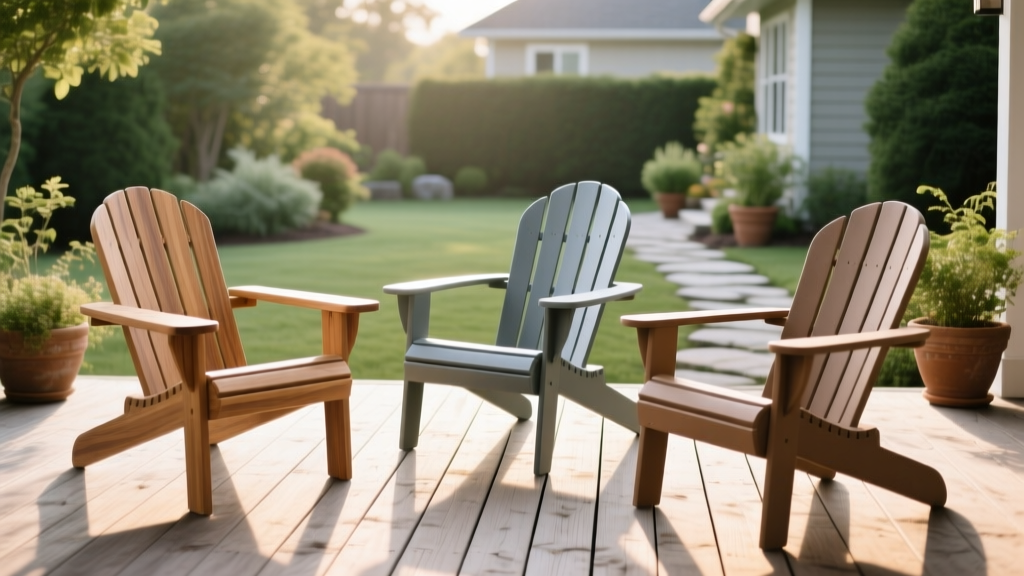 Best Outdoor Adirondack Chair Styles - The Decor Mag
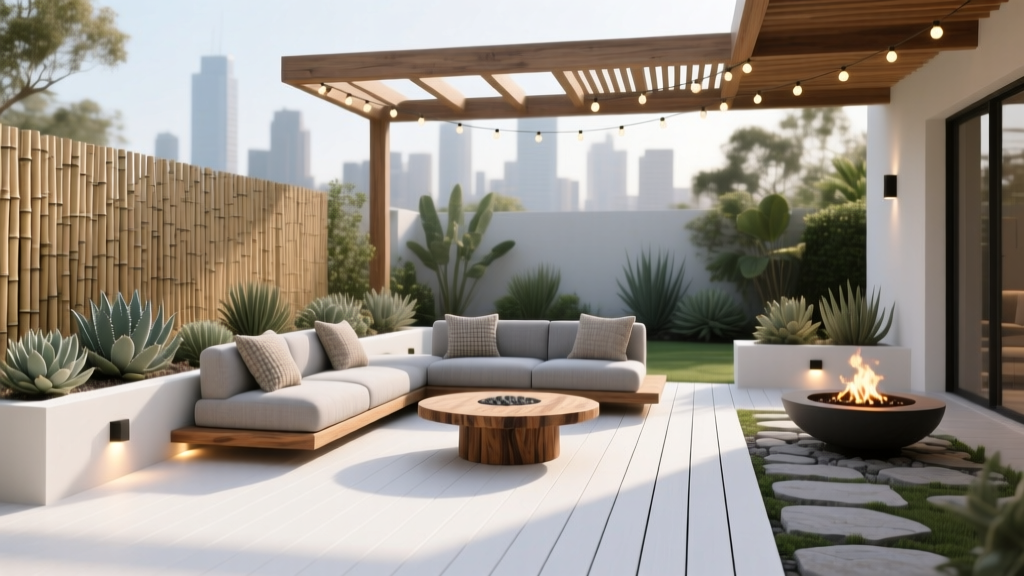 How to Create an Outdoor Entertainment Area - The Decor Mag
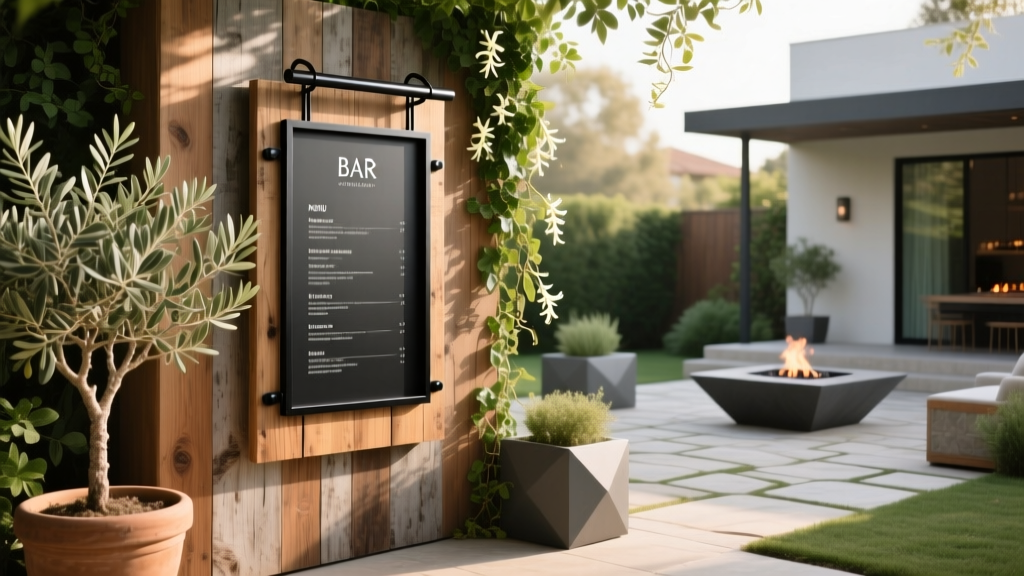 Best Outdoor Bar Menu Board Display - The Decor Mag
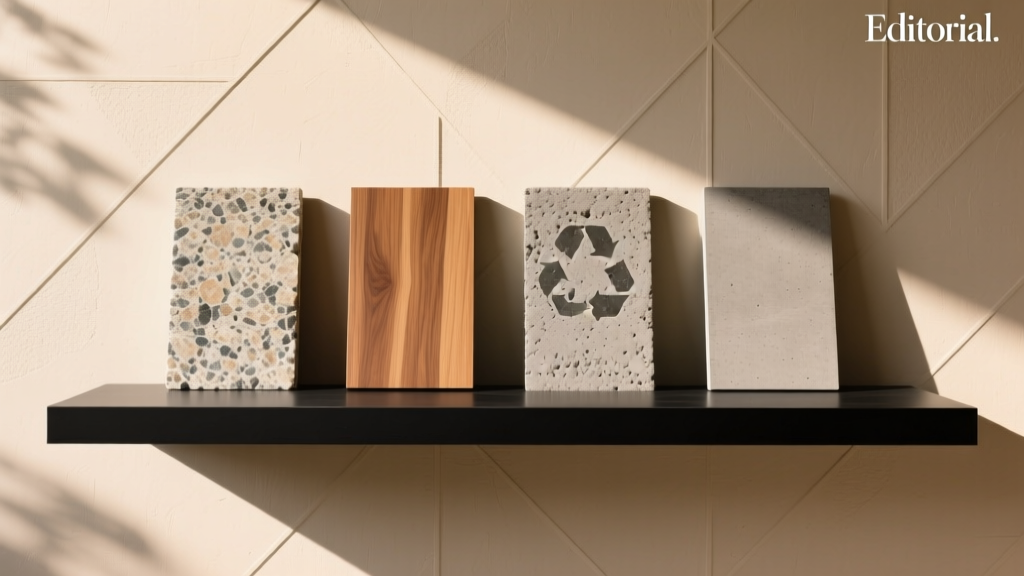 Outdoor Bar Top Material Comparison - The Decor Mag
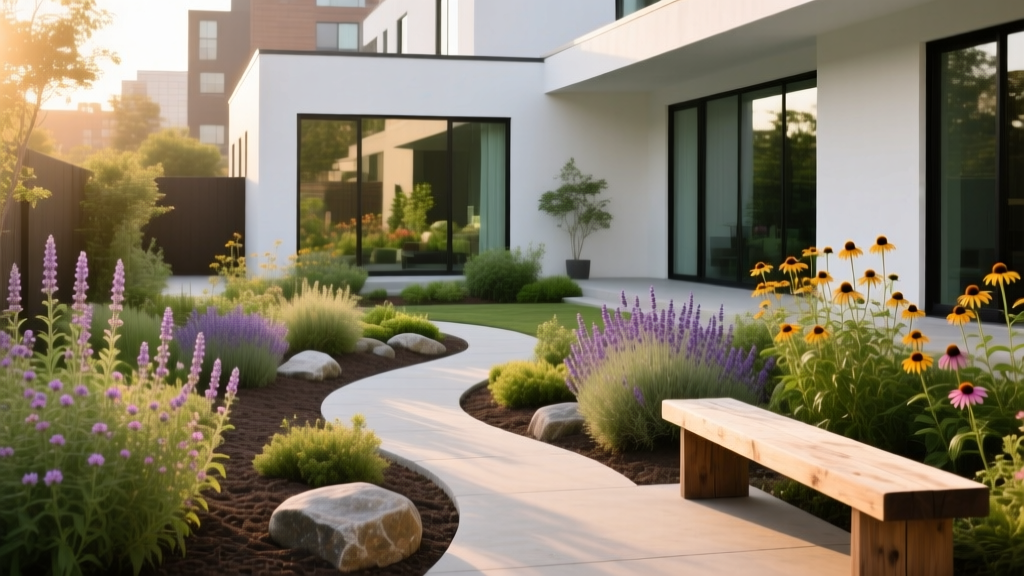 How to Design a Pollinator Pathway - The Decor Mag
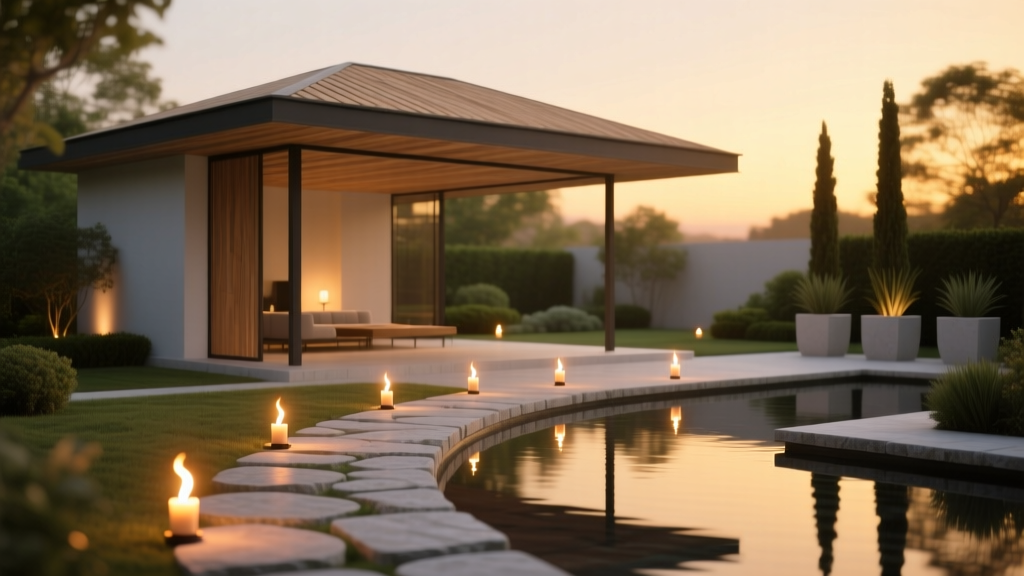 Outdoor Pavilion Torch Light Placement - The Decor Mag
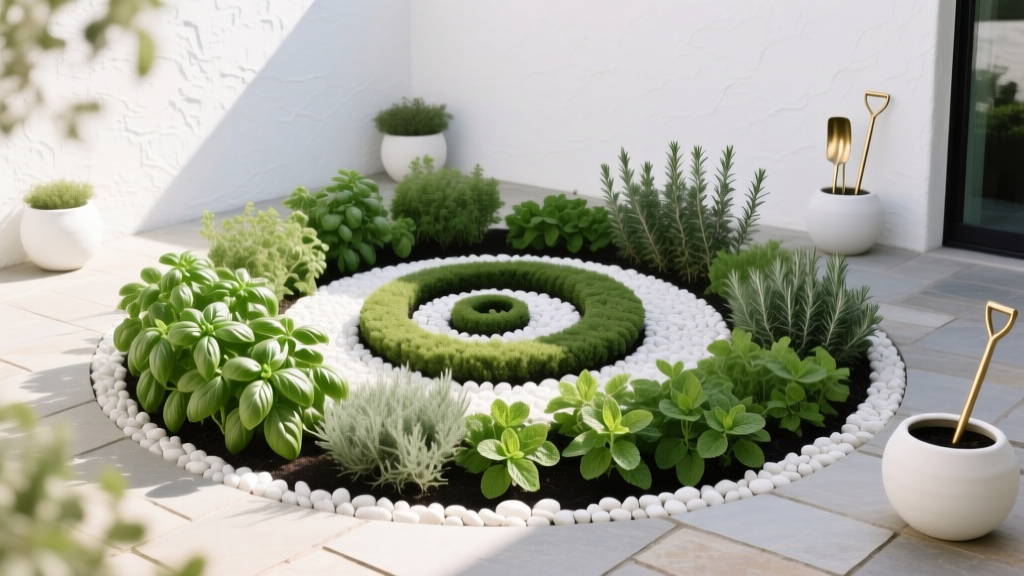 How to Create a Spiral Herb Garden - The Decor Mag
 Safety Alternatives to Aging: Practical, Evidence-Based Outdoor Living Solutions for Older Adults
 Outdoor Pergola Integrated Speaker System - The Decor Mag
 Best Outdoor Bar Nut Bowl Collection - The Decor Mag