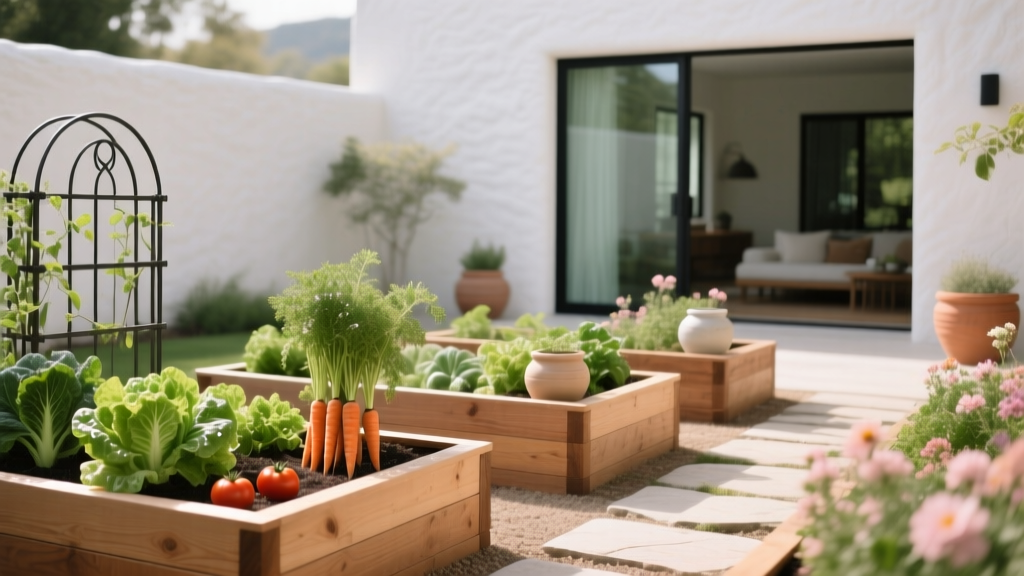
How to Create a Potager Garden - The Decor Mag
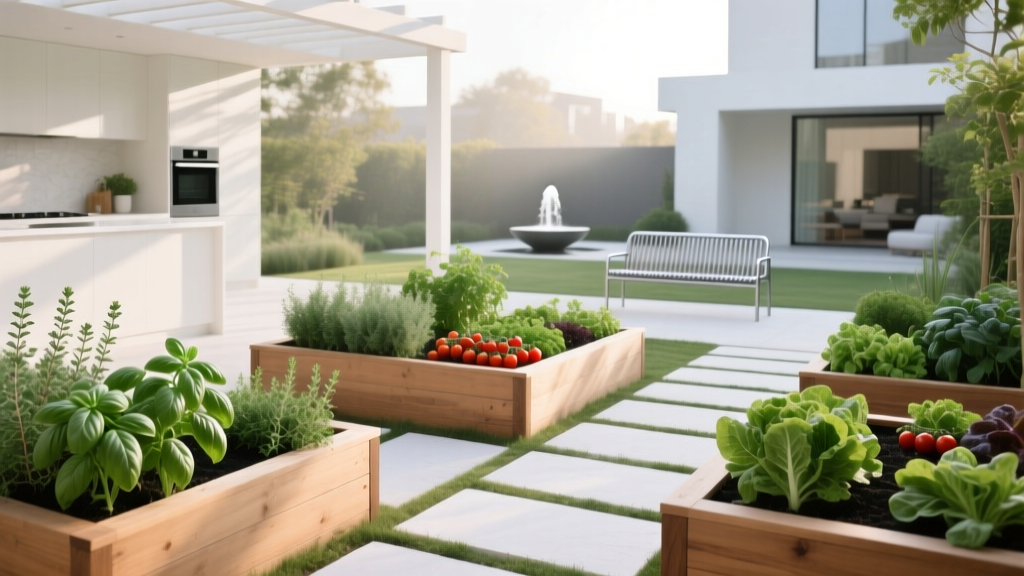
A potager garden is the ultimate blend of beauty and utility: a kitchen garden designed with the intention and polish of an ornamental landscape. Instead of hiding vegetables in a back corner, a potager invites them into the heart of your outdoor living space—near the patio, along a walkway, or framed by a cozy seating area—so harvesting dinner feels as effortless as stepping outside.
For homeowners upgrading patios, yards, and outdoor entertaining areas, a potager delivers multiple wins at once. You get seasonal color, fragrance, and texture; you shorten the path from garden to table; and you create a landscape feature that looks curated year-round, even when beds are between plantings. With the right layout, materials, and a simple maintenance routine, a potager becomes a daily-use outdoor room that adds charm (and value) to your home.
Whether you have a compact courtyard or a wide suburban lawn, the process is the same: start with a smart plan, build durable edges and paths, choose plants that look as good as they taste, and design for the way you actually live outdoors—morning coffee on the patio, weekend grilling, or kids running through the yard.
What Makes a Potager Garden Different?
A potager (often called a “French kitchen garden”) is defined by structure and style. It mixes edible plants—vegetables, herbs, berries, edible flowers—with decorative elements such as symmetry, repeating shapes, crisp borders, and focal points.
- Ornamental structure: geometric beds, intentional paths, consistent edging
- Edible abundance: seasonal vegetables, culinary herbs, cut-and-come-again greens
- Year-round presence: evergreen anchors, winter silhouettes, tidy hardscaping
- Outdoor living integration: proximity to the kitchen, patio dining, grill station, or lounging area
Plan Your Potager: Location, Sun, and Flow
Choose the Right Site
Most edible plants need 6–8 hours of direct sun. A potager can tolerate a little afternoon shade, but fruiting crops (tomatoes, peppers, squash) are happiest in full sun.
- Keep it close: Place it where you’ll see it from the patio or kitchen door. Daily visibility improves watering, harvesting, and pest control.
- Prioritize convenience: If you grill outdoors, position herbs near the outdoor kitchen or dining area for quick snips.
- Watch wind: Exposed yards dry out faster. Add a trellis, hedge, or decorative fence to reduce wind stress.
Design for Outdoor Living Traffic
A potager should feel like part of your landscape design, not a separate “project zone.” Plan paths that connect to existing outdoor spaces—patio, pergola, fire pit, side gate, compost area—so it’s comfortable to use during every season of outdoor living.
- Main paths: 36–48 inches wide (wheelbarrow-friendly)
- Secondary paths: 18–24 inches wide (easy access for harvesting)
- Bed width: 3–4 feet max if accessed from both sides; 2–3 feet if against a fence or wall
Pick a Layout That Looks Intentional
Classic Potager Layouts
- Four-square garden: A central focal point with four equal beds. Ideal for patio-adjacent spaces.
- Grid of rectangles: Easy to expand and great for crop rotation.
- Keyhole beds: A circular or curved layout with a “keyhole” path cut-in—perfect for smaller yards.
- Border potager: Edibles integrated into existing landscape beds along a walkway or fence line.
Anchor the Design with a Focal Point
A focal point is what makes a potager feel like a destination—especially from the patio or outdoor seating area.
- Options: urn planter, birdbath, small fountain, obelisk trellis, sculptural rosemary standard, or a dwarf fruit tree in a large container
- Material tip: Use weather-friendly pieces like cast stone, concrete, powder-coated steel, or glazed ceramic rated for your climate.
Hardscaping and Materials: Build the “Bones”
Great potagers look polished because the structure is durable. Choose materials that match your patio style—modern, cottage, Mediterranean, or classic colonial.
Edging Options (with Pros and Budget Ranges)
- Cedar or redwood boards: Warm, classic, easy DIY. Budget: $200–$800 for several beds depending on lumber prices and size.
- Brick edging: Timeless and refined, great with traditional landscaping. Budget: $4–$12 per linear foot installed.
- Stone (flagstone or cut stone): High-end, durable, strong year-round presence. Budget: $12–$30+ per linear foot installed.
- Metal edging (steel or aluminum): Crisp modern lines; choose powder-coated or Corten for style. Budget: $5–$20 per linear foot.
- Woven wattle fencing: Storybook cottage vibe; best for small borders. Budget: $10–$25 per linear foot.
Path Materials That Feel Good Underfoot
- Decomposed granite (DG): Natural, compactable, excellent for Mediterranean or modern landscapes.
- Gravel: Budget-friendly; use angular gravel for stability and add edging to keep it crisp.
- Brick or pavers: Patio-perfect cohesion; ideal for year-round usability and clean shoes.
- Mulch paths: Soft and inexpensive; refresh seasonally and watch for migration into beds.
Pro tip for clean lines: Install landscape fabric under gravel or DG paths, then top with 2–3 inches of material and compact. Add metal or brick edging to prevent spreading.
Soil, Irrigation, and Practical Infrastructure
Soil: Your Potager’s Success Starts Here
Vegetables thrive in loose, nutrient-rich soil with good drainage. If you’re building raised beds, you control the soil from day one.
- Fill beds with: a raised bed mix (often a blend of topsoil, compost, and aeration material).
- Amend annually: add 1–2 inches of compost each spring and lightly fork it in.
- Test pH: most edibles prefer roughly 6.0–7.0. Adjust with lime (to raise) or sulfur (to lower) if needed.
Irrigation That Works With Outdoor Living
If your patio living routine doesn’t include dragging a hose every day, set up irrigation that keeps plants steady through heat waves and vacations.
- Best option: drip irrigation with a timer (efficient, neat, fewer leaf diseases).
- Easy upgrade: soaker hoses snaked through beds and connected to a timer.
- Practical add-on: a hose bib nearby or a decorative hose pot and wall-mounted reel.
Budget ranges: $50–$150 for a basic soaker hose + timer setup; $150–$600+ for a multi-bed drip system depending on size and whether you DIY or hire a pro.
Planting a Potager: The Best Edibles for Beauty and Harvest
Design Principles for Plant Selection
- Repeat shapes: alternate mounds (basil, lettuce) with spires (dill, kale, trellised beans).
- Mix foliage colors: chartreuse, deep green, purple, and silver create “landscape-level” style.
- Include flowers: edible and pollinator-friendly blooms make the garden patio-worthy.
Go-To Plant List (Reliable and Attractive)
- Leafy greens: loose-leaf lettuces, rainbow chard, spinach, arugula (great for cool seasons)
- Structure stars: lacinato kale, curly kale, cardoon (where climate allows), artichoke (mild-winter regions)
- Herbs: basil, parsley, chives, thyme, oregano, rosemary (rosemary as a small shrub in warm climates)
- Vertical growers: pole beans, peas, cucumbers on trellises or obelisks
- Fruiting favorites: cherry tomatoes on trellises, compact peppers, bush zucchini (give it room)
- Edible flowers: nasturtium, calendula, borage, viola/pansies (cool weather), chive blossoms
Evergreen and Perennial Anchors for Year-Round Presence
To keep your potager looking designed even in the off-season, add a few permanent plants.
- Evergreen herbs: rosemary (where hardy), thyme borders, sage (mild climates)
- Perennials: strawberries as edging, chives in clumps, asparagus in a dedicated bed
- Small shrubs nearby: dwarf boxwood alternatives (like inkberry holly or Japanese holly) if boxwood blight is a concern
Furniture and Outdoor Styling: Make the Potager a Destination
A potager garden feels like a true outdoor room when you add a place to sit, set down tools, and enjoy the view—especially near a patio or pergola.
Furniture Recommendations
- Café set (2 chairs + small table): perfect for morning coffee beside the beds. Choose powder-coated aluminum or teak for weather resistance.
- Garden bench: place it at the end of a path facing the focal point. Look for hardwood, recycled poly lumber, or metal with a rust-resistant finish.
- Potting bench or console table: doubles as an outdoor entertaining station for herbs and garnishes near the grill.
Budget ranges: $150–$500 for a basic bistro set; $300–$1,200 for higher-end teak or designer metal; $200–$800 for a sturdy potting bench setup.
Lighting for Evening Patio Living
- Path lights: low-voltage LED for safe harvesting after sunset
- String lights: warm ambiance under a pergola or between posts
- Uplighting: highlight a central urn, small tree, or trellis for nighttime drama
Seasonal Planning for Year-Round Outdoor Living
A potager shines when it changes with the seasons. Plan for at least two major planting windows (cool season and warm season), with optional shoulder-season refreshes.
Cool-Season (Spring/Fall) Stars
- lettuce mixes, spinach, peas, radishes, carrots
- kale, broccoli, cabbage (use netting if pests are active)
- pansies/violas for edible color
Warm-Season (Late Spring/Summer) Stars
- tomatoes, basil, peppers, cucumbers, beans
- zinnias or marigolds nearby for color and beneficial insect support
- nasturtiums trailing over bed edges
Winter Interest (Mild Climates or Protected Beds)
- evergreen herbs, hardy kale, and overwintering onions/garlic (climate dependent)
- decorative hoops with frost cloth for cold snaps
- leave a few seed heads (like dill) for structure, then tidy in early spring
Climate Considerations: Design Smarter, Not Harder
- Hot, dry climates: prioritize drip irrigation, mulch heavily, add afternoon shade via pergola slats or a trellis panel, and grow heat lovers (peppers, eggplant, basil). Consider light-colored gravel paths to reduce heat absorption.
- Humid climates: space plants for airflow, water at the base, choose disease-resistant tomato varieties, and avoid wetting leaves late in the day. Gravel or paver paths help reduce muddy conditions.
- Cold climates: raised beds warm faster in spring; add low tunnels or cold frames to extend harvest. Use sturdy, frost-resistant materials for containers and focal pieces.
- Coastal/windy sites: use windbreaks (decorative fencing, hedges, trellis screens) and select salt-tolerant ornamentals nearby. Anchor lightweight furniture and use heavier planters.
Maintenance Made Simple (So the Garden Stays Beautiful)
The secret to a potager that always looks “designed” is small, regular touch-ups.
- Weekly (15–30 minutes): harvest, deadhead flowers, check irrigation, quick weed sweep along edges
- Every 2–4 weeks: replant gaps with quick crops (lettuce, radishes), refresh mulch, tie up climbers
- Seasonally: add compost, rotate crop families if possible, clean paths and sharpen bed lines
Style tip: plant extras on purpose. A potager looks fuller—and more luxurious—when beds are slightly lush rather than sparse. Use succession planting so something is always coming in as something else comes out.
Common Mistakes to Avoid
- Placing the garden too far away: If it’s hidden, it’s neglected. Put it where you live outdoors.
- Underestimating path width: Narrow paths feel cramped and become messy quickly. Plan for comfort and maintenance access.
- Skipping the structure: Without strong edging and defined lines, a potager can look like a typical vegetable patch.
- Overcrowding plants: Dense planting can look great, but poor airflow invites pests and disease—especially in humid regions.
- Ignoring irrigation: Inconsistent watering leads to stressed plants and bitter greens. Automate early.
- Only planting once: A potager is meant to evolve. Plan spring and fall planting, not just summer.
Sample Potager Budgets (Realistic Ranges)
- Small DIY patio potager (30–60 sq ft): $300–$1,200
- 2–3 raised beds, basic gravel path, herbs/greens, simple drip timer
- Medium backyard potager (80–150 sq ft): $1,200–$4,500
- multiple beds, paver or DG paths, obelisks/trellises, focal point planter, upgraded soil and irrigation
- High-end landscape potager (150–300+ sq ft): $5,000–$20,000+
- stone or brick edging, custom hardscaping, lighting, built-in seating, professional drip zones, premium focal feature
FAQ: Potager Garden Basics
How big should a potager garden be?
Start with what you can maintain comfortably. A great beginner size is 30–80 square feet (two to four beds), especially if it’s near a patio where you’ll visit daily.
What are the best plants for a beginner potager?
Choose high-reward, attractive crops: loose-leaf lettuce, kale, basil, parsley, cherry tomatoes, bush beans, radishes, chives, and edible flowers like nasturtiums and calendula.
Can a potager work in partial shade?
Yes—focus on leafy greens, herbs, and radishes with 4–6 hours of sun. Fruiting crops like tomatoes and peppers will produce less in shade, so place them in the sunniest bed or use containers in brighter spots.
How do I keep a potager looking neat all season?
Use crisp edging, keep paths clean, and replant gaps quickly. Succession planting (sowing small amounts every 2–3 weeks) prevents empty patches that make the garden look tired.
Do I need raised beds for a potager?
No, but raised beds make it easier to achieve clean geometry, improve drainage, and simplify soil improvement—especially in heavy clay or compacted suburban soils.
What’s the easiest way to extend the growing season?
Add simple hoops and frost cloth for spring and fall, or use a cold frame for greens. Pair that with path lighting and a nearby seating spot so the garden stays part of your year-round outdoor living routine.
Next Steps: Build Your Potager with Confidence
Start by sketching a simple layout that connects to your patio or outdoor seating area, then invest in the “bones”: defined beds, comfortable paths, and dependable irrigation. Choose a plant palette that mixes structure (kale, herbs, trellised climbers) with color (edible flowers, rainbow chard), and plan for seasonal swaps so your garden stays vibrant from spring through fall—and polished even in winter.
- Pick a sunny site near the kitchen or patio
- Choose a layout (four-square, grid, keyhole, or border style)
- Build beds and paths with durable materials that match your landscape design
- Install drip or soaker irrigation with a timer
- Plant in layers: evergreen/perennial anchors + seasonal crops + flowers
For more outdoor design, landscaping, and patio living ideas that make your yard feel like an extension of your home, explore more inspiration on thedecormag.com.
More Articles
 Best Outdoor Bar Grapefruit Wedge Bowl - The Decor Mag
 Outdoor Kitchen Sink Apron Front Ideas - The Decor Mag
 How To Choose Outdoor Decor: A Practical, Climate-Smart Guide for Patios, Decks, and Gardens
 How to Design a Kitchen Garden Layout - The Decor Mag
 Outdoor Living Project Checklist: A Practical, Step-by-Step Workflow for Landscape Professionals
 12 Practical DIY Style Ideas for Outdoor Living Spaces That Deliver Professional Results
 Outdoor Kitchen Smoker Box Integration - The Decor Mag
 Best Outdoor Bar Wine Glass Hanger - The Decor Mag
 Best Outdoor Conversation Set Choices - The Decor Mag
 How to Design a Coastal Garden - The Decor Mag