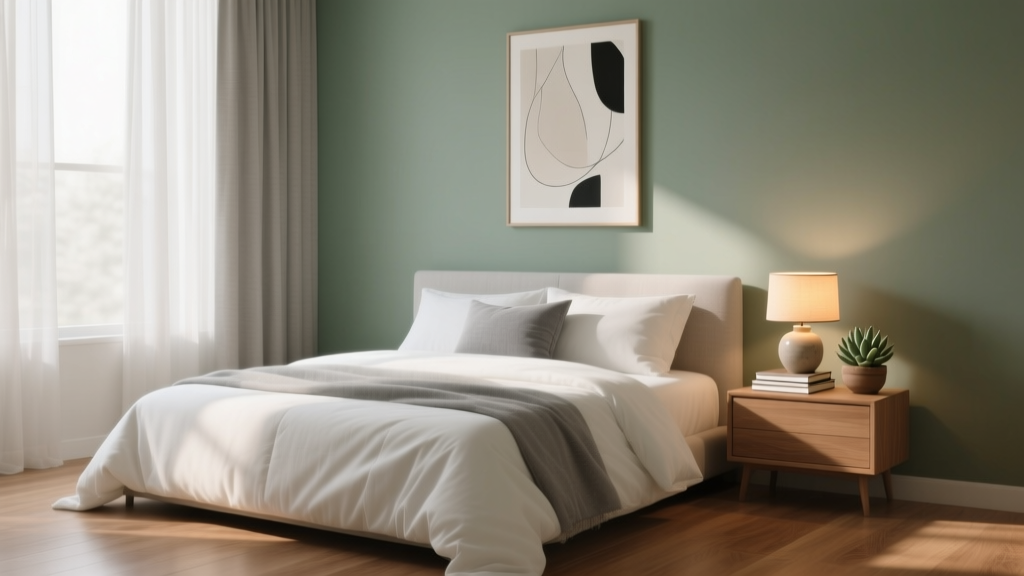
Best Bedroom Sleep Environment Checklist - The Decor Mag
Sleep isn’t only about willpower or a strict bedtime. It’s also about the room you’re asking your body to relax in. Your bedroom sleep environment sends constant signals to your nervous system—through light, temperature, sound, scent, and visual “noise.” When those signals feel safe and soothing, falling asleep becomes easier and staying asleep becomes more likely.
Bedroom design and sleep quality are closely connected because your brain is always scanning for comfort and cues: a calm layout, breathable bedding, gentle lighting, and fewer distractions. Small decor changes can make a noticeable difference in how quickly you wind down at night and how restored you feel in the morning.
Use the checklist below as a practical guide. You can tackle it in one weekend or make a few upgrades each month. Either way, you’ll be building a bedroom that supports rest, relaxation, and wellbeing—whether you own your home or rent your space.
The Best Bedroom Sleep Environment Checklist (Quick Scan)
- Dark: Block or dim unwanted light (streetlights, LEDs, screens).
- Cool: Aim for a comfortably cool sleep temperature and breathable layers.
- Quiet: Reduce noise; add sound masking if needed.
- Comfortable: Mattress, pillows, and bedding matched to your sleep style.
- Calm: Simple layout, uncluttered surfaces, soothing colors.
- Clean air: Fresh, low-odor, low-dust environment with good ventilation.
- Low stimulation: Minimal work items, screens, and visual clutter.
1) Start with Layout: Make the Room Feel Safe and Restful
Before buying anything, look at how your bedroom functions. A sleep-friendly bedroom design makes it easy to move, easy to tidy, and easy for your mind to settle. The goal is a space that feels intentional rather than accidental.
Bed placement and flow
- Anchor the bed on a solid wall when possible; it tends to feel more secure than floating in the middle of the room.
- Clear pathways on both sides of the bed if you share it. Even 18–24 inches of walking space can reduce nightly frustration.
- Keep the bed away from drafts (directly under a vent) if you wake easily from temperature shifts.
- If you’re tight on space: Use slim nightstands or wall-mounted shelves to keep the floor open.
Nightstand essentials (and only essentials)
A cluttered nightstand becomes a mental to-do list. Keep it simple:
- A warm, dimmable bedside lamp
- A coaster or water carafe
- A small tray for glasses/jewelry
- A book (paper, not backlit) or journal
Budget-friendly layout upgrades
- $0–$50: Rearrange furniture for better flow, add cable clips to hide cords.
- $50–$150: Floating shelf nightstands, under-bed storage bins to reduce visual clutter.
- $150–$400: Add a low-profile dresser or closed storage to tuck away “busy” items.
2) Mattress, Bed Frame, and Support: The Foundation of Rest
Even the most beautiful bedroom decor won’t fix a mattress that leaves you sore or overheated. Comfort and support are your baseline for good sleep hygiene.
Mattress recommendations by sleep style
- Side sleepers: Medium to medium-soft with pressure relief at shoulders and hips.
- Back sleepers: Medium to medium-firm for spinal alignment.
- Stomach sleepers: Medium-firm to firm to prevent lower-back sway (often helped by a thinner pillow).
- Hot sleepers: Look for breathable constructions (coil hybrid, latex) and cooling covers.
Bed frame and headboard choices that reduce noise and wobble
- Solid platform frames or well-built slatted bases help prevent squeaks.
- Upholstered headboards soften sound and visually warm the room.
- Renter-friendly tip: A freestanding headboard or a wall-mounted panel (with removable strips where appropriate) can add comfort without major installation.
Budget ranges to plan for
- Mattress: $400–$900 (budget), $900–$1,800 (mid-range), $1,800+ (premium)
- Bed frame: $150–$350 (basic), $350–$900 (sturdy wood/upholstered)
- Mattress topper: $70–$250 for comfort tuning without replacing the mattress
3) Bedding Checklist: Breathable, Comfortable, and Easy to Maintain
Bedding is where sleep environment and sensory comfort meet. Texture, temperature, and skin feel matter—especially if you wake easily or run hot/cold.
Sheets: best materials for sleep comfort
- Cotton percale: Crisp, breathable, great for warm sleepers and summer.
- Cotton sateen: Smoother and warmer feel, good for cooler rooms.
- Linen: Airy, moisture-wicking, great for temperature regulation; gets softer over time.
- Tencel/Lyocell: Silky feel, often cool to the touch; helpful for night sweats.
Practical target: a reliable sheet set is often $60–$150, with premium sets commonly $150–$300 depending on size and fiber.
Comforter/duvet and layering strategy
- Use layers (sheet + blanket + duvet) so you can adjust without fully waking.
- Down alternative fills are easier to wash; down offers excellent loft but may run warmer and needs more care.
- Duvet covers help with cleanliness and style changes; keep a second cover if allergies or pets are a factor.
Budget guide: $80–$200 for a quality duvet insert; $40–$150 for duvet covers.
Pillows that support neck alignment
- Side sleepers: Medium-high loft to fill the shoulder-to-neck gap.
- Back sleepers: Medium loft; consider a contoured option for neck support.
- Stomach sleepers: Low loft or very soft pillow to reduce neck strain.
- Material tips: Latex pillows sleep cooler and stay resilient; memory foam can feel cozy but may hold heat; down/feather compresses easily but needs regular fluffing.
Budget range: $30–$80 per pillow (solid basics), $80–$160 (specialty support, latex, premium fills).
4) Lighting for a Sleep-Friendly Bedroom: Bright in the Morning, Soft at Night
Light is one of the strongest drivers of your circadian rhythm. The right bedroom lighting design helps your body feel alert in the morning and sleepy at night—without relying on harsh overhead glare.
The ideal bedroom lighting setup
- Layered lighting: overhead (minimal), bedside lamps, and optional accent light.
- Dimmers: A dimmer switch or dimmable bulbs let you transition into bedtime gently.
- Warm color temperature at night: Look for bulbs around 2200K–2700K for a cozy glow.
- Morning support: Open curtains after waking; consider a gradual “sunrise” alarm if mornings are tough.
Block unwanted light for deeper sleep
- Blackout curtains or blackout liners are ideal for streetlight or early sunrise exposure.
- Renter-friendly options: tension rods, removable hooks, or layered curtains with a blackout panel behind.
- Cover or dim LEDs from chargers, air purifiers, and electronics using small light-blocking stickers.
Budget guide: $25–$80 for blackout curtain panels; $10–$30 for light-dimming stickers and plug covers; $15–$40 per warm dimmable bulb depending on features.
5) Colors and Decor: Calm Visuals, Less Mental Noise
Bedroom decor doesn’t need to be bland to be sleep-friendly. The goal is a visual environment that signals “rest,” not “task mode.”
Sleep-friendly color palettes
- Soft neutrals: warm white, oatmeal, mushroom, greige
- Muted cool tones: dusty blue, sage green, gentle gray
- Earth tones: clay, sand, soft taupe (use as accents if energizing)
Decor choices that support relaxation
- Textiles: a washable rug underfoot, curtains that soften the room acoustically, a throw blanket for comfort cues.
- Art: choose a few calming pieces rather than a busy gallery wall if you feel overstimulated easily.
- Mirrors: place thoughtfully to reflect daylight, but avoid angles that bounce streetlight or create distracting reflections at night.
6) Temperature, Air Quality, and Sound: The Invisible Sleep Environment
When sleep is light or fragmented, the issue is often something you can’t “decorate” away—heat buildup, stale air, allergens, or unpredictable noise. These factors are worth addressing early because they affect sleep quality directly.
Temperature targets and cooling tactics
- Keep the room comfortably cool; many people sleep best in a cooler bedroom than they expect.
- Breathable bedding (percale, linen, Tencel) prevents heat trapping.
- Fan positioning: aim for air circulation rather than a cold draft straight at your face.
- Cooling add-ons: a breathable mattress protector, moisture-wicking pajamas, or a lighter duvet insert for warmer months.
Air quality and allergen control
- Wash sheets weekly (especially if you have allergies or pets).
- Use a mattress and pillow protector to reduce dust and extend lifespan.
- Ventilate daily: crack a window when outdoor air quality allows, even for 10 minutes.
- Consider an air purifier for dust, pollen, or pet dander—look for HEPA-grade filtration.
Budget guide: protectors $20–$60; HEPA air purifiers often $80–$250 for bedroom sizes, with ongoing filter costs.
Quiet the room (or mask sound gently)
- Soft surfaces (curtains, rugs, upholstered headboards) absorb sound.
- Door draft blockers reduce hallway noise and light bleed.
- White noise or sound machines can smooth sudden sound spikes (neighbors, traffic) without being distracting.
7) Electronics and Stimulation: Make the Bedroom a “Sleep-Only” Cue
If your bedroom is also your office, entertainment zone, and scrolling station, your brain has fewer cues to downshift. Even small boundaries help.
Simple, realistic tech rules
- Charge devices away from the bed (across the room if possible).
- Use a real alarm clock to keep the phone out of reach.
- Dim the room early and switch to warm lighting 60–90 minutes before sleep.
- If you must use screens: lower brightness, use warm color filters, and avoid intense content.
Common Bedroom Sleep Environment Mistakes to Avoid
- Over-lighting at night: bright overhead fixtures and cool-white bulbs can keep the brain alert.
- Too many pillows and decor on the bed: looks styled, feels fussy; it can become a nightly chore that delays sleep.
- Ignoring noise and heat: people often focus on aesthetics while traffic noise or overheating is the real sleep disruptor.
- Clutter hotspots: piles on a chair, crowded nightstands, overflowing laundry bins—visual stress adds up.
- Mismatched bedding materials: a cooling sheet set won’t help if the duvet insert traps heat.
- Buying trend pieces first: prioritize the mattress, pillows, curtains, and lighting before purely decorative upgrades.
A Simple 7-Day Plan to Improve Your Bedroom Sleep Environment
- Day 1: Declutter surfaces (nightstands, dresser top) and clear walking paths.
- Day 2: Adjust lighting—swap to warm bulbs and add dimming where you can.
- Day 3: Block light—blackout curtains, cover LEDs, reduce screen glow.
- Day 4: Upgrade bedding comfort—start with sheets or pillow support.
- Day 5: Tackle temperature—lighter duvet, fan placement, breathable layers.
- Day 6: Quiet the room—rug/curtains, door draft blocker, sound machine if needed.
- Day 7: Add a calming bedtime cue—reading lamp, gentle scent, or a small wind-down basket (book, lotion, journal).
FAQ: Bedroom Design and Sleep Environment
What is the best bedroom temperature for sleep?
Most people sleep better in a cooler room than during the day. If you’re waking up at night, experiment by lowering the thermostat slightly and switching to breathable bedding like percale cotton, linen, or Tencel.
Are blackout curtains worth it for better sleep quality?
Yes, especially if you have streetlights, early sunrise, or shift-work schedules. Blackout curtains reduce light interruptions that can fragment sleep. For renters, blackout liners or tension-rod setups can be effective without permanent changes.
Which bedding material is best for hot sleepers?
Cotton percale, linen, and Tencel/Lyocell are common favorites for a cool, breathable feel. Pair them with a lighter duvet insert and avoid overly heavy, heat-trapping layers.
How can I make a small bedroom feel calmer and more sleep-friendly?
Use closed storage, keep the floor as open as possible, and choose a simple color palette. Slim nightstands, wall-mounted shelves, and a bed with under-bed storage help reduce clutter, which supports relaxation.
Should a TV be in the bedroom?
If your sleep is inconsistent, removing the TV (or at least limiting use and turning off autoplay) can help the bedroom feel like a dedicated rest space. If it stays, keep the screen off during wind-down time and minimize indicator lights.
What are the best bedroom colors for sleep?
Soft neutrals, muted blues, and gentle greens are popular because they read as calming and reduce visual stimulation. If you love bold color, use it as an accent rather than covering every wall.
Next Steps: Build Your Sleep-Friendly Bedroom, One Upgrade at a Time
Start with the changes that have the biggest impact on sleep quality: reduce light at night, keep the room comfortably cool, and make your bed genuinely comfortable with supportive pillows and breathable bedding. Then refine the decor—soothing colors, calmer layouts, and soft textures that make the room feel like a true retreat.
For more calming bedroom design ideas, decor inspiration, and sleep-friendly space upgrades, explore the latest guides and room makeovers on thedecormag.com.
More Articles
 Best Bedroom Sleep Temperature Guide - The Decor Mag
 Best Bedroom Shoe Storage Solutions - The Decor Mag
 How to Style a Bed Like a Hotel - The Decor Mag
 Best Bedroom Memory Display Shelf - The Decor Mag
 Scheme Kitchen Design Essentials: Precision, Proportion, and Purpose-Built Functionality
 How to Incorporate Texture in Bedroom Decor - The Decor Mag
 Best Bedroom Water Glass Bedside - The Decor Mag
 How to Create a Bedroom for Deep Rest - The Decor Mag
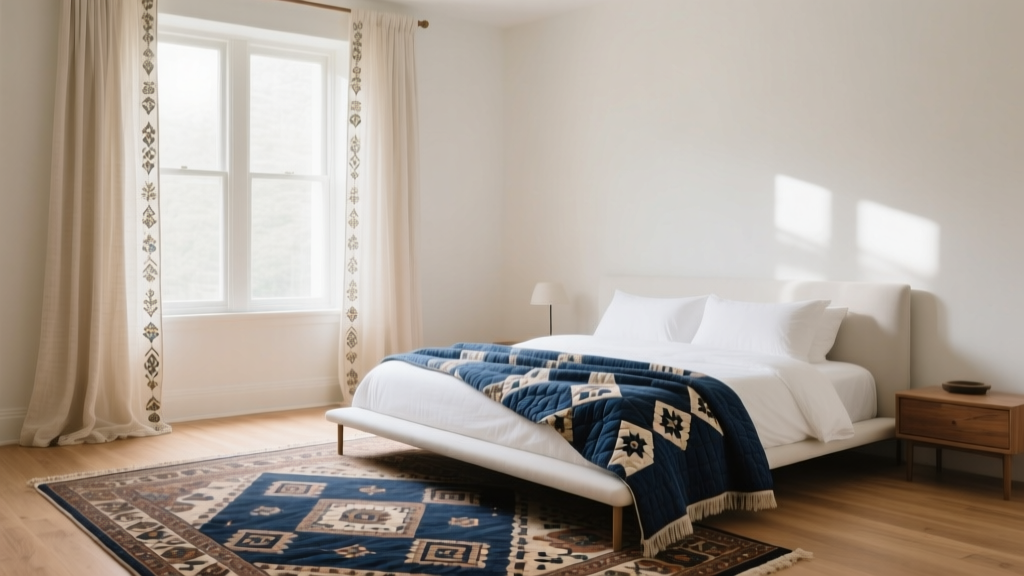 Heirloom Textiles in Bedrooms: Styling Ideas (2026)
 How To Start Living Room Ideas: A Practical, Step-by-Step Framework for Real Homes