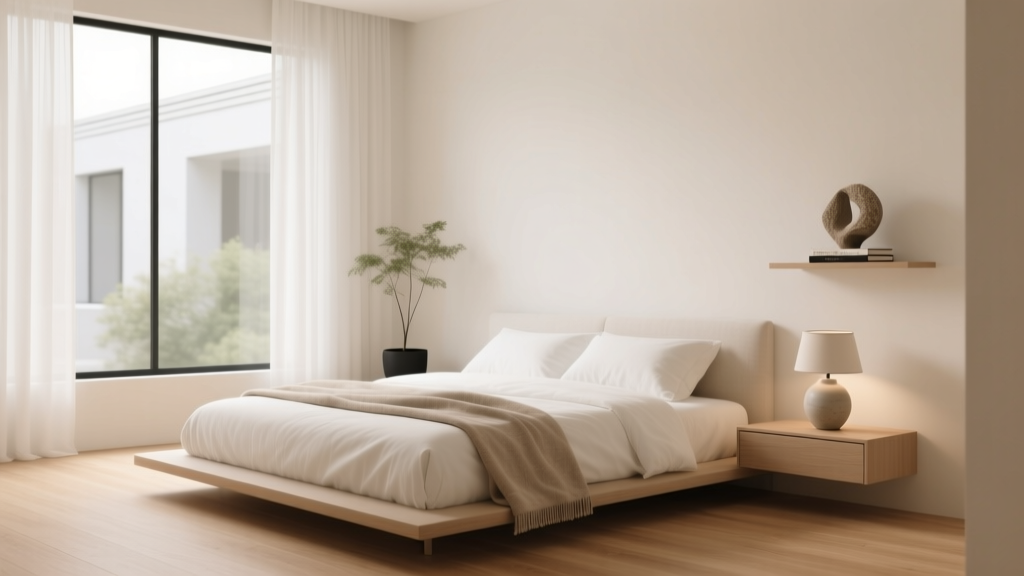
Minimalist Bedroom Design Guide - The Decor Mag
A bedroom should feel like a soft exhale. When the space is visually busy—too much furniture, too many colors, clutter on every surface—your nervous system stays on alert. Minimalist bedroom design isn’t about making a room look empty or “perfect.” It’s about removing friction: fewer distractions, calmer lighting, simpler choices, and a layout that supports deep rest.
Design choices shape your sleep environment more than most people realize. Light levels affect melatonin, temperature influences sleep depth, and even the sightline from your bed to a messy corner can keep your brain in problem-solving mode. A well-designed minimalist bedroom decor plan creates a cleaner visual field and a more predictable nighttime routine—two key ingredients for better sleep quality and wellbeing.
This guide walks you through practical, sleep-friendly minimalist bedroom ideas—what to keep, what to replace, and what to simplify—whether you own your home or rent an apartment.
What “Minimalist Bedroom” Really Means (and What It Doesn’t)
Minimalism is a function-first approach: fewer items, higher quality, and intentional placement. The goal is a calm bedroom design that supports rest, not a cold, sterile aesthetic.
Minimalist bedroom design principles
- Visual quiet: limited color palette, clear surfaces, fewer patterns
- Breathing room: open pathways and balanced negative space
- Purposeful storage: items are either used regularly or stored out of sight
- Comfort-forward: textures and materials that feel good and sleep well
- Consistency: repeating tones and materials to reduce visual “noise”
What to avoid
- Buying new decor just to “look minimalist”
- Choosing style over sleep (harsh lighting, scratchy bedding, echoey rooms)
- Over-clearing until the room feels impersonal or unfinished
Start With the Layout: Minimalist Flow That Feels Restful
Minimalist bedroom decor begins with how the room works. A simple, stable layout reduces nightly friction—less stepping around obstacles, fewer places for clutter to accumulate, and a more grounded feeling when you walk in.
Best minimalist bedroom layout basics
- Anchor the bed: place it on the longest uninterrupted wall when possible.
- Create clear paths: aim for 24–30 inches of walkway on each side you use.
- Keep “work” out of the sleep zone: if a desk must be in the room, keep it away from the bed and visually separate it (a screen, curtain, or different rug zone).
- Limit furniture to essentials: bed, 1–2 nightstands, a dresser or wardrobe, and one calming “pause” element (bench, chair, or small plant).
A simple measuring guide (so your room doesn’t feel crowded)
- Nightstands: 16–24 inches wide for small rooms; 24–30 inches for larger rooms
- Rug sizing: ideally 8x10 for queen, 9x12 for king; for tight budgets, try two 2x6 runners on each side
- Bed-to-dresser clearance: 30–36 inches if you need drawers to open comfortably
Furniture: Choose Calm Shapes, Hidden Storage, and Natural Materials
Minimalist bedroom furniture should feel stable, easy to clean around, and visually simple. Prioritize pieces that reduce clutter by design—storage beds, closed nightstands, and dressers that don’t require extra bins everywhere.
The bed frame: the minimalist centerpiece
Look for low-profile frames, simple headboards, and materials that age well.
- Best materials: solid oak, walnut, ash; powder-coated steel; upholstered linen or performance fabric
- Sleep-friendly tip: avoid squeaky frames—noise fragments sleep even if you don’t fully wake.
Budget ranges:
- $150–$400: metal platform frames, basic wood frames (check slat spacing)
- $400–$1,200: solid wood frames, upholstered frames with sturdier joinery
- $1,200+: premium hardwood, handcrafted joinery, upgraded upholstery
Nightstands: reduce surface clutter by design
A minimalist bedroom looks best when the nightstand holds only what you actually use at night.
- Best types: one-drawer nightstand, floating shelf with a hidden drawer, narrow cabinet-style nightstand
- What to keep on top: lamp, book/kindle, water, small dish for rings/earbuds
- What to store inside: chargers, hand cream, sleep mask, meds, tissues
Budget ranges: $60–$200 (flat-pack or vintage), $200–$500 (solid wood/quality veneer), $500+ (designer or custom).
Dresser or wardrobe: closed storage is minimalist magic
- Look for: smooth drawer glides, deep drawers, and a finish that doesn’t show every fingerprint
- Material notes: wood veneer can be beautiful and affordable; solid wood lasts longest; avoid strong chemical odors (air out new furniture before sleeping near it).
One “soft landing” piece (optional)
If space allows, add a single extra element that supports winding down:
- A small upholstered chair for reading
- A bench at the foot of the bed (also helps with folded throws)
- A slim wall hook rail inside the closet for “worn but not dirty” items
Bedding: Minimalist Bedroom Decor That Feels Luxurious
Minimalist bedrooms often look serene because the bedding is simple and cohesive. For sleep wellness, fabric quality matters as much as color.
Choose breathable, skin-friendly materials
- Cotton percale: crisp, cool, great for hot sleepers
- Cotton sateen: smoother, slightly warmer, drapes beautifully
- European flax linen: textured, breathable, excellent temperature regulation
- TENCEL™/lyocell: silky feel, good moisture-wicking (great for humid climates)
- Wool duvet: naturally thermoregulating and moisture-managing
A minimalist bedding formula (easy to maintain)
- One fitted sheet + one flat sheet in a solid neutral
- One duvet + two duvet covers (rotate while washing)
- Two sleeping pillows + one accent pillow (optional)
- One throw blanket for texture, not clutter
Budget ranges:
- $60–$140: basic cotton sheet sets, microfiber (less breathable), entry-level duvets
- $140–$350: quality percale/sateen, mid-tier linen blends, better duvet inserts
- $350–$800+: premium linen, long-staple cotton, wool or high-quality down alternatives
Sleep-friendly pillow and duvet choices
- Down alternative: great for allergies; look for baffle-box construction for even fill
- Down: lightweight warmth; consider ethical sourcing certifications if that matters to you
- Pillows: match loft to your sleep position (side sleepers often need higher loft than back sleepers)
Color Palette: Minimalist, Warm, and Rest-Promoting
Minimalist bedroom colors work best when they’re soft, low-contrast, and repeated across the room. The aim is a cohesive sleep environment that doesn’t demand attention.
Relaxing minimalist color families
- Warm whites: creamy, not stark (avoid bright blue-white in bedrooms)
- Soft greige and taupe: grounding neutrals that hide wear well
- Muted greens: sage, olive-gray—natural and calming
- Dusty blues: softened tones that feel airy, not cold
A simple 60-30-10 palette for a minimalist bedroom
- 60%: wall color + largest textiles (duvet)
- 30%: wood tones + rug + curtains
- 10%: one accent (art, throw, or lamp shade)
Paint budget ranges: $35–$80 per gallon (typical), plus $10–$30 for tools. For renters, peel-and-stick wallpaper panels or removable mural strips can add softness behind the bed without permanent changes.
Lighting: The Most Overlooked Sleep Wellness Tool
Lighting directly impacts your circadian rhythm. Minimalist bedroom lighting should be layered, dimmable, and warm at night.
The ideal minimalist lighting setup (3 layers)
- Ambient: ceiling fixture or flush mount with a warm bulb
- Task: bedside lamps or wall sconces for reading
- Low glow: a dim night light for safe movement without fully waking up
Bulb and color temperature recommendations
- Evening bulbs: 2200K–2700K (warm, cozy)
- Brightness: aim for 400–800 lumens per bedside lamp (then dim as needed)
- Best feature: dimmer switches or smart bulbs with schedules
Budget ranges:
- $15–$40: warm LED bulbs, plug-in dimmers, simple table lamps
- $40–$150: quality lamps, plug-in wall sconces for renters
- $150–$500+: hardwired sconces, designer fixtures, smart lighting systems
Sleep-friendly lighting habits
- Switch to warm, dim light 1–2 hours before bed
- Avoid overhead lighting at night when possible—use bedside lamps instead
- Keep phones on “night shift” mode and use a low-brightness setting
Windows, Noise, and Air: Minimalism That Supports Deep Sleep
A serene bedroom design isn’t only visual. Sound, temperature, and air quality shape how quickly you fall asleep and how often you wake.
Window treatments for a minimalist sleep environment
- Best option: blackout curtains or blackout-lined drapes (helps light sensitivity)
- Clean look: ceiling-mounted curtain track to visually raise the room
- Layering: sheer + blackout for daytime softness and nighttime darkness
Budget ranges: $25–$80 (basic blackout panels), $80–$250 (higher-quality lined curtains), $250+ (custom sizing or motorized shades).
Noise control without clutter
- Soft surfaces: rug, curtains, upholstered headboard reduce echo
- White noise: compact sound machine or fan (steady sound masks spikes)
- Door draft stopper: blocks light and reduces hallway noise
Air and temperature tips
- Ideal sleep temperature: many people sleep best around 60–67°F (15–19°C)
- Ventilation: crack a window if safe, or use an air purifier for allergens
- Low-tox approach: let new rugs, paint, and furniture off-gas before sleeping with doors closed
Minimalist Styling: How to Decorate Without Clutter
Minimalist bedroom decor can still feel warm and personal. The difference is restraint: fewer items, more impact.
Choose a few high-impact decor elements
- Art: one large piece above the bed or two smaller pieces side-by-side
- Mirror: one well-placed mirror to bounce light (avoid facing the bed if it distracts you)
- Greenery: one low-maintenance plant in a simple pot
- Texture: boucle pillow, linen throw, wool rug—keep colors cohesive
Clutter-proof surface rules
- Keep the top of the dresser at 70% clear
- Limit bedside items to 5 essentials (lamp counts as one)
- Use one catchall tray to prevent small-item sprawl
Common Minimalist Bedroom Mistakes to Avoid
- Overdoing stark white: bright white walls plus cool lighting can feel clinical and disrupt the cozy “wind-down” cue.
- Choosing the wrong storage: open shelving looks airy but collects visual clutter quickly; closed storage is often more calming.
- Ignoring comfort: a minimalist bedroom still needs plushness—quality bedding, a supportive mattress, and soft lighting.
- Too many micro-decor items: small frames, candles, and trinkets multiply visual noise. Swap many small pieces for one larger statement.
- Placing a TV directly opposite the bed: it increases visual stimulation and often encourages late-night viewing. If you keep a TV, hide it in a cabinet or choose a frame-style display.
- Letting “temporary” piles become permanent: laundry chairs, mail stacks, and gym gear quickly undo a calm bedroom design.
Minimalist Bedroom Checklist: A Calmer Room in One Weekend
- Clear: remove everything that doesn’t belong in a sleep environment (paperwork, random storage, excess decor).
- Reset the bed zone: center the bed, add a simple headboard or pillows that create a finished look.
- Upgrade lighting: swap bulbs to 2700K or warmer and add a bedside lamp if needed.
- Streamline textiles: choose one bedding palette and one rug plan.
- Create hidden storage: add a lidded hamper, under-bed bins, or a closed nightstand.
- Set a nightly reset: 2 minutes to clear surfaces, put clothes away, and dim lights.
FAQ: Minimalist Bedroom Design and Sleep
How do I make my bedroom minimalist without buying new furniture?
Start by removing duplicates and anything that lives on surfaces without a purpose. Group essentials into one tray on the nightstand, store the rest in drawers, and rearrange for clear pathways. A fresh coat of paint and warm bulbs can transform the space without major purchases.
What are the best minimalist bedroom colors for sleep?
Warm whites, soft greige, muted sage, and dusty blue tend to feel restful. Keep contrast low (for example, ivory bedding with light oak tones) to reduce visual stimulation and support a calmer sleep environment.
Is a minimalist bedroom good for anxiety and stress?
It can be. Visual clutter can raise stress for many people by keeping the brain in “processing mode.” A calmer bedroom design—clear surfaces, soft lighting, and fewer distractions—often supports a smoother wind-down routine and can help you feel more settled at night.
What lighting is best for sleep-friendly bedroom design?
Warm, dimmable lighting is ideal. Use 2200K–2700K bulbs in bedside lamps, keep overhead lighting softer, and consider a low night light for nighttime movement. Avoid bright, cool-toned LEDs in the evening.
How can renters create a minimalist bedroom with temporary changes?
Use plug-in wall sconces, removable curtain rods or ceiling track systems (where allowed), peel-and-stick wallpaper behind the bed, and furniture that adds hidden storage (like a storage ottoman or closed nightstand). Focus on textiles—curtains, bedding, and a rug—since they’re easy to move later.
What’s the simplest upgrade that improves sleep quality fast?
Control light and temperature. Blackout curtains plus warm, dim bedside lighting can quickly improve your sleep environment. If you tend to overheat, switch to breathable sheets like cotton percale or linen.
Next Steps: Your Minimalist Bedroom, Made Practical
Choose one category to simplify first—layout, lighting, bedding, or storage—and make a few high-impact changes rather than lots of small ones. A minimalist bedroom works when it supports your nightly routine: dim lights, comfortable textiles, clear surfaces, and a room that signals “rest” the moment you walk in.
For more calming bedroom design guides, minimalist bedroom ideas, and sleep-friendly decor inspiration, explore the latest on thedecormag.com.
More Articles
 How to Style a Bedroom with Neutral Tones - The Decor Mag
 Best Bedroom Reading Light Options - The Decor Mag
 Minimalist Bedroom Styling: Simple Ideas (2026)
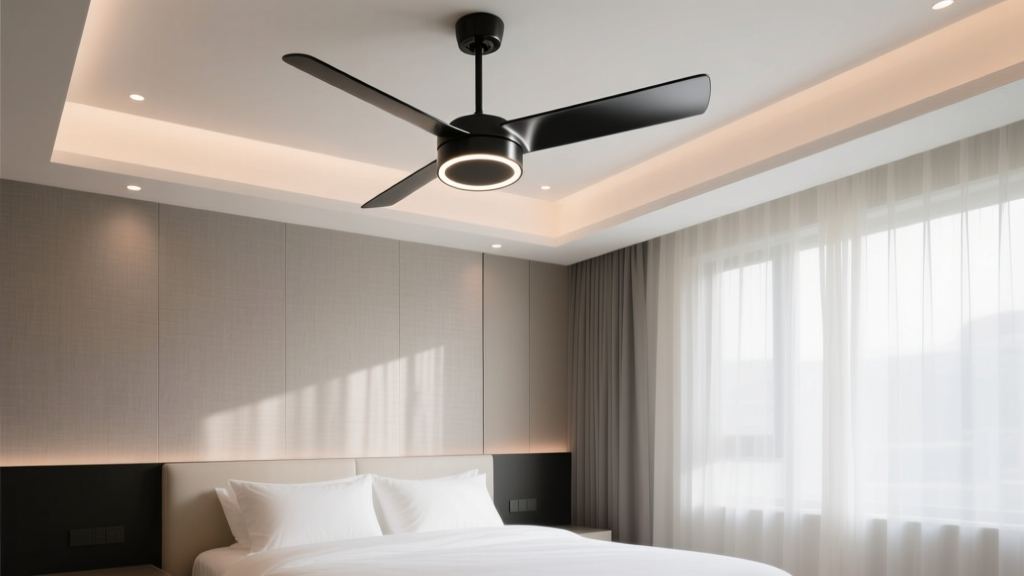 Best Bedroom Ceiling Fan Options - The Decor Mag
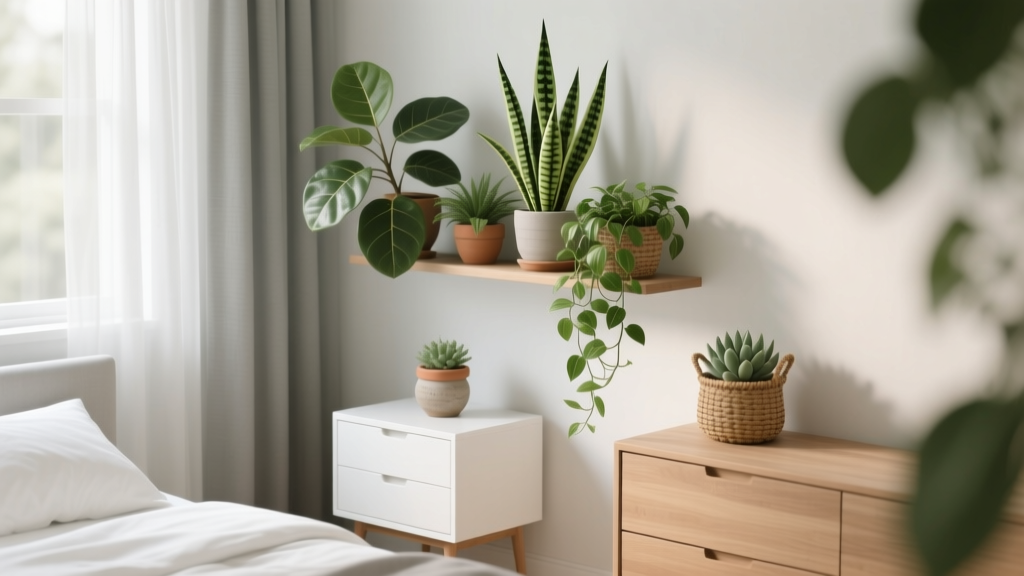 How to Incorporate Plants in Bedroom Decor - The Decor Mag
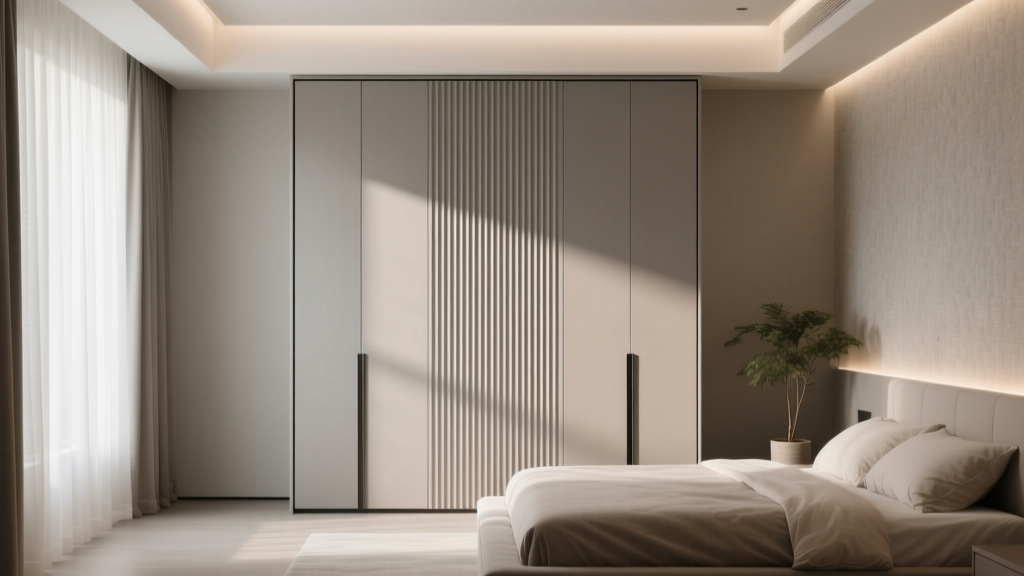 Bedroom Fluted Panel Wardrobe Design - The Decor Mag
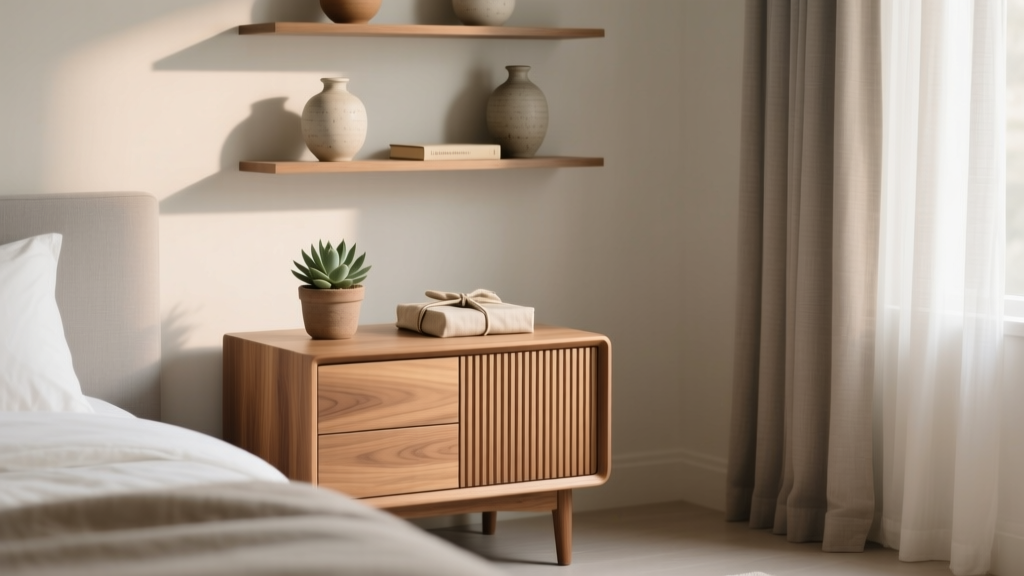 Bedroom Reeded Wood Nightstand Trend - The Decor Mag
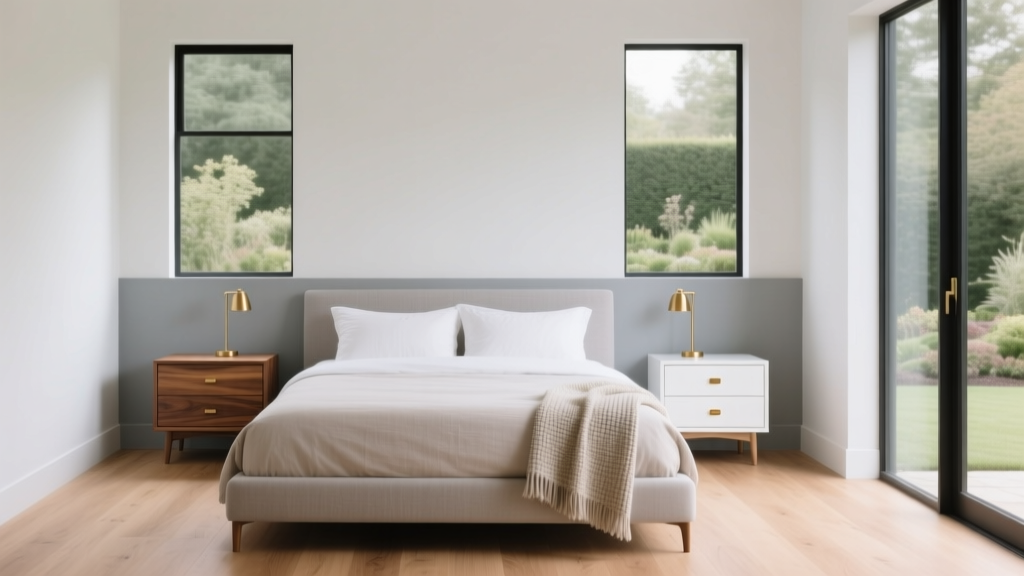 How to Mix Bedroom Furniture Finishes - The Decor Mag
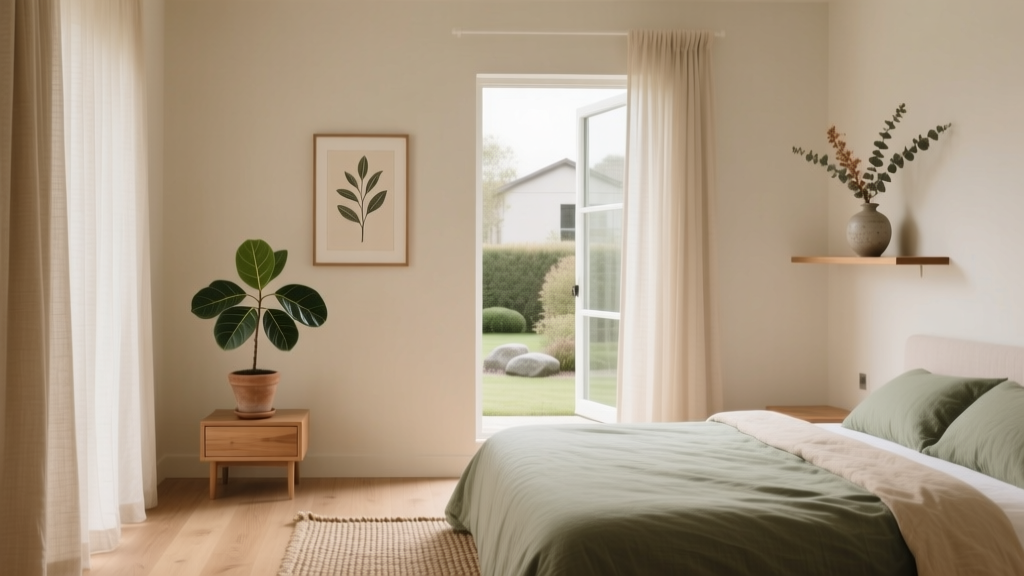 Grounded Bedroom Decor: Calm & Serene (2026)
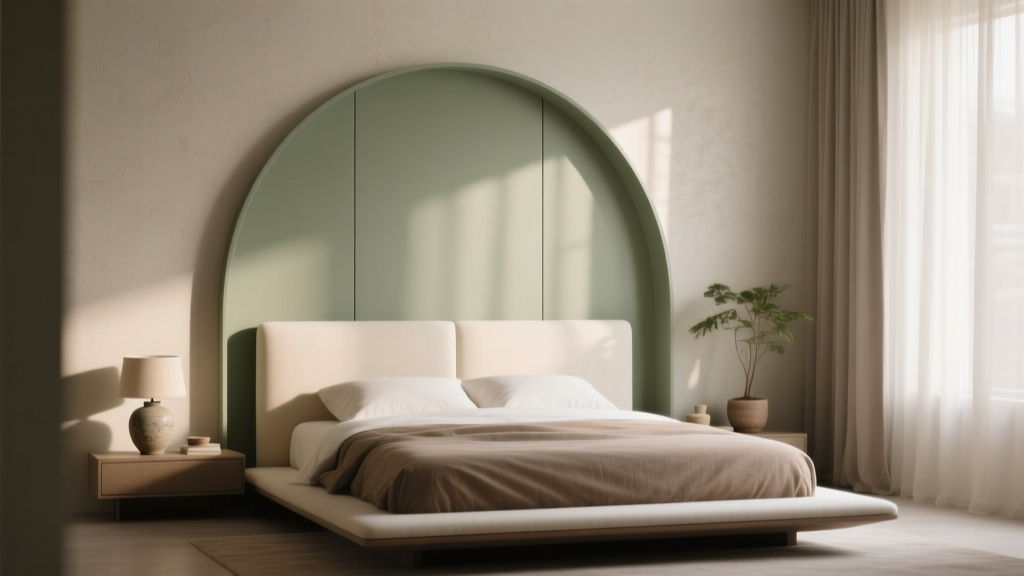 Bedroom Arched Headboard Design Trend - The Decor Mag