
How to Choose Bedroom Comforter Fill - The Decor Mag
A comforter does more than “finish” the bed. Its fill determines how warm you feel at 2 a.m., whether you wake up sweaty or cozy, and how effortlessly your bedroom supports real rest. When the fill is right for your body and your space, your bed becomes a reliable cue for sleep—soft, regulated, and reassuring.
Comforter fill also affects the look and feel of your bedroom design. Lofty fill creates that plush, layered “hotel bed” silhouette; flatter fill reads more tailored and minimal. The best choice balances comfort, wellness, and decor: a sleep-friendly temperature, a fabric hand-feel you love, and a bed that looks inviting without constant fussing.
This guide breaks down the most common comforter fill types, how to match them to your sleep environment, and what to buy at different budgets—plus a few design-forward tips to make your bed (and bedroom) feel calmer night after night.
Start With Your Sleep Environment: Warmth, Climate, and Thermoregulation
Your comforter fill should match your bedroom’s baseline temperature and your body’s natural “sleep thermostat.” Most people sleep best in a slightly cool room (often around 60–67°F), but personal comfort varies. Before choosing fill, consider these factors:
- Room temperature and drafts: Older windows, poor insulation, or a strong HVAC vent can make one side of the bed cooler.
- Hot vs. cold sleeper: Hot sleepers do better with breathable fill; cold sleepers usually need higher loft or better insulating materials.
- Humidity: In humid climates, moisture-wicking and fast-drying fill can improve comfort.
- Seasonal swings: If your home runs hot in summer and chilly in winter, consider a layering strategy or two comforters.
A simple warmth plan that works in most bedrooms
- Choose a comforter for your most challenging season. For many people, that’s summer—overheating disrupts sleep.
- Layer for the rest. Add a blanket or quilt in winter rather than buying an overly warm comforter that you’ll kick off at night.
- Use a duvet cover for easy temperature and style shifts. A breathable cover (cotton percale or linen) can make a comforter feel lighter.
Comforter Fill Types: Pros, Cons, and Who They’re Best For
Down Fill (Goose or Duck)
Down is the soft under-feather cluster that traps warm air. It’s prized for its lightness, loft, and “cloudlike” drape.
- Best for: Cold sleepers, people who love a lofty bed, and those who want a premium, long-lasting comforter.
- Pros: Excellent warmth-to-weight ratio, very compressible, long lifespan when cared for well.
- Cons: Higher cost; may trigger allergies for some (though many reactions are to dust mites, not down); can sleep warm if too heavy.
What to look for:
- Fill power: Higher fill power means larger clusters and more loft per ounce. Common ranges:
- 600–700: Comfortable, good value
- 700–850+: Premium loft and lightness
- Construction: Baffle-box construction keeps down evenly distributed and maintains loft better than sewn-through.
- Responsible sourcing: Look for certifications like RDS (Responsible Down Standard).
Typical budget range: $180–$600+ (more for high fill power and premium shells).
Down Alternative Fill (Polyester Microfiber)
Often labeled as “down alternative,” these comforters use polyester fibers engineered to mimic down’s loft.
- Best for: Budget shoppers, allergy-sensitive sleepers, guest rooms, and households that need frequent washing.
- Pros: Affordable, widely available, usually machine washable, good for a neat, fluffy look.
- Cons: Can trap heat; may clump over time; generally shorter lifespan than quality down or wool.
What to look for:
- Fiber type: “Microfiber” or “gel fiber” tends to feel softer and loftier than basic polyfill.
- Quilting pattern: Box-stitch or channel quilting helps prevent shifting.
- Weight options: Many brands offer lightweight/all-season/extra-warm—choose lightweight if you sleep hot.
Typical budget range: $40–$180.
Wool Fill
Wool comforters are quietly excellent for sleep wellness. Wool regulates temperature and manages moisture, helping you feel less clammy.
- Best for: Hot sleepers who still want “cozy,” people who wake up sweaty, and anyone who wants a naturally breathable option.
- Pros: Great thermoregulation, moisture-wicking, naturally resilient, often lower odor retention.
- Cons: Heavier drape than down; typically spot clean/dry clean (check care label); can be pricier than basic down alternative.
Typical budget range: $200–$500.
Cotton Fill
Cotton-filled comforters are breathable and familiar, often with a flatter, more tailored look.
- Best for: Warm climates, minimalists who dislike lofty bedding, and those who prefer plant-based materials.
- Pros: Breathable, often easier to launder than down, a clean “matte” bedroom style.
- Cons: Can feel heavy; may compress and lose loft; warmth varies greatly by fill weight.
Typical budget range: $80–$250.
Silk Fill
Silk-filled comforters are smooth, breathable, and popular for a refined sleep environment. They tend to be best used with a duvet cover.
- Best for: Hot sleepers who want something natural and light, and anyone who prefers less bulk.
- Pros: Breathable, lightweight warmth, elegant drape.
- Cons: Often requires gentle care; may be more expensive; less “puffy” if you want a plush look.
Typical budget range: $200–$600.
Match Fill to Your Sleeping Style (Quick Recommendations)
If you sleep hot
- Best fills: Wool, silk, lightweight down (high fill power, less fill weight), or cotton in a lighter weight
- Shell fabric pairing: Cotton percale or linen duvet cover for airflow
- Design tip: Choose a lighter-colored duvet cover (white, sand, pale gray, soft sage). Light colors visually read cooler and keep the bed airy.
If you sleep cold
- Best fills: Down (700+ fill power), heavier wool, or an all-season down alternative plus a layer
- Shell fabric pairing: Cotton sateen for a slightly warmer, smoother hand-feel
- Design tip: Add a wool throw or quilt folded at the foot of the bed for a hotel-like layered look and extra warmth on demand.
If you share a bed with a different-temperature partner
- Best strategy: Choose a breathable “neutral” comforter (wool or medium-weight down) and add separate throws/blankets on each side.
- Layout tip: Use two twin XL comforters inside two duvet covers on a king bed (a Scandinavian approach). It reduces nighttime tug-of-war and can improve sleep quality.
If you have allergies or sensitivities
- Best fills: Down alternative, wool, or silk (depending on sensitivity); consider a tightly woven shell to reduce dust mite exposure
- Bedroom wellness tip: Wash duvet covers weekly in hot water if tolerated by the fabric. Keep a HEPA air purifier in the bedroom if you’re easily congested at night.
Comforter Construction Details That Affect Feel and Longevity
Baffle-box vs. sewn-through stitching
- Baffle-box: Internal fabric walls create boxes, allowing fill to loft fully. Best for down and premium warmth.
- Sewn-through: Top and bottom layers are stitched together. Often less expensive and slightly cooler, but can create cold spots.
Corner loops and duvet ties
If you use a duvet cover (recommended for style flexibility and cleanliness), corner loops prevent the comforter from sliding. Look for:
- 4–8 corner/side loops on the comforter
- Duvet covers with matching interior ties
Shell fabric choices for a better sleep environment
- Cotton percale: Crisp, breathable, ideal for hot sleepers and layered bedroom decor.
- Cotton sateen: Smoother, slightly warmer feel, good for cool rooms.
- Linen: Airy and relaxed, great for humid climates and a calm, textured bedroom design.
Bedroom Design Tips: Make Your Comforter Look (and Feel) More Restful
Choose fill with your bedroom’s visual style in mind
- Plush, boutique-hotel bed: Medium-to-high loft down or down alternative; add a duvet cover with a subtle texture (matelassé, washed cotton).
- Minimal, tailored bed: Cotton or silk fill; keep the profile slimmer; opt for solid neutrals and clean lines.
- Cozy, layered retreat: Wool fill plus a quilt and a throw; mix warm neutrals (oatmeal, clay, soft taupe).
Color and pattern for calmer sleep
Your comforter and duvet cover are the largest visual surfaces in the bedroom. For a more sleep-friendly mood:
- Stick to low-contrast palettes: ivory, warm white, sand, fog gray, soft sage, dusty blue.
- Use pattern sparingly: small-scale prints or tone-on-tone stripes feel quieter than bold geometrics.
- If you love color, keep it below eye level: a colored throw at the foot of the bed or accent pillows that can be removed at night.
Lighting that supports wind-down (and shows your bedding beautifully)
- Warm bulbs (2700K): Softer light complements neutral bedding and encourages relaxation.
- Layered lighting: Add bedside lamps or wall sconces so you don’t rely on harsh overhead lighting.
- Dimmer switches: One of the simplest upgrades for a more restful bedroom atmosphere.
Furniture and layout recommendations for better rest
- Headboard: Upholstered or wood headboards visually “anchor” the bed and make it feel more protected—helpful for relaxation.
- Rug placement: A rug extending 18–24 inches around the bed softens sound and adds warmth underfoot.
- Nightstands: Choose surfaces large enough for a lamp, water, and a book to reduce clutter (a calmer sleep environment).
Budget Ranges and What to Expect
- $40–$100: Basic down alternative comforters. Look for box-stitch quilting, “lightweight” options, and machine-washable construction. Great for renters, guest rooms, and first apartments.
- $100–$250: Better microfiber fills, cotton fills, and entry-level down (often 550–650 fill power). A strong sweet spot for everyday comfort and improved bedroom decor.
- $250–$600+: Premium down (700–850+ fill power), wool, or silk comforters with higher-quality shells and better construction. Best for long-term sleep quality investment.
Where to spend vs. save:
- Spend on fill quality and construction (especially for down and wool).
- Save by swapping duvet covers seasonally instead of replacing the comforter.
Sleep-Friendly Wellness Tips When Using Comforters
- Keep the bed breathable: Pair a warmer fill with a breathable duvet cover rather than a heavy, heat-trapping cover.
- Use layers to prevent overheating: Overheating causes micro-wakeups. A medium comforter + a removable blanket is often better than a single very warm comforter.
- Refresh your sleep environment: Air out your comforter weekly near a window (avoid direct harsh sunlight for delicate materials).
- Reduce bedroom allergens: Use mattress and pillow protectors, wash bedding regularly, and keep the floor easy to vacuum around the bed.
Common Mistakes to Avoid
- Buying the warmest option by default: A too-warm comforter is one of the fastest ways to disturb sleep quality.
- Ignoring the duvet cover fabric: A synthetic cover can trap heat even if your fill is breathable.
- Choosing loft for looks only: A very puffy comforter can feel stifling in smaller rooms or warmer climates.
- Skipping corner ties: Sliding, bunching comforters create nightly irritation and break the calm feel of the bed.
- Not thinking about cleaning: If you’ll need frequent washing (kids, pets, allergies), pick a fill and construction that can handle it.
- Using dark, heavy bedding in a low-light room: It can make the bedroom feel visually dense and less relaxing. Balance with lighter sheets, a lighter rug, or warm lighting.
FAQ: Choosing Bedroom Comforter Fill
What comforter fill is best for hot sleepers?
Wool and silk are top choices for hot sleepers because they breathe well and help regulate moisture. A lightweight down comforter (high fill power, lower fill weight) can also work well, especially with a cotton percale duvet cover.
Is down or down alternative better for allergies?
Many allergy issues come from dust mites rather than the fill itself. Down alternative is often the simplest choice for sensitive sleepers because it’s usually easy to wash. If you prefer down, choose a comforter with a tightly woven shell and keep it protected inside a washable duvet cover.
What fill power should I look for in a down comforter?
For most bedrooms, 600–700 fill power offers a comfortable balance of loft and value. If you want a lighter, loftier comforter with a more luxurious feel, consider 700–850+ fill power.
Should I buy an all-season comforter or separate summer/winter comforters?
If your home’s temperature stays fairly consistent, an all-season comforter plus a throw blanket is practical and cost-effective. If you experience hot summers and cold winters indoors, two comforters (lightweight and warm) can improve comfort and sleep continuity throughout the year.
How do I make my comforter look fuller on the bed?
Choose a comforter with higher loft (down or quality microfiber), use a baffle-box construction when possible, and consider sizing up (for example, using a king comforter on a queen bed) for a more draped, designer look—just confirm your duvet cover sizing.
What’s the best duvet cover fabric to pair with different fills?
Cotton percale and linen pair well with warmer fills because they increase airflow. Cotton sateen works nicely with lighter fills if you want a smoother, slightly warmer hand-feel and a more polished look.
Next Steps: Choose Your Fill, Then Build a Calmer Bedroom Around It
Start by deciding how warm you want your bed to feel most nights, then choose a fill that supports steady temperature and a relaxed bedroom atmosphere. For many sleepers, a breathable comforter (wool, silk, or lightweight down) plus easy layers is the simplest path to better sleep and a bed that always looks inviting.
For a quick plan this week:
- Check your bedroom temperature at night and note if you wake up hot or cold.
- Pick one fill type that matches your sleep style and cleaning needs.
- Upgrade your duvet cover to a breathable fabric and a calming color palette.
- Add a warm, dimmable bedside light to reinforce a wind-down routine.
For more sleep-friendly bedroom design ideas, soothing color palettes, and bedding guides, explore the latest inspiration on thedecormag.com.
More Articles
 Best Bedroom Sleep Eye Mask Collection - The Decor Mag
 Cool Summer Bedroom: Sleep Better in Heat (2026)
 Bedroom Woven Pendant Light Ideas - The Decor Mag
 Bedroom Fluted Panel Wardrobe Design - The Decor Mag
 Best Bedroom Bedside Notebook and Pen - The Decor Mag
 Best Bedroom Sleep Sound Playlist - The Decor Mag
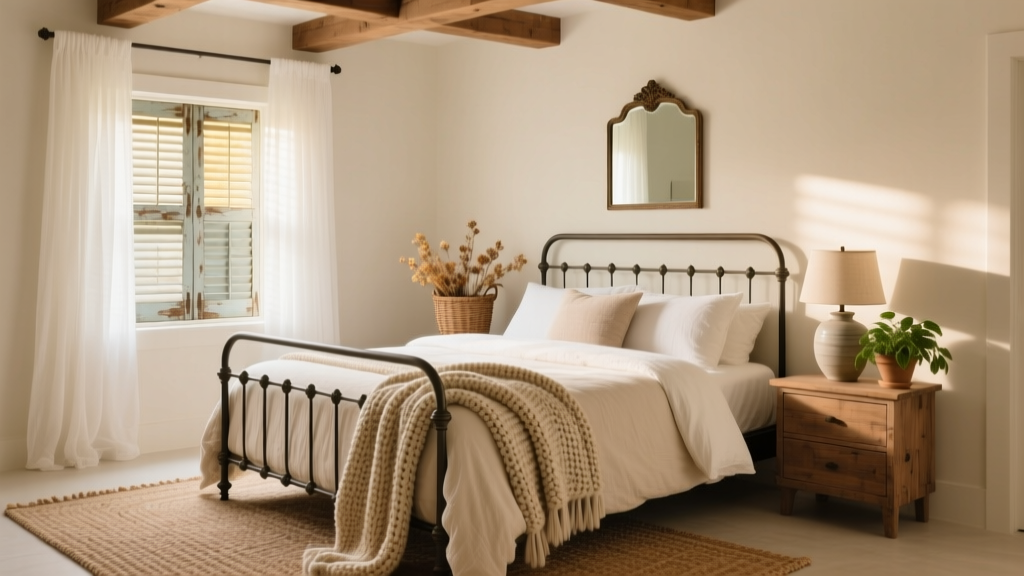 Cozy Farmhouse Bedroom Decor Inspiration - The Decor Mag
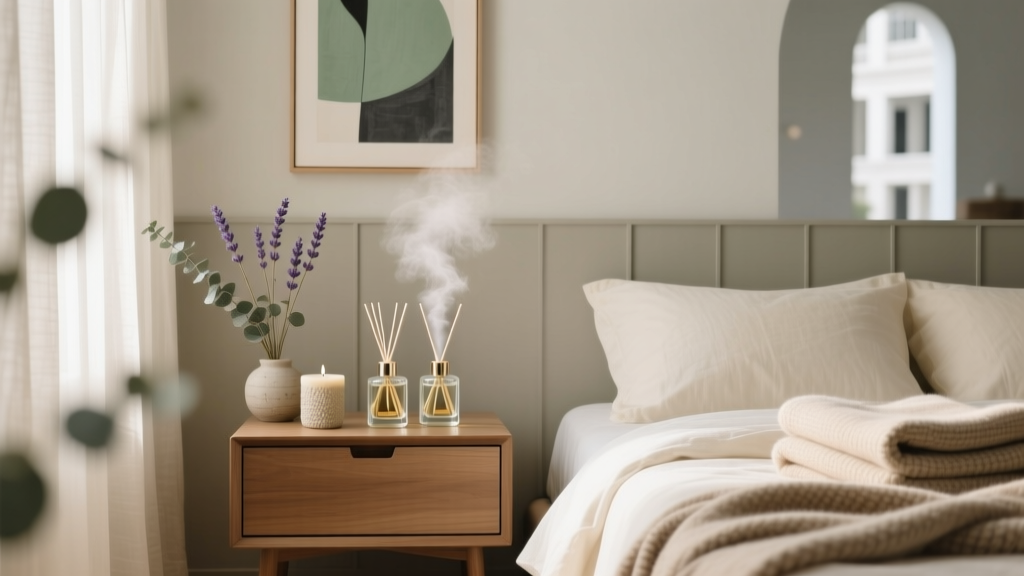 Best Bedroom Essential Oil Blend for Sleep - The Decor Mag
 Bedroom Tufted Headboard Trends - The Decor Mag
 The Best Bedding Sets for Every Season - The Decor Mag