
Bedroom Organic Cotton Bedding Guide - The Decor Mag
The bedroom is where your body recalibrates—hormones settle, muscles recover, and the nervous system downshifts. When your sleep environment is calm, breathable, and comfortable, it’s easier to fall asleep, stay asleep, and wake up feeling restored. Bedding plays a bigger role than most people realize because it’s the layer that touches your skin for 7–9 hours a night.
Organic cotton bedding has become a go-to choice for homeowners and renters who want a cleaner, more sleep-friendly bedroom design without sacrificing style. Organic cotton is typically grown with fewer synthetic inputs, and when it’s paired with thoughtful construction (weave, weight, stitching) it can improve temperature regulation and reduce the “clingy” feel that interrupts sleep. This guide breaks down how to choose organic cotton sheets, duvet covers, quilts, and pillowcases—plus how to style them in a relaxing bedroom layout that supports real rest.
Why Organic Cotton Bedding Supports a Better Sleep Environment
Breathability and temperature regulation
Overheating is a common sleep disruptor. Organic cotton’s natural fibers allow airflow and help wick moisture, making it a strong match for:
- Hot sleepers who wake up sweaty or kick off blankets
- Couples with different temperature preferences
- Humid climates where bedding can feel damp or heavy
For the most cooling feel, look for percale organic cotton sheets (crisp, matte, airy). For a smoother, slightly warmer feel, sateen organic cotton is popular.
Skin comfort and sensitivity
If you’re prone to irritation, texture matters as much as fiber. Organic cotton can feel gentler, especially when you choose:
- Long-staple cotton (stronger fibers, fewer pokey ends)
- Enzyme-washed or garment-washed finishes for softness without heavy coatings
- Low-fragrance care (skip strongly scented detergents and dryer sheets)
A calmer bedroom, mentally and visually
There’s also a design angle: organic cotton bedding often comes in soothing neutrals and low-sheen finishes that reduce visual “noise.” A quieter palette and simpler textures can cue relaxation and reinforce a sleep-first bedroom decor approach.
How to Shop for Organic Cotton Sheets: A Practical Checklist
1) Choose the right weave for your sleep style
- Percale: Cool, crisp, hotel-like; ideal for warm rooms and hot sleepers.
- Sateen: Smooth, slightly drapey, subtly lustrous; cozy for cooler rooms or people who like softness.
- Jersey: T-shirt feel; stretchy and casual; can trap more heat, so it’s not always best for hot sleepers.
- Flannel (organic cotton): Brushed and warm; best for winter or very cold bedrooms.
2) Look for credible certifications (and know what they mean)
Labels can be confusing. These are the ones worth recognizing when building a healthier sleep environment:
- GOTS (Global Organic Textile Standard): Strong all-around standard covering organic fiber content and processing requirements.
- OEKO-TEX Standard 100: Tests for a range of harmful substances; not an “organic” standard, but helpful for peace of mind.
- Fair Trade Certified: Focuses on labor practices; often paired with organic cotton.
If a listing says “made with organic cotton” without a certification, it may still be fine, but you’ll want to read details closely.
3) Thread count: stop chasing the highest number
Thread count is only one factor, and very high numbers can signal multi-ply yarns that don’t always feel better. A useful range for organic cotton sheets:
- Percale: 200–400 thread count
- Sateen: 300–600 thread count
Instead of focusing on thread count alone, prioritize fiber quality (long-staple), weave, and finishing.
4) Fit and function details that actually affect sleep
- Pocket depth: Measure your mattress height (including topper). Many modern mattresses need 14–18 inch pockets.
- Full elastic vs. corner elastic: Full elastic tends to stay put for restless sleepers.
- Envelope closures on pillowcases: Keeps pillows from sliding out at night.
- Duvet ties + corner loops: Helps prevent bunching, which can cause overheating and wake-ups.
Building a Complete Organic Cotton Bedding Set (What to Buy First)
The essentials: a simple, sleep-first foundation
If you’re starting from scratch, prioritize items that impact temperature and comfort most:
- Sheet set (fitted, flat, pillowcases): percale for cooling, sateen for silky softness
- Duvet cover (or comforter cover): organic cotton shell for breathability
- Pillowcases: consider an extra set so you can swap midweek
- Mattress protector: choose a breathable, low-noise option (cotton or cotton-blend top layer)
Layering for comfort without overheating
Smart layering is one of the easiest ways to upgrade your sleep environment. Try this breathable stack:
- Organic cotton percale sheets (base layer)
- Organic cotton quilt or coverlet (lightweight mid-layer)
- Duvet with a season-appropriate insert (adjust warmth without changing the cover)
Tip: If you run hot, choose a lightweight duvet insert and rely on a quilt for most nights. If you run cold, choose an all-season insert and add a blanket at the foot of the bed.
Budget ranges: what organic cotton bedding typically costs
Prices vary by certification, cotton quality, and construction. These ranges help set expectations:
- Budget-friendly ($60–$120): sheet sets with simpler finishing; look for percale and solid stitching
- Mid-range ($120–$250): better drape, smoother seams, more durable elastic; often GOTS or OEKO-TEX certified
- Premium ($250–$450+): long-staple cotton, refined finishing, stronger hardware (buttons/zippers), and a more polished hand-feel
For many bedrooms, the sweet spot is a mid-range organic cotton sheet set plus a well-made duvet cover that you keep for years.
Bedroom Design Recommendations That Make Organic Cotton Bedding Look (and Feel) Better
Furniture choices that support a calmer bedroom layout
Your bed may be the hero, but supporting pieces can make the space feel more restful and functional.
- Bed frame: Choose a sturdy frame to reduce creaks that can disturb light sleepers. Upholstered or solid wood frames tend to feel quieter than lightweight metal.
- Nightstands: Match the height of your mattress top for easier reach. Look for at least one drawer to hide visual clutter.
- Bench or ottoman: A slim bench at the foot of the bed helps keep extra layers off the floor and makes the room feel organized.
Budget guide: Nightstands ($80–$250 each), platform bed frames ($200–$800), bench/ottoman ($120–$400).
Lighting for a sleep-friendly bedroom environment
Light affects circadian rhythm, so bedroom lighting choices can directly impact sleep quality.
- Warm bulbs: Aim for 2700K or warmer for a cozy glow.
- Layered lighting: Combine bedside lamps with a dimmable overhead fixture.
- Low-glare shades: Fabric or frosted glass softens light and reduces harshness.
Practical upgrade: Add a dimmer switch or use smart bulbs to automatically lower light levels 60–90 minutes before bedtime.
Colors and textures that pair beautifully with organic cotton
Organic cotton bedding often looks best in soothing, nature-inspired palettes that reduce stimulation.
- Calming neutrals: warm white, oat, sand, mushroom, soft gray
- Soft color accents: sage, dusty blue, muted clay, pale terracotta
- Texture pairing: mix crisp percale sheets with a nubby cotton blanket or a matelassé coverlet for depth without visual clutter
If your room is small or dim, lighter bedding helps the space feel airier. If your room is bright, slightly deeper neutrals can feel grounding.
Sleep Wellness Tips to Get More From Your Organic Cotton Bedding
Keep the bedroom cool and breathable
- Temperature target: Many sleepers rest best around 60–67°F (15–19°C).
- Airflow: A quiet fan or cracked window (when safe) can reduce stuffiness.
- Humidity: If you wake up clammy, consider a dehumidifier in humid climates.
Wash and care for softness (without residue)
Organic cotton gets better with smart care. A simple routine keeps sheets breathable and comfortable:
- Wash in cool to warm water with a gentle, low-fragrance detergent.
- Avoid heavy fabric softeners; they can leave coatings that reduce absorbency.
- Dry on low heat and remove promptly to reduce wrinkles and stiffness.
- If you want extra softness, use wool dryer balls instead of dryer sheets.
Choose the right pillow + case pairing
Pillow comfort is a major contributor to sleep quality, especially for neck and shoulder tension. Pair your pillow type with an organic cotton pillowcase that matches your sleep needs:
- Hot sleepers: percale pillowcases + breathable pillow (latex or ventilated foam)
- Sensitive skin: smooth sateen pillowcases; wash weekly
- Hair frizz concerns: sateen can reduce friction compared to crisp weaves
Common Mistakes to Avoid When Buying Organic Cotton Bedding
- Overbuying a full set before testing feel: If you’re texture-sensitive, start with one sheet set or a duvet cover first.
- Confusing “organic” with “chemical-free forever”: Focus on credible certifications and proper laundering; no textile is magically maintenance-free.
- Choosing the wrong weave for your sleep temperature: Sateen can feel too warm for hot sleepers; percale can feel too crisp for those who want buttery softness.
- Ignoring duvet ties and closures: Shifting inserts create bunching that can wake you up.
- Letting bedroom clutter compete with calming decor: Even beautiful bedding won’t feel restful if surfaces are crowded and lighting is harsh.
FAQ: Organic Cotton Bedding for a Better Bedroom
Is organic cotton bedding worth it for sleep quality?
It can be, especially if overheating or skin sensitivity affects your sleep. Organic cotton’s breathability and comfortable hand-feel support a cooler, calmer sleep environment. The biggest difference usually comes from choosing the right weave (percale vs. sateen) and maintaining a cool, dim bedroom.
What’s better for hot sleepers: organic cotton percale or sateen?
Percale is usually the best pick for hot sleepers because it feels crisp and breathable. Sateen is smoother but can feel warmer due to its denser weave and drape.
How often should I wash organic cotton sheets?
Weekly is a practical baseline for most people. If you sweat at night, have allergies, or use heavy skincare products, washing every 4–5 days can keep the bed feeling fresher and more breathable.
Do I need GOTS-certified bedding to get the benefits?
GOTS is a strong certification if you want verified organic fiber content and processing standards, but you can still create a healthier sleep environment with non-GOTS organic cotton—just read the material details and consider OEKO-TEX certification for substance testing.
What’s the best organic cotton bedding setup for renters?
Prioritize high-impact, portable upgrades:
- Organic cotton sheet set (percale or sateen based on your sleep temperature)
- Organic cotton duvet cover (easy to move and refreshes the look instantly)
- Warm, dimmable bedside lighting (plug-in lamps or smart bulbs)
- Blackout curtains or a quality sleep mask if light is an issue
How can I make my bed look styled but still sleep-friendly?
Use breathable layers: crisp sheets, a cotton quilt, then a duvet. Keep decorative pillows minimal (1–2 max) and store them in a bench or basket at night so the bed stays functional and uncluttered.
Actionable Next Steps for a Calmer, More Restful Bedroom
Start with one upgrade that you’ll feel immediately, then build from there. A simple plan:
- Pick your ideal weave (percale for cool and crisp, sateen for smooth and cozy).
- Set a budget range and invest first in the sheet set you’ll use most nights.
- Improve your sleep environment with warm, dim lighting and a clutter-free nightstand.
- Layer intentionally so you can adjust warmth without waking up.
- Refine the palette with calming neutrals and soft textures that make the bedroom feel quiet.
When your bedroom design supports sleep—cooler air, softer light, breathable organic cotton bedding—the whole space starts to work like a nightly reset button. For more soothing bedroom decor ideas and sleep-friendly styling guides, explore the latest inspiration on thedecormag.com.
More Articles
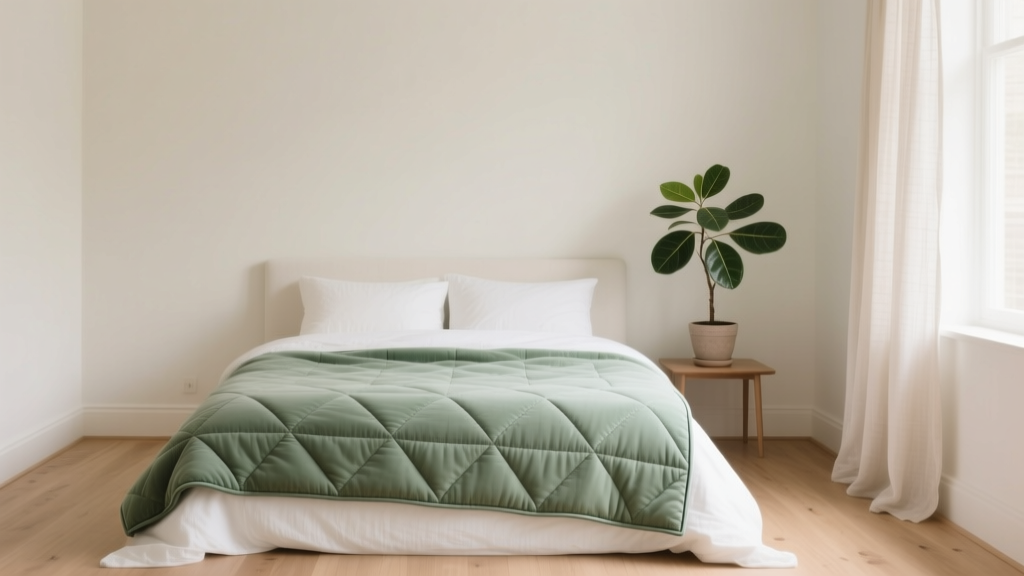 Best Bedroom Sleep Weighted Blanket Guide - The Decor Mag
 How to Create Symmetry in Bedroom Design - The Decor Mag
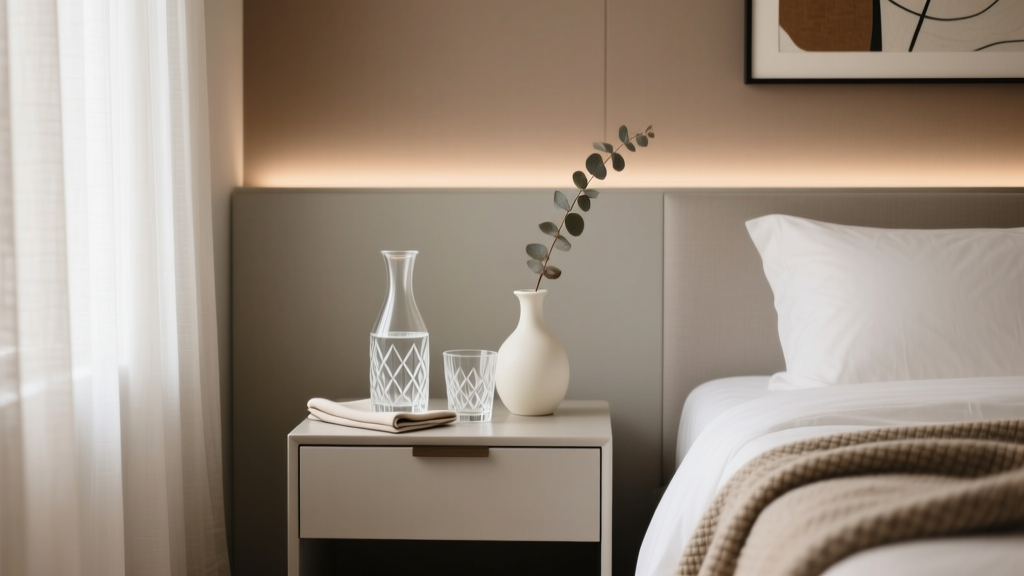 Best Bedroom Bedside Carafe and Glass - The Decor Mag
 Three-Layer Bedroom Lighting: Calm & Functional (2026)
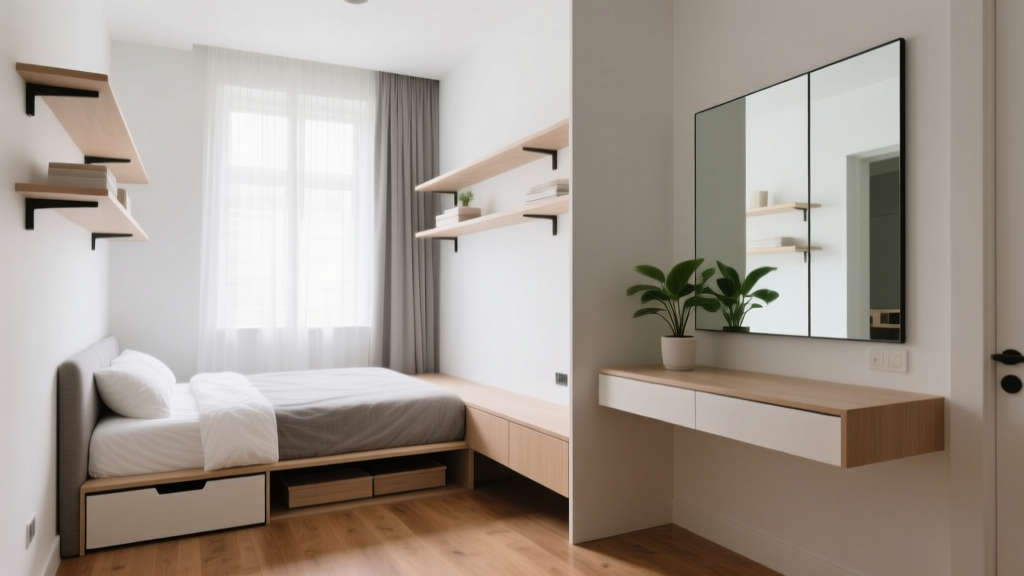 Small Bedroom Layout Hacks for Apartments (2026)
 Bedroom Curved Nightstand Design Trend - The Decor Mag
 Cool Summer Bedroom: Sleep Better in Heat (2026)
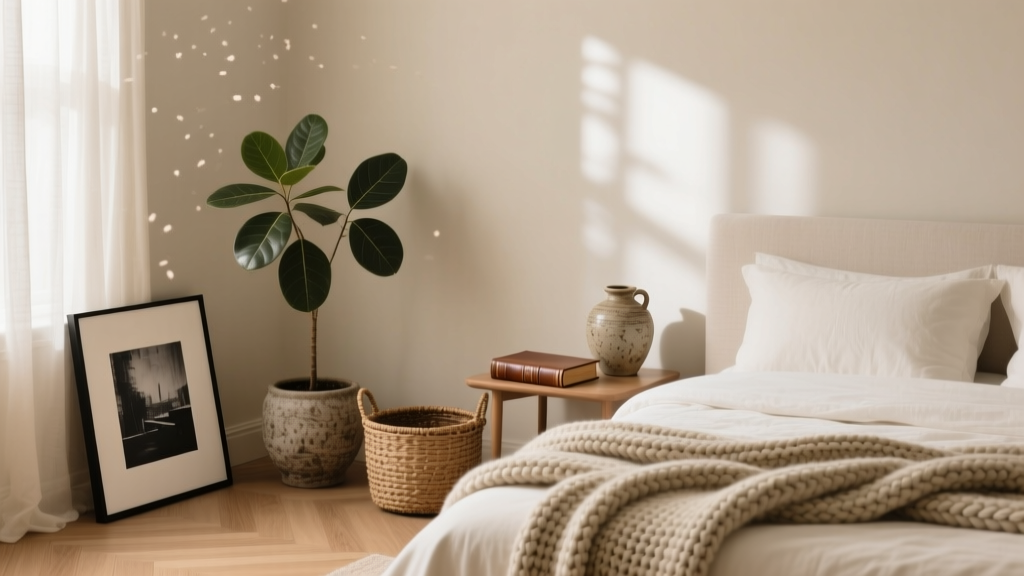 How to Create a Bedroom That Feels Collected - The Decor Mag
 Best Bedroom Lavender Pillow Spray - The Decor Mag
 Bedroom Boucle Fabric Furniture Trend - The Decor Mag