How to Mix Bedroom Furniture Finishes - The Decor Mag
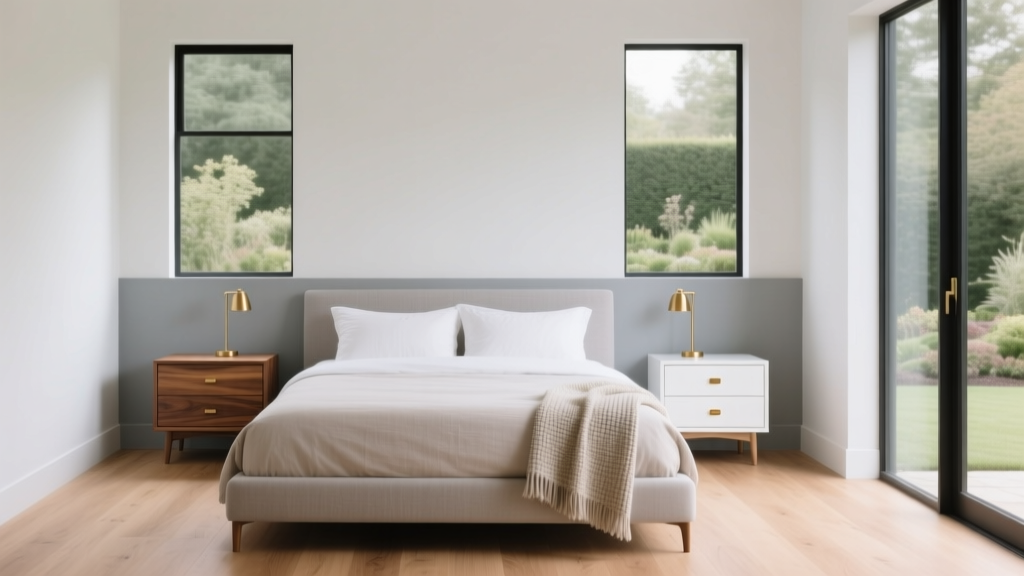
A bedroom that feels restful rarely happens by accident. The pieces you see and touch every day—your bed frame, nightstands, dresser, lighting, and even hardware—create a visual “temperature.” When those finishes fight each other, the room can feel subtly busy, and that low-grade visual noise may make it harder to unwind at night. When finishes are mixed with intention, the space reads calm, cohesive, and quietly luxurious—exactly what you want in a sleep environment.
Mixing bedroom furniture finishes also solves a practical problem: most of us aren’t buying a perfectly matched set anymore. Renters are blending hand-me-downs with new purchases. Homeowners are upgrading over time. Learning how to combine wood tones, painted pieces, metals, and upholstery lets you create a layered bedroom design that supports relaxation, without starting from scratch.
This guide walks you through a clear, sleep-friendly approach—how many finishes to use, what to repeat, how to choose undertones, and which combinations feel serene rather than chaotic. You’ll also find specific recommendations for furniture, bedding, lighting, layout, and common mistakes to avoid.
Why Mixed Finishes Can Improve a Bedroom’s Mood (and Your Sleep)
A good sleep environment is visually quiet, physically comfortable, and emotionally reassuring. Matching sets can feel flat or impersonal, while too many mismatched finishes can feel unsettled. The sweet spot is a curated mix: enough variety to feel warm and lived-in, with enough repetition to feel stable.
- Visual calm: Repeating finishes (or undertones) reduces “decision fatigue” for your eyes.
- Comfort cues: Natural materials like wood, linen, and wool often read as softer and more restorative.
- Better functionality: You can choose each item for what it does best—like a dresser with smooth drawers, or a nightstand with hidden charging.
- Long-term flexibility: A mixed-finish plan makes it easier to swap a piece later without redesigning the entire bedroom decor.
Start With a Simple Finish “Recipe”
The 60/30/10 Rule for Finishes
Think of finishes the way you’d think of color. A balanced mix usually follows a ratio:
- 60% dominant finish: Often your largest piece (bed frame) or the most repeated surface (wood tone across dresser + nightstands).
- 30% supporting finish: A complementary wood tone, painted furniture, or upholstered pieces.
- 10% accent finish: Metals, hardware, mirror frames, or a statement chair.
How Many Finishes Are Too Many?
For most bedrooms, 2–3 main finishes plus 1 metal accent feels cohesive and sleep-friendly. If you already have multiple pieces, unify them by repeating just one element (like black metal, brass, or warm oak) in at least 2–3 places.
Choose Undertones First: Warm vs. Cool
Mixing is easier when the undertones agree. Woods and metals can lean warm, cool, or neutral, and that undertone affects the whole bedroom design.
Quick Undertone Guide
- Warm woods: walnut, cherry, mahogany, honey oak, bamboo
- Cool woods: ash, gray-washed oak, espresso with cool cast
- Neutral woods: white oak, many light maples, some mid-tone oaks
- Warm metals: brass, antique gold, copper
- Cool metals: chrome, polished nickel, stainless steel
- Neutral metals: matte black, oil-rubbed bronze (can read warm), aged iron
Sleep-friendly tip: Warm undertones tend to feel cozier and more soothing at night, especially with warm lighting (2700K). Cool undertones can feel crisp and airy, which works well if you overheat at night or prefer a minimalist bedroom.
Anchor the Room With One “Non-Negotiable” Piece
Pick the piece you want to feel most grounded—usually the bed. A stable anchor helps everything else mix more easily.
Bed Frame Recommendations (by vibe + budget)
- Calm and classic: upholstered linen headboard (oatmeal, stone, warm gray). Budget: $250–$900.
- Warm and modern: light or mid-tone oak platform bed. Budget: $400–$1,500.
- Airy for small rooms: slim black metal bed frame (matte). Budget: $150–$600.
- Quiet luxury: walnut veneer or solid wood with simple lines. Budget: $900–$3,000+.
If your bed is a strong wood tone (like walnut), keep other large pieces calmer—painted nightstands, lighter wood dresser, or upholstery—so the room still feels restful.
Mixing Wood Tones Without Clashing
Use Contrast on Purpose
When two woods are close but not identical, they can look accidental. Better options:
- Go lighter or darker: Pair a mid-tone oak dresser with dark walnut nightstands (or vice versa).
- Repeat grain direction: If one piece has a strong cathedral grain, balance it with smoother-grain pieces elsewhere.
- Add a “buffer” material: Upholstery, painted furniture, or a rug can separate competing woods.
Easy Wood Pairings for Bedroom Furniture
- White oak + walnut: clean, elevated, and timeless
- Honey oak + matte black: warm, modern contrast
- Espresso + cream upholstery: grounding, hotel-like calm
- Weathered oak + soft white paint: relaxed, coastal or cottage
Practical Tip: Match the “Temperature,” Not the Shade
If your floor is warm-toned (common with oak), choose at least one major furniture finish that’s also warm-toned. That single harmony point makes other mixed pieces feel intentional.
Pair Painted Furniture With Natural Materials
Painted nightstands or dressers are one of the easiest ways to mix finishes while keeping the bedroom serene. They add softness and reduce the “heavy wood” effect.
Sleep-Friendly Painted Colors That Mix Well
- Soft white / ivory: brightens without glare (avoid icy whites in low light)
- Greige or warm taupe: blends with most woods and feels grounding
- Muted sage or olive-gray: calming, nature-linked color psychology
- Dusty blue: soothing with warm oak or walnut
- Charcoal: adds depth; pair with light bedding for balance
Hardware tip: If you mix wood and painted furniture, unify the look by repeating the same hardware finish on at least two pieces (for example, matte black pulls on a painted dresser and black reading sconces).
Metals: The Secret to Making Mixed Finishes Feel Intentional
Metal finishes act like punctuation in bedroom decor—small, repeated accents that create structure. The key is consistency.
Pick One Primary Metal + One Secondary (Optional)
- Primary metal: use on lighting, mirror frame, and/or hardware
- Secondary metal: use sparingly (picture frames, tray, curtain rod)
Common Metal Combinations That Feel Calm
- Matte black + warm wood: modern and grounding
- Brass + soft white + walnut: warm, intimate, and elevated
- Polished nickel + cool woods: crisp and clean, great for contemporary bedrooms
Wellness tip: Choose matte or brushed metals over high-gloss if you’re sensitive to reflections at night. Less glare supports melatonin-friendly lighting choices.
Use Textiles to “Blend” Finishes (Bedding, Rugs, and Curtains)
Textiles are your best tool for smoothing over contrasting furniture finishes. They also matter directly for comfort and sleep quality.
Bedding Recommendations That Complement Mixed Furniture
- Base layer: breathable cotton percale (cool sleepers) or cotton sateen (cozier feel). Budget: $60–$250.
- Top layer: linen duvet cover for texture that pairs with wood and paint. Budget: $120–$350.
- Throw blanket: wool blend or cotton knit to add softness and visual cohesion. Budget: $40–$180.
- Pillows: keep front pillows in a solid or subtle pattern that repeats a wood/metal tone (cream, taupe, charcoal, sage).
Rug Choices That Calm a Mixed-Finish Room
- Best for blending: low-contrast vintage-style rugs (ivory + faded terracotta, taupe + slate)
- Best for minimalists: thick wool rug in oatmeal or warm gray
- Budget options: washable rugs for renters or homes with pets
Size tip: For most queen beds, aim for an 8' x 10' rug (or larger) so the room feels settled and your feet land on softness—an underrated comfort cue before bed and when waking.
Lighting That Supports Sleep (and Makes Finishes Look Better)
Mixing finishes can look harsher under cool bulbs. Lighting affects both your bedroom decor and your circadian rhythm.
Choose Bulbs That Flatter Wood and Calm the Brain
- Color temperature: 2700K (warm white) for bedside lamps and overhead fixtures
- Dimming: add dimmers or smart bulbs to reduce brightness 1–2 hours before bed
- Shades: linen or fabric shades soften contrast between finishes
Layer Your Lighting for a Restful Bedroom Layout
- Ambient: ceiling fixture or flush mount (avoid overly bright, blue-leaning LEDs)
- Task: bedside sconces or adjustable reading lamps
- Accent: a small table lamp on a dresser or a soft LED strip inside a wardrobe
Product type suggestion: If your nightstands don’t match, use a matched pair of bedside lamps (same size and shade) to create symmetry and visual calm. Budget: $60–$250 each.
Layout Tricks That Make Mixed Furniture Feel Cohesive
- Balance visual weight: If one side has a darker nightstand, balance the other side with a darker lamp base or darker art frame.
- Create symmetry where it matters: Keep bed + lighting consistent, even if nightstands differ.
- Give pieces breathing room: Crowding amplifies contrast. Leave 2–4 inches between furniture and walls when possible.
- Use a “bridge” element: A bench at the foot of the bed in upholstery or a woven material can connect wood tones.
Small bedroom tip for renters: If you can’t replace mismatched items, unify them with a single large element—like a substantial rug or matching curtain panels in a soft neutral.
Budget-Friendly Ways to Mix Finishes Without Buying New Sets
- Swap hardware: Update dresser and nightstand pulls to one metal finish. Budget: $20–$120 total.
- Add matching lamp shades: Keep bases different, shades the same. Budget: $15–$60 each.
- Use peel-and-stick veneer or paint (renters): Apply to drawer fronts or the top surface only. Budget: $30–$100.
- Refinish one “bridge” piece: A small stool, tray, or mirror frame in the dominant finish ties the room together. Budget: $15–$80.
- Secondhand strategy: Look for solid wood nightstands and repaint them a calming neutral; keep wood tops natural if possible. Budget: $40–$250 per piece.
Common Mistakes to Avoid
- Too many similar woods: Three mid-tone woods that are almost the same shade often look unintentional. Increase contrast or add painted/uphoulstered buffers.
- Ignoring undertones: A red-toned cherry piece can clash with an ashy gray oak unless you introduce a bridging color (warm rug, taupe bedding, brass accents).
- Mixing shiny metals everywhere: Multiple glossy finishes can feel busy and reflective at night.
- Over-patterning: If your furniture finishes already vary, keep bedding patterns subtle (stripes, small geometrics, tone-on-tone).
- Bright, cool lighting: 4000K+ bulbs can make a bedroom feel like an office and make wood tones look harsh.
- Buying a “perfect match” impulse piece: Chasing exact matches can backfire; aim for coordinated contrast and repetition instead.
FAQ: Mixing Bedroom Furniture Finishes
Should nightstands match the bed frame?
Not necessarily. For a cohesive bedroom design, it’s more effective to match scale and style (height near mattress level, similar leg thickness or silhouette) and then repeat one finish elsewhere—like matching lamps or hardware.
Can I mix black furniture with wood furniture in a bedroom?
Yes—black is a strong, grounding neutral that pairs well with most wood tones. Keep it sleep-friendly by using soft textiles (linen, wool, cotton) and warm lighting so the contrast feels cozy, not stark.
What’s the easiest way to make mismatched furniture look intentional?
Repeat one element across the room:
- the same metal finish on lamps + hardware, or
- the same paint color on two pieces, or
- one “bridge” textile color (taupe, cream, sage) in bedding + curtains + rug.
Do I need to match furniture finishes to my flooring?
You don’t need an exact match. Aim for compatible undertones (warm with warm, cool with cool) and enough contrast that furniture doesn’t disappear into the floor. A rug is also a helpful buffer between flooring and furniture finishes.
How do I mix brass and black in a bedroom without it looking busy?
Choose one as the primary metal (often black for lighting or bed frame) and use the other as a secondary accent (like brass drawer pulls or a mirror). Keep the rest of the palette quiet—soft bedding, limited patterns, and warm 2700K bulbs.
What finishes feel most calming for sleep?
Natural wood (especially oak or walnut), matte or brushed metals, linen upholstery, and softly painted pieces in warm neutrals tend to read as the most soothing. Pair them with layered lighting and breathable bedding to support a true sleep sanctuary.
Next Steps: A Calm Plan You Can Do This Weekend
- Pick your anchor finish (usually the bed frame or the largest wood piece).
- Choose one supporting finish (painted furniture or a contrasting wood tone).
- Select one primary metal for lighting and hardware.
- Unify with textiles: a rug that blends undertones, breathable bedding in soft solids, and curtains that reduce light spill at night.
- Adjust lighting for sleep: 2700K bulbs, dimming, and shaded lamps to lower glare.
When finishes are mixed with a steady hand, the bedroom feels collected, personal, and easy on the nervous system—exactly the kind of space that supports deeper rest. For more soothing bedroom ideas, furniture guides, and sleep-friendly decor inspiration, explore the latest at thedecormag.com.
More Articles
 Wellness Bedroom Decor: Design Tips for 2026
 Best Bedroom Eye Mask Storage - The Decor Mag
 Bohemian Bedroom Decor Inspiration - The Decor Mag
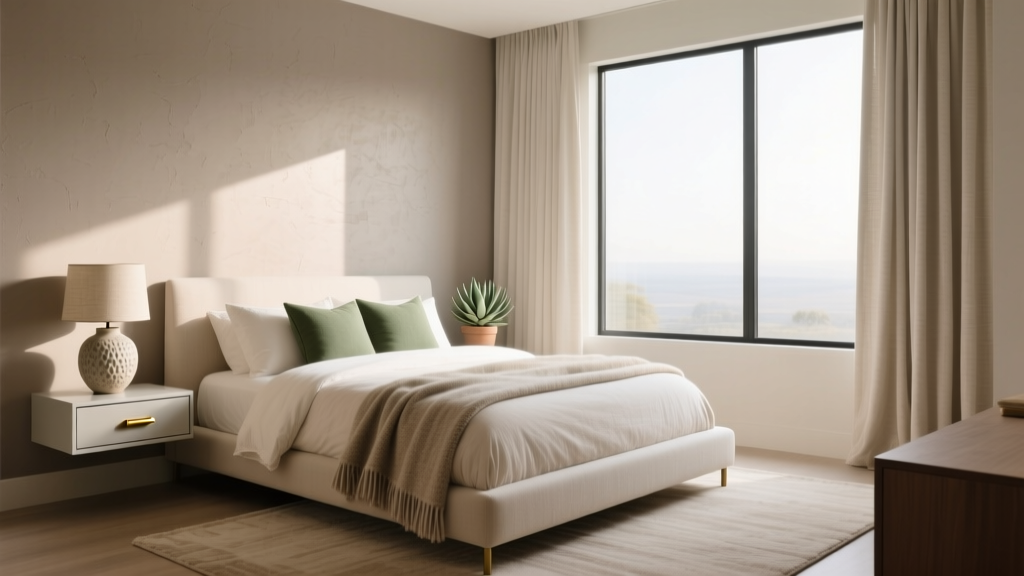 How to Create a Bedroom Color Story - The Decor Mag
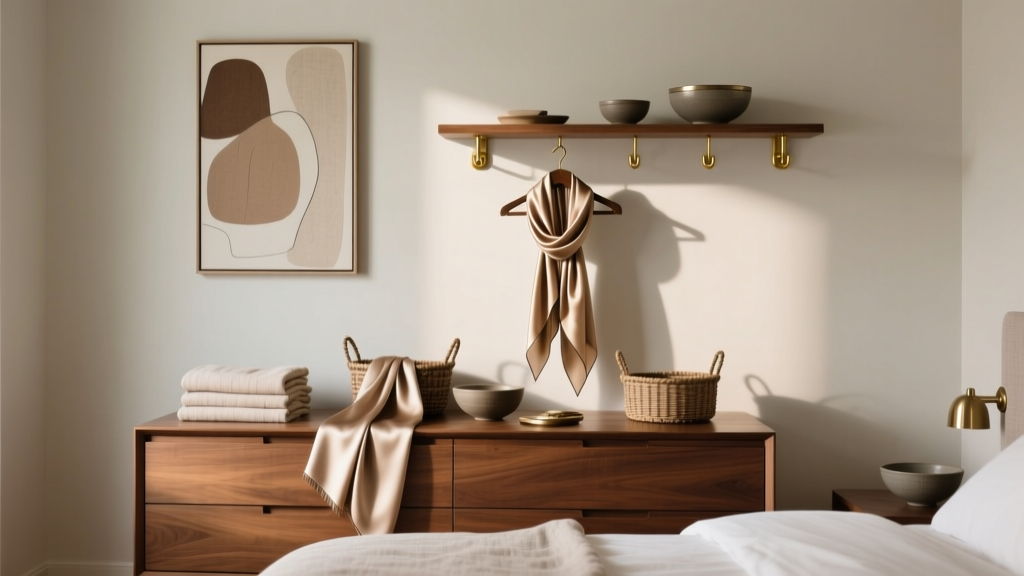 Best Bedroom Scarf and Accessory Storage - The Decor Mag
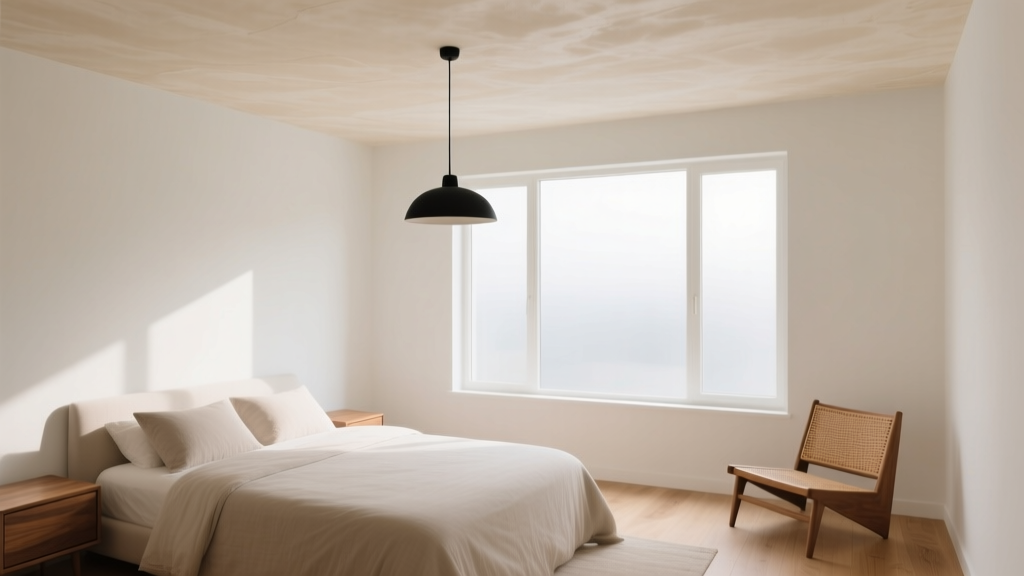 Bedroom Limewash Ceiling Treatment Idea - The Decor Mag
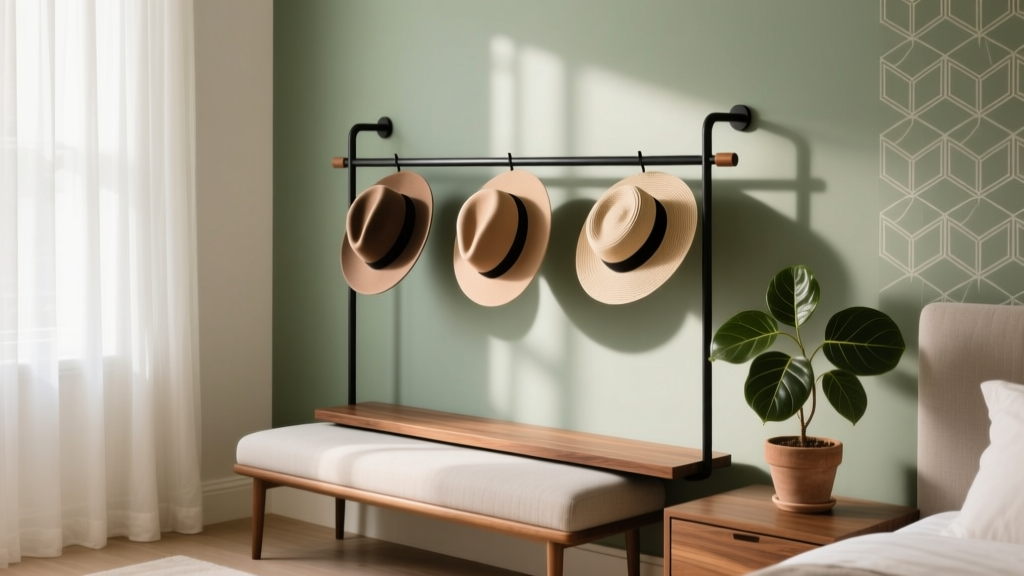 Best Bedroom Hat Storage Display - The Decor Mag
 Minimalist Bedroom Design Guide - The Decor Mag
 Hotel Bedroom Decor: Transform Your Space (2026)
 Bedroom Cane Webbing Headboard Ideas - The Decor Mag