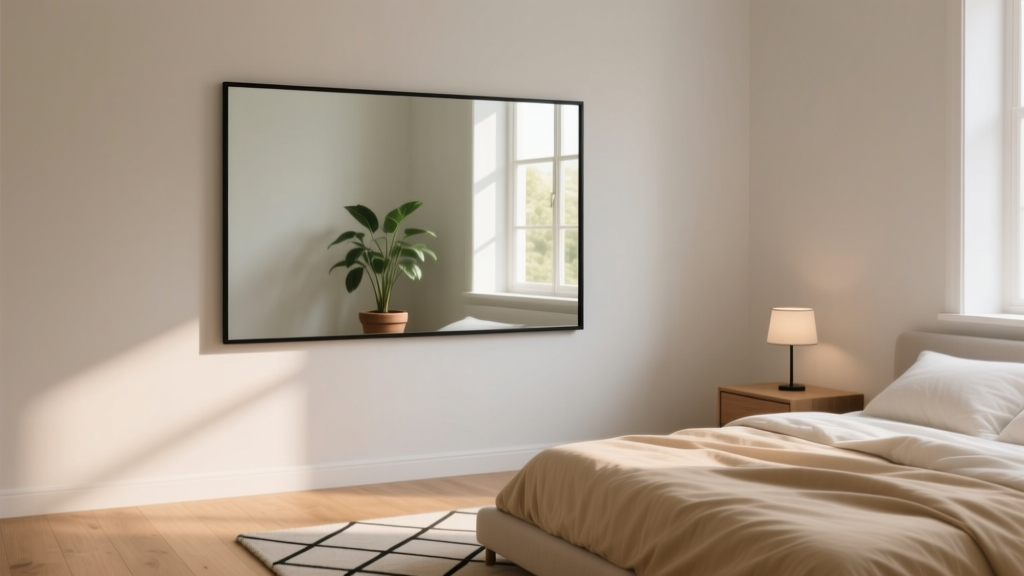
Best Bedroom Mirror Placement Ideas - The Decor Mag
A bedroom mirror can be more than a place to check your outfit. Done well, it supports a calmer morning routine, improves light balance, and makes a small room feel more open—without sacrificing the cozy, sleep-first atmosphere your bedroom needs. Done poorly, it can bounce harsh light, create visual clutter, and leave you feeling “watched” when you’re trying to unwind.
Because the bedroom is where your nervous system is meant to downshift, mirror placement matters for sleep quality and overall wellbeing. Reflections can amplify whatever is already in the room: soft light becomes brighter and more even, but messy corners feel twice as chaotic. The goal is to use mirrors to enhance comfort and function while keeping your sleep environment quiet, dark at night, and visually restful.
Below are practical, sleep-friendly bedroom mirror placement ideas, with layout guidance, product recommendations, and common mistakes to avoid—whether you’re working with a spacious primary suite or a compact rental bedroom.
How Mirror Placement Affects Bedroom Design and Sleep
Mirrors influence the bedroom’s “feel” in three key ways: light, space perception, and visual stimulation. In a healthy sleep environment, you want brighter, uplifting mornings and gentler, lower-stimulation evenings.
- Light management: Mirrors can reflect daylight deeper into the room, reducing the need for strong overhead lighting. At night, they can also reflect streetlights or electronics glare if placed poorly.
- Perceived space: A mirror can make a room feel larger, especially when it reflects open floor space rather than clutter.
- Visual calm: Reflections add “movement” to a space. If you see the bed, a TV, or piles of laundry reflected from where you sleep, it can subtly raise alertness.
A quick sleep-friendly rule of thumb
Place mirrors so they enhance daylight and morning routines, but avoid reflecting the bed or bright light sources at night.
Before You Hang Anything: A Simple Mirror Placement Checklist
Use this checklist to choose a spot that supports both bedroom decor and better rest:
- Stand where you sleep (near the bed, at pillow height) and look toward the mirror’s intended location. If you’ll see your reflection at night, consider another spot or a covered option.
- Track light sources: windows, lamps, hallway light spill, streetlights, and device LEDs. Don’t aim reflections toward the bed.
- Decide the mirror’s job: dressing, expanding space, bouncing natural light, or acting as decor.
- Confirm scale: a mirror should relate to nearby furniture size. Too small feels busy; too large can feel stark.
- Prioritize safety: anchor tall mirrors and use appropriate wall hardware for plaster/drywall.
Best Bedroom Mirror Placement Ideas (Sleep-Friendly and Stylish)
1) Full-length mirror beside (not facing) the bed
A full-length mirror is a practical staple for homeowners and renters. Position it on a wall that doesn’t directly reflect the bed. This keeps the room feeling open while minimizing nighttime visual stimulation.
- Best for: daily outfit checks, small bedrooms that need visual expansion
- Placement tip: angle it slightly toward a closet or dressing zone rather than toward the mattress
- Mirror styles: thin black metal frame for modern bedrooms; warm oak or walnut for cozy, Scandinavian-inspired decor
- Budget range: $60–$250 (basic to midrange); $300–$800 (oversized, designer frames)
2) Mirror near the closet or wardrobe to create a dressing zone
Designating a clear “getting ready” area supports sleep wellness by separating sleep space from task space. If your bedroom also functions as a dressing room, keep the mirror close to the closet so routines stay contained.
- Pair with: a small bench or ottoman, a lidded hamper, and a slim valet stand to prevent clothes piles
- Lighting recommendation: a warm, dimmable lamp (2700K) or plug-in sconces near the mirror for gentle evenings and bright mornings
- Layout tip: leave a 24–30 inch clear standing area in front of the mirror
3) Over a dresser (with calming, glare-controlled lighting)
Mounting a mirror above a dresser is a classic bedroom layout that supports function without taking floor space. It also helps keep daily essentials organized and off the nightstand.
- Best for: medium to large rooms, shared bedrooms, and anyone who wants a dedicated grooming surface
- Proportions: choose a mirror about 2/3 to 3/4 the dresser width
- Height: bottom edge 6–8 inches above the dresser top (adjust for your height)
- Lighting tip: avoid a bright ceiling fixture reflecting in the mirror; instead use a shaded lamp or wall sconce with a dimmer
- Budget range: $80–$350 for a quality framed mirror; $15–$60 for plug-in dimmers and warm bulbs
4) Opposite a window (only if it won’t shine into the bed at night)
Placing a mirror opposite or adjacent to a window can brighten a dark bedroom by bouncing daylight across the space. This can help regulate circadian rhythm by making mornings feel naturally brighter.
- Best for: north-facing rooms, small windows, apartments with limited natural light
- Sleep-friendly caution: if streetlights or sunrise glare will reflect into the bed, reposition the mirror or use blackout curtains
- Window treatment recommendation: layered curtains—sheers for daytime plus blackout panels for nighttime darkness
- Material suggestion: linen-blend curtains for softness and breathability; matte curtain rods to reduce shine
5) Behind a bedside lamp (to create a soft glow)
This is a designer trick that can work beautifully in a restful bedroom: place a mirror behind a bedside lamp on a wall, not facing the bed. The mirror gently spreads the light, making a single lamp feel more ambient and reducing the need for harsh overhead lighting.
- Best for: cozy bedroom decor, readers who want warm, even light
- Lamp style: shaded lamp or wall sconce; choose a fabric shade to soften glare
- Bulb tip: 2200K–2700K warm LED; aim for 400–800 lumens on a dimmer
- Budget range: $25–$120 for a bedside lamp; $15–$40 for warm dimmable bulbs
6) Leaning floor mirror in a corner (anchored for safety)
A leaning mirror adds height and a relaxed, boutique-hotel feel. It’s also renter-friendly when you don’t want to mount a large piece on the wall—just be sure to secure it properly.
- Best for: renters, flexible layouts, rooms with limited wall space
- Safety tip: use anti-tip straps or brackets (especially with kids or pets)
- Frame choice: light wood for warm minimalism; matte brass for a soft, elevated look
- Budget range: $90–$300 typical; $350–$900 for oversized, high-quality glass and frames
7) Mirrored closet doors (upgrade them thoughtfully)
Mirrored closet doors can make a bedroom feel much larger and help with dressing. They can also reflect the bed, which some sleepers find distracting. If you already have them, you can improve the sleep environment with a few adjustments.
- Sleep-friendly fixes: add floor-to-ceiling curtain panels that can close at night; use frosted film for a softer reflection; keep closet interiors tidy to avoid visual noise
- Budget range: $20–$80 for frosted film; $40–$200 for curtain panels and a track/rod
8) A small mirror near the door for “last look” convenience
A compact mirror by the bedroom door supports smoother mornings without turning the sleep zone into a task zone. It’s a simple way to reduce frantic rushing—an underrated stress reducer.
- Best for: shared bedrooms, small spaces, minimalists
- Pair with: a small tray or wall hook for keys, watch, or hair ties (keeps nightstand clutter down)
- Budget range: $20–$120
Mirror Styles and Materials That Feel Calming in a Sleep Space
Bedroom decor works best when finishes are soft and low-glare. Mirrors with overly shiny frames can feel “busy” under lamplight.
- Frames: matte black metal, brushed brass, light oak, walnut, or painted wood in warm neutrals
- Shapes: arches and rounded rectangles feel gentler than sharp-edged geometrics
- Glass quality: look for low-distortion glass; for a warmer look, consider lightly antiqued or smoked glass (use sparingly to avoid darkening the room)
- Backings and hardware: choose sturdy backing and secure hangers; in humid climates, prioritize moisture-resistant materials
Layout Tips: Integrating Mirrors with Furniture, Bedding, and Color
Create a “rest zone” and a “ready zone”
For better sleep hygiene, keep visually stimulating activities (dressing, work, intense lighting) away from the bed when possible. Mirrors help reinforce this zoning.
- Rest zone: bed, nightstands, soft lighting, minimal reflective surfaces
- Ready zone: dresser, mirror, hamper, a dedicated lamp or sconce
Pair mirrors with soothing bedding and textures
If your mirror makes the room feel cooler or more “echoey,” add softness through textiles:
- Bedding: cotton percale for crisp-cool sleepers; linen for breathable, relaxed texture; cotton sateen for a smoother, warmer feel
- Rug: a low-pile wool or wool-blend rug helps absorb sound and adds warmth underfoot
- Color palette: warm whites, sand, greige, muted sage, dusty blue, or clay tones for a calmer sleep environment
Lighting strategy that works with mirrors (not against them)
Mirrors amplify light—so choose lighting that supports winding down:
- Use warm bulbs: 2200K–2700K for evening calm
- Add dimmers: plug-in dimmers for lamps or dimmable smart bulbs for flexibility
- Avoid glare: choose shades, diffusers, and indirect lighting; keep bright fixtures from reflecting into the bed
Sleep-Friendly Wellness Tips for Mirror Placement
- Protect darkness at night: if a mirror reflects a window, hallway, or screen glow, use blackout curtains, reposition the mirror, or cover it at night.
- Reduce nighttime stimulation: avoid placing mirrors where you’ll catch your reflection when you wake briefly—it can make the brain more alert.
- Support calm mornings: let mirrors reflect daylight (not clutter). A brighter-feeling morning environment can help reinforce a healthy sleep-wake rhythm.
- Keep reflections simple: reflect a plant, artwork, or open space rather than busy shelves or laundry.
Common Bedroom Mirror Placement Mistakes to Avoid
- Facing the bed directly: can feel overstimulating at night and may reflect unwanted light.
- Reflecting a TV or bright electronics: doubles visual noise and can interfere with winding down.
- Hanging too high: especially above dressers—creates awkward use and a less harmonious look.
- Choosing the wrong scale: a tiny mirror on a large wall looks cluttered; an oversized mirror in a tight walkway feels stressful.
- Ignoring safety: unanchored leaning mirrors can tip; use anti-tip hardware and avoid unstable placement.
- Placing mirrors where they reflect clutter: the reflection becomes a constant reminder of unfinished tasks—bad for mental quiet.
FAQ: Bedroom Mirror Placement and Sleep Environment
Where should a mirror go in a small bedroom?
Try a full-length mirror near the closet or on a wall adjacent to the window to bounce daylight. Avoid placing it where it reflects the bed. A leaning mirror in a corner can work well if anchored securely.
Is it bad to have a mirror facing the bed?
Many people sleep fine with it, but if you’re sensitive to light or easily overstimulated at night, it can disrupt relaxation by reflecting movement and light. If you notice poorer sleep, reposition the mirror or cover it at night with a curtain panel.
What size mirror is best for a bedroom?
For outfit checks, a full-length mirror around 18–24 inches wide and 58–65 inches tall works for most adults. Over a dresser, aim for a mirror that’s about 2/3 to 3/4 the width of the dresser for balanced bedroom design.
How do I light a bedroom mirror without harsh glare?
Use warm (2200K–2700K) dimmable bulbs and shaded fixtures. Place a sconce or lamp slightly to the side rather than directly in front of the mirror, and avoid exposing bare bulbs that reflect brightly.
What are renter-friendly ways to add a mirror?
Choose a leaning floor mirror with anti-tip straps, or use removable hanging strips for lightweight mirrors. For heavier pieces, use proper wall anchors or a picture rail system if your rental allows it.
Can mirrors help a bedroom feel more relaxing?
Yes—when they reflect soft daylight, a calm vignette (like a plant), or open space. Mirrors that reflect clutter, screens, or harsh lighting tend to do the opposite.
Next Steps: A Calm, Practical Plan for Your Bedroom
Start by deciding what you need most: a better dressing setup, brighter natural light, or a more spacious feel. Then choose one mirror placement that supports that goal while protecting the sleep environment—especially nighttime darkness and visual calm.
- Pick a location that doesn’t reflect the bed and won’t bounce outdoor light into your sleep zone.
- Choose a calming frame finish (matte, warm wood, or brushed metal) and the right scale for your furniture.
- Upgrade lighting with warm dimmable bulbs and a shaded lamp or sconce near the mirror.
- Keep what the mirror reflects simple and tidy—open space, a plant, or a clean dresser surface.
For more soothing bedroom design ideas, sleep-friendly decor tips, and practical layout guides, explore the latest at thedecormag.com.
More Articles
 Bedroom Natural Stone Nightstand Top - The Decor Mag
 How to Choose Bedroom Euro Sham Size - The Decor Mag
 Best Bedroom Dresser Organization Tips - The Decor Mag
 Bedroom Fluted Nightstand Design - The Decor Mag
 How to Mix Patterns on Your Bed - The Decor Mag
 Best Bedroom Sound Machine Placement - The Decor Mag
 Bedroom Reeded Wood Nightstand Trend - The Decor Mag
 Best Bedroom Eye Mask Storage - The Decor Mag
 Bedroom Rattan Furniture Trends - The Decor Mag
 Bedroom Tufted Headboard Trends - The Decor Mag