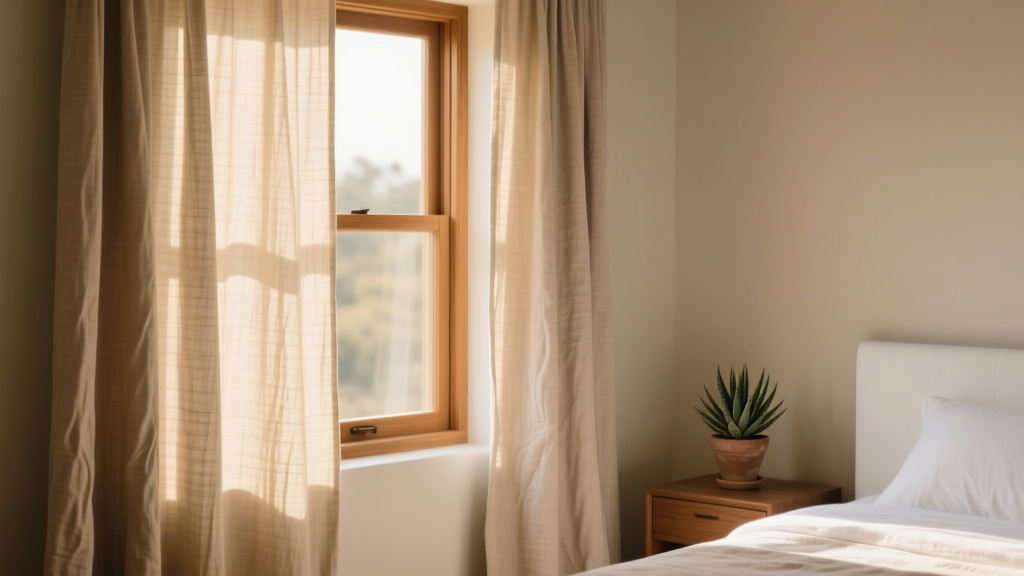
Bedroom Organic Linen Curtain Draping - The Decor Mag
The bedroom is where your nervous system goes to soften its grip. Light levels, privacy, temperature, and sound all shape how quickly you fall asleep and how deeply you stay there. Curtains are often treated as a finishing touch, but the right drape can act like a gentle switch for your entire sleep environment—quieting visual clutter, controlling glare, and creating a calm, cocooned feeling that tells your body it’s safe to rest.
Organic linen curtains are especially effective in bedrooms because they balance beauty and function. Linen filters light in a way that feels natural rather than harsh, and it moves with a relaxed elegance that instantly makes a room feel more breathable. When you combine the right linen with thoughtful draping—fullness, length, layering, and hardware—you can improve comfort at night and make mornings feel more gradual and restorative.
This guide walks you through bedroom organic linen curtain draping from a sleep-wellness angle: choosing materials, dialing in opacity, hanging for height and softness, coordinating with bedding and furniture, and avoiding common mistakes that sabotage rest.
Why Organic Linen Curtains Support a Better Sleep Environment
Linen’s light diffusion reduces “alerting” glare
Light is one of the strongest cues for your circadian rhythm. In a bedroom, harsh daylight edges, streetlamp spill, and early sunrise can trigger wakefulness. Linen’s textured weave diffuses light rather than letting it streak across the room, which helps create a steadier, calmer ambience.
Breathability and moisture balance
Linen is naturally breathable and moisture-wicking—useful in bedrooms that run warm at night. While curtains won’t replace good ventilation, they can reduce the stuffy feeling that synthetic drapes sometimes amplify.
Organic matters for sensitive sleepers
Choosing organic linen (and low-tox finishes) can be a comfort upgrade for people with allergies, chemical sensitivities, or simply a desire for a cleaner sleep environment. Look for certifications and labels that suggest safer processing and dyes.
- Keywords to look for: organic linen, OEKO-TEX certified, GOTS (for some blended or related textile certifications), low-VOC dyes.
- Practical bonus: Linen’s naturally relaxed texture looks good even when it’s not perfectly pressed—ideal for a low-stress bedroom aesthetic.
Choosing the Right Organic Linen Curtain Fabric
1) Sheer, semi-sheer, or blackout-lined?
The best bedroom curtains depend on your light sensitivity and your room’s exposure. Linen alone is often light-filtering, not full blackout. If you need darkness for shift work, a baby’s nap schedule, or simply better sleep quality, plan to layer or line.
- Sheer linen: Airy and romantic; best for privacy during the day and soft light. Pair with a shade for nighttime.
- Medium-weight linen (light-filtering): A common sweet spot for bedrooms; reduces glare while still feeling bright in daytime.
- Linen with blackout lining: Best for streetlights, early sun, and light-sensitive sleepers. Choose a quiet, fabric-backed blackout lining to avoid “crinkly” noise.
- Layered system: Linen drapes + blackout roller shade or Roman shade for flexible control.
2) Weight and weave: what to ask for
When shopping online, fabric weight is your clue to how the curtain will drape and how much light it blocks.
- 150–200 GSM: Sheer to light-filtering, floaty drape.
- 200–300 GSM: Medium weight; a fuller, more substantial hang for bedrooms.
- 300+ GSM: Heavier linen; more structure and better light control, often higher cost.
3) Best colors for sleep-friendly bedroom decor
Color influences perceived calm. Linen’s matte finish makes even deeper colors feel softer.
- Best for most bedrooms: warm white, oat, flax, greige, soft taupe.
- For a cozy, cocoon effect: clay, mushroom, muted olive, smoky blue.
- For bright rooms with lots of sun: slightly deeper neutrals to reduce glare.
- Avoid if you’re light-sensitive: very bright white sheers without a secondary light-blocking layer.
Bedroom Curtain Draping Essentials: How to Hang Linen Like a Designer
Step 1: Mount higher to make the room feel restful and spacious
Visually, higher curtains lift the ceiling and reduce a “boxed-in” feeling—helpful in small bedrooms and rentals.
- Install the rod 4–8 inches above the window frame, or 1–2 inches below the ceiling if you can.
- Extend the rod 8–12 inches wider than the window on each side so the curtains can stack off the glass.
- Result: more daylight when open, more coverage when closed, and a calmer silhouette.
Step 2: Choose the right length: float, kiss, or puddle
Length changes the mood of the bedroom and how tidy it feels day to day.
- Float (½ inch above the floor): Clean, modern, easier for vacuuming; great for allergy-prone households.
- Kiss (just touching the floor): Tailored and cozy; a top choice for bedrooms.
- Small puddle (1–2 inches on the floor): Romantic and soft; less practical if you have pets or dust sensitivity.
Step 3: Fullness is the difference between “flat” and “luxury”
Linen looks best with extra fabric. Under-filled panels can appear sparse and let in more light at night.
- Standard fullness: 2x the width of your window (or rod span).
- Plush fullness: 2.5x for a hotel-like drape.
- Example: For a 60-inch wide window, aim for 120–150 inches of total curtain width.
Step 4: Pick a header style that supports soft draping
- Pinch pleat (double or triple): Polished, structured folds; excellent for bedrooms aiming for refined calm.
- Ripple fold: Consistent waves; smooth, contemporary, and easy to draw open/closed.
- Back tab or hidden tab: Casual and clean, great for linen’s relaxed texture.
- Grommet: Easy, but can feel more casual; can also allow more light gaps at the top.
Step 5: Hardware choices that reduce light leaks and noise
Small hardware decisions can have outsized effects on sleep quality.
- Rod type: Consider a wraparound rod to reduce side light gaps and improve privacy.
- Finish: Matte black, aged brass, bronze, or warm pewter for a soothing, non-glare look.
- Rings vs. tabs: Rings glide more smoothly (less tugging and noise), helpful when you’re opening curtains early or closing them late.
- Quiet liners: If you add blackout lining, choose a fabric-backed option for a softer hand and less rustling.
Layering Ideas: The Most Sleep-Friendly Linen Curtain Setups
Option A: Linen drapes + blackout roller shade (best overall)
Roller shades handle true darkness; linen adds softness and texture. This pairing suits light sleepers and city bedrooms.
- Choose: cordless blackout roller shade (or motorized if budget allows) + medium-weight organic linen panels.
- Sleep perk: reliable darkness supports melatonin production and reduces night wakings.
Option B: Linen sheers + linen blackout-lined drapes (hotel feel)
Two layers let you adjust the room for daytime privacy and nighttime darkness.
- Choose: sheer linen on an inner rod + blackout-lined linen on the outer rod.
- Design perk: extra depth makes the room feel finished and serene.
Option C: Linen Roman shade + side panels (great for small bedrooms)
Roman shades provide clean function; side panels soften the window and add height.
- Choose: light-filtering or blackout Roman shade + stationary linen panels hung high and wide.
- Layout perk: helps when furniture must sit near the window.
Coordinating Curtains With Bedroom Furniture, Bedding, Lighting, and Layout
Furniture recommendations that complement linen draping
- Upholstered headboard: Adds sound-softening texture and balances linen’s airy weave.
- Low-profile nightstands: Keep sightlines calm; choose wood tones that echo flax/oat curtains (oak, walnut, ash).
- A bench at the foot of the bed: Visually anchors the room; pick boucle, linen-blend upholstery, or warm wood.
- Minimal window-adjacent furniture: Keep at least a few inches clearance so curtains can fall freely and block light effectively.
Bedding pairings for a cohesive sleep sanctuary
- Linen + cotton percale: Crisp sheets with relaxed curtains—cool, breathable, and timeless.
- Linen + washed cotton duvet: Soft-on-soft layering for a cozy, quiet look.
- Colors: Repeat curtain tones in one bedding element (a throw, Euro shams, or duvet cover) for visual calm.
Lighting that works with linen’s glow
Linen transforms light into a gentle wash. Support that with warm, dimmable sources at night.
- Bulbs: 2700K (warm white) or 2200K (extra warm) for bedside lamps.
- Controls: dimmer switches or plug-in dimmers for rentals.
- Layered lighting: bedside lamps + a soft overhead (on a dimmer) + optional wall sconces to free nightstand space.
- Sleep tip: reduce bright overhead lighting 1–2 hours before bed to help your body ease into sleep.
Layout tips that make curtains more functional
- Place the bed so you can open and close curtains easily without climbing over furniture.
- Keep a clear path from bed to window to prevent frustration at night.
- If streetlight is a problem, ensure the curtain can stack close to the wall and consider a wraparound rod to cut side glow.
Wellness-Focused Curtain Tips: Temperature, Sound, and Air Quality
- Draft control: In older homes, curtains can help reduce drafty windows. Pair linen drapes with a discreet liner for added insulation.
- Sound softness: Curtains won’t soundproof, but fuller drapes can dampen some echo. Add a rug and upholstered pieces for better acoustic comfort.
- Allergy-aware setup: Choose a “float” or “kiss” length to reduce dust buildup, and vacuum along the hemline regularly.
- Airflow: If you sleep hot, avoid overly heavy synthetic curtains that trap heat. Medium-weight linen plus a shade often feels balanced.
Budget Ranges and What to Expect
Organic linen curtains vary widely by fabric weight, sizing, header style, and whether they’re custom. Use these ranges as a practical guide per window (two panels), excluding installation.
- Budget: $80–$200
- Ready-made linen or linen-blend panels; simpler headers (tabs, grommets).
- Best for: renters, first upgrades, secondary bedrooms.
- Mid-range: $200–$600
- Higher-quality linen, better stitching, more size options; optional linings.
- Best for: primary bedrooms aiming for a noticeable improvement in light control and drape.
- Premium/Custom: $600–$1,500+
- Custom sizing, pinch pleats or ripple fold systems, blackout lining, superior fullness, and tailored installation.
- Best for: large windows, challenging light conditions, design-forward bedrooms, or long-term homes.
Hardware budget: $30–$120 for basic rods; $120–$300+ for wraparound, double rods, or premium finishes. Professional installation commonly ranges from $75–$250 per window depending on complexity and region.
Common Mistakes to Avoid With Linen Curtain Draping
- Hanging the rod too low: Makes ceilings feel shorter and the room less airy.
- Not enough curtain width: Leads to flat panels and more light leaks—especially noticeable at night.
- Choosing linen-only when you need blackout: If you wake easily, add a blackout shade or lining instead of hoping linen will do the job.
- Ignoring side gaps: Streetlights sneak in at the edges. Use wider rods, return brackets, or wraparound rods.
- Puddling in dusty/pet-heavy rooms: Looks pretty but can collect dust and fur, which may affect sleep comfort.
- Over-bright whites in sun-blasted rooms: Can bounce light around and feel stimulating; try flax, oat, or greige instead.
FAQ: Bedroom Organic Linen Curtain Draping
Are organic linen curtains good for blackout sleep?
Organic linen alone is usually light-filtering, not blackout. For a truly dark sleep environment, pair linen drapes with a blackout roller shade, or choose linen curtains with a blackout lining.
How do I measure for curtains that look full and luxurious?
Measure the rod width (or the planned rod span), then buy curtain panels totaling 2x to 2.5x that width. For length, measure from the rod ring (or header) to the floor and choose “kiss” length for a tailored bedroom look.
What’s the best curtain color for a calming bedroom?
Soft neutrals (flax, oat, warm white, greige) are reliably calming and easy to match with bedding. Muted earthy tones (clay, olive, smoky blue) can feel especially restful if you want a more cocooned atmosphere.
Do linen curtains help with temperature control?
Linen is breathable and can feel lighter than synthetic drapes. For drafts or heat gain, add a liner or pair linen with a shade to improve insulation while keeping the relaxed look.
How do I care for linen curtains without ruining the drape?
Follow the maker’s label. Many linen curtains do well with gentle washing or dry cleaning depending on lining and header style. To keep the drape looking soft, avoid over-drying; hang while slightly damp and let gravity smooth the fabric.
What’s the easiest renter-friendly way to upgrade bedroom curtains?
Use a tension rod if drilling isn’t allowed (best for lighter curtains), or install a standard rod with minimal holes and patch later. Choose ready-made linen panels in a medium weight and hang them high and wide for the biggest visual impact.
Actionable Next Steps for a Calmer Bedroom
- Identify your sleep need: darkness, privacy, temperature comfort, or a softer aesthetic.
- Choose your system: linen-only for gentle filtering, or linen + blackout shade for deeper sleep support.
- Measure and plan fullness: aim for 2x–2.5x width and “kiss” length for an easy, polished look.
- Upgrade lighting: add warm, dimmable bulbs so your evenings feel as calm as your curtains look.
- Finish with cohesion: echo curtain tones in one bedding layer and keep the window area uncluttered.
Organic linen curtain draping is one of the most satisfying bedroom design upgrades because it improves how the room looks and how it supports sleep quality—night after night. For more calming bedroom decor ideas and sleep-friendly design guides, explore the latest inspiration on thedecormag.com.
More Articles
 Modern Bedroom Design Ideas for 2026 - The Decor Mag
Wood for Practical Bedroom Use: Durability, Maintenance, and Real-World Performance Data
Modern Bedroom Design Ideas for 2026 - The Decor Mag
Wood for Practical Bedroom Use: Durability, Maintenance, and Real-World Performance Data
 Best Bedroom Watch Box Display - The Decor Mag
 Best Bedroom Valet Stand Options - The Decor Mag
 Bedroom Reeded Wood Mirror Frame - The Decor Mag
 Cozy Farmhouse Bedroom Decor Inspiration - The Decor Mag
 How to Choose Bedroom Throw Size for Bed - The Decor Mag
 How to Choose Bedroom Sheet Thread Count - The Decor Mag
 How to Create a Bedroom Sanctuary - The Decor Mag
 How to Choose Bedroom Quilt Style - The Decor Mag