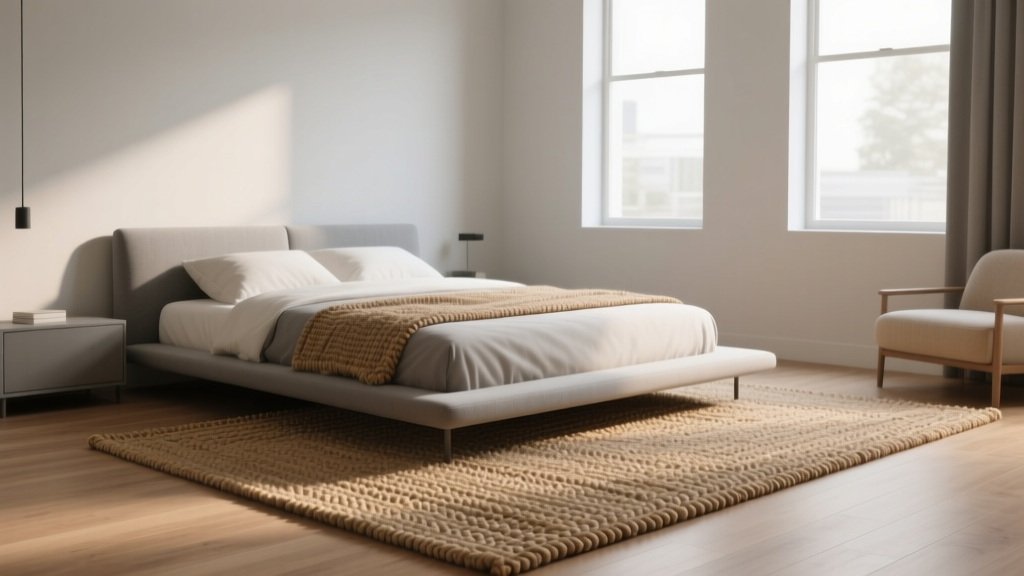
Bedroom Natural Jute Rug Under Bed - The Decor Mag
A bedroom that supports deep rest is built from small, sensory choices: what your feet touch first in the morning, how sound carries through the room, how light softens at night, and whether the space feels calm or cluttered. A natural jute rug under the bed may seem like a purely decorative decision, but it can quietly reshape your sleep environment—adding warmth, texture, and an anchored feeling that helps a bedroom look (and feel) more settled.
Jute’s appeal is simple and earthy. It brings nature indoors, adds visual structure beneath the bed, and can reduce that “floating furniture” effect that makes a room feel temporary or unfinished—especially in rentals. With the right size, placement, and a few sleep-friendly styling choices, a jute rug can support a more peaceful bedroom design while also protecting floors and softening the room’s acoustics.
This guide walks through how to choose a bedroom natural jute rug under your bed, how to place it for comfort and balance, what to pair it with (bedding, lighting, color, layout), and what mistakes to avoid—so your room looks calmer and functions better for rest.
Why a Natural Jute Rug Under the Bed Works for Sleep-Friendly Bedroom Design
It visually “grounds” the bed (and calms the room)
The bed is the largest object in most bedrooms. When it sits on bare flooring, the space can feel stark or unfinished. A jute rug creates a defined zone for rest, which helps the room feel more organized—an often-overlooked factor in reducing mental clutter at bedtime.
It adds warmth and texture without heavy patterns
Bedrooms benefit from low-contrast, low-visual-noise surfaces. Jute’s natural weave introduces texture while staying neutral, which pairs well with soothing color palettes and minimal patterns—helpful for a calm sleep environment.
It can soften sound and reduce echo
Hard floors bounce sound. A rug under the bed helps dampen footsteps and general room noise, especially when paired with a quality rug pad. For light sleepers, this small acoustic improvement can make evenings and early mornings feel less disruptive.
It supports cleaner zoning in multi-use bedrooms
If your bedroom also includes a desk, reading chair, or vanity, zoning matters. A rug under the bed creates a “sleep-only” visual boundary, reinforcing a healthier association between the bedroom and relaxation.
Choosing the Right Jute Rug: Size, Weave, Feel, and Backing
Best rug sizes for under a bed
The goal is to step onto the rug comfortably when you get out of bed, while keeping proportions balanced. These are reliable bedroom rug size guidelines:
- Full bed: 6’x9’ (minimum) or 8’x10’ (more generous)
- Queen bed: 8’x10’ (most common) or 9’x12’ (luxury/large room)
- King bed: 9’x12’ (ideal) or 8’x10’ (works in tighter spaces)
- California king: 9’x12’ (recommended)
Simple rule: Aim for at least 18–24 inches of rug showing on the sides and foot of the bed. If you want a plush, hotel-like landing zone, go closer to 24–30 inches.
Placement options: what looks best and feels best
Option A: Rug under the nightstands (most cohesive)
For a unified, anchored look, place the rug so it extends under the nightstands and the lower two-thirds of the bed. This is a favorite for master bedrooms and creates a stable, designer-like layout.
Option B: Rug starts just behind the nightstands (budget-friendly)
This saves money because you can use a slightly smaller rug while still getting soft footing where it matters—on the sides and at the foot of the bed.
Option C: Two runners instead of one large rug (small rooms)
If your bedroom is narrow or you’re renting and want flexibility, place runners along each side of the bed.
- Look for runners around 2.5’x7’ or 2.5’x8’.
- This approach is often easier to vacuum and rotate.
Weave and comfort: not all jute feels the same
Jute rugs range from soft and tightly woven to chunky and textured. For bedrooms, a smoother, tighter weave tends to feel better underfoot and sheds less.
- Tight weave (flat braid or herringbone): smoother feel, cleaner look, easier to vacuum
- Chunky weave: cozy texture, more rustic, can feel rougher on bare feet
- Jute-blend (jute + wool or cotton): softer, often more comfortable for bedrooms
Backing and a rug pad: the non-negotiable for sleep comfort
A rug pad improves comfort, prevents slipping, and adds a layer of sound absorption. In a sleep-friendly bedroom, stability matters—no one wants a rug that creeps and curls at the edges.
- For hardwood/laminate: use a non-slip felt pad (felt + rubber combo works well)
- For carpet: choose a pad designed for carpet-on-carpet grip
- Thickness: 1/4" is a practical sweet spot under beds; thicker can make doors catch
How to Style a Jute Rug Under the Bed for a Calming Sleep Environment
Colors that pair beautifully with natural jute
Jute has warm, golden undertones. To keep your bedroom decor soothing and sleep-supportive, choose colors that complement that warmth:
- Soft whites and creamy ivories: airy, clean, hotel-like
- Warm greige and sand tones: cohesive, minimal, calming
- Sage, olive, and muted eucalyptus: nature-forward and restful
- Dusty blues and smoky navy accents: grounding without being harsh
- Terracotta or clay (in small doses): cozy warmth that still feels relaxed
If you love contrast, use it sparingly. High-contrast black-and-white patterns can look sharp but may feel visually stimulating in a room meant for winding down.
Bedding recommendations for a cozy, breathable feel
A jute rug brings texture; your bedding can echo that natural comfort while supporting temperature regulation—one of the biggest drivers of sleep quality.
- Sheets: percale cotton for crisp and cool; linen for breathable softness
- Duvet insert: lightweight down alternative for most sleepers; wool for excellent temperature balance
- Layers: add a cotton waffle blanket or linen quilt for gentle weight without overheating
- Throw pillows: keep to 2–3 and use calm solids or subtle textures (bouclé, washed cotton)
For a cohesive bedroom design: choose bedding in warm whites, oatmeal, or muted earth tones to harmonize with the jute’s natural color.
Furniture pairings: what complements jute best
Jute plays well with natural materials and simple silhouettes. These combinations feel especially serene:
- Wood bed frames: oak, walnut, or ash for a grounded, nature-inspired bedroom
- Upholstered headboards: linen-look fabric in ivory or greige to soften the room
- Nightstands: light wood, cane, or matte painted finishes (warm white, soft taupe)
- Minimal metal accents: brushed brass or matte black in small doses (drawer pulls, lamp bases)
If you have a platform bed with a very low profile, a larger rug (8’x10’ or 9’x12’) helps the bed feel more substantial and balanced.
Lighting that feels gentle at night
Lighting has a direct connection to sleep quality because bright, cool-toned light can suppress melatonin. A jute rug sets a warm base—support it with warm, layered lighting.
- Bedside lamps: choose warm bulbs (2700K or lower) with shades that diffuse light
- Wall sconces: great for small bedrooms and freeing nightstand space
- Dimmer switches: one of the most effective upgrades for a relaxing bedtime routine
- Soft ambient light: a small salt lamp-style glow or low-lumen table lamp across the room
Avoid placing bright overhead lighting as your primary evening light source. If you must use a ceiling fixture, add a dimmer and use a warm bulb.
Practical Care and Longevity: Keeping a Jute Rug Bedroom-Ready
Cleaning tips (realistic for daily life)
- Vacuum weekly: use suction-only or the hard-floor setting; avoid aggressive beater bars
- Spot clean fast: blot spills immediately with a dry cloth; avoid soaking jute
- Rotate every 3–6 months: helps prevent uneven fading and wear
- Air it out: if it arrives with a natural fiber scent, ventilation helps it dissipate
Moisture and allergies: sleep-wellness considerations
Jute is a natural fiber and can be sensitive to moisture. If your bedroom is humid, prioritize airflow and dehumidification. For allergy-prone sleepers, a tight weave plus consistent vacuuming is usually the most comfortable setup.
- Keep indoor humidity around 40–50% for comfort and material longevity.
- If shedding bothers you, choose a tighter weave or a jute blend rather than chunky boucle-like jute.
Budget Ranges and What to Expect
Prices vary widely based on size, weave density, backing, and whether it’s a jute blend. These ranges help set expectations:
- Budget ($80–$200): smaller sizes, thinner weaves, basic edging; great for rentals or first-time upgrades
- Mid-range ($200–$500): 8’x10’ options, better finishing, tighter weave, more consistent color
- Premium ($500–$1,200+): larger sizes like 9’x12’, higher craftsmanship, softer blends, elevated borders
Don’t skip the rug pad—plan an extra $30–$120 depending on size and thickness. Comfort and safety improve immediately, especially for bedrooms with smooth flooring.
Common Mistakes to Avoid
- Choosing a rug that’s too small: a tiny rug under the bed can look disconnected and feel impractical when you step out of bed.
- Skipping the rug pad: leads to slipping, bunching, and a louder, less stable feel underfoot.
- Picking an overly rough weave for bare feet: bedrooms are barefoot zones; opt for tighter weaves or blends if texture sensitivity is a concern.
- Placing it where doors catch: check clearance for bedroom and closet doors before choosing a thick pad or bulky weave.
- Over-styling with too many patterns: jute is a calm foundation—let it do that job by keeping surrounding textiles understated.
- Ignoring moisture risk: avoid jute in chronically damp rooms or directly under frequently spilled plant pots.
Sleep-Friendly Layout Tips Using a Jute Rug as the Anchor
Use your rug as the “map” for a calmer bedroom layout:
- Center the bed on the rug so the margins on both sides feel even—visual balance reduces the sense of clutter.
- Keep the path to the bathroom/door clear by ensuring at least one side has easy walk space.
- Create a soft landing zone at the foot of the bed with a bench or ottoman—upholstered or wood with rounded edges.
- Limit bedroom work zones if possible. If you must have a desk, keep it outside the rug boundary to preserve the bed as a rest-focused area.
FAQ: Bedroom Natural Jute Rug Under Bed
What size jute rug should go under a queen bed?
An 8’x10’ jute rug is the most common and comfortable choice under a queen bed. If your room is spacious or you want more rug showing at the foot and sides, a 9’x12’ feels especially luxurious.
Is jute too scratchy for a bedroom?
Some jute rugs can feel rough, especially chunky weaves. For a softer bedroom feel, choose a tight weave or a jute blend (jute + cotton or wool) and add a felt rug pad for cushion.
Can I put a jute rug on carpet under the bed?
Yes. Use a carpet-grip rug pad to help keep it in place. Jute on carpet can add structure and a layered look, especially in rentals with wall-to-wall carpeting.
How do I clean a jute rug in the bedroom?
Vacuum weekly using suction-only settings, and blot spills immediately. Avoid steam cleaning or soaking, as moisture can warp natural fibers and leave water marks.
Does a rug under the bed help with sleep?
A rug won’t “fix” sleep on its own, but it can support a better sleep environment by reducing echo, softening the room, and making the space feel more settled and relaxing—especially when paired with warm lighting, breathable bedding, and a clutter-light layout.
What’s better for a bedroom: jute or wool?
Wool is typically softer and more resilient, often better for maximum comfort. Jute is more affordable for larger sizes and delivers a relaxed, natural look. If you want the best of both, consider a jute-wool blend.
Next Steps: Create a Bedroom That Feels Grounded and Restful
If you’re choosing a natural jute rug under your bed, start with the basics: measure your bed and room, select a size that gives you a comfortable landing zone, and commit to a quality rug pad. Then build a calm sleep-friendly bedroom design around it—warm lighting, breathable bedding, nature-inspired colors, and a layout that keeps the bed as the clear focal point for rest.
For more calming bedroom decor, sleep environment upgrades, and renter-friendly styling ideas, explore more guides and inspiration on thedecormag.com.
More Articles
 Best Bedroom Color Palettes for Relaxation - The Decor Mag
 How to Create a Bedroom That Feels Timeless - The Decor Mag
 How to Style a Bedroom with Dark Walls - The Decor Mag
 Bedroom Warm Wood Canopy Bed Frame - The Decor Mag
 Handmade Ceramics in Bedrooms (2026)
 How to Create a Bedroom Color Story - The Decor Mag
 Mid-Century Modern Bedroom Furniture Guide - The Decor Mag
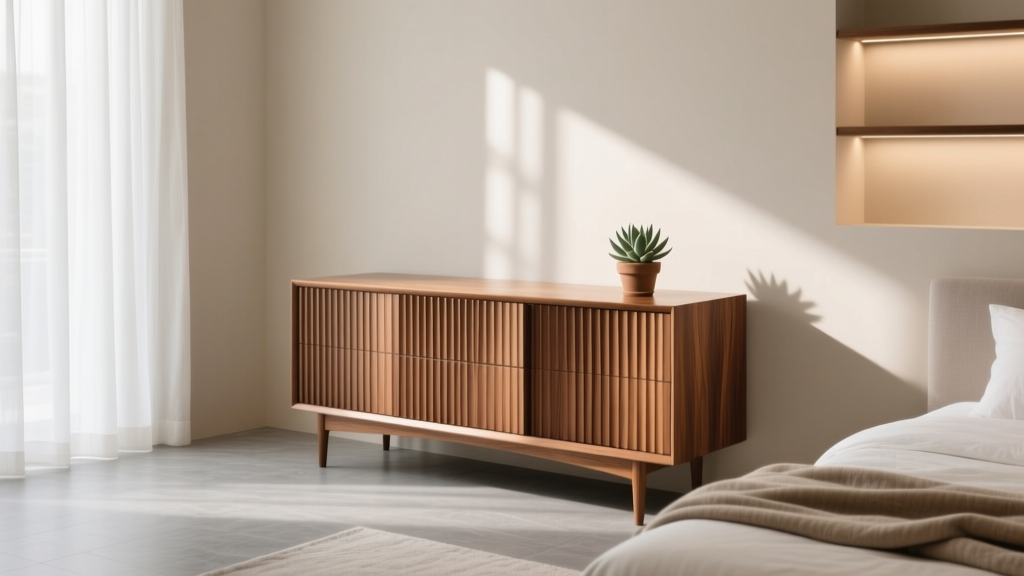 Bedroom Fluted Wood Dresser Trend - The Decor Mag
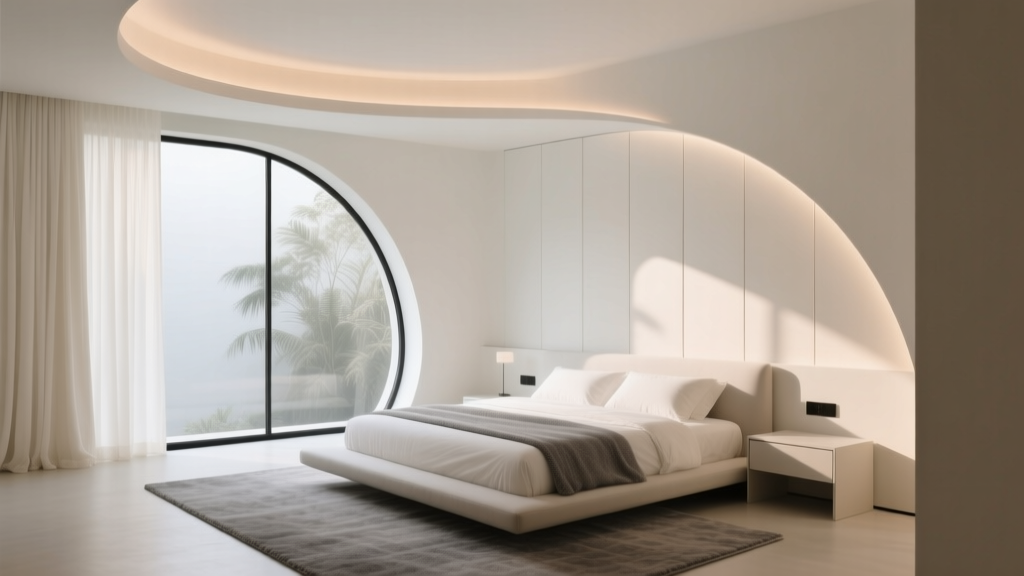 Bedroom Curved Architectural Bedroom Detail - The Decor Mag
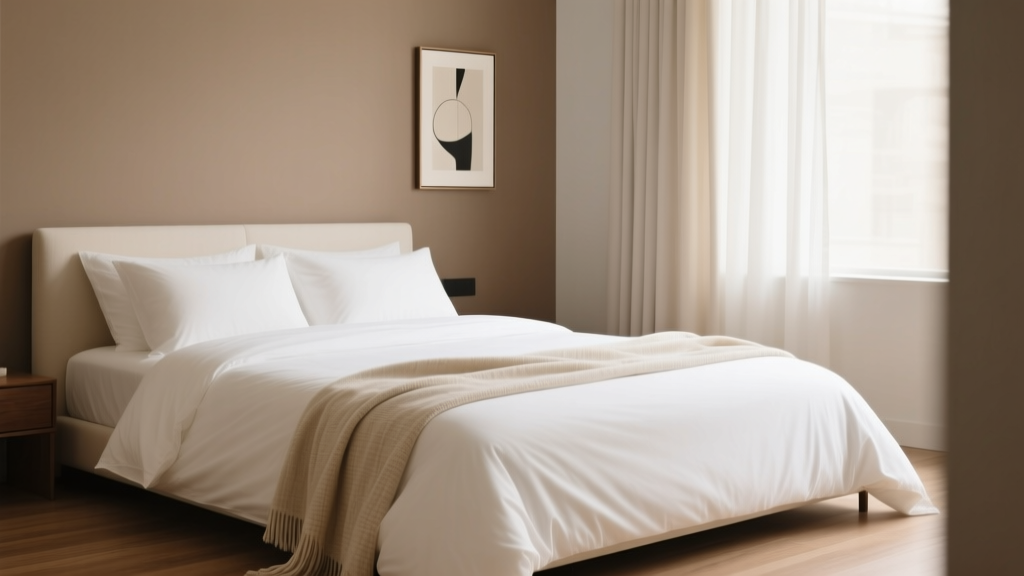 How to Choose Bedroom Sheet Thread Count - The Decor Mag