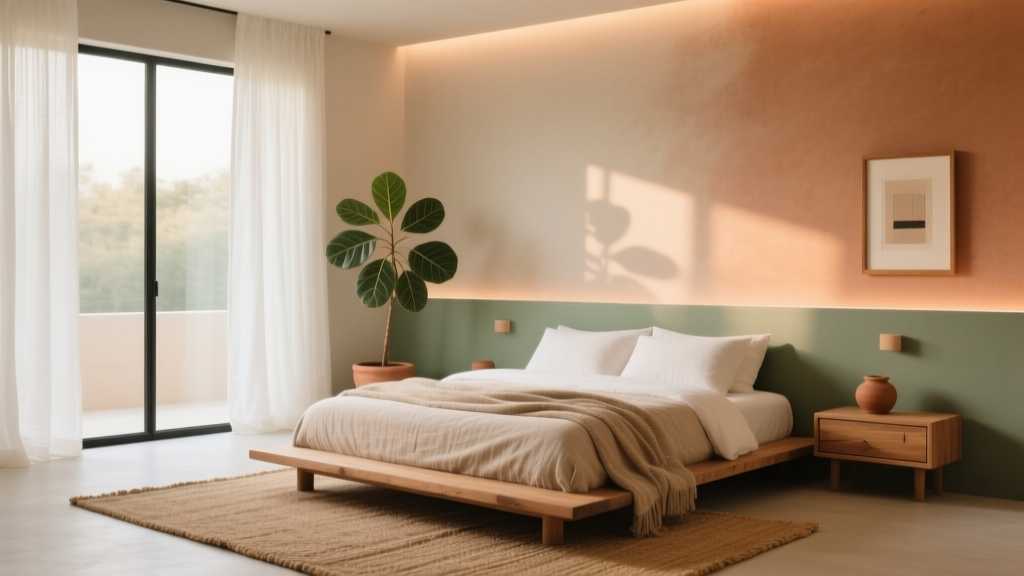
How to Style a Bedroom with Earth Tones - The Decor Mag
Earth tones have a quiet way of telling the nervous system, “You’re safe here.” When your bedroom supports that message—through color, texture, lighting, and a thoughtful layout—your body can shift more easily from alertness to rest. That’s why bedroom design isn’t just an aesthetic choice; it’s part of building a sleep-friendly environment that helps you fall asleep faster, stay asleep longer, and wake feeling more restored.
For homeowners and renters alike, earth-tone bedroom decor offers something especially valuable: it’s forgiving, timeless, and adaptable to many styles. Warm neutrals and grounded hues soften visual clutter, reduce harsh contrast, and create a cocoon-like atmosphere. Whether you’re working with a small apartment bedroom or a spacious primary suite, the same principles apply—calm the palette, layer natural materials, and keep the room’s “energy” low and steady.
This guide breaks down practical ways to style a bedroom with earth tones—down to specific paint families, bedding materials, lighting temperatures, and budget ranges—while keeping sleep quality and wellbeing at the center.
What Counts as “Earth Tones” in Bedroom Design?
Earth tones are colors inspired by nature: soil, stone, clay, sand, bark, and foliage. In bedroom design, they work best when you choose a base neutral and add 1–2 supporting hues, then repeat those tones across textiles, furniture, and decor for a cohesive look.
Earth-tone color families that feel restful
- Warm whites and creams: ivory, oatmeal, linen, ecru
- Beiges and tans: sand, camel, mushroom, greige (warm-leaning)
- Browns: walnut, cocoa, chestnut, espresso (best used as accents)
- Terracottas and clays: sunbaked clay, cinnamon, rust (use in measured amounts)
- Greens: sage, olive, moss, eucalyptus
- Muted blues: dusty slate, stormy blue-gray (works well with warm woods)
- Soft blacks: charcoal, iron, warm black (for contrast, not dominance)
How earth tones support a sleep-friendly mood
- Lower visual stimulation: fewer sharp contrasts helps your brain settle
- Warmth without chaos: cozy tones can feel inviting without being overly energizing
- Easy coordination: a simplified palette reduces the “busy” feeling that can keep you mentally alert
Start with a Calm Base: Walls, Floors, and Window Treatments
If you want your bedroom to feel cohesive, start with the largest surfaces. These set the “background noise” of the room.
Wall color recommendations (and renter-friendly alternatives)
- Warm off-white: ideal for small bedrooms and low-light rooms; pairs with wood and linen effortlessly
- Mushroom or warm greige: a sophisticated neutral that hides scuffs and feels cozy
- Soft sage: calming and nature-forward, especially good for bedrooms with plants and natural wood
- Clay/terracotta accent wall: use behind the headboard for a grounded focal point
Budget ranges:
- Paint: $35–$80 per gallon (mid-range brands); plan for 1–2 gallons for most bedrooms
- Peel-and-stick wallpaper (earth-tone textures or subtle patterns): $40–$150 per roll
- Removable wall decals/murals: $30–$120
Flooring and rugs: soften sound, warm the room
Hard surfaces reflect sound and can make a bedroom feel “sharp.” A rug adds both comfort and acoustic softness—two underrated contributors to a better sleep environment.
- Best rug materials: wool (naturally resilient and insulating), cotton (budget-friendly), jute/sisal blends (textural but can feel rough—layer with a softer rug if needed)
- Earth-tone rug colors: oatmeal, sand, taupe, warm gray, muted terracotta, olive accents
- Size tip: aim for an 8’x10’ under a queen bed when possible; at minimum, use a 6’x9’ so your feet land on something soft
Budget ranges: $150–$400 (synthetic blends), $400–$1,200 (wool), $80–$200 (layering rugs or runners)
Window treatments that support sleep
Light control is a cornerstone of sleep wellness. Earth-tone curtains can look airy by day while still blocking glare at night.
- Best for sleep: blackout or room-darkening curtains in linen-look fabrics (oatmeal, flax, warm gray)
- Best for layering: sheer curtain + blackout panel for softness and flexibility
- Hardware: matte black, aged brass, or warm bronze rods complement earth tones
Budget ranges: $40–$120 per panel (mid-range), $150–$300+ per panel (custom linen blends)
Choose Furniture That Feels Grounded (Without Making the Room Heavy)
Earth-tone bedroom furniture is most successful when it’s visually calm and proportionate. Avoid bulky pieces that crowd walkways—tight circulation can subconsciously raise stress and make the room feel less restful.
Best wood tones and finishes for an earth-tone bedroom
- Light to medium woods: oak, ash, birch, acacia—bright, airy, and natural
- Warm medium-dark woods: walnut or teak for a richer, cozy feel
- Finishes to look for: matte or satin (high gloss reflects light and can feel stimulating at night)
Key furniture picks (practical and sleep-friendly)
- Bed frame: upholstered in linen-like fabric (sand, taupe, camel) or wood with a simple headboard
- Nightstands: two small matching or coordinating pieces to reduce visual clutter; choose drawers if your surfaces get messy
- Dresser/storage: low-profile designs maintain an open feel and reduce looming “visual weight”
- Bench or ottoman: at the foot of the bed in boucle, woven fabric, or leather-like upholstery (useful for a bedtime routine basket)
Budget ranges:
- Bed frame: $200–$600 (basic), $700–$1,800 (solid wood or quality upholstery)
- Nightstands: $80–$250 each (budget), $300–$700 each (solid wood)
- Dresser: $250–$800 (mid-range), $900–$2,500 (solid wood)
Layout tips for better rest
- Give the bed visual priority: place it on the strongest wall (typically opposite the door, when possible) to create a sense of security.
- Keep pathways clear: aim for 24–30 inches of walking space on at least one side of the bed.
- Limit “work signals”: if you must keep a desk in the bedroom, position it away from the bed and use a screen, curtain, or bookshelf divider.
- Reduce nighttime decision fatigue: place a small tray on the nightstand for glasses, lip balm, and a book—contained clutter feels calmer.
Layer Bedding in Earth Tones for a Hotel-Calm Look
Bedding is where earth tones shine. It’s also one of the fastest ways to refresh a bedroom without painting or replacing furniture—especially helpful for renters.
Best bedding materials for comfort and temperature regulation
- Cotton percale: crisp, breathable, ideal for hot sleepers
- Cotton sateen: smoother and slightly warmer; good for cooler climates
- Linen: airy, relaxed texture, excellent moisture-wicking
- Wool duvet insert: great temperature regulation (often better than down alternatives for sweaty sleepers)
Budget ranges:
- Sheet set: $50–$120 (good cotton), $140–$300 (premium percale/linen blends), $250–$450 (quality linen)
- Duvet cover: $60–$150 (cotton), $180–$400 (linen)
- Duvet insert: $80–$180 (down alternative), $200–$450 (down), $250–$500 (wool)
Easy earth-tone bedding palettes (choose one)
- Soft neutral: ivory sheets + oatmeal duvet + camel throw
- Sage serenity: warm white sheets + sage duvet cover + flax pillows
- Clay warmth: sand sheets + clay quilt + cocoa accent pillow
- Modern grounded: warm greige bedding + charcoal throw + walnut-toned accents
Layering formula for a styled, sleep-ready bed
- Base: fitted sheet + flat sheet (or skip flat sheet if you sleep better without it)
- Main layer: duvet with a breathable cover
- Texture layer: quilt or blanket folded at the foot (adds weight and visual depth)
- Pillows: 2 sleeping pillows + 2 shams; add 1 lumbar pillow for structure
- Finish: a throw in wool, cotton, or linen for warmth and styling
Lighting: Warm, Dim, and Layered for a Better Sleep Environment
Lighting is often the difference between a pretty bedroom and a truly sleep-supportive bedroom. Overhead lights can feel harsh at night, especially when they’re cool-toned.
Sleep-friendly lighting guidelines
- Bulb color temperature: 2200K–2700K for evening relaxation (warm white)
- Dimmers: install dimmer switches or use dimmable smart bulbs
- Layer your lights: overhead (minimal use) + bedside lamps + optional accent light
Earth-tone lighting fixtures and materials
- Lamp bases: ceramic (sand, terracotta), travertine or stone-look, warm metal (aged brass), matte black for contrast
- Shades: linen or woven shades soften glare and complement natural palettes
- Wall sconces: great for small bedrooms; frees up nightstand space and reduces clutter
Budget ranges:
- Table lamps: $30–$120 (budget), $150–$450 (designer materials)
- Plug-in sconces: $50–$180 per pair
- Smart bulbs: $12–$35 each (look for warm-dimming or circadian settings)
Decor and Texture: Make Earth Tones Feel Rich, Not Flat
Earth-tone bedrooms can sometimes read as “beige” if everything is the same value. The fix is texture—woven, nubby, matte, and natural finishes that create depth without adding visual noise.
Materials that elevate an earth-tone bedroom
- Woven elements: rattan baskets, cane accents, seagrass trays
- Natural textiles: linen curtains, cotton throws, wool rugs
- Stone and clay: ceramic vases, terracotta planters, travertine trays
- Leather (sparingly): a small stool or accent pillow adds warmth and structure
Simple decor ideas that still feel intentional
- Art: landscapes, abstract neutrals, or botanical prints in oak or black frames
- Mirrors: arched or rounded shapes soften the room; place to bounce daytime light, not to reflect the bed if you find that visually stimulating
- Greenery: low-maintenance plants like snake plant or pothos; use a warm clay or stone pot
- Scent: lavender, cedar, or chamomile in a bedside diffuser (lightly scented; strong fragrance can be disruptive)
Sleep Wellness Tips to Pair with Earth-Tone Bedroom Decor
Earth tones set the mood, but the room works best when the environment supports healthy sleep cues.
- Reduce blue light at night: keep screens out of bed; charge your phone across the room to cut scrolling habits.
- Keep the room cool: many people sleep best in a slightly cooler bedroom; use breathable bedding (percale/linen) if you run warm.
- Control noise: add a rug, curtains, and soft textiles; consider a white noise machine if sound wakes you easily.
- Create a “wind-down” station: a small tray with hand cream, book, and eye mask supports a consistent bedtime routine.
- Declutter surfaces: calmer visuals reduce mental stimulation—use closed storage when possible.
Common Mistakes to Avoid with Earth-Tone Bedrooms
- Going too dark everywhere: deep browns and charcoals can feel heavy and cave-like if used on walls, bedding, and furniture all at once. Balance with warm whites and lighter woods.
- Matching everything perfectly: earth tones look best with natural variation. Mix shades of beige, tan, and warm gray for depth.
- Using cool, bright white lighting: 4000K+ bulbs can make even beautiful earth-tone decor feel sterile at night.
- Overloading with busy patterns: a little pattern is fine (a subtle stripe or small organic print), but too many competing prints increases visual “noise.”
- Ignoring texture: a monochrome beige room without texture can look flat. Add linen, wool, ceramics, and woven elements.
- Clutter on nightstands: it’s a small area with big impact. Keep only what supports sleep (lamp, book, water, tray).
FAQ: Earth-Tone Bedroom Styling
What are the best earth tones for a small bedroom?
Warm off-white, light greige, and soft mushroom are especially good for small bedrooms because they reflect light while still feeling cozy. Add depth with a sage throw, a walnut nightstand, or a clay-toned pillow.
How do I make an earth-tone bedroom feel modern?
Use clean-lined furniture, matte black or aged brass accents, and a restrained palette (base neutral + one accent color). A modern earth-tone bedroom often features layered textures rather than lots of decor.
Can I use earth tones if I prefer a cooler look?
Yes. Choose stone-inspired shades like warm gray, taupe, and dusty slate, then add natural oak or walnut to keep the room from feeling cold. Stick to warm, dim lighting to maintain a sleep-friendly atmosphere.
What bedding colors work best with earth-tone walls?
Warm white, oatmeal, flax, and muted sage are easy choices. If your walls are clay or terracotta, balance with creamy bedding and bring the deeper color in through a throw or accent pillow.
How can renters add earth tones without painting?
Focus on removable changes: earth-tone bedding, a large rug, linen-look curtains, peel-and-stick wallpaper behind the bed, and warm lighting. Even switching bulb temperature to 2700K can change the room’s mood dramatically.
Do earth tones help with sleep?
They can. Earth tones tend to lower visual stimulation and create a calmer bedroom design, which supports relaxation and a consistent wind-down routine. Pair the palette with warm lighting, reduced clutter, and comfortable bedding for the strongest sleep benefits.
Next Steps: A Simple Earth-Tone Bedroom Plan You Can Do This Weekend
- Pick a base neutral: warm white, mushroom, or warm greige for walls or bedding.
- Choose one accent hue: sage, clay, or walnut—then repeat it 2–3 times across the room.
- Upgrade the lighting: swap bulbs to 2200K–2700K and add a bedside lamp or plug-in sconce.
- Add texture: a wool or cotton rug, a linen throw, and one ceramic or woven decor piece.
- Refine the nightstand: clear clutter, add a tray, and keep essentials within reach to support your bedtime routine.
Earth-tone bedroom decor is less about following rules and more about creating a grounded, gentle space that helps your body recognize it’s time to rest. For more calming bedroom design ideas, sleep-friendly styling tips, and decor inspiration, explore the latest guides on thedecormag.com.
More Articles
 How To Start Living Room Ideas: A Practical, Step-by-Step Framework for Real Homes
 Best Bedroom Bedside Carafe and Glass - The Decor Mag
 How to Create a Bedroom for Deep Rest - The Decor Mag
Wood for Practical Bedroom Use: Durability, Maintenance, and Real-World Performance Data
How to Create a Bedroom for Deep Rest - The Decor Mag
Wood for Practical Bedroom Use: Durability, Maintenance, and Real-World Performance Data
 How to Layer Bedding Like a Designer - The Decor Mag
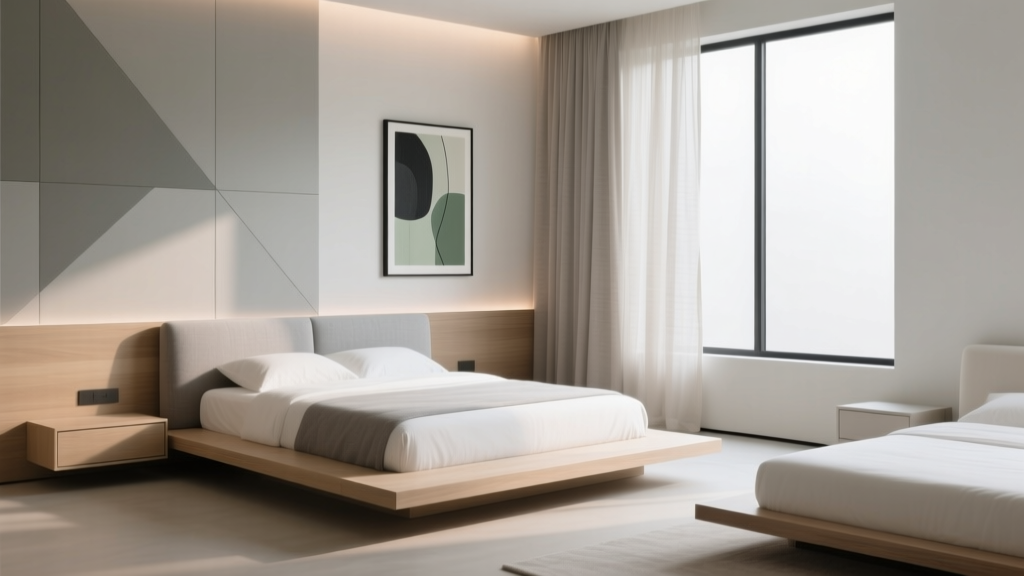 Bedroom Low Profile Bed Frame Styles - The Decor Mag
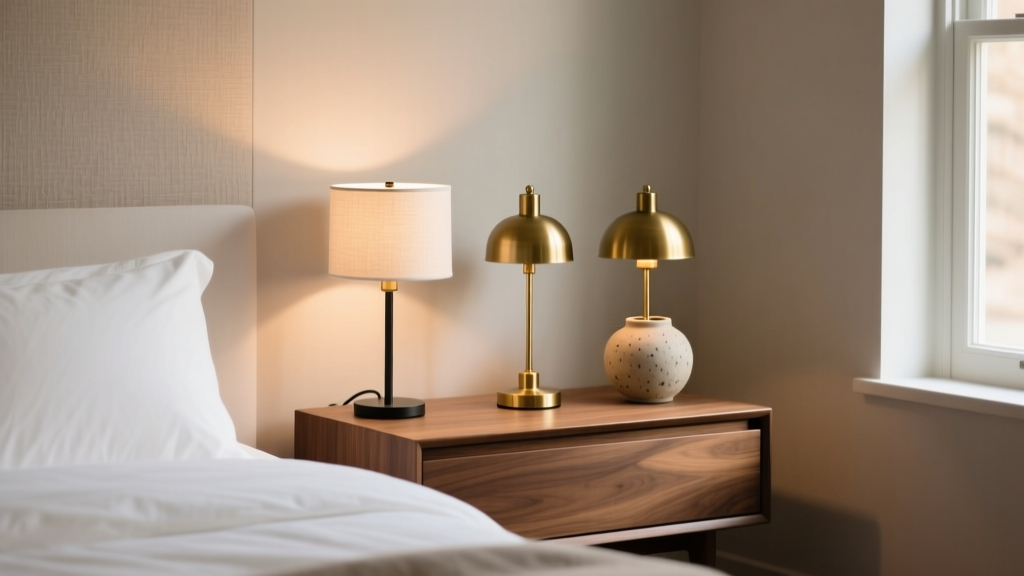 Best Bedroom Lamp Styles for Nightstands - The Decor Mag
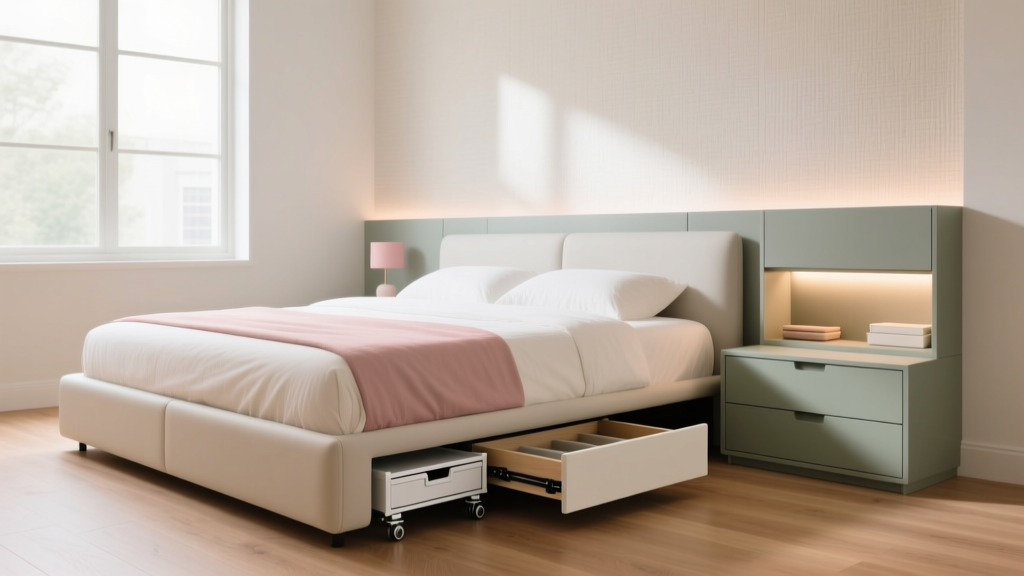 Best Bedroom Storage Solutions Under Bed - The Decor Mag
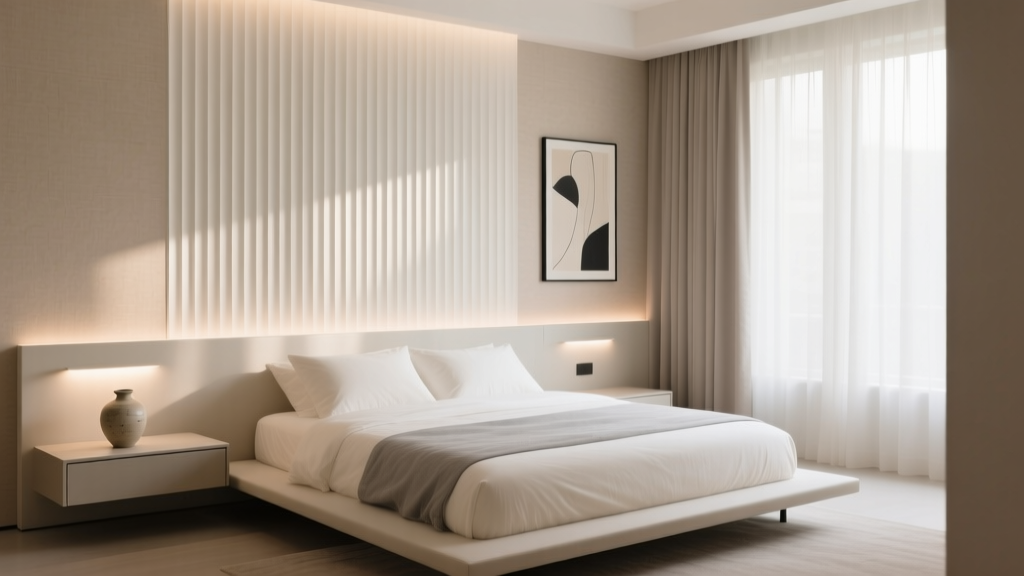 Bedroom Fluted Accent Wall Behind Bed - The Decor Mag
 Best Bedroom Sleep Tracking Device Spot - The Decor Mag