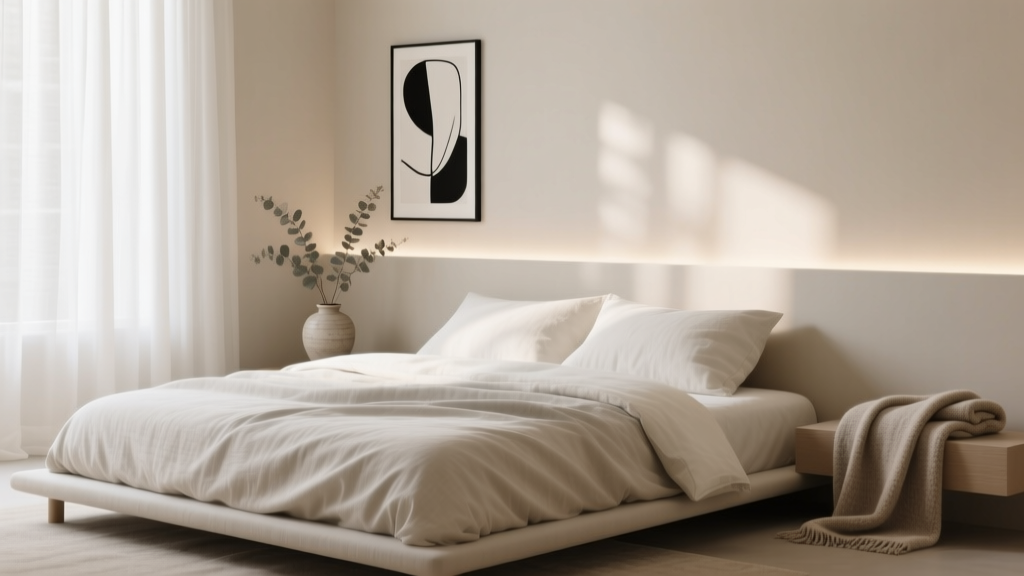
Bedroom Washed Linen Bedding Styling - The Decor Mag
There’s a reason washed linen bedding keeps showing up in the most restful-looking bedrooms: it quietly signals ease. The softly rumpled texture, breathable weave, and muted color palette create a space that feels lived-in without feeling messy—exactly the mood that supports better sleep. When your bed looks inviting, you’re more likely to keep a consistent wind-down routine, and routine is one of the strongest cues your brain uses to shift into sleep mode.
Bedroom design affects sleep quality in practical ways: temperature regulation, light exposure, noise, clutter, and even how “visually busy” your space feels. Washed linen works with these wellness basics. It helps manage heat and humidity, feels gentle on skin, and looks best when styled simply—encouraging calmer choices across the room, from lighting to layout.
This guide walks through how to style washed linen bedding in a way that looks elevated, feels comfortable year-round, and supports a soothing sleep environment—whether you’re furnishing a primary bedroom, guest room, or a small rental space.
Why Washed Linen Works for a Better Sleep Environment
Breathability and temperature comfort
Linen is made from flax fibers, naturally breathable and moisture-wicking. Washed linen (pre-softened and pre-shrunk) tends to feel less crisp and more relaxed right out of the package. For hot sleepers and fluctuating seasons, this can help reduce night sweats and overheating—two common disruptors of deep sleep.
- Best for: warm sleepers, humid climates, summer nights, layered bedding in winter
- Feel: textured, airy, softens with each wash
- Sleep tip: Pair linen sheets with a breathable mattress protector (cotton or Tencel) to keep the whole bed cooler.
The visual calm of “effortless” texture
A bedroom that feels visually calm can reduce mental stimulation at bedtime. Linen’s gentle rumple reads as intentional texture, so you can skip overly fussy styling. That simplicity supports a cleaner, less cluttered bedroom design—one of the easiest ways to make a sleep-friendly space.
Choosing Washed Linen Bedding: What to Buy and What to Look For
Start with the right core pieces
For the most versatile styling, build your bedding from a few foundational layers:
- Washed linen sheet set (fitted + flat + pillowcases) or just pillowcases if you’re testing linen first
- Linen duvet cover (or a cotton percale duvet cover if you prefer a smoother feel)
- Insert/duvet chosen for your climate: lightweight for warm sleepers, all-season for most homes
- One breathable blanket (linen, cotton waffle, or lightweight wool)
- 2–4 pillows for sleep + optional decorative cushions that don’t take over the bed
Material and construction recommendations
Not all linen is created equal. These details help you get bedding that lasts and feels good:
- 100% flax linen for classic breathability and durability
- Stone-washed or garment-washed for softness and less shrink risk
- Mid-weight linen (often around 160–190 GSM) for year-round use
- Envelope closures on pillowcases for a tidier look
- Corner ties inside duvet covers to keep inserts from shifting
Budget ranges (realistic expectations)
Washed linen bedding is an investment, but you can phase it in:
- Budget: $90–$180 for linen pillowcases or a basic duvet cover on sale (quality varies; check return policies)
- Mid-range: $200–$350 for a duvet cover; $250–$450 for a full sheet set
- Premium: $400–$700+ for a sheet set; $350–$600+ for a duvet cover with refined finishing
Practical approach: If you’re on a budget, buy linen pillowcases first (your skin touches them most), then upgrade the duvet cover, then the sheets.
Washed Linen Bedding Styling: The Calm Layering Formula
1) Choose a base color that supports rest
For sleep-friendly bedroom decor, start with a base color that feels quiet. Linen takes dye in a slightly muted way, which makes it ideal for a soft palette.
- Best calming neutrals: warm white, oatmeal, sand, stone, flax, mushroom
- Soft colors that still feel grounded: sage, dusty blue, clay, muted blush, fog gray
- Moody but soothing: deep olive, ink blue, charcoal (use with warm lighting)
Sleep-friendly tip: If your mind races at night, limit high-contrast patterns near the bed. Keep prints subtle (a thin stripe or small check) and let texture do the work.
2) Build three layers: sheet, duvet, blanket
This simple structure looks styled and keeps temperature control flexible:
- Sheet layer: washed linen for breathability
- Duvet layer: linen duvet cover with an insert matched to your room temperature
- Top layer: a throw blanket folded at the foot (linen, cotton waffle, lightweight wool, or cashmere blend)
Pro styling note: Linen looks best with a slightly oversized duvet insert (often one size up) if your duvet cover brand allows it. It creates a plush, hotel-like drape without needing extra decorative pillows.
3) Mix textures, not chaos
Washed linen pairs beautifully with other natural materials. Keep the palette cohesive and vary texture instead:
- Add softness: cotton matelassé coverlet, brushed cotton blanket
- Add structure: wool throw, boucle cushion (one is enough)
- Add warmth: a knit throw in a similar tone
- Avoid overload: too many chunky weaves can look heavy and trap heat
4) Keep pillows functional and minimal
Pillows should support sleep first and styling second. A clean, sleep-forward setup:
- 2 sleeping pillows (one per person)
- 2 shams in linen (optional, or swap for larger euro shams if you like back support for reading)
- 1 accent cushion maximum if you enjoy it—choose a calm color and easy-to-remove shape
Wellness tip: If allergies affect your sleep, use allergen-resistant pillow protectors under linen pillowcases and wash pillowcases weekly.
Bedroom Design Elements That Make Linen Look (and Feel) Even Better
Furniture: simple silhouettes and warm materials
Washed linen is relaxed, so it pairs best with furniture that feels grounded rather than ornate. Look for clean lines and tactile finishes.
- Bed frame: upholstered headboard (linen-look fabric), oak or walnut platform bed, or a simple painted wood frame
- Nightstands: wood, rattan, or painted nightstands with closed storage to reduce visual clutter
- Bench at the foot: wood or upholstered bench for folded throws and tomorrow’s outfit (keeps clothes off the floor)
Budget guide: nightstands ($80–$250 each), platform bed ($250–$900), upholstered headboard ($200–$700), bench ($120–$450).
Lighting: the difference between cozy and chaotic
Lighting is one of the strongest drivers of a sleep-friendly bedroom. Linen’s texture looks best in warm, layered light.
- Bedside lamps: warm-white bulbs (2700K), fabric or paper shades for diffuse glow
- Wall sconces: great for small bedrooms and rentals (plug-in options available)
- Overhead lighting: dimmable if possible; avoid harsh, cool LEDs
- Evening routine upgrade: add a low-lumen lamp or salt-lamp-style glow (true salt lamps vary; focus on warm, dim light)
Sleep tip: Put lamps on a dimmer plug or smart bulb schedule so light gently decreases in the hour before bed, supporting melatonin release.
Color and wall treatment: create a soft backdrop
Washed linen shines against calm wall colors and matte finishes.
- Paint finishes: matte or eggshell reduce glare
- Best wall colors for linen bedding: warm white, creamy beige, pale greige, muted sage, soft clay
- Accent wall idea: a slightly deeper tone behind the headboard (olive, slate blue, warm charcoal) to make neutral linen pop
Rugs and curtains: quiet comfort for the senses
Textiles beyond the bed affect acoustics and temperature, both tied to sleep quality.
- Rug: wool or wool-blend for warmth and sound absorption; low-pile if you have allergies
- Window treatments: blackout curtains or a blackout roller shade layered with linen curtains
- Best curtain look with linen bedding: off-white linen curtains that puddle slightly (or just kiss the floor for a cleaner feel)
Budget guide: blackout shades ($40–$180 per window), curtains ($40–$250 per panel depending on fabric), rugs ($150–$800+).
Layout Tips: Styling Linen in Small Bedrooms and Rentals
Make the bed the calm focal point
- Center the bed on the main wall when possible for visual balance.
- Leave breathing room on both sides (even 18–24 inches helps movement feel easier).
- Use matching bedside lighting to reduce “lopsided” visual noise.
Use linen to soften rental constraints
If you can’t paint or swap flooring, linen becomes your mood-setter:
- Choose a linen duvet cover in a color that complements existing wall tones.
- Add a removable plug-in sconce to upgrade lighting without wiring.
- Layer in a large rug to cover unattractive carpet and dampen sound.
Sleep-Friendly Wellness Tips to Pair with Washed Linen Bedding
- Keep the room cool: aim for a slightly cool bedroom; linen helps regulate comfort as temperature changes overnight.
- Reduce clutter in your sightline: what you see from the bed affects how quickly you unwind. Use baskets, closed nightstands, or under-bed storage.
- Choose calming scent carefully: a light lavender or chamomile linen spray can signal bedtime, but avoid heavy fragrances if you’re sensitive.
- Prioritize noise control: a rug, curtains, and upholstered headboard can soften echo; white noise can help if your home is loud.
- Wash routine: clean sheets can improve bedtime comfort. Wash pillowcases weekly; sheets every 1–2 weeks depending on allergies and climate.
Common Mistakes to Avoid When Styling Washed Linen Bedding
- Over-accessorizing the bed: too many pillows and throws look busy and make bedtime feel like a chore.
- Choosing the wrong duvet insert: a too-warm insert cancels linen’s breathability. Match fill weight to your room, not the season on the calendar.
- Mixing too many undertones: keep warm neutrals with warm neutrals, cool grays with cool grays. Linen’s muted color can look “off” next to the wrong white.
- Using harsh lighting: cool, bright LEDs flatten linen’s texture and can interfere with sleep onset.
- Expecting linen to look perfectly crisp: the relaxed rumple is the charm. If you want a neater look, smooth with your hands after making the bed and embrace gentle texture.
- Skipping protectors: linen is durable, but protectors extend the life of pillows and mattress—especially if you snack in bed or have pets.
FAQ: Bedroom Washed Linen Bedding Styling
Is washed linen good for year-round bedding?
Yes. Washed linen is breathable in summer and layers well in winter. For cold months, add a wool blanket or a warmer duvet insert while keeping linen as the top layer for comfort and moisture control.
Does linen bedding help with night sweats?
Linen’s moisture-wicking and airflow can help you feel drier and cooler than many synthetic fabrics. Pair it with a breathable mattress protector and avoid overly warm duvet inserts for best results.
How do I make linen bedding look neat without ironing?
Shake the duvet after drying, make the bed while the fabric is still slightly warm, and smooth it with your palms. A simple fold at the top and one structured throw at the foot keeps it intentional.
What colors work best for a calming bedroom with linen?
Warm whites, oatmeal, sand, stone, and muted greens/blues are reliable for a relaxing sleep environment. If you prefer darker rooms, charcoal or deep olive can feel cozy when paired with warm lighting.
How often should I wash washed linen sheets?
Pillowcases weekly is ideal. Sheets every 1–2 weeks works for most people, more often if you have allergies, sweat heavily, or share the bed with pets.
What’s the best bedding pairing with linen if I don’t like scratchy textures?
Choose “garment-washed” or “stone-washed” linen and give it a few wash cycles to soften further. If you still prefer smoothness, use a cotton percale sheet set with a linen duvet cover for the look, plus a softer feel against skin.
Next Steps: Create Your Linen-Styled Sleep Sanctuary
Start with one calming choice: a washed linen duvet cover in a soothing neutral or muted color. Add one breathable layer (a cotton waffle or wool throw), then focus on warm, dimmable lighting and a clutter-minimizing nightstand setup. These small shifts create a bedroom decor story that looks relaxed and supports real rest—cooler sleep, quieter visuals, and a bed you’ll actually look forward to.
For more practical bedroom design ideas, bedding guides, and sleep-friendly decor inspiration, explore the latest on thedecormag.com.
More Articles
 Bedroom Textured Plaster Headboard Wall - The Decor Mag
 Best Bedroom Sound Machine Placement - The Decor Mag
 How to Create a Bedroom That Feels Peaceful - The Decor Mag
 How to Create a Bedroom That Feels Serene - The Decor Mag
 Bedroom Warm Plaster Nightstand Finish - The Decor Mag
 Best Bedroom Sleep Spray Collection - The Decor Mag
 Bedroom Layout Common Mistakes: What 92% of Homeowners Get Wrong (And How to Fix Them)
 How to Create a Bedroom That Promotes Rest - The Decor Mag
 How to Style a Bed Like a Hotel - The Decor Mag
 Best Bedroom Chandelier Styles - The Decor Mag