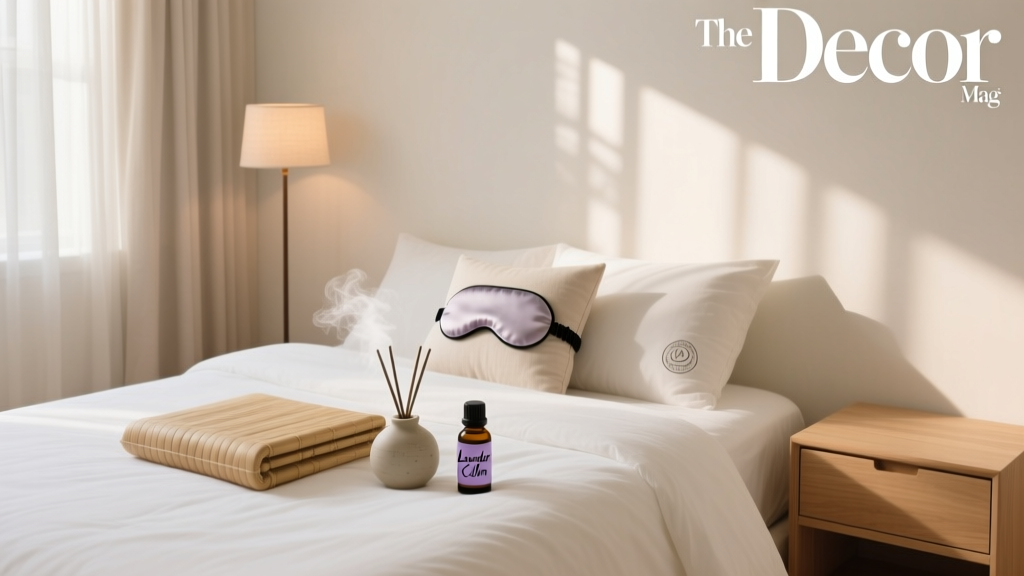
Best Bedroom Sleep Hygiene Essentials - The Decor Mag
Your bedroom isn’t just where you sleep—it’s where your nervous system downshifts, your mind releases the day, and your body does its most important recovery work. When the space is noisy, bright, cluttered, or uncomfortable, sleep becomes lighter and more fragmented. Over time, that can affect mood, energy, focus, and even how motivated you feel to care for your home.
The good news: you don’t need a full renovation to build a sleep-friendly bedroom. A few well-chosen sleep hygiene essentials—thoughtful furniture, the right bedding materials, lighting that supports your circadian rhythm, and a calm layout—can dramatically improve your sleep environment. The best bedroom design for sleep is practical, quiet, and consistent, so your brain learns: this space equals rest.
Below you’ll find the most effective bedroom sleep hygiene essentials, with specific product types, material recommendations, layout strategies, and realistic budget ranges—designed for both homeowners and renters.
What “Sleep Hygiene” Really Means (and Why Design Matters)
Sleep hygiene is a set of habits and environmental cues that help you fall asleep faster and stay asleep longer. While routines matter, your bedroom decor and sleep environment can either support those routines or undermine them.
- Light signals your brain when to be alert or sleepy.
- Sound affects how often you micro-wake (even if you don’t remember).
- Temperature and bedding influence comfort and deep sleep.
- Clutter and layout can increase stress and mental “noise.”
Think of your bedroom as a gentle system: every choice—mattress support, curtain opacity, color palette, and even nightstand height—either reduces friction at bedtime or adds it.
Start with the Foundation: Bed, Mattress, and Support
1) Choose a sturdy, quiet bed frame
A squeaky frame can create subtle sleep disruptions. Look for a solid platform bed or a frame with a reinforced center support (especially for queen/king sizes). Upholstered frames can also soften sound and visually “warm” the room—helpful for a cozy, sleep-forward bedroom design.
- Best materials: solid wood, powder-coated steel with center legs, upholstered frames with dense padding
- What to avoid: thin slats, missing center support, loose hardware, frames that shift on smooth flooring
- Budget ranges:
- Budget: $150–$350 (basic metal or simple wood platform)
- Mid-range: $350–$900 (solid wood, better hardware, upholstered options)
- Investment: $900–$2,000+ (premium joinery, designer upholstery, adjustable compatibility)
2) Mattress and topper: comfort + temperature balance
Your mattress is the most important sleep purchase. If a new mattress isn’t in the budget, a quality topper can make a meaningful difference—especially for pressure relief and temperature comfort.
- Hot sleepers: latex or hybrid mattresses, breathable coil support, cooling mattress protectors
- Side sleepers: pressure-relieving foam comfort layers (look for medium/medium-soft feel)
- Back sleepers: medium to medium-firm support with gentle contouring
- Budget ranges:
- Mattress topper: $80–$300 (memory foam, latex, or fiberfill)
- Quality mattress: $600–$1,800 (many strong options in this range)
- Premium mattress: $1,800–$3,500+ (advanced cooling, zoning, higher-end materials)
Bedding Essentials: Materials That Feel Better and Sleep Cooler
The right bedding improves comfort while helping your body regulate temperature—one of the biggest drivers of sleep quality.
3) Sheets: prioritize breathability and feel
- Cotton percale: crisp, cool, breathable—ideal for warm sleepers
- Cotton sateen: smoother and slightly warmer—great for cooler climates
- Linen: temperature-regulating, airy, relaxed texture; softens over time
- Bamboo/viscose blends: often very soft and cool-feeling, but quality varies—check for durable stitching and reputable sourcing
Budget ranges: $40–$120 (budget sets), $120–$250 (mid-range percale/linen blends), $250–$450+ (premium long-staple cotton or high-quality linen).
4) Comforter/duvet + layering system
Instead of one heavy blanket year-round, use layers so you can adjust quickly at night. That reduces overheating—a common cause of wake-ups.
- Best fill types:
- Down or down-alternative (look for breathable cotton shells)
- Wool fill for excellent temperature regulation
- Pro tip: Keep a lightweight throw at the foot of the bed for easy temperature tweaks.
- Budget ranges: $60–$150 (basic down-alternative), $150–$350 (quality duvet inserts), $350–$600+ (premium down or wool).
5) Pillows: align your neck, not just your style
- Side sleepers: medium-high loft, supportive fill (latex, foam, or adjustable shredded fill)
- Back sleepers: medium loft, gentle contour
- Stomach sleepers: low loft, soft fill
- Budget ranges: $25–$60 (basic), $60–$130 (better support/adjustable), $130–$200+ (specialty ergonomic or premium latex)
Lighting Essentials: A Bedroom Lighting Plan for Better Sleep
Lighting is one of the most powerful levers in sleep hygiene. A well-designed sleep environment is bright in the morning and dim, warm, and calming at night.
6) Use layered lighting (not one harsh overhead)
- Ambient: a warm ceiling fixture or shaded floor lamp
- Task: bedside lamps or wall-mounted sconces for reading
- Night lighting: a very dim, low-to-the-ground option for late-night trips (motion-activated is ideal)
7) Choose warm bulbs and dimming control
- Best bulb color temperature for evenings: 2200K–2700K (warm, amber-leaning)
- Add a dimmer: plug-in dimmers for lamps are renter-friendly; hardwired dimmers for homeowners
- Budget ranges:
- Warm LED bulbs: $10–$30 per pack
- Plug-in dimmer: $15–$40
- Bedside lamp: $40–$200+
- Wall sconces (pair): $80–$350+
Sound, Privacy, and Air: Quiet Comfort That Supports Deep Sleep
8) Window treatments: block light, soften sound, add calm
Light pollution can reduce melatonin and interrupt sleep cycles. Treating the windows is one of the fastest ways to improve a bedroom for sleep.
- Best setup: blackout curtains or blackout shades + decorative drapery
- For renters: tension rods, temporary blackout liners, removable shade mounts
- Budget ranges: $25–$80 (basic blackout panels), $80–$200 (thicker curtains with better lining), $200–$600+ (custom shades or layered treatments)
9) Reduce noise: soft surfaces + simple tech
- Textiles that help: area rugs with thick pads, upholstered headboards, heavy curtains
- Helpful tools: white noise machine, fan, or a phone-free sound device
- Budget ranges: rug pad $25–$80, area rug $100–$600+, sound machine $25–$120
10) Air quality and humidity: small upgrades, big relief
- If you wake up congested: consider a HEPA air purifier
- If your skin/throat feels dry: add a quiet humidifier (especially in winter)
- Ideal bedroom temperature: many sleepers do best around 60–67°F, adjusting to preference
- Budget ranges: humidifier $30–$120, air purifier $80–$250+
Colors, Decor, and Layout: Design Choices That Calm the Brain
11) Choose a sleep-friendly color palette
Calming bedroom colors visually lower stimulation. You don’t need to live in beige—just avoid overly intense, high-contrast schemes right where your eyes land at bedtime.
- Best calming colors: soft warm whites, greige, muted sage, dusty blue, clay, gentle taupe
- If you love darker rooms: deep navy, charcoal, or forest green can feel cocooning—balance with warm lighting and soft textiles
- Budget ranges: paint $35–$90 per gallon; peel-and-stick wallpaper $40–$150+ per roll
12) Layout essentials: make the room easy to use at night
Good bedroom layout reduces friction. When the path to bed feels effortless, your body relaxes faster.
- Clear walkways: aim for 24–30 inches where possible along the bed sides
- Nightstand height: roughly level with the top of your mattress for easy reach
- Anchor the bed: place it on the most solid wall you have; avoid blocking vents and windows
- Mirror placement: if reflections bother you at night, angle mirrors away from the bed
13) Declutter with closed storage
Visual clutter can keep your mind “on.” Closed storage is a sleep hygiene essential because it hides reminders of chores and unfinished tasks.
- Best furniture types: dresser with smooth drawers, nightstand with a drawer, storage bench, bed with drawers
- Renter-friendly storage: under-bed bins, lidded baskets, over-door hooks (kept inside closets when possible)
- Budget ranges: under-bed storage $20–$80; nightstand $60–$250; dresser $150–$900+
Bedroom Habits that Pair Well with a Sleep-Friendly Design
Once your bedroom decor supports rest, these simple habits help lock in the benefits:
- Create a “soft landing” zone: a small tray or bowl on the nightstand for rings, glasses, lip balm, and earplugs so bedtime stays tidy.
- Keep screens out of bed: if you use your phone as an alarm, place it across the room or inside a drawer with the volume on.
- Build a consistent pre-sleep lighting cue: dim lamps 60–90 minutes before bed to signal the brain it’s time to downshift.
- Use scent thoughtfully: a light linen spray or diffuser (lavender or cedar) can become a calming association—keep it subtle and discontinue if it irritates you.
Common Mistakes to Avoid
- Overly bright, cool-toned bulbs (4000K+): they can make the room feel alert and clinical at night.
- One overhead light only: harsh lighting creates glare and doesn’t support winding down.
- Too many decorative pillows: they add clutter and a nightly “chore.” Keep what you actually enjoy moving.
- Ignoring noise leaks: a small gap under the door or bare floors can amplify sound—use a door draft stopper and rug pad.
- Messy nightstand “junk zone”: it becomes a visual stress trigger. Add a drawer organizer or lidded box.
- Buying bedding for looks only: scratchy, heat-trapping fabrics can sabotage sleep quality no matter how pretty they are.
FAQ: Bedroom Sleep Hygiene Essentials
What is the most important bedroom upgrade for better sleep?
If you can only choose one, start with light control (blackout curtains or shades) or your mattress support (a comfortable mattress and a quiet, sturdy bed frame). Both have an outsized impact on sleep quality.
What bedding materials are best for hot sleepers?
Cotton percale and linen are top choices for breathability. Pair them with a lighter duvet insert, and consider a cooling mattress protector. Avoid heavy microfiber if you tend to overheat.
How can renters improve a sleep environment without painting or remodeling?
Focus on reversible essentials: blackout curtains, warm bulbs, plug-in dimmers, a rug with a thick pad, under-bed storage, and peel-and-stick options for a calmer palette. These changes can transform bedroom decor and sleep comfort without permanent alterations.
Do I really need blackout curtains?
If streetlights, early sunrise, or a neighbor’s porch light reaches your bed, blackout curtains can reduce night wake-ups and help you sleep later. If you prefer waking naturally, try room-darkening curtains and a sleep mask instead.
What’s the best bedroom lighting for winding down?
Use warm, dimmable lamps (2200K–2700K) at eye level rather than bright overhead lighting. Add a low, amber night light near the floor to navigate without fully waking your brain.
How do I make a small bedroom feel more relaxing?
Choose a simple layout with clear pathways, use closed storage to reduce visual clutter, and keep the palette cohesive (2–3 main colors). In small spaces, calm comes from editing: fewer, softer pieces with better function.
Next Steps: A Simple Sleep Hygiene Shopping and Setup Plan
If you want a clear path forward, tackle your bedroom sleep hygiene essentials in this order:
- Darken the room: blackout curtains/shades + warm bulbs
- Quiet the space: rug pad, soft textiles, white noise if needed
- Dial in comfort: supportive pillows, breathable sheets, layered bedding
- Declutter visually: nightstand with storage, under-bed bins, a simple laundry solution
- Refine the vibe: calming colors, intentional decor, gentle lighting zones
Small, steady upgrades create the biggest change—because a well-designed bedroom teaches your body to relax on cue. For more calming bedroom ideas, sleep-friendly decor tips, and practical layout inspiration, explore the latest guides at thedecormag.com.
More Articles
 Mid-Century Modern Bedroom Furniture Guide - The Decor Mag
 How to Style a Bedroom Around a View - The Decor Mag
 How to Choose Bedroom Furniture Scale - The Decor Mag
 Best Bedroom Tie and Belt Storage - The Decor Mag
 Bedroom Fabric Wrapped Headboard Ideas - The Decor Mag
 How to Incorporate Woven Textiles in Bedroom - The Decor Mag
 Bedroom Low Profile Bed Frame Styles - The Decor Mag
 Bedroom Limewash Ceiling Treatment Idea - The Decor Mag
 Bedroom Warm Limewash Bedroom Walls - The Decor Mag
 Minimalist Bedroom Styling: Simple Ideas (2026)