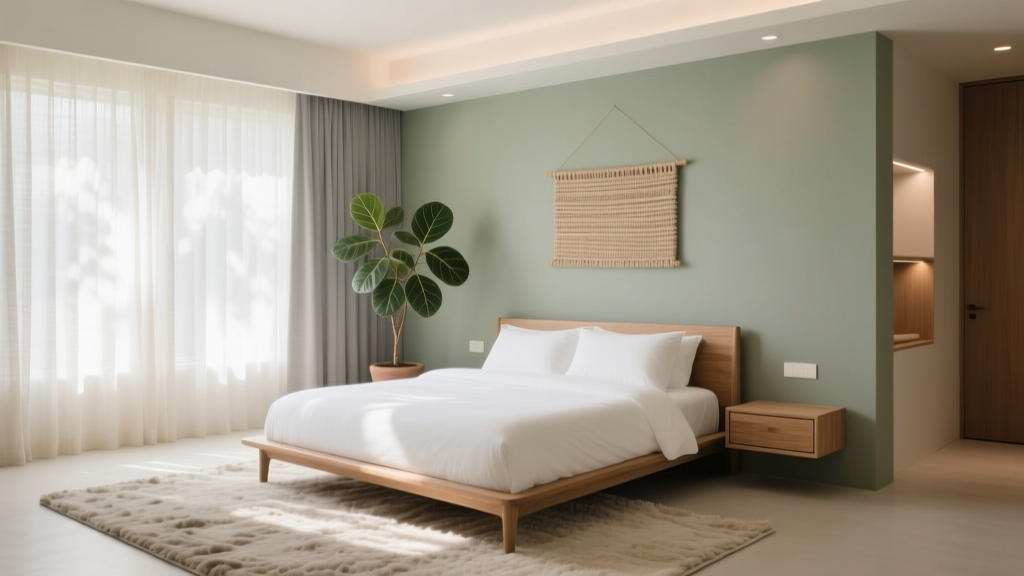
How to Create a Bedroom Sanctuary - The Decor Mag
A bedroom sanctuary is more than a pretty space—it’s an environment that gently supports your nervous system, helps your body transition into rest, and makes quality sleep feel easier to access. When your bedroom design is aligned with comfort, quiet, and calming cues, your brain learns to associate the room with safety and restoration. That association can reduce bedtime “alertness,” shorten the time it takes to fall asleep, and improve overall sleep quality.
For many homeowners and renters, the bedroom becomes a multipurpose zone: storage, work-from-home corner, laundry landing pad, even workout area. The result is visual clutter, inconsistent lighting, and furniture layouts that feel slightly “off.” Small changes—like the right bedside lighting, breathable bedding materials, or a more grounded color palette—can shift the whole sleep environment without requiring a full renovation.
This guide breaks down practical, calming steps to create a bedroom sanctuary using design fundamentals and sleep wellness principles. You’ll find specific recommendations for furniture, bedding, lighting, layout, and decor—plus common mistakes to avoid and budget-friendly ideas that work in real homes.
Start With the Foundation: What a Bedroom Sanctuary Needs
Before choosing paint colors or shopping for new decor, define what “sanctuary” means for your home. The most restful bedrooms tend to share a few non-negotiables:
- Comfort: supportive mattress, soft layers, cozy textures, and ergonomic furniture placement
- Calm: minimal visual noise, soothing colors, and limited distractions
- Control: adjustable lighting, temperature regulation, and privacy
- Consistency: a layout and routine that signals “sleep happens here”
A quick “sanctuary audit” (10 minutes)
- Stand in your doorway and notice what your eye lands on first (clutter, laundry, cords, bright screens?).
- Turn off overhead lights and test your nighttime lighting—can you navigate softly without glare?
- Check the bed: does it invite you in, or does it feel flat, too warm, too scratchy, or too firm?
- Listen: can you hear street noise, HVAC rattles, or hallway sounds that could disrupt sleep?
- Smell: is the room fresh, stale, overly scented, or triggering allergies?
Layout That Supports Rest: Furniture Placement and Flow
Bedroom layout affects sleep because it impacts how safe, spacious, and easy-to-use the room feels. A sanctuary layout prioritizes clear pathways, balanced proportions, and a bed position that feels grounded.
Where to place the bed
- Anchor the bed on a solid wall when possible (not floating awkwardly). This creates a sense of stability.
- Avoid placing the bed directly under a window if drafts, light leaks, or street noise are issues. If it’s your only option, use layered window treatments.
- Keep a clear path on at least one side for ease and reduced “clutter stress.” Ideally, leave 24–30 inches of walking clearance.
- Minimize direct line-of-sight to clutter (open closets, laundry piles). Use doors, curtains, or closed storage to reduce visual stimulation.
Essential bedroom furniture (and what to look for)
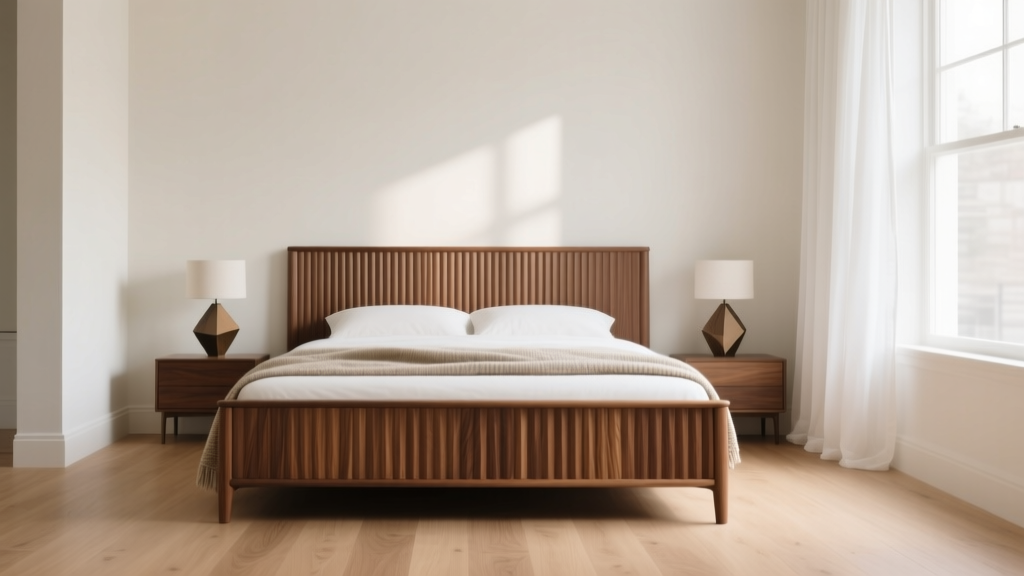
- Bed frame with a supportive base: platform bed or slatted base (check slat spacing per mattress brand). Avoid squeaky frames.
- Nightstands: one on each side if possible; choose drawers or shelves to contain small items.
- Dresser/wardrobe: closed storage beats open shelving for a calmer sleep environment.
- Optional: a small bench or chair for “not-the-floor” clothing placement—this prevents the laundry-chair spiral from taking over.
Budget ranges for furniture upgrades
- Nightstands: $60–$200 each (budget), $200–$600 (mid), $600+ (investment)
- Bed frame: $150–$500 (budget), $500–$1,200 (mid), $1,200+ (investment)
- Dresser/wardrobe: $200–$600 (budget), $600–$1,500 (mid), $1,500+ (investment)
Bedding That Feels Like a Deep Exhale
Bedding is where design and sleep wellness meet most directly. Breathability, texture, and temperature regulation can influence how often you wake up at night. Aim for layers that you can adjust easily through seasons.
Choose the right sheets (material matters)
- Cotton percale: crisp, cool, and breathable—excellent for hot sleepers and summer.
- Cotton sateen: smoother and slightly warmer; a good year-round option for many.
- European flax linen: airy, moisture-wicking, and relaxed-looking; softens over time.
- Tencel™/lyocell: silky, cooling, and great for humidity or sensitive skin.
Look for quality signals: long-staple cotton, durable stitching, and reputable certifications (like OEKO-TEX® for lower chemical residues).
Pillows and comforters: support + temperature balance
- Pillows: match loft to sleep position (lower for stomach sleepers, medium for back, higher for side). Consider adjustable fill if you’re unsure.
- Comforter/duvet: choose by warmth rating (lightweight, all-season, winter). For hot sleepers, consider a breathable duvet insert with a cotton shell.
- Weighted blanket (optional): some people find it calming. A common guideline is 8–12% of body weight; choose breathable covers.
Budget ranges for bedding
- Sheet set: $40–$90 (budget), $90–$200 (mid), $200+ (investment)
- Pillows: $25–$60 each (budget), $60–$150 (mid), $150+ (investment/latex or specialty)
- Duvet insert/comforter: $60–$150 (budget), $150–$350 (mid), $350+ (down or premium alternatives)
Lighting: The Fastest Way to Make a Bedroom Feel Calmer
Lighting is one of the most overlooked elements in bedroom decor—and one of the most powerful for sleep quality. Bright, cool lighting at night can suppress melatonin and keep your brain in “day mode.” A sanctuary uses layered lighting that transitions you toward rest.
The ideal bedroom lighting plan
- Ambient lighting: a soft overhead fixture on a dimmer (or a semi-flush with warm bulbs).
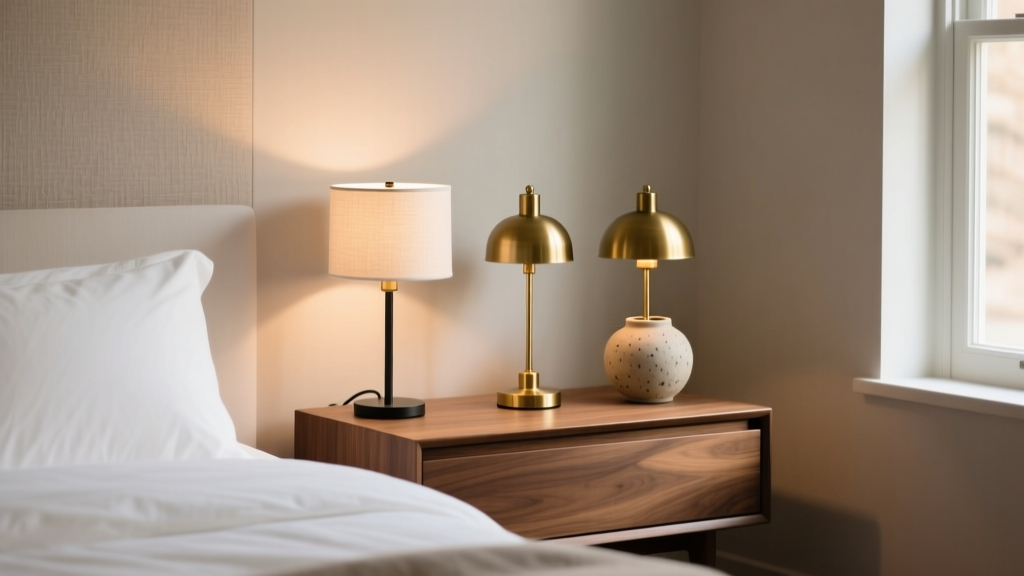
- Task lighting: bedside lamps or wall sconces for reading, ideally with warm color temperature.
- Low night lighting: motion-sensor nightlights or a very low lamp for safe navigation without fully waking up.
Bulb recommendations for a sleep-friendly glow
- Color temperature: 2200K–2700K for evening; avoid 4000K+ in bedrooms.
- Dimmable bulbs: create a “sunset” effect as bedtime approaches.
- Shades: linen, paper, or frosted glass soften glare and reduce harsh shadows.
Color and Texture: Make the Room Visually Quiet
Soothing bedroom colors can reduce visual stimulation and make the space feel more cohesive. The goal isn’t to avoid personality—it’s to create a calm backdrop that supports rest.
Bedroom color palettes that support relaxation
- Warm neutrals: soft ivory, oatmeal, greige, warm taupe
- Muted greens: sage, olive-gray, eucalyptus
- Powdery blues: dusty blue, blue-gray, mist
- Earth tones: clay, soft terracotta, sand
If you love darker colors, consider a moody accent wall behind the bed in a warm charcoal, deep olive, or inky blue—paired with warm lighting to keep it cocoon-like rather than stark.
Texture rules for a sanctuary feel
- Mix matte and soft: boucle, washed linen, cotton, wool, and velvet (sparingly) add depth without clutter.
- Add one grounding element: a wool rug, upholstered headboard, or heavy linen curtains can make the room feel quieter.
- Limit shiny finishes: too many reflective surfaces can feel visually “busy,” especially at night.
Sound, Scent, and Air: Wellness Details That Change Everything
A true sleep sanctuary supports the senses. Small adjustments to noise, air quality, and scent can reduce micro-awakenings and improve how restored you feel in the morning.
Sound: reduce disruptions
- Soft surfaces help: rugs, curtains, and upholstered furniture absorb sound.
- White noise: a dedicated sound machine can mask street noise more consistently than a phone app.
- Door gaps: a simple draft stopper can reduce hallway noise and light.
Air and temperature: set the stage for deeper sleep
- Temperature: many people sleep best in a cool room. Use breathable bedding and a fan if needed.
- Ventilation: crack a window when possible, or use an air purifier if allergens are an issue.
- Humidity: if you wake up dry, a humidifier can improve comfort (especially in winter).
Scent: gentle and intentional
- Keep fragrance subtle: overly strong scents can become irritating or trigger headaches.
- Try linen spray or essential oil blends (lavender, chamomile, bergamot) in low amounts.
- Choose clean-burning options if you use candles, and never leave them unattended. A reed diffuser can be a safer alternative.
Decor That Restores: What to Add (and What to Edit)
Bedroom decor should feel personal, but not visually loud. The best sanctuary rooms include a few meaningful pieces and plenty of breathing room.
Sanctuary decor essentials
- Art that calms: landscapes, abstracts, or photography with soft movement and minimal contrast.
- One or two plants: choose low-maintenance options if you’re not a plant person. Keep soil and watering tidy to avoid gnats.
- A rug under the bed: it adds warmth and helps define the sleep zone—especially in rentals with hard flooring.
- Window treatments: layering sheer curtains with blackout curtains creates both softness and true darkness.
Rental-friendly upgrades that still feel luxurious
- Peel-and-stick wallpaper behind the bed for a soft focal wall
- Plug-in wall sconces to free up nightstand space
- Removable dimmer switches or smart bulbs for lighting control
- Over-the-door hooks and under-bed bins to reduce visible clutter
Common Mistakes That Undermine a Bedroom Sanctuary
- Using one harsh overhead light: it creates glare and a “daytime” feeling at night. Layer your lighting.
- Choosing bedding based only on looks: scratchy or heat-trapping fabrics can disrupt sleep. Prioritize breathability and feel.
- Over-cluttering surfaces: too many decor items and products on nightstands can raise visual stress.
- Skipping window treatments: light leaks can impact sleep quality. Consider blackout curtains or a blackout liner.
- Working in bed every day: it blurs the mental boundary between rest and productivity. If you must, create a clear “work mode” setup and pack it away nightly.
- Ignoring noise and airflow: design isn’t just visual—sound and temperature often matter more than another throw pillow.
A Simple 7-Day Bedroom Sanctuary Plan
- Day 1: Clear nightstands and the floor (remove anything that doesn’t belong in the bedroom).
- Day 2: Upgrade lighting—add warm bulbs and at least one bedside lamp.
- Day 3: Refresh bedding—start with sheets and one cozy layer (throw or quilt).
- Day 4: Add window solutions—blackout curtains or a liner to reduce light.
- Day 5: Improve sound and air—white noise, draft stopper, or air purifier as needed.
- Day 6: Add one grounding decor element—rug, art, or headboard.
- Day 7: Create a bedtime station—book, hand cream, water, and a charging plan away from the bed.
FAQ: Creating a Bedroom Sanctuary
What is the best bedroom color for sleep?
Soft, muted tones tend to support relaxation: warm neutrals, sage green, dusty blue, and gentle earth tones. The best choice is one that feels visually quiet to you and works with warm lighting.
How can I make my bedroom feel like a hotel without spending a lot?
Focus on the “big feel” upgrades: crisp sheets (cotton percale), two supportive pillows per person, a duvet with a cover, matching bedside lamps with warm bulbs, and reduced clutter. Budget-friendly hotel style is often more about editing than buying.
What lighting is best for a sleep-friendly bedroom?
Use warm, dimmable lighting (2200K–2700K) with layered sources: ambient (dimmer overhead), task (bedside lamp/sconce), and very low night lighting for safe movement.
How do I create a calming bedroom in a small space?
Choose closed storage, use a rug to define the bed area, keep surfaces clear, and consider wall-mounted lighting to free nightstand space. A cohesive color palette and minimal decor help a small bedroom feel restful rather than crowded.
Should I remove the TV from my bedroom?
If sleep quality is your priority, yes—screens can keep your brain alert and add light exposure at night. If removing it isn’t realistic, place it out of direct view from bed, set a screen curfew, and use a warm, low-brightness setting.
What bedding materials are best for hot sleepers?
Cotton percale, linen, and Tencel™/lyocell are top choices for breathability and moisture management. Pair them with a lightweight duvet insert and avoid heavy synthetic layers that trap heat.
Your Next Steps: Make One Change Tonight
A bedroom sanctuary isn’t built in a single shopping trip. It’s created through small, supportive decisions that signal rest—warm lighting, breathable bedding, calm bedroom colors, and a layout that feels easy to live in. Choose one upgrade you can do tonight: clear your nightstand, swap in a warmer bulb, or set out a soft layer that makes the bed feel welcoming. Then build from there, one restful detail at a time.
If you’re ready for more calming bedroom decor, smart layout ideas, and sleep-friendly design inspiration, explore more bedroom ideas on thedecormag.com.
More Articles
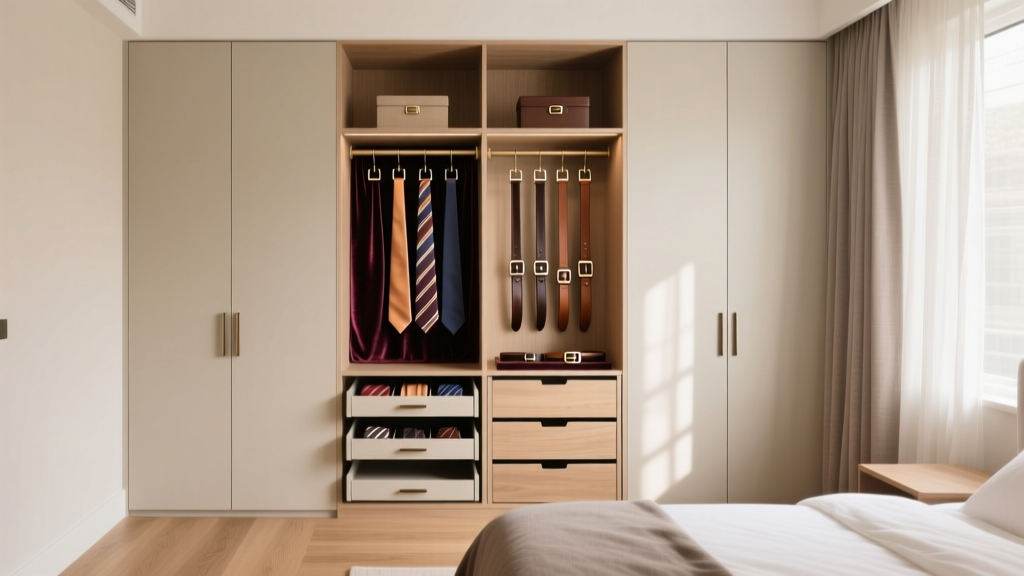 Best Bedroom Tie and Belt Storage - The Decor Mag
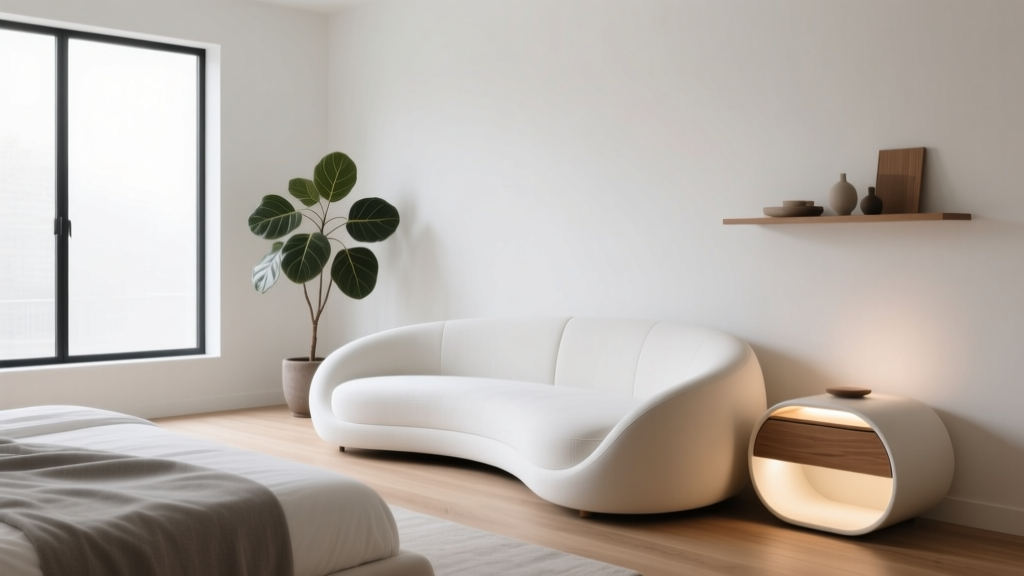 Bedroom Curved Furniture Design Trend - The Decor Mag
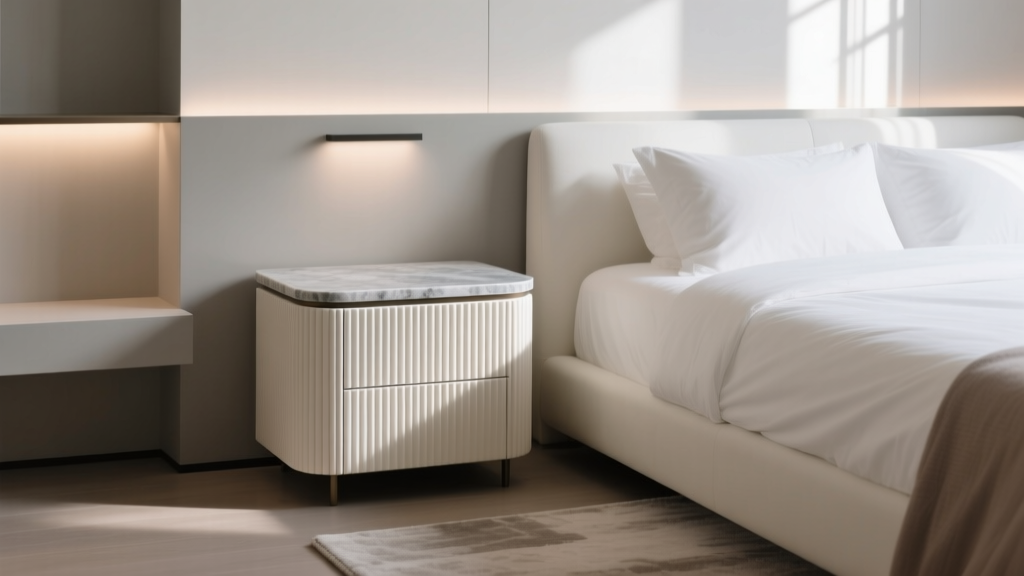 Bedroom Fluted Nightstand with Stone Top - The Decor Mag
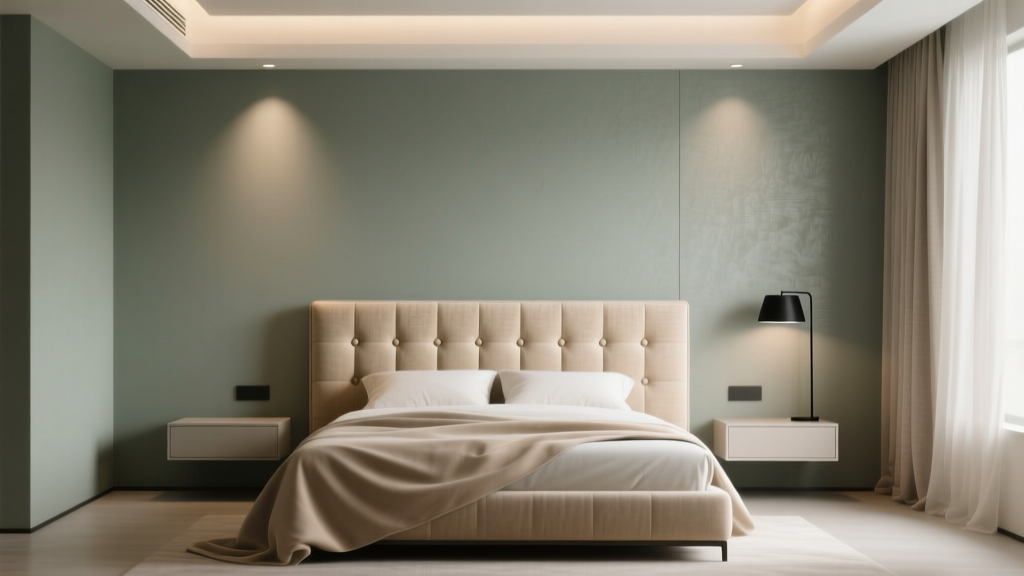 Bedroom Upholstered Headboard Trends - The Decor Mag
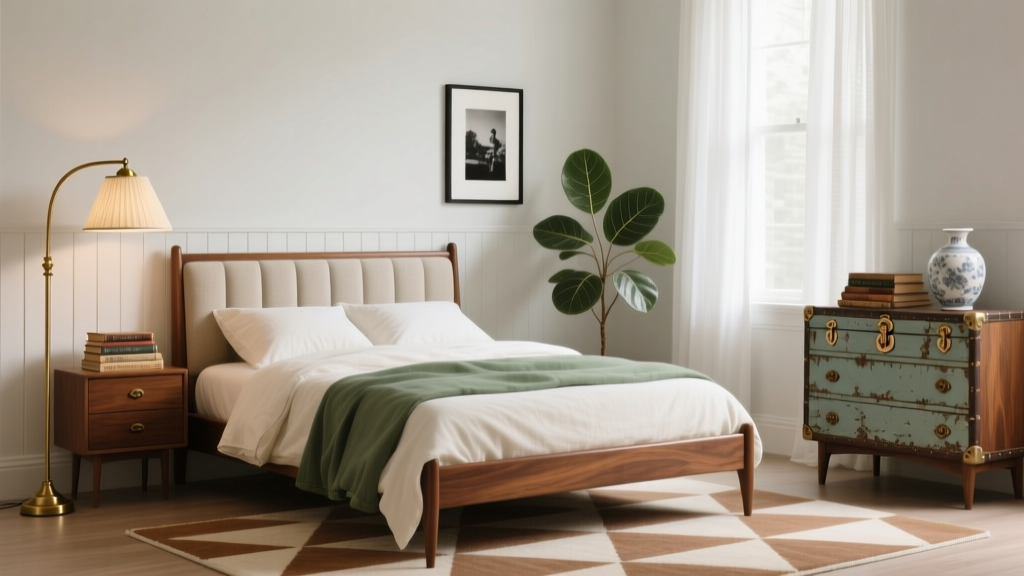 How to Style a Bedroom with Vintage Pieces - The Decor Mag
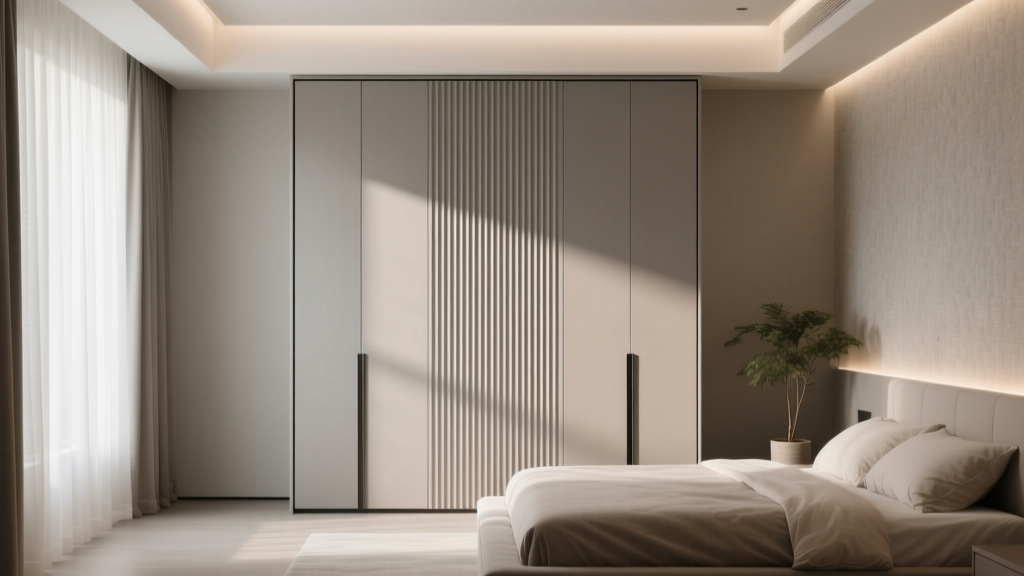 Bedroom Fluted Panel Wardrobe Design - The Decor Mag
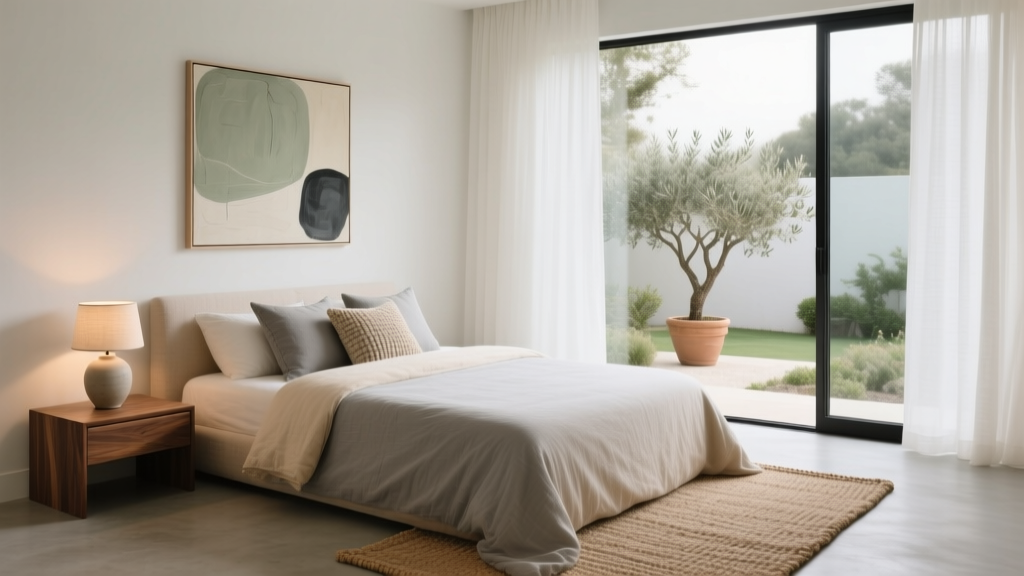 How to Create a Calming Bedroom Retreat - The Decor Mag
 Best Bedroom Lamp Styles for Nightstands - The Decor Mag
 Bedroom Paint for Sleep Quality | The Decor Mag
 Bedroom Fluted Wood Bed Frame Trend - The Decor Mag