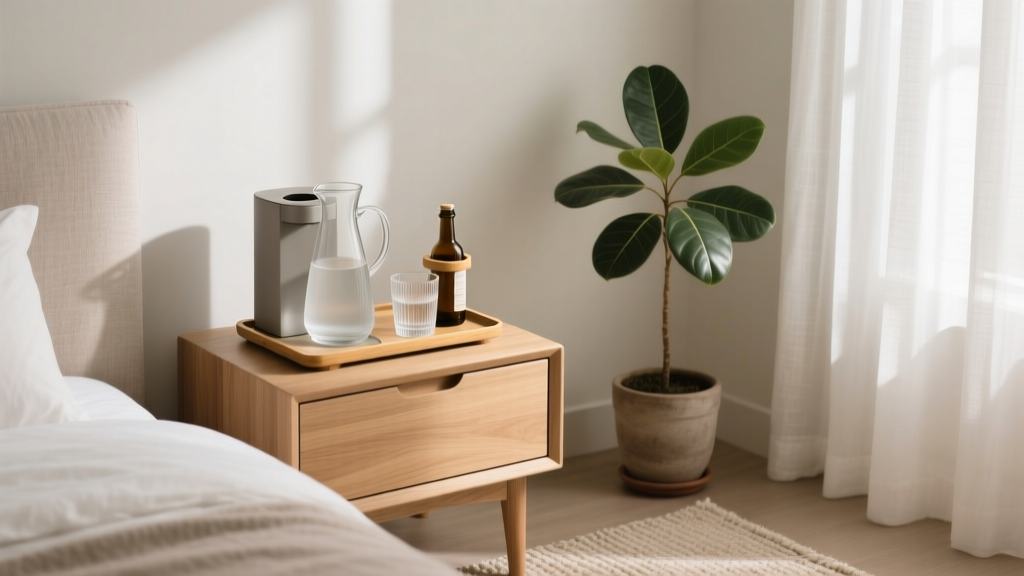
Best Bedroom Bedside Hydration Station - The Decor Mag
Waking up thirsty at 2 a.m. is one of those small disruptions that can quietly chip away at your sleep quality. When your bedroom design supports simple needs—like easy access to water—you’re less likely to fully wake, turn on harsh lighting, or wander to the kitchen and invite your brain into “daytime mode.” A well-planned bedside hydration station is a tiny upgrade with outsized impact on rest, recovery, and overall wellbeing.
Beyond convenience, hydration affects how you feel in the morning: dry mouth, stuffy sinuses, and headaches can be aggravated by dehydrating factors like dry indoor air, alcohol, salty dinners, or certain medications. The goal isn’t to drink a huge amount of water right before bed (which can cause bathroom trips), but to design a calm sleep environment where small sips are easy and soothing—without clutter, spills, or bright screens.
This guide walks through bedroom-friendly hydration station setups—from minimalist nightstands to renter-friendly solutions—along with practical material recommendations, budget ranges, lighting choices, and sleep wellness tips that keep the focus on better rest.
What Makes a Bedside Hydration Station “Sleep-Friendly”
The best bedroom bedside hydration station blends function with a calm aesthetic. It should be easy to reach, quiet to use, low-glare, and tidy enough to keep your nightstand feeling like a restful zone rather than a catch-all.
Core principles
- Reachability: Place water within arm’s reach from your usual sleeping position to avoid sitting fully upright.
- Spill resistance: Choose stable surfaces and containers that won’t tip easily.
- Low stimulation: Avoid bright indicator lights, noisy cooling fans, or anything that invites late-night scrolling.
- Hygiene: Use materials that clean easily and won’t hold odors.
- Visual calm: A station should look intentional—one tray, one vessel, one glass—rather than a cluster of random bottles.
Choosing the Right Setup: 5 Bedroom-Ready Hydration Stations
1) The Minimalist “Carafe + Glass” Nightstand Setup
This is the classic bedside hydration station for a reason: it’s quiet, beautiful, and doesn’t require electricity. It suits nearly any bedroom decor style, from Scandinavian to traditional.
- Best for: Light sleepers, design-focused spaces, small bedrooms
- Recommended materials: Borosilicate glass (durable), ceramic (blocks light), stainless steel (nearly unbreakable)
- Budget range: $20–$80 for a quality set
Design tip: Choose a carafe with a glass that doubles as a lid. It keeps dust out and looks tidy on an open nightstand.
2) The Spill-Proof “Insulated Bottle + Straw Lid” Setup
If you have pets, kids, or a tendency to knock things over, go for a sealed insulated bottle. It keeps water cool and reduces the chance of midnight spills on bedding.
- Best for: Active sleepers, households with pets, renters worried about water damage
- Recommended materials: Stainless steel interior, BPA-free lid components, silicone base or boot for stability
- Budget range: $25–$60
Sleep-friendly detail: Skip bottles with loud flip tops or clanky handles. A quiet twist lid or soft straw valve is more bedroom-appropriate.
3) The “Micro-Tray Station” for Small Nightstands
If your nightstand is narrow (or you don’t have one), a compact tray creates structure and prevents a glass from migrating too close to your phone, book, or lamp.
- Best for: Studio apartments, wall-mounted shelves, narrow nightstands
- Recommended materials: Sealed wood, bamboo with a water-resistant finish, powder-coated metal
- Budget range: $10–$40
What to include: One vessel + one coaster + a small cloth coaster or felt pad under the tray to protect finishes and reduce noise.
4) The “Covered Cup + Warm Sip” Setup
In colder climates or dry seasons, a warm beverage can feel comforting. If you drink herbal tea, choose a covered cup to reduce spills and keep the aroma gentle.
- Best for: Dry winter air, evening wind-down routines, people who prefer warm sips
- Recommended materials: Ceramic mug with silicone lid, double-wall glass, stainless tumbler with a quiet lid
- Budget range: $15–$50
Wellness note: Keep it caffeine-free (peppermint, chamomile, rooibos) to support sleep quality.
5) The “Filtered Pitcher on a Dresser” Alternative
If you dislike refilling small bottles, keep a filtered pitcher nearby—on a dresser or shelf a few steps away. This reduces clutter on the nightstand while still making water accessible.
- Best for: People who drink more water at night, couples sharing a room, larger bedrooms
- Recommended materials: BPA-free pitcher or glass pitcher, matching lidded cups
- Budget range: $30–$120 (depending on filtration type)
Placement tip: Keep it close enough to avoid turning on overhead lights, but far enough to protect electronics on the nightstand.
Furniture & Layout Recommendations for a Calmer Sleep Environment
Your hydration station works best when the surrounding bedroom layout supports ease and relaxation. A thoughtful nightstand setup reduces nighttime friction—no rummaging, no precarious balancing on a book stack.
Nightstand sizing and surface choices
- Width: Aim for at least 14–18 inches if you want space for a lamp, book, and hydration.
- Height: Ideal nightstand height is roughly level with the top of your mattress for easy reach.
- Stable top: A solid, flat surface beats a fabric-topped ottoman or uneven vintage piece.
Best nightstand features for hydration
- Soft-close drawer: Keeps lip balm or electrolytes tucked away without slamming sounds.
- Raised edge or lip: Helps prevent glasses from being nudged off.
- Water-resistant finish: Look for sealed wood, lacquered surfaces, or stone tops that tolerate condensation.
Renter-friendly alternatives
- Wall-mounted bedside shelf: Great for tiny bedrooms; choose one with a front lip.
- Bedside caddy: Fabric or felt organizers that slip under the mattress can hold a sealed bottle.
- Small C-table: Slides partially under the bed for a stable surface without needing floor space.
Materials That Feel Good at Night (and Clean Up Easily)
Texture and sound matter more in the bedroom than most people realize. The goal is a hydration station that’s quiet, non-fussy, and pleasant to touch during a half-awake reach.
Top material picks
- Borosilicate glass: Lightweight, modern, less prone to thermal shock than regular glass.
- Ceramic: Calming, matte options look softer; choose glazed interiors for easy cleaning.
- Stainless steel: Excellent for durability and insulation; choose powder-coated exteriors for a warm, non-clanky feel.
- Silicone accessories: Coasters, boots, and tray liners reduce noise and protect surfaces.
What to avoid for the bedroom
- Thin, top-heavy glasses: They tip easily and can shatter near bare feet.
- Strongly scented plastic: Odors can linger and feel intrusive at night.
- Unsealed wood surfaces: Water rings and swelling are common over time.
Lighting, Color, and Decor Choices That Support Rest
Your bedside area is a major part of your sleep environment. If the hydration station is surrounded by harsh lighting and visual clutter, it won’t feel soothing—even if it’s functional.
Sleep-friendly bedside lighting
- Warm color temperature: Choose bulbs around 2200K–2700K for a softer evening glow.
- Low-level options: A dimmable bedside lamp or a warm-toned night light helps you sip water without fully waking.
- Avoid cool LEDs: Bright white light can signal alertness and disrupt your wind-down routine.
Colors that pair well with a hydration station
- Soft neutrals: Warm white, oatmeal, greige, sand—calm and cohesive.
- Muted nature tones: Sage, dusty blue, clay, mushroom brown—restful and grounding.
- Use contrast sparingly: A single dark tray (walnut or matte black) can make the station feel intentional without visual noise.
Styling that stays practical
Keep decor minimal so water remains the hero. A simple arrangement looks serene and is easier to maintain.
- One small tray
- One vessel (carafe or bottle)
- One glass or cup
- Optional: one small lidded dish for lip balm or throat lozenges
Sleep Wellness Tips: Hydration Without Nighttime Disruptions
Bedroom design and sleep quality are closely connected: the easier your environment is to use in the dark, the more likely you are to stay in a relaxed state. These habits support hydration while protecting uninterrupted rest.
- Front-load hydration: Drink more water earlier in the day, then taper in the 1–2 hours before bed to reduce bathroom trips.
- Take small sips at night: Keep your bedside water for comfort, not “catching up.”
- Manage dry air: If you wake with a dry mouth often, consider a humidifier (kept across the room, on a stable surface) and wash it regularly.
- Rinse, refill, repeat: Make refilling part of your morning routine so fresh water is always ready by evening.
- Keep it cool but not icy: Very cold water can feel stimulating for some people; room temp or slightly cool tends to be gentler at bedtime.
Budget Ranges: What a Great Hydration Station Costs
You can create a polished bedside hydration station at nearly any price point. The best investment is usually stability (spill prevention) and materials that clean easily.
Under $30
- Basic glass carafe + tumbler set
- Bamboo or metal tray
- Silicone coaster
$30–$80
- Insulated stainless bottle with quiet lid
- High-quality borosilicate carafe set
- Upgraded tray (sealed wood, powder-coated steel)
$80–$200
- Filtered pitcher system
- Premium nightstand with a water-resistant top or built-in drawer organizers
- Dimmable bedside lamp with warm bulb
Common Mistakes to Avoid
- Placing water too close to electronics: Keep at least a hand’s width between your hydration station and phone chargers, alarm clocks, or tablets.
- Using an unstable “nightstand substitute”: Stacks of books, wobbly stools, or soft ottomans invite spills.
- Choosing a noisy container: Metal-on-wood clanks and loud lid snaps can wake you or a partner.
- Overcrowding the surface: A cluttered nightstand increases stress and makes it harder to reach water without knocking something over.
- Ignoring cleaning habits: Reused glasses and bottles can develop odors; quick daily rinses make a big difference.
- Drinking large amounts right before sleep: It often leads to nighttime wake-ups that reduce sleep quality.
FAQ: Bedside Hydration Station Basics
What’s better for the bedroom: a carafe or an insulated bottle?
A carafe looks calm and is easy to pour silently, while an insulated bottle is best for spill prevention and keeping water cool. If you’re clumsy at night or share the bed with a pet, a sealed insulated bottle is usually the safer choice.
How do I prevent condensation rings on my nightstand?
Use a coaster (silicone, cork, or felt-backed) and consider a tray with a water-resistant finish. If you prefer cold water, an insulated bottle reduces sweating dramatically.
Is it bad to keep water by the bed overnight?
It’s generally fine for most households, especially in a covered container. For freshness, refill daily and rinse the vessel each morning. If dust or odors are a concern, choose a carafe with a lid or a sealed bottle.
What should I keep next to my water for nighttime comfort?
Keep it minimal: lip balm, tissues, or a small lidded dish with throat lozenges if needed. The more items you add, the easier it is to knock something over during the night.
Where should a hydration station go in a very small bedroom?
If you don’t have space for a full nightstand, use a wall-mounted shelf with a lip, a narrow C-table, or a bedside caddy designed for a sealed bottle. Prioritize stability over style in tight spaces.
Can bedroom color and lighting really affect sleep quality?
Yes. A calm palette and warm, dim lighting help your brain interpret the room as a rest zone. When your bedside area is low-glare and uncluttered, nighttime wake-ups tend to be shorter and less disruptive.
Actionable Next Steps for a Better Bedside Setup
Start small and make it easy to maintain. Choose one hydration style that fits your habits, then build a tidy, quiet zone around it.
- Pick your vessel: carafe + glass (minimal) or insulated bottle (spill-proof).
- Add a coaster or tray to protect your nightstand and visually organize the space.
- Adjust layout: keep water within reach and away from chargers and cords.
- Swap in warm, dimmable lighting to support a calmer sleep environment.
- Create a morning reset: rinse and refill so your bedroom feels fresh every night.
For more calming bedroom design ideas, sleep-friendly decor tips, and practical upgrades that improve rest, explore the latest guides on thedecormag.com.
More Articles
 Beyond the Accent Lamp: 7 Thoughtful, Functional Bedside Alternatives for Modern Bedrooms
 How to Create a Bedroom Color Palette - The Decor Mag
 Antique Bedroom Furniture: Styling Tips (2026)
 How to Choose Bedroom Nightstand Height - The Decor Mag
 Best Bedroom Bench Options for Foot of Bed - The Decor Mag
 How To Start Living Room Ideas: A Practical, Step-by-Step Framework for Real Homes
 How to Create Symmetry in Bedroom Design - The Decor Mag
 How to Choose the Right Bed Frame - The Decor Mag
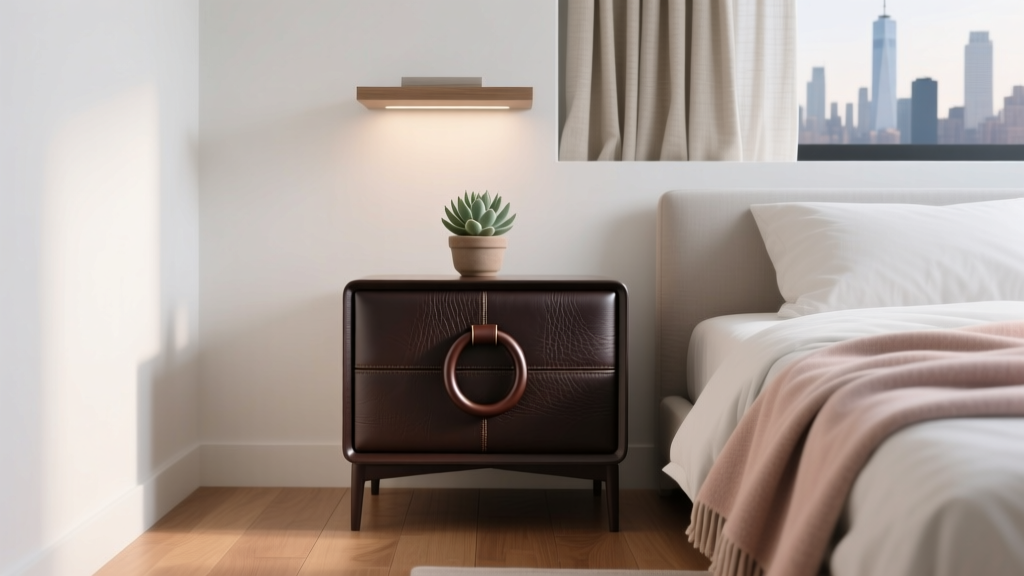 Bedroom Leather Pull Nightstand Handles - The Decor Mag