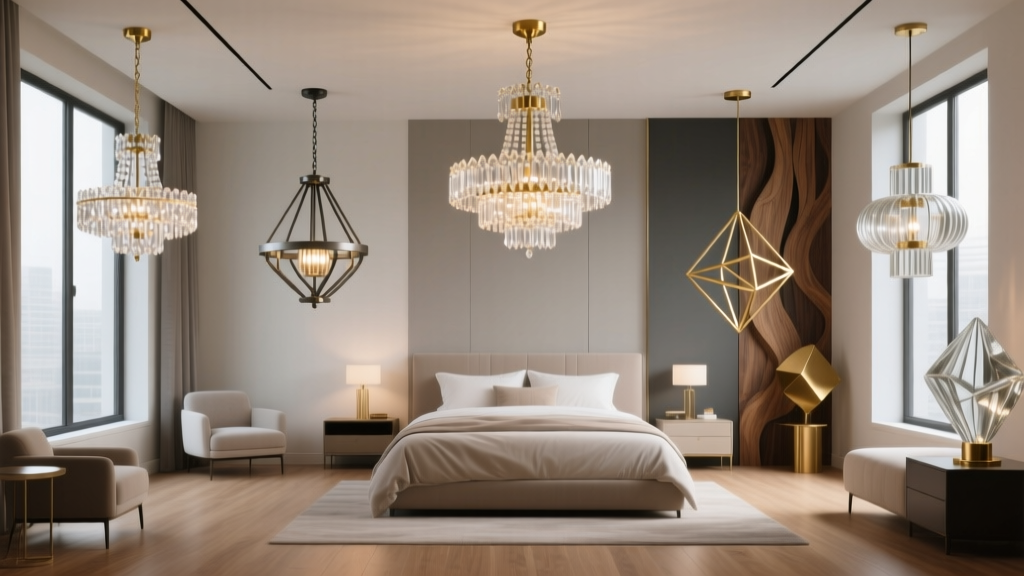
Best Bedroom Chandelier Styles - The Decor Mag
The right bedroom chandelier does more than “look pretty.” It shapes your sleep environment—how calm your mind feels when you walk in, how gently your eyes adjust at night, and how effortlessly your room transitions from daytime function to nighttime restoration. Because light influences melatonin production and your circadian rhythm, a chandelier choice that’s too bright, too cool-toned, or too visually busy can quietly work against deeper rest.
A well-chosen chandelier, on the other hand, becomes soft, supportive ambient lighting—layered with bedside lamps and subtle accent lighting to create a bedroom design that feels grounded and sleep-friendly. The goal isn’t showroom drama. It’s a balanced bedroom lighting plan: comfortable brightness, flattering glow, minimal glare, and a style that helps your nervous system exhale.
This guide walks through the best bedroom chandelier styles, how to match them to your space and ceiling height, and the practical sleep wellness details that make the difference—bulb color temperature, dimmers, placement, and common mistakes to avoid.
What Makes a Bedroom Chandelier “Sleep-Friendly”?
In bedroom decor, the chandelier is usually the main overhead fixture—so it sets the tone. A sleep-friendly bedroom chandelier should provide soft ambient light without harsh downward glare or overly reflective materials that create visual “noise.”
Key features to prioritize
- Dimmable control: A chandelier on a dimmer switch is one of the simplest upgrades for better evening wind-down.
- Warm light (2700K or warmer): Choose bulbs in the 2200K–2700K range for a calmer glow that supports evening relaxation.
- Shaded or diffused bulbs: Fabric shades, frosted glass, or alabaster-style diffusers reduce glare and make the room feel softer.
- Appropriate scale: Oversized fixtures can feel looming; undersized fixtures can force you to over-brighten the room.
- Low-flicker LEDs: Look for “flicker-free” or high-quality dimmable LEDs to avoid eye strain.
Recommended bedroom lighting layers (beyond the chandelier)
- Ambient: Your chandelier (soft, dimmable base light).
- Task: Bedside lamps or wall sconces for reading.
- Accent: A small lamp on a dresser, picture light, or LED strip tucked behind a headboard for gentle nighttime navigation.
Best Bedroom Chandelier Styles (and Who They’re Best For)
Below are chandelier styles that work especially well in bedrooms—paired with practical design and sleep-environment tips, materials to look for, and budget ranges.
1) Drum Shade Chandeliers: Softest Light for Rest
A drum shade chandelier is one of the most sleep-friendly chandelier styles because it naturally diffuses light. It’s ideal if your bedroom design leans modern, transitional, or relaxed contemporary.
- Best for: Renters and homeowners who want calm, even illumination.
- Materials to look for: Linen, cotton, textured weave shades; matte metal frames (brass, black, bronze).
- Sleep tip: Use a warm LED (2700K) and keep nighttime dimmer settings low to support melatonin.
- Budget range: $80–$250 (basic); $250–$700 (designer or larger scale).
Bedroom styling pairing: Crisp white or oatmeal bedding, a textured throw, and soft wall colors like warm greige, muted clay, or creamy ivory.
2) Semi-Flush Mount Chandeliers: Best for Low Ceilings
If you have an 8-foot ceiling (common in apartments), a semi-flush or flush-mount chandelier-style fixture gives you the look without sacrificing headroom. It keeps the room feeling open—an underrated factor for relaxation.
- Best for: Low ceilings, smaller bedrooms, and spaces with ceiling fans you want to replace.
- Materials to look for: Frosted glass, opal glass, fabric shades, or alabaster bowls.
- Sleep tip: Avoid clear glass with exposed bulbs; it can feel harsh and visually stimulating.
- Budget range: $60–$200 (affordable); $200–$600 (higher-end finishes).
Layout note: Center the fixture over the bed area or the room center—not directly above your pillow line if the bulbs are exposed.
3) Modern Minimalist Chandeliers: Calm Lines, Clean Bedrooms
Minimalist chandeliers—simple rings, linear bars, or subtle branching forms—can create a serene bedroom decor statement without clutter. Choose designs with integrated LEDs or frosted globes for softness.
- Best for: Modern bedrooms, Scandinavian-inspired spaces, and people who relax best with visual simplicity.
- Materials to look for: Matte black, brushed nickel, satin brass, white powder-coated finishes.
- Sleep tip: Keep brightness moderate (around 1,000–2,000 lumens total for many bedrooms) and rely on bedside lighting for tasks.
- Budget range: $120–$400 (midrange); $400–$1,200 (architectural designer styles).
4) Glass Globe Chandeliers: Gentle Glow with a Modern Twist
Globe chandeliers can be calming when the globes are opal or frosted—creating a candle-like diffusion. They fit beautifully in modern, mid-century, or transitional bedroom design.
- Best for: Bedrooms needing a soft focal point that still feels airy.
- Materials to look for: Opal glass globes, satin brass arms, warm-toned metals.
- Sleep tip: Choose frosted globes over clear to reduce glare and keep the bedroom lighting gentle.
- Budget range: $150–$500 (common); $500–$1,500 (large or artisan pieces).
Design pairing: Upholstered headboards, curved nightstands, and soft rugs help echo the rounded form for a more cohesive, soothing look.
5) Natural Fiber & Woven Chandeliers: Warmth and Texture
Rattan, wicker, seagrass, bamboo, and other woven chandeliers add a relaxed, vacation-at-home feel—excellent for a bedroom focused on comfort and decompression. The light pattern can be beautiful, but choose carefully to avoid overly busy shadows.
- Best for: Boho, coastal, organic modern, and earthy bedroom decor.
- Materials to look for: Tight weaves for softer shadows; natural fibers with a neutral finish; avoid heavily glossy coatings.
- Sleep tip: If you’re sensitive to patterned light, choose a woven style with an inner diffuser or a tighter weave.
- Budget range: $90–$300 (most options); $300–$900 (oversized or premium craftsmanship).
Color suggestion: Pair with warm whites, sand, muted olive, or soft terracotta to create a grounded sleep environment.
6) Traditional Crystal or Sparkling Chandeliers: Use a Softer Approach
Crystal chandeliers can feel luxurious, but in a bedroom they need restraint. High sparkle and multiple exposed bulbs can create stimulation—great for a dining room, less ideal for sleep quality. If you love the style, choose smaller scale and warmer bulbs.
- Best for: Classic, Parisian, glam bedrooms—especially with high ceilings.
- Materials to look for: A mix of crystal and fabric shades, or a “soft glam” style with frosted details.
- Sleep tip: Put crystal on a dimmer and use 2200K–2700K bulbs to keep the sparkle gentle.
- Budget range: $150–$600 (entry); $600–$2,500+ (heirloom-quality or large fixtures).
7) Candle-Style Chandeliers (Modern Farmhouse or Rustic): Cozy, but Watch Glare
Candle-style chandeliers can feel warm and homey, but exposed bulbs can be harsh. Choose versions with faux-candle sleeves and use warm, low-glare bulbs.
- Best for: Farmhouse, rustic, lodge-inspired bedrooms.
- Materials to look for: Aged iron, bronze, wood accents; avoid overly distressed finishes if you want a more serene bedroom.
- Sleep tip: Use frosted or “vintage” style LEDs (2200K–2400K) and keep wattage modest.
- Budget range: $120–$450 (common); $450–$1,200 (large, handcrafted looks).
How to Choose the Right Size and Placement
Quick sizing guidelines
- Fixture diameter: Add your room’s length + width (in feet) to estimate chandelier diameter (in inches). Example: 12 ft + 10 ft = ~22-inch diameter.
- Height: For standard ceilings, avoid overly tall fixtures. For 8-foot ceilings, look for semi-flush or compact chandeliers.
- Clearance: Aim for at least 7 feet from floor to the lowest part of the chandelier in walkways.
Placement tips for better bedroom flow
- Center it thoughtfully: Center of the room is typical, but centering over the bed zone can feel more intentional—especially in larger bedrooms.
- Avoid direct glare: If the chandelier has exposed bulbs, don’t place it where you’ll see it directly from your pillow.
- Layer with bedside lighting: Use matching table lamps or wall sconces so the chandelier doesn’t need to do all the work.
Design Pairings: Bedding, Furniture, Colors, and Layout
A chandelier looks best—and feels calmest—when the rest of the bedroom design supports it. Try these practical pairings to create a cohesive, sleep-forward bedroom space.
Furniture recommendations
- Nightstands with closed storage: Drawers reduce visual clutter (and the stress that comes with it).
- Upholstered or wood headboards: Upholstered adds softness; wood adds warmth—both can balance a statement chandelier.
- Soft-edge shapes: Rounded nightstands or dressers can make the room feel safer and more restful, especially in small spaces.
Bedding recommendations for a calmer sleep environment
- Breathable base layers: Cotton percale (crisp/cool) or linen (relaxed/temperature regulating).
- Texture for comfort: A quilted coverlet or woven blanket adds depth without busy patterns.
- Color palette: Warm neutrals, muted greens, dusty blues, and soft earth tones tend to read as more soothing than high-contrast black-and-white.
Color and finish pairings by chandelier style
- Drum shade: Warm whites, greige, mushroom, muted taupe.
- Modern minimalist: Soft white walls + matte black accents, or pale oak + cream textiles.
- Natural fiber: Sand, clay, olive, warm beige, soft terracotta.
- Soft glam crystal: Cream, pale blush, warm gray; keep metals consistent (brass OR nickel, not both).
Sleep Wellness Tips for Bedroom Lighting
Even the best chandelier style won’t help your sleep if the lighting is too bright at night or too cool-toned. Small changes can make your bedroom lighting genuinely supportive of rest.
- Use a dimmer switch: Set a “wind-down” level for the last hour before bed.
- Choose warm bulbs: Aim for 2200K–2700K in the evening. If you like brighter mornings, use layered lighting rather than a single intense overhead light.
- Avoid blue-heavy light at night: Skip 4000K–5000K bulbs in bedrooms; they can feel alerting.
- Consider smart bulbs: A smart bulb or smart dimmer can automate a gentle fade-down routine.
- Keep bedside lighting softer: Use lamps with fabric shades and warm bulbs for reading, instead of relying on the chandelier.
- Reduce reflective glare: Mirrors opposite the chandelier can bounce light into your eyes; shift angles or use a lower dimmer setting.
Common Bedroom Chandelier Mistakes to Avoid
- Choosing style over comfort: Clear glass + exposed bulbs may look great online but feel harsh in real life.
- Oversizing the fixture: A too-large chandelier can dominate the room and create a looming feeling above the bed.
- Skipping the dimmer: Overhead lighting without dimming is one of the fastest ways to make a bedroom feel less restful.
- Mixing metal finishes randomly: Keep finishes coordinated with your hardware, bed frame, and lamps for calmer visual flow.
- Ignoring ceiling height: A hanging chandelier in a low-ceiling bedroom can interrupt the room’s ease and movement.
- Using the wrong bulb type: Non-dimmable LEDs on a dimmer can flicker; always match bulb compatibility.
Budget Guide: What to Expect to Spend
- Under $100: Basic semi-flush fixtures, small drum shades, simple modern options (best for renters and quick upgrades).
- $100–$300: The sweet spot for most bedrooms—better finishes, larger sizes, more reliable diffusers.
- $300–$800: Higher-quality materials (linen shades, opal glass), upgraded details, more distinctive design.
- $800+: Statement chandeliers, artisan glass, designer lighting, large-scale fixtures for tall ceilings.
FAQ: Bedroom Chandeliers and Sleep-Friendly Lighting
What type of chandelier is best for a bedroom?
For most bedrooms, a drum shade chandelier or a semi-flush mount with frosted glass is the most sleep-friendly choice because it diffuses light and minimizes glare.
How bright should a bedroom chandelier be?
Aim for comfortable ambient light rather than maximum brightness. Many bedrooms feel good with roughly 1,000–2,000 lumens from the chandelier, then add bedside lamps for tasks. A dimmer lets you fine-tune based on your routine.
What color temperature helps with sleep?
Use 2200K–2700K in the evening for a warmer glow that supports a relaxed bedtime environment. Avoid 4000K+ in bedrooms at night.
Can I put a chandelier in a small bedroom?
Yes—choose a smaller diameter fixture, prioritize semi-flush styles for low ceilings, and avoid busy designs that visually crowd the space. Keeping the look light and diffused helps the room feel larger and calmer.
Should the chandelier be centered over the bed or the room?
Either can work. Centering in the room is most common; centering over the bed area can feel more intentional in larger bedrooms. If the fixture has exposed bulbs, avoid placing it where you’ll see direct glare while lying down.
Do crystal chandeliers work in bedrooms?
They can, especially in classic or glam bedroom decor, but choose a smaller scale, warmer bulbs, and a dimmer to prevent the space from feeling overly bright or stimulating.
Next Steps: Create a Bedroom Lighting Plan That Supports Rest
Start by choosing a chandelier style that matches your ceiling height and your preferred mood—soft and diffused for most sleep-friendly bedrooms. Add a dimmer, select warm bulbs, and layer in bedside lighting so the overhead fixture never has to be harsh. Pair the chandelier with calming bedroom colors, breathable bedding, and clutter-reducing furniture to build a cohesive sleep environment that feels genuinely restorative.
For more soothing bedroom design ideas, lighting guides, and sleep-friendly decor inspiration, explore the latest articles on thedecormag.com.
More Articles
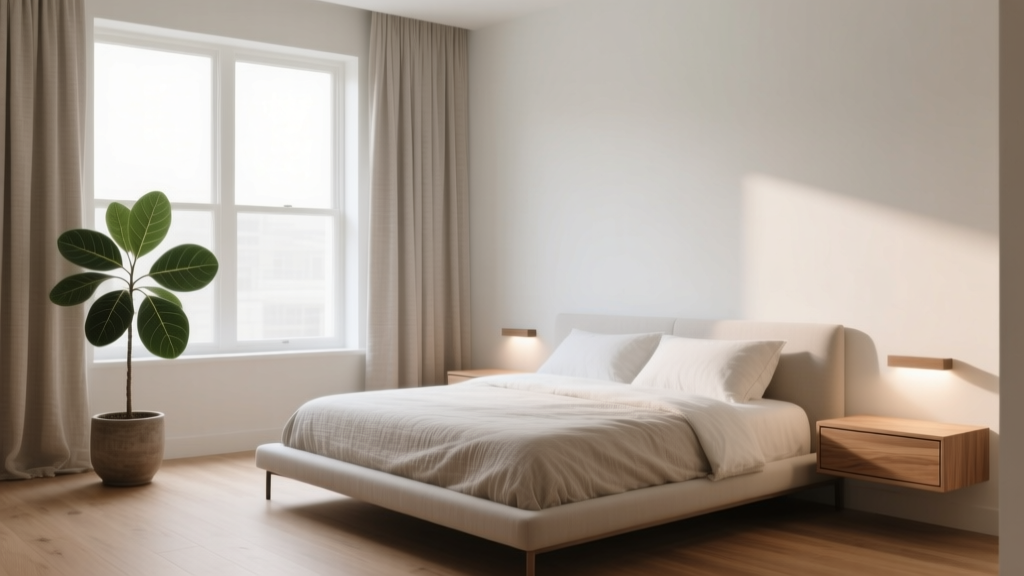 Wellness Bedroom Decor: Design Tips for 2026
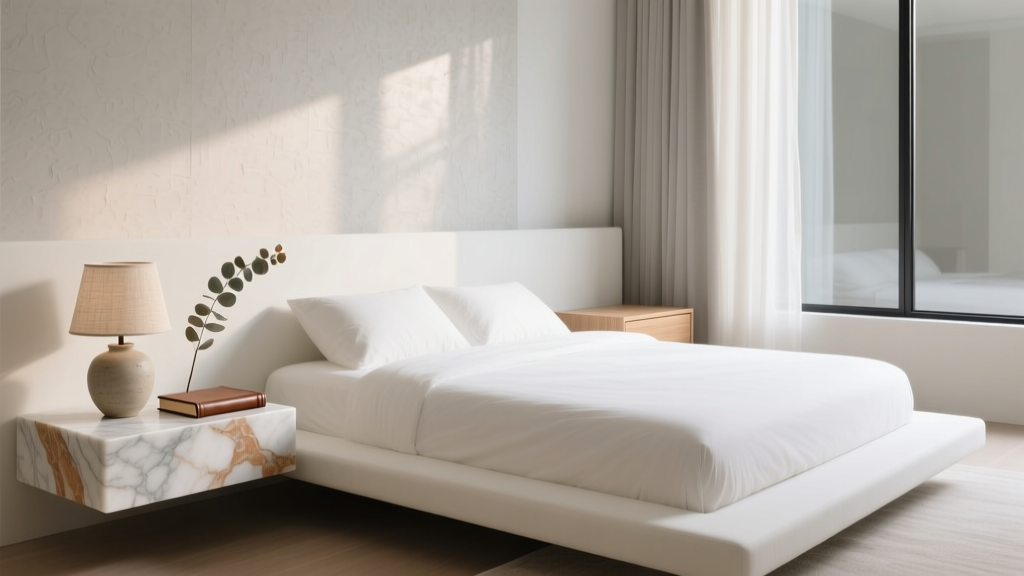 Bedroom Natural Stone Bedside Tray - The Decor Mag
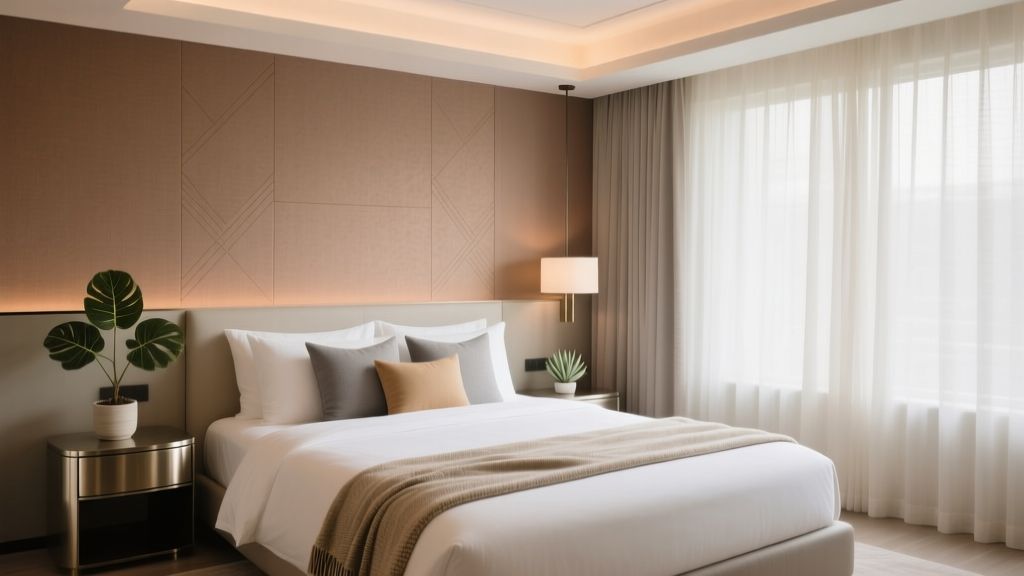 How to Style a Bed Like a Hotel - The Decor Mag
 Best Bedroom Water Glass Bedside - The Decor Mag
 Bedroom Platform Bed Design Ideas - The Decor Mag
 Bedroom Window Seat Design Ideas - The Decor Mag
 Minimalist Bedroom Styling: Simple Ideas (2026)
 How to Choose Bedroom Bedding Weight - The Decor Mag
 How to Organize Your Bedroom Closet - The Decor Mag
 Best Bedroom Sleep Tracking Device Spot - The Decor Mag