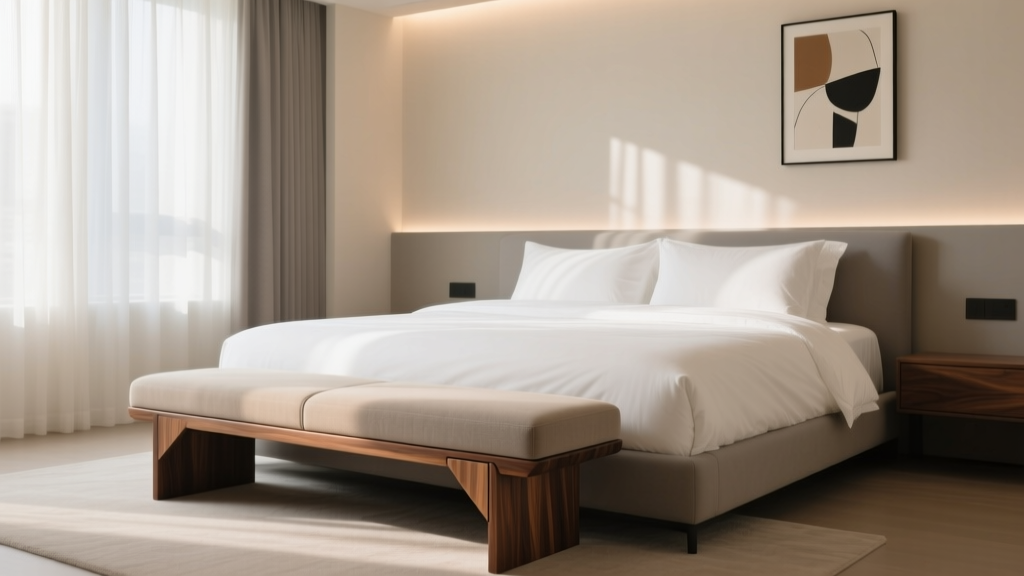
Best Bedroom Bench Options for Foot of Bed - The Decor Mag
The space at the foot of your bed is more influential than it looks. A well-chosen bedroom bench can make the room feel finished, support better bedroom organization, and reduce the small daily stressors that chip away at rest—like piles of clothes on a chair, shoes drifting into walkways, or nowhere to place a robe at night.
In sleep wellness terms, the goal is simple: create a bedroom environment that signals calm, minimizes clutter, and supports an easy bedtime routine. A bench at the foot of the bed can help you keep surfaces clear, maintain smoother traffic flow, and add softness and warmth through texture—key ingredients for a more relaxing sleep environment.
Whether you’re furnishing a primary bedroom, a guest room, or a small apartment bedroom, the right bench brings function without visual noise. Here’s how to choose the best bedroom bench options for the foot of the bed, with practical size guidance, material suggestions, budget ranges, and design choices that promote better sleep.
Why a Bedroom Bench Supports a Better Sleep Environment
Good bedroom design isn’t just about style; it shapes how you feel in the space. When your room feels ordered and comfortable, your nervous system gets a subtle cue that it’s safe to unwind. A foot-of-bed bench supports that in a few tangible ways:
- Reduces clutter: A designated place for tomorrow’s outfit, a throw blanket, or bedtime essentials keeps floors and chairs clear.
- Smooths your routine: Sitting to put on socks or apply lotion is quieter and less stimulating than rummaging through drawers.
- Improves layout: A properly sized bench visually anchors the bed and adds balance without crowding the room.
- Adds comfort through texture: Upholstery, woven materials, and warm woods create a cozy, sleep-friendly mood.
How to Choose the Right Bench for the Foot of the Bed
Get the Sizing Right (So Your Room Feels Calm, Not Crowded)
Size is the difference between “luxury hotel finish” and “tight obstacle course.” Use these guidelines to keep the bedroom layout open and breathable:
- Bench length: Aim for about 60–80% of your bed’s width. This looks balanced and leaves visual space on both sides.
- Bench height: Ideally 1–3 inches lower than the top of your mattress. This keeps the foot of the bed feeling light and open.
- Bench depth: Most bedrooms do well with 14–18 inches deep. Deeper benches can crowd narrow rooms.
- Walkway clearance: Try to keep 24–30 inches between the bench and any dresser or wall for comfortable movement.
Quick reference bed widths:
- Twin: 38"
- Full: 54"
- Queen: 60"
- King: 76"
Match Function to Your Daily Habits
The best bedroom bench is the one you’ll actually use. Consider what you want it to do:
- Need extra storage? Choose a storage bench or lift-top design.
- Want a soft landing spot? Upholstered or tufted benches are comfortable and quiet.
- Prefer a lighter look? Backless, open-frame benches keep visual weight low.
- Want a styled moment? A woven or wood bench showcases a folded throw and a tray without feeling cluttered.
Best Bedroom Bench Types for the Foot of the Bed
1) Upholstered Bench: Soft, Quiet, and Sleep-Friendly
If your bedroom leans cozy and calming, an upholstered bench is one of the most versatile foot-of-bed bench options. Fabric absorbs sound and adds softness—helpful if you’re trying to build a quieter sleep environment.
Best for: Primary bedrooms, soft modern decor, transitional style, renters who want comfort without heavy furniture.
Materials to look for:
- Performance fabric: Durable, stain-resistant, ideal for households with kids or pets.
- Linen blends: Breathable and relaxed-looking; great for neutral bedroom color palettes.
- Velvet (matte): Cozy and luxe; choose deeper tones for a cocooning feel.
Budget range: $150–$600 (designer or oversized styles can run higher).
2) Storage Bench (Lift-Top or Drawers): The Clutter Solution
Clutter is a common sleep disruptor because it keeps the brain in “to-do list” mode. A storage bench at the foot of the bed gives blankets, extra pillows, and seasonal items a hidden home—especially valuable in small bedrooms or apartment bedrooms.
Best for: Small spaces, shared bedrooms, anyone trying to reduce visual noise.
What to store for a calmer room:
- Extra duvet or quilt (rotate seasonally)
- Spare pillow inserts (use breathable cotton covers)
- Sleep accessories: eye mask, white noise device, extra charging cable (kept tidy)
Budget range: $180–$800 depending on upholstery, hardware, and mechanism quality.
Tip: If you’re sensitive to noise at night, avoid storage benches with loud hinges. Look for soft-close hardware when possible.
3) Wooden Bench: Airy, Natural, and Timeless
A wood bench brings warmth and a grounded feel—two qualities that support a restful bedroom. Natural materials are also a great match for calming bedroom decor, especially when paired with soft textiles.
Best for: Scandinavian, modern organic, farmhouse, coastal, minimalist bedrooms.
Top wood choices:
- Oak: Durable with a gentle grain; light to medium tones keep the bedroom bright.
- Walnut: Rich and soothing; pairs well with warm neutral bedding.
- Rubberwood or acacia: Often budget-friendly while still sturdy.
Budget range: $120–$700.
Sleep-friendly styling: Add a soft cushion or a folded throw to prevent a “hard edge” feeling at the foot of the bed.
4) Woven Bench (Rattan, Cane, Seagrass): Texture Without Heaviness
Woven benches add breathability and texture, which can make a bedroom feel more relaxed and lived-in—without introducing bulky furniture. They’re especially helpful in smaller rooms because they read visually lighter.
Best for: Boho, coastal, warm minimalist spaces, guest rooms.
Materials:
- Rattan/cane: Airy and classic; pairs beautifully with linen bedding.
- Seagrass: Earthy texture; ideal for neutral bedroom palettes.
Budget range: $140–$650.
Care tip: Keep woven materials away from damp areas and use a soft brush attachment for dusting to maintain a clean sleep environment.
5) Tufted Bench: Classic, Tailored, and Hotel-Inspired
Tufted benches add a polished look that can make the bedroom feel like a retreat. The trick is choosing a shape and fabric that doesn’t visually “shout.” Soft neutrals and low-profile silhouettes work best for a calming space.
Best for: Traditional, glam-leaning, transitional decor, primary suites.
Budget range: $180–$900.
Practical note: Deep tufting can collect dust. If allergies are a concern, choose minimal tufting or a smooth upholstered bench that’s easier to vacuum.
6) Bench with Back (Settee-Style): Extra Comfort for Larger Bedrooms
If you have a spacious bedroom, a small settee at the foot of the bed can create a lounge-like feel—ideal for reading, journaling, or a slower bedtime wind-down.
Best for: Large primary bedrooms, master suites, rooms with generous clearance.
Budget range: $350–$1,200.
Wellness tip: If reading before bed helps you relax, pair a settee with a warm, dimmable lamp nearby rather than using bright overhead lighting.
Sleep-Friendly Design Recommendations: Bench + Bedding + Lighting
Pair Your Bench With Calming Bedroom Colors
Color influences mood, and in a sleep-focused bedroom design, quieter tones tend to feel more restorative. Bench upholstery and finishes that work well in soothing palettes include:
- Warm neutrals: oatmeal, sand, mushroom, soft taupe
- Gentle earth tones: clay, muted terracotta, olive gray
- Cool calming shades: misty blue, dusty sage, soft charcoal
Avoid: highly saturated neons or overly bright whites at the foot of the bed if your goal is a more tranquil sleep environment.
Choose Fabrics and Fills That Feel Good at Night
Since the bench often holds blankets and pillows, choose textiles that support comfort and temperature regulation:
- Cotton (percale or sateen): breathable and easy to wash
- Linen: great for hot sleepers and humid climates
- Wool blend throw: cozy without trapping too much heat
Simple styling formula: One folded throw + one lumbar pillow (max). Keeping it minimal reduces visual clutter.
Lighting That Complements a Calming Foot-of-Bed Moment
If your bench is part of a nighttime routine (skincare, stretching, reading), lighting matters as much as furniture.
- Use warm bulbs (2700K) for a softer, sleep-friendly glow.
- Add dimmers to lamps when possible to reduce evening brightness.
- Keep overhead lights for daytime; rely on bedside lamps or sconces in the evening.
Layout Tips for a Bench at the Foot of the Bed
- Center the bench with the bed for a balanced look that feels orderly.
- Mind the rug: if you have an area rug under the bed, place the bench so the front legs sit on the rug (or keep it fully off). Half-on can look accidental.
- Keep pathways clear: if the bench makes the room feel tight, choose a narrower depth or swap to a backless, open-frame bench.
- Small room workaround: use two small ottomans instead of one long bench—easy to move and visually lighter.
Common Mistakes to Avoid
- Buying a bench that’s too deep: It can crowd the room and disrupt flow, which increases friction during bedtime routines.
- Choosing high-shine finishes: Glossy materials can reflect light and feel more stimulating. Matte woods and textured fabrics tend to feel calmer.
- Over-styling the bench: Stacks of books, decor objects, and trays can quickly become clutter. Keep it simple.
- Ignoring storage quality: A flimsy lift-top mechanism or weak hinges can lead to noise and frustration—two things you don’t want near sleep.
- Blocking drawers or doors: Make sure the bench doesn’t prevent dresser drawers from opening fully or pinch the main walking path.
Budget Guide: What You Can Expect to Spend
- Under $150: Basic wood benches, simple upholstered options, some woven styles (best for light use or guest rooms).
- $150–$400: Strong sweet spot for most renters and homeowners; better fabrics, sturdier frames, more style variety.
- $400–$900: Higher-quality upholstery, upgraded cushions, soft-close storage benches, more durable wood species.
- $900+: Designer options, custom upholstery, heirloom-quality wood benches, settee-style pieces.
FAQ: Bedroom Benches for the Foot of the Bed
What size bench should I get for a queen bed?
For a queen bed (60" wide), a bench around 42–54 inches long usually looks balanced. Keep depth around 14–18 inches so the room stays easy to move through.
Is a storage bench better than a regular bench?
If you’re working on bedroom organization or have limited closet space, a storage bench is often worth it. It helps reduce visible clutter, which can make the bedroom feel calmer and more sleep-friendly.
What’s the best bench material for a relaxing bedroom?
For a soothing feel, choose upholstery in linen blends or performance fabric, or natural wood in oak or walnut tones. These materials add warmth and texture without feeling harsh.
Can I use an ottoman instead of a bench at the foot of the bed?
Yes. A large ottoman (or two smaller ones) can work especially well in a small bedroom. Look for a firm top if you plan to use it as seating, and consider a storage ottoman if clutter is a concern.
Should the bench match the bed frame or nightstands?
It doesn’t need to match perfectly. Aim for coordination: repeat one element (wood tone, metal finish, or fabric color) so the bedroom decor feels cohesive and restful rather than busy.
How do I keep a foot-of-bed bench from becoming a laundry pile?
Create a simple rule: the bench holds only a throw and one pillow (or a tray with two essentials). If you need a place for worn-but-not-dirty clothes, add a lidded basket inside a storage bench or use a designated hamper elsewhere.
Next Steps: Build a Bedroom That Feels Easier to Live In
Start with measurements: bed width, desired bench length, and walkway clearance. Then choose a bench type based on your biggest need—extra storage, softer comfort, or a lighter visual footprint. Finish with a calm styling approach: one throw, one pillow, warm lighting, and a clutter-free floor. Small changes like these can make your bedroom feel more restful night after night.
For more calming bedroom design ideas, sleep-friendly decor tips, and layout inspiration, explore the latest guides on thedecormag.com.
More Articles
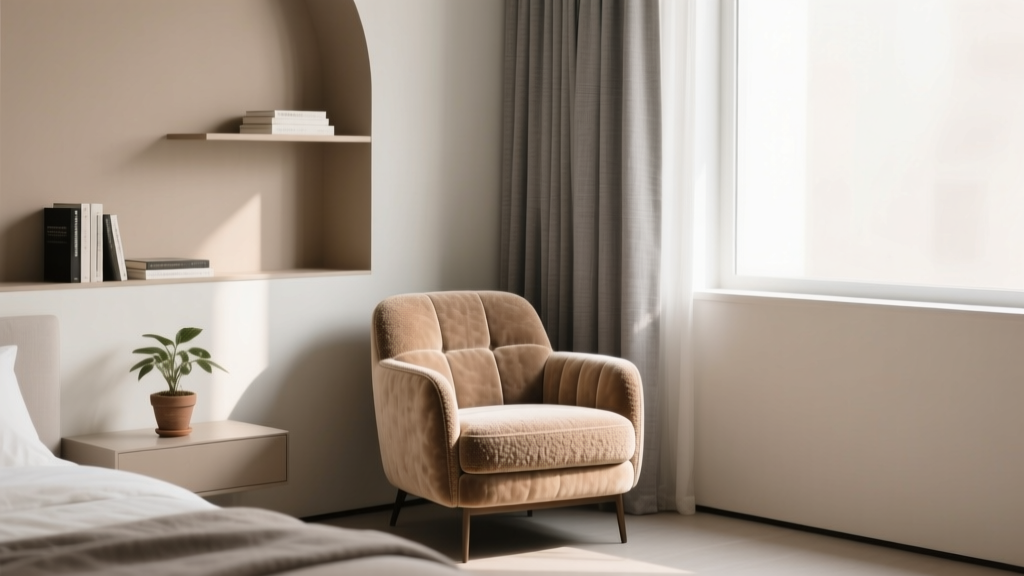 Bedroom Boucle Accent Chair in Corner - The Decor Mag
 Best Bedroom Watch Box Display - The Decor Mag
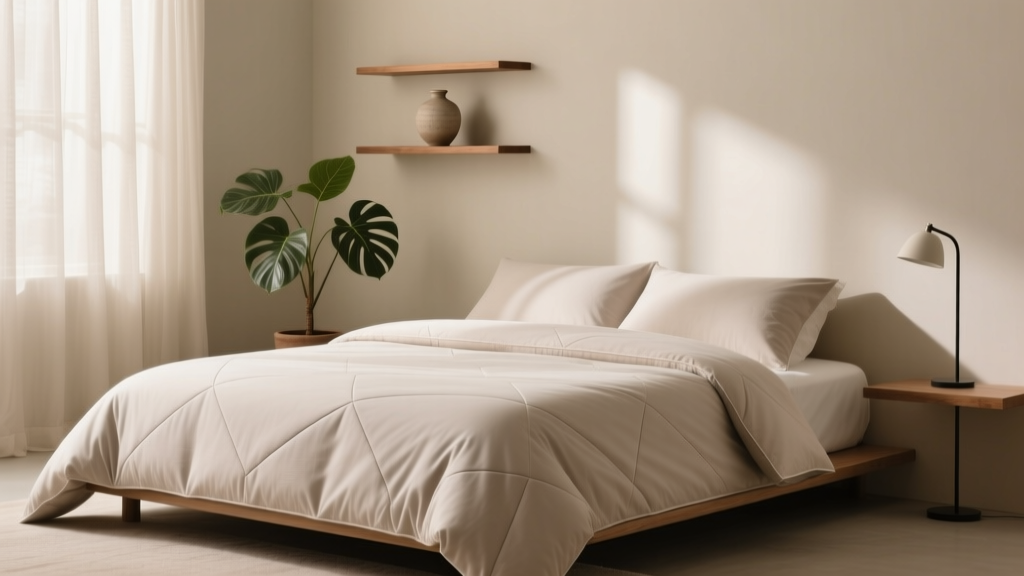 How to Choose Bedroom Duvet Cover Style - The Decor Mag
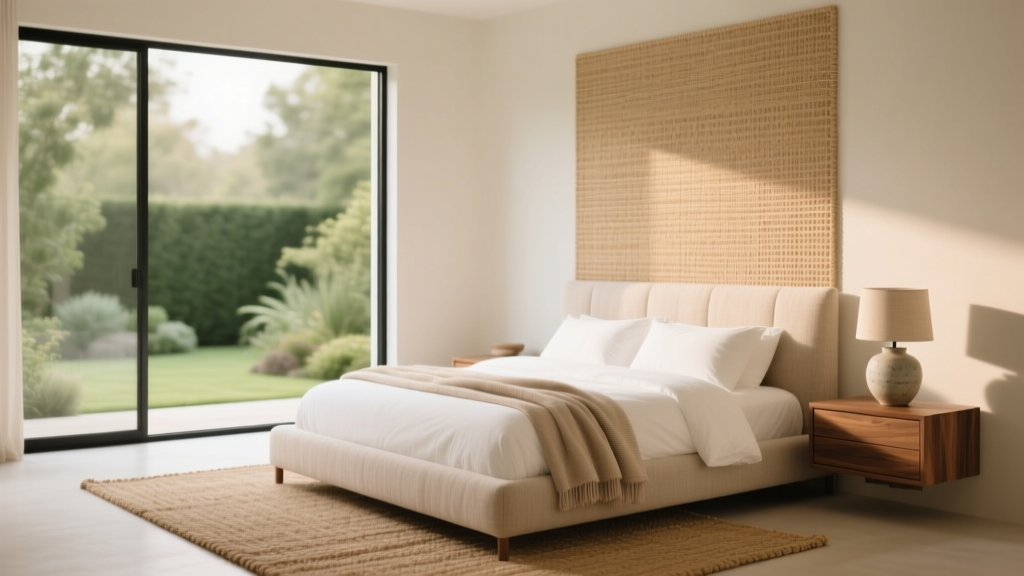 How to Style a Bedroom with Neutral Tones - The Decor Mag
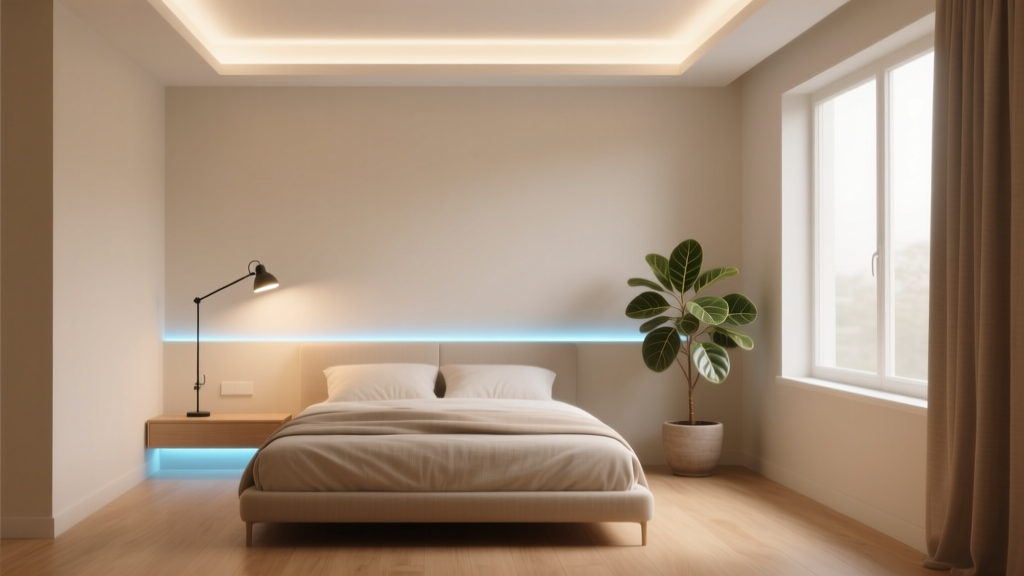 Three-Layer Bedroom Lighting: Calm & Functional (2026)
 Bedroom Paint for Sleep Quality | The Decor Mag
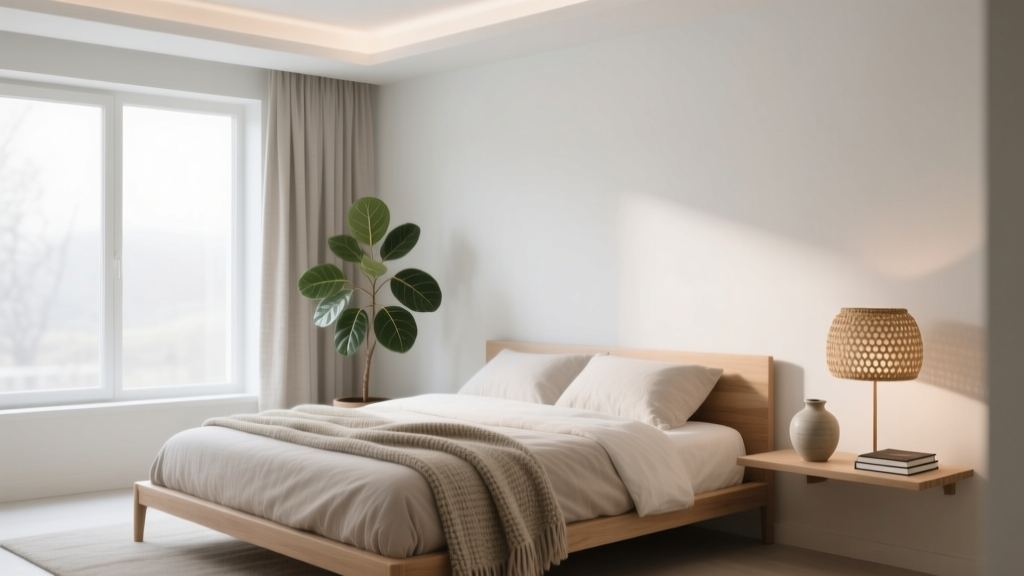 Scandinavian Bedroom Design Essentials - The Decor Mag
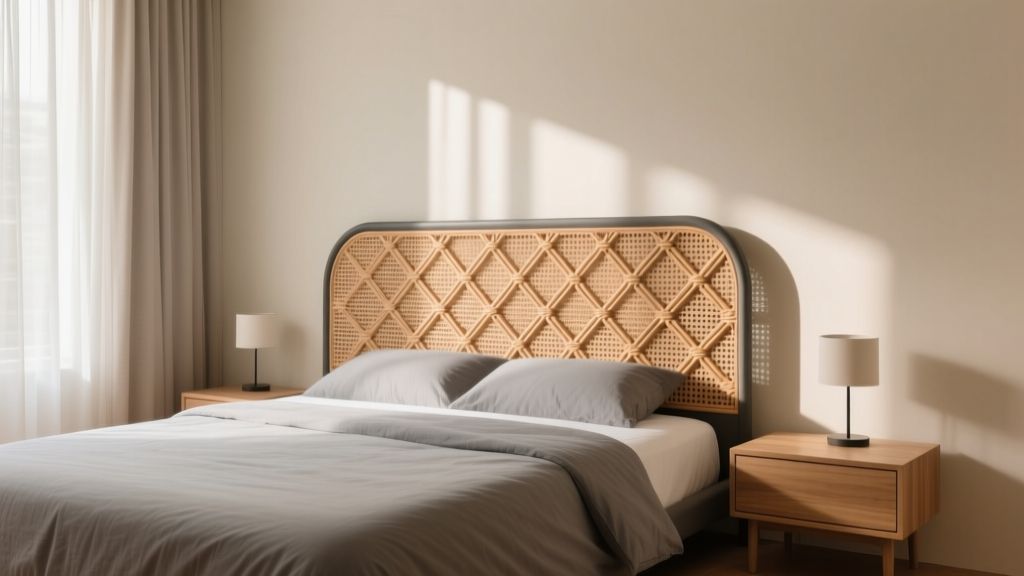 Bedroom Cane Webbing Headboard Ideas - The Decor Mag
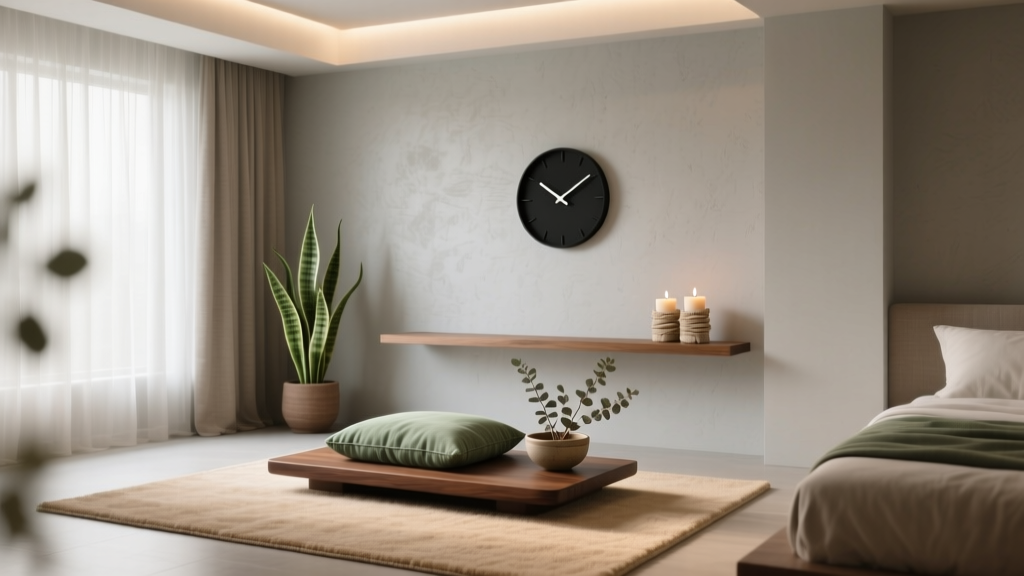 Best Bedroom Meditation Corner Setup - The Decor Mag
 How to Choose the Right Bed Frame - The Decor Mag