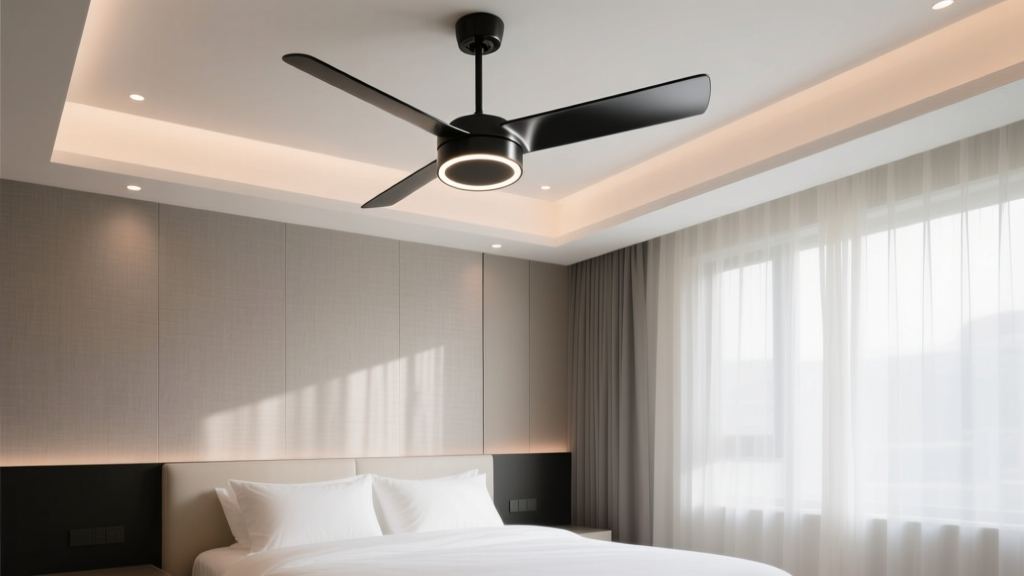
Best Bedroom Ceiling Fan Options - The Decor Mag
A bedroom that feels calm and comfortable doesn’t happen by accident—it’s the result of thoughtful choices that support your body’s natural sleep rhythms. Temperature, air movement, sound levels, and lighting all influence how quickly you fall asleep and how deeply you rest. A well-chosen ceiling fan can quietly solve several of these factors at once, helping you create a sleep-friendly bedroom design that feels cool, fresh, and serene.
For homeowners and renters alike, the right ceiling fan can improve airflow without blasting cold air like an AC unit, reduce stuffiness in tighter rooms, and even allow you to set the thermostat a bit higher to save energy. When paired with the right bedding, lighting, and layout, a ceiling fan becomes part of a cohesive sleep environment—one that supports relaxation from the moment you step into the room.
This guide covers the best bedroom ceiling fan options, how to choose the right size and style, sleep wellness considerations, and common mistakes that can disrupt rest. You’ll also find practical recommendations for bedding, lighting, colors, and room setup—because better sleep is often the sum of small, smart design decisions.
How a Bedroom Ceiling Fan Supports Better Sleep
Ceiling fans improve bedroom comfort in three main ways: airflow, temperature regulation, and sound. Many people sleep better in a cooler room (often cited around 60–67°F), but comfort is personal. Air movement can make the room feel cooler, reduce night sweats, and prevent that “stale air” feeling that can make it harder to relax.
- Air circulation: Helps distribute cool air from AC or open windows, reducing hot spots near the bed.
- Perceived cooling: A fan doesn’t lower room temperature, but it makes skin feel cooler—often enough to improve sleep comfort.
- Gentle, consistent sound: Many fans provide a soft, steady hum that can mask street noise or apartment sounds (similar to white noise).
Best Bedroom Ceiling Fan Options (By Type)
1) Low-Profile (Hugger) Ceiling Fans for Small Bedrooms
If your ceiling height is under 8 feet or your bedroom is compact, a low-profile ceiling fan is usually the safest, most proportional choice. These fans sit close to the ceiling and reduce the “visual drop” that can make a room feel crowded.
Best for: apartments, guest rooms, kids’ rooms, smaller primary bedrooms
Typical budget: $80–$250 (mid-range models often have the best balance of quiet performance and design)
- Look for quiet motor ratings and solid build materials (metal housing, balanced blades).
- Choose blade spans around 44–48 inches for most small-to-medium bedrooms.
- Consider integrated LED if you need the fan to serve as primary lighting.
2) Quiet DC Motor Ceiling Fans for Light Sleepers
DC motor fans are a standout for sleep wellness. They tend to be quieter, more energy-efficient, and offer more speed settings for fine-tuning airflow. If you wake easily or share a bedroom with different temperature preferences, a DC motor fan can be a real quality-of-life upgrade.
Best for: light sleepers, noise-sensitive households, hot sleepers
Typical budget: $180–$600
- Prioritize a “whisper-quiet” or low sone rating where available.
- Look for 6+ speed settings so you can keep airflow subtle at night.
- Choose a model with a sleep or timer mode to reduce airflow after you fall asleep.
3) Ceiling Fans With Integrated LED Lighting (Best for One-Fixture Bedrooms)
Many bedrooms rely on one ceiling junction box for both light and fan. An integrated LED ceiling fan keeps the ceiling clean and streamlined while providing energy-efficient illumination. For sleep-friendly bedroom lighting, focus on warm color temperatures and dimming.
Best for: bedrooms without many lamps, rentals that need a simple update
Typical budget: $120–$450
- Choose 2700K–3000K for a warm, restful glow (avoid harsh 4000K+ in bedrooms).
- Confirm dimmable LED compatibility with your wall dimmer or included remote.
- If you read in bed, look for higher max brightness (roughly 1,500–2,500 lumens).
4) Smart Ceiling Fans for Customized Comfort
A smart ceiling fan can support consistent sleep routines by automating airflow and lighting. For example, you can schedule the fan to ramp down overnight, or link it with a smart thermostat to maintain a stable sleep temperature.
Best for: tech-friendly homes, routine lovers, couples who want easy control
Typical budget: $250–$800
- Check compatibility with Alexa, Google Assistant, or Apple Home if you already use smart devices.
- Look for quiet operation—not all smart models prioritize low noise.
- Consider smart scenes: “Wind Down” (low warm light + low fan) and “Wake” (fan off + gradual light).
5) Statement Fans (Modern, Wood Blades, or Minimalist Styles)
In bedroom decor, a ceiling fan can be functional without looking utilitarian. Modern bedroom ceiling fans often feature matte finishes, simple blade shapes, and softer visual profiles. Wood-tone blades can warm up a space and pair beautifully with natural textures.
Best for: design-forward bedrooms, calming minimalist spaces
Typical budget: $200–$900+
- Matte white fans disappear into white ceilings and keep the room airy.
- Matte black adds structure and contrast in modern or industrial bedrooms.
- Natural oak/walnut tones complement Scandinavian, Japandi, and warm neutral palettes.
How to Choose the Right Ceiling Fan for Your Bedroom
Pick the Correct Size (Blade Span)
Fan size should match room size for comfortable airflow and balanced proportions.
- Up to 100 sq ft: 36–42 inch fan
- 100–225 sq ft: 44–50 inch fan (common for bedrooms)
- 225–400 sq ft: 52–60 inch fan
Check Ceiling Height and Downrod Needs
- 8 ft ceilings: low-profile or short downrod
- 9–10 ft ceilings: standard downrod often works best
- Vaulted ceilings: look for an angled-mount compatible fan and a longer downrod
Aim for blades to be roughly 7–9 feet above the floor for safe, effective airflow.
Prioritize Quiet Performance
For a restful sleep environment, a fan should fade into the background. DC motors tend to be quieter; balanced blades and quality mounting hardware also matter.
Sleep-friendly fan features:
- DC motor or high-quality AC motor designed for low noise
- Multiple speed settings (especially very low speeds)
- Remote control so you can adjust without getting out of bed
- Stable mounting and vibration control
Choose Bedroom-Friendly Finishes and Materials
- Metal housing: durable and stable; often reduces rattling
- Plywood/MDF blades: common and stable (great value)
- Solid wood blades: beautiful, premium look; check for moisture stability if you run humidifiers
Design Recommendations: Make the Fan Part of a Calming Bedroom
Pair Your Fan With Sleep-Supportive Bedding
If your fan helps keep the room cooler, you can lean into breathable bedding that enhances temperature regulation.
- Sheets: cotton percale (crisp, cool) or linen (airy, textured)
- Comforter/duvet insert: choose all-season or lightweight if you run the fan nightly
- Blanket layering: add a cotton blanket for adjustable warmth without overheating
Budget guide:
- Value sheets: $30–$70
- Mid-range percale/linen: $80–$180
- Premium linen or long-staple cotton: $200–$400+
Use Bedroom Lighting That Works With Nighttime Routines
A ceiling fan with integrated lighting can be sleep-friendly if you control brightness and warmth. For deeper rest, keep evenings dim and warm-toned.
- Add bedside lamps with warm bulbs (2700K) to avoid relying on overhead light at night.
- Install blackout curtains or lined drapes to reduce early morning light disruptions.
- If your fan light is bright, use a dimmer or remote dimming to soften the room before bed.
Choose Calming Bedroom Colors That Complement the Fan
Color impacts mood and perceived comfort. Fans are most soothing when they blend or intentionally coordinate with your palette.
- Warm neutrals: creamy white, sand, greige (pairs well with wood-blade fans)
- Cool calming tones: soft blue-gray, muted sage (supports a “cooler” visual feel)
- Monochrome calm: white fan + white ceiling + light walls for an airy, quiet look
Layout Tips for Better Airflow (Without Feeling Windy)
- Center the fan over the bed when possible for balanced airflow.
- If the fan feels too direct, choose a model with more low-speed options and run it gently overnight.
- Keep tall furniture from blocking circulation between windows, vents, and the bed.
Sleep-Friendly Settings and Wellness Tips
Use Seasonal Direction Correctly
- Summer: counterclockwise (pushes air downward for a cooling breeze)
- Winter: clockwise at low speed (pulls air up and redistributes warm air near the ceiling)
Create a Wind-Down Routine With Fan + Light
- 60 minutes before bed: set fan to low and dim lights to warm, soft levels.
- 30 minutes before bed: keep overhead light off; use bedside lamps or wall sconces.
- At bedtime: use a timer to reduce fan speed during the coldest part of the night if you tend to wake up chilly.
Keep Air Quality in Mind
Ceiling fans move air; they don’t filter it. If allergies affect your sleep, pair airflow with clean air strategies.
- Use a HEPA air purifier in the bedroom (especially with pets or seasonal allergies).
- Dust fan blades regularly to prevent circulating allergens.
- If you use a humidifier, aim for 40–50% humidity for comfort and to reduce dryness.
Common Mistakes to Avoid
- Buying the wrong size fan: too small won’t move air; too large can feel overpowering and look out of scale.
- Ignoring ceiling height: a fan hung too low can feel oppressive and be unsafe.
- Choosing cool-white lighting: bright 4000K–5000K LEDs can feel clinical and disrupt a relaxing bedroom atmosphere.
- Overlooking control options: a fan without a remote or wall control can be frustrating at night.
- Skipping blade cleaning: dusty blades can spread allergens and reduce efficiency.
- Mounting on an improper box: ceiling fans require a fan-rated electrical box for safety and stability.
FAQ: Bedroom Ceiling Fans
What size ceiling fan is best for a standard bedroom?
Many bedrooms fall in the 120–220 sq ft range, where a 44–50 inch fan is typically a comfortable fit. Measure your room and choose based on square footage for the best airflow and proportions.
Are DC motor fans worth it for a bedroom?
Yes if you’re sensitive to noise, want more speed control, or run the fan nightly. DC motor fans are often quieter and more energy-efficient, which supports a calmer sleep environment.
Should I get a ceiling fan with a light for the bedroom?
If your bedroom needs overhead lighting, an integrated LED fan can be practical. For sleep-friendly bedroom lighting, choose warm, dimmable LEDs and rely on bedside lamps in the evening to keep the mood relaxed.
Can a ceiling fan help me sleep better if I already have AC?
Often, yes. A fan improves air circulation so the room feels more evenly cooled, which can reduce hot spots and stuffiness. Many people find the gentle airflow and consistent sound calming as well.
How do I keep my ceiling fan from being too windy at night?
Choose a fan with multiple low-speed settings (DC models excel here), then run it on the lowest comfortable speed. You can also use a timer to reduce speed after you fall asleep.
What ceiling fan finish looks best in a relaxing bedroom?
Matte white blends into the ceiling for a quiet, airy look. Natural wood tones add warmth and pair well with neutral bedding and organic textures. Matte black works nicely in modern bedrooms when echoed in hardware or lighting accents.
Next Steps: Choose Comfort First, Then Style
Start by measuring your room and ceiling height, then prioritize a quiet motor, the right blade span, and warm, dimmable lighting if your fan includes a light. From there, tie it into your bedroom decor with breathable bedding, calming wall colors, and a layout that supports smooth airflow around the bed. Small refinements—like a fan timer, blackout curtains, and clean-air support—can make the whole sleep environment feel more restorative.
If you’re ready for more soothing bedroom design ideas, styling guides, and sleep-friendly decor inspiration, explore more at thedecormag.com.
More Articles
 How to Create a Calming Bedroom Retreat - The Decor Mag
 Global Textiles in Bedrooms: Styling Ideas (2026)
 How To Start Living Room Ideas: A Practical, Step-by-Step Framework for Real Homes
 How to Choose Bedroom Curtain Length - The Decor Mag
 How to Create a Bedroom for Deep Rest - The Decor Mag
 Best Bedroom Bedside Reading Stack - The Decor Mag
 Best Bedroom Tie and Belt Storage - The Decor Mag
 Best Bedroom Wind Down Ritual Items - The Decor Mag
 The Best Bedding Sets for Every Season - The Decor Mag
 Best Bedroom Handbag Storage Solutions - The Decor Mag