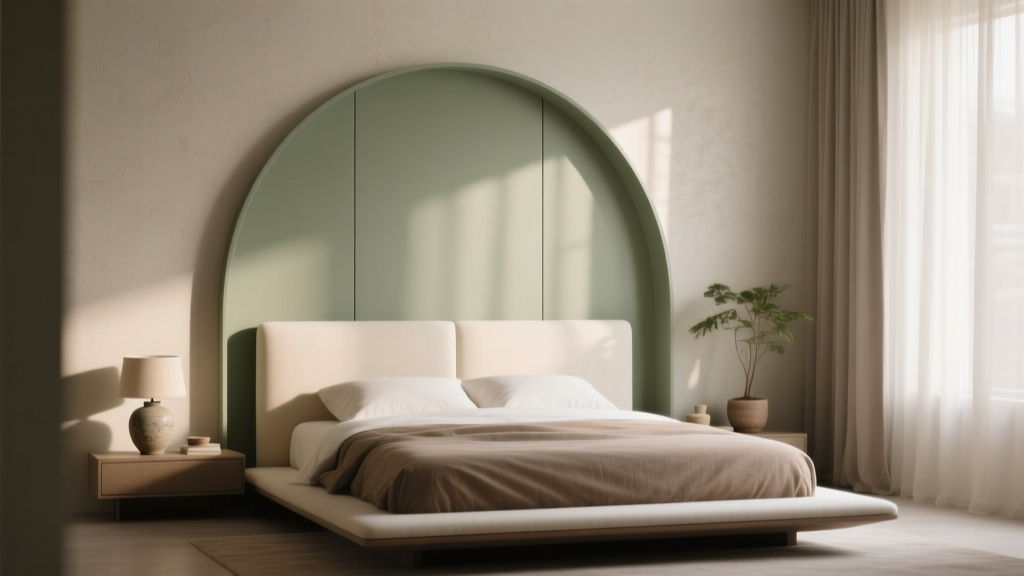
Bedroom Arched Headboard Design Trend - The Decor Mag
There’s a reason the arched headboard is showing up everywhere from boutique hotels to small-city rentals: it subtly changes how a bedroom feels. The curve softens hard lines, brings a sense of shelter, and creates a natural focal point—without needing a full room makeover. When your bed looks inviting, your brain receives a gentle “wind-down” cue, which supports the transition from daytime stimulation to nighttime rest.
Bedroom design and sleep quality are closely connected. A visually calm, well-layered sleep environment can lower perceived stress, reduce bedtime restlessness, and help you stick to consistent routines. An arched headboard trend isn’t just about style—it’s a practical way to add comfort, improve layout balance, and make your bedroom feel more like a restorative retreat.
If you’re a homeowner or renter wanting a better bedroom space for rest and relaxation, an arched headboard is a smart starting point. It can upgrade the room’s “quiet luxury” feel, anchor your color palette, and offer real comfort for reading, stretching, or unwinding—often with minimal tools and a manageable budget.
Why Arched Headboards Feel So Good (Design Psychology Meets Sleep)
Arches are visually soothing because they reduce the sharp, angular geometry that can make a space feel busy. In a sleep environment, softer shapes often translate to a softer mood. An arched headboard can also make the bed look more intentional and grounded, which helps your bedroom feel less cluttered—even if you’re working with a small footprint.
Wellness benefits that support better sleep
- A calmer focal point: A single, gentle statement behind the bed reduces the urge to over-decorate the rest of the room.
- More comfort at night: Upholstered arches create a supportive backrest for reading or journaling (and keep pillows from slipping).
- Visual “containment”: The curve can feel cocoon-like, encouraging relaxation and a sense of safety.
- Improved room balance: An arched silhouette can visually lift a low ceiling or soften a tight corner layout.
Popular Arched Headboard Styles (And Who They’re Best For)
The arched headboard trend spans many bedroom decor styles. Choosing the right version depends on your sleep habits, room size, and how much upkeep you want.
1) Upholstered arch (soft modern, cozy, quiet)
Ideal for sleepers who like to read in bed or want better sound dampening. Upholstery also reduces the “cold” feel of minimal spaces.
- Best fabrics: Performance linen, brushed cotton, velvet (high-quality), boucle (warm texture)
- Comfort note: Look for medium-density foam (not too firm) if you sit up often
2) Wood arched headboard (organic, timeless, low-fuss)
Wood arches work beautifully in Scandinavian, Japandi, rustic, and modern organic bedrooms. They’re easy to maintain and pair well with breathable bedding.
- Best woods/finishes: Oak veneer, ash, walnut, or matte painted finishes
- Wellness note: Opt for low-VOC stains or water-based finishes if you’re sensitive to odors
3) Rattan/cane arch (airy, light, renter-friendly)
Great for smaller rooms because it adds texture without visual heaviness. Cane and rattan also suit coastal and boho bedroom decor.
- Practical tip: Check stability—some lightweight frames need extra wall anchoring
- Sleep-friendly note: Avoid squeaky joints; they can become a nighttime annoyance
4) Channel-tufted or scalloped arch (hotel-inspired, polished)
If you want a bedroom that feels like a calm suite, this is the statement-maker. Choose subtle tufting for a quieter look.
- Best for: Larger rooms, or anyone who wants a strong focal point without busy art walls
- Visual tip: Keep bedding simpler so the headboard can breathe
How to Choose the Right Arched Headboard for Your Space
Start with size and proportion
The goal is visual calm. Oversized can feel dramatic (great in the right room), but too large in a small bedroom can create pressure rather than peace.
- Width: Match mattress size; for a more luxe look, go 2–4 inches wider on each side if your room allows.
- Height:
- Low ceiling or small room: 44–52 inches tall often feels balanced
- Standard ceiling: 52–60 inches reads tailored and intentional
- High ceiling: 60–70+ inches can look elegant—pair with minimal wall decor
Consider your nightly routine
- Reading in bed: Choose upholstered or padded wood with a cushion layer.
- Hot sleeper: Prioritize breathable materials (linen blend, cotton, cane) over heavy velvet.
- Allergies: Avoid high-shed fabrics; look for removable covers or easy-to-vacuum surfaces.
Materials that support a healthier sleep environment
- Low-VOC or GREENGUARD Gold-certified upholstery (when available)
- Solid wood or CARB Phase 2 compliant engineered wood to reduce off-gassing
- Performance fabrics for easy cleaning (helpful if you’re sensitive to dust)
Design Ideas: How to Style an Arched Headboard for a Sleep-Friendly Bedroom
Color palettes that encourage rest
The arched headboard naturally becomes the room’s anchor. Use it to guide a calmer palette that supports sleep quality.
- Soft neutrals: warm ivory, oatmeal, greige, mushroom
- Muted cools: dusty blue, slate, eucalyptus, soft sage
- Earthy calm: clay, terracotta blush, caramel (use sparingly)
- Deep cocoon (best with warm lighting): ink navy, forest green, charcoal-brown
Bedding recommendations that pair beautifully with arches
Arches look best with layers that feel intentional, not fussy. Aim for tactile comfort—your body will notice the difference.
- Sheets:
- Hot sleepers: percale cotton or linen (budget: $60–$180; premium: $200–$350)
- Cool sleepers: sateen cotton or brushed cotton (budget: $60–$160; premium: $180–$320)
- Duvet insert: Choose by warmth level (all-season is most versatile). Look for down alternative if allergies are a concern.
- Textural top layer: quilt, matelassé coverlet, or lightweight blanket to add depth without overheating
- Pillows: Keep it supportive, not excessive—2 sleeping pillows per person plus 1–2 lumbar pillows max for a calmer look
Lighting that flatters the arch and protects melatonin
Lighting is one of the most overlooked parts of bedroom design. The arched headboard creates a natural halo effect—use warm, gentle light to enhance it while keeping the room sleep-friendly.
- Bedside lighting: two matching lamps or sconces for symmetry (reduces visual “noise”)
- Bulb temperature: 2200K–2700K for evening wind-down
- Dimmers: highly recommended—dimmer switches or smart bulbs help reduce brightness gradually
- Reading light: add a focused, warm task light so you don’t need harsh overhead lighting
Layout tips (especially for small bedrooms and rentals)
- Center the bed when possible; it makes the arch look intentional and improves flow.
- Give the headboard breathing room: leave at least 2–4 inches between headboard and curtain panels if your bed is near a window.
- Use floating nightstands or narrow tables (10–14 inches deep) to reduce cramped feelings.
- Renter-friendly option: a freestanding headboard frame can deliver the look without wall drilling.
Budget Ranges and What to Expect
An arched headboard can fit many budgets. The key is paying for what you’ll physically feel: stability, padding, and clean materials.
- Budget-friendly ($120–$300): Metal frames with an arched silhouette, simple upholstered headboards, basic wood or cane styles. Look for solid joinery and stable legs.
- Mid-range ($300–$900): Better upholstery fabrics, thicker padding, sturdier wood frames, more refined curves. Often the best value for everyday comfort.
- Premium ($900–$2,500+): Handmade or designer headboards, performance textiles, solid hardwoods, custom heights, and higher-end certifications.
Where to invest: If you sit up in bed nightly, invest in upholstery quality and padding. If you’re sensitive to smells, invest in low-VOC materials and let the headboard air out before full setup.
Sleep-Friendly Considerations: Make the Headboard Part of a Better Sleep Environment
Keep the area behind the bed clean and breathable
- Vacuum the headboard and baseboards weekly (especially with upholstered styles).
- Leave a small gap between bed and wall for airflow if possible.
- If you’re adding a rug, choose low-pile to reduce dust buildup.
Reduce sensory clutter around the focal point
The arch does visual work for you. Let it. A calmer wall supports a calmer mind at bedtime.
- Choose one art piece above the arch (or none) rather than a busy gallery wall.
- Limit bedside items to a tray with essentials: water, book, hand cream, eye mask.
- Use cord management for lamps and chargers to keep the sleep space visually quiet.
Pair the headboard with sound and light control
- Blackout or lined curtains if streetlight or early sun disrupts sleep.
- White noise machine or fan if your home has intermittent noise.
- Warm night lighting (very low) for bathroom trips—helps you fall back asleep.
Common Mistakes to Avoid
- Choosing style over comfort: A beautiful arch that’s too hard or too low becomes frustrating if you read or lounge in bed.
- Going too tall in a tight room: Oversized headboards can make ceilings feel lower and the space feel crowded.
- Mixing too many curves: If your headboard is arched, keep other large shapes simple (mirror, rug, bench). Too many rounded silhouettes can feel theme-y.
- Ignoring lighting temperature: Cool 4000K bulbs can make even the prettiest bedroom feel clinical at night.
- Skipping stability checks: Wobbly frames or loose bolts can cause squeaks—small noises matter when you’re trying to sleep.
- Over-accessorizing the bed: Excess throw pillows look styled but can create nightly clutter and disrupt bedtime routines.
FAQ: Arched Headboards and Bedroom Design
Are arched headboards practical for everyday use?
Yes. Upholstered arched headboards are especially practical if you sit up in bed often. Wood and cane arches are great for low-maintenance households. The most practical choice is the one that feels supportive and stays stable over time.
What’s the best arched headboard material for a sleep-friendly bedroom?
Breathable, low-odor materials tend to feel best for sleep wellness. Performance linen, cotton upholstery, cane, and low-VOC finished wood are strong options. If you’re sensitive to allergens, consider smoother fabrics and vacuum-friendly surfaces.
Can renters use an arched headboard without drilling into the wall?
Yes. Look for a freestanding headboard that attaches to a bed frame, or a full bed frame with an integrated arched headboard. If you’re styling a lightweight headboard, add non-slip pads and ensure the frame is tightened to reduce movement.
Do arched headboards work in small bedrooms?
They can be excellent in small bedrooms because the curve softens the room and adds a focal point without needing extra decor. Choose a slimmer profile, lighter color, and keep bedside tables narrow to maintain open flow.
What wall color looks best with an arched headboard?
Soft neutrals and muted tones support a calm sleep environment: warm white, oatmeal, greige, dusty blue, or soft sage. If your headboard is light, a slightly deeper wall color can create a cozy “cocoon” effect—just keep lighting warm and dimmable.
How do I style bedding with a statement arched headboard?
Use fewer, better layers. Choose quality sheets, a breathable duvet, and one textured top layer (like a quilt). Keep decorative pillows minimal so the arch remains the hero and your bedtime routine stays easy.
Next Steps: Bring the Arched Headboard Trend Home
Start by measuring your wall, considering how you actually use your bed, and choosing an arched headboard material that supports comfort and a healthier sleep environment. Then build a calm palette around it: breathable bedding, warm dimmable lighting, and a layout that keeps pathways clear. Small upgrades—like matching bedside lights, a simpler pillow setup, and reduced clutter—often improve sleep quality as much as bigger design moves.
For more soothing bedroom design ideas, sleep-friendly decor tips, and renter-smart upgrades, explore the latest guides on thedecormag.com.
More Articles
 Bedroom Fluted Panel Wardrobe Design - The Decor Mag
 Best Bedroom Sconce Lighting Options - The Decor Mag
 Minimalist Bedroom Styling: Simple Ideas (2026)
 How to Choose Bedroom Mattress Firmness - The Decor Mag
 How to Choose Bedroom Rug Size - The Decor Mag
 Bedroom Plaster Sconce Wall Application - The Decor Mag
 Best Bedroom Luggage Storage Solutions - The Decor Mag
 How to Choose Bedroom Art for Relaxation - The Decor Mag
 Bedroom Warm Wood Nightstand Pair - The Decor Mag
 Scandinavian Bedroom Design Essentials - The Decor Mag