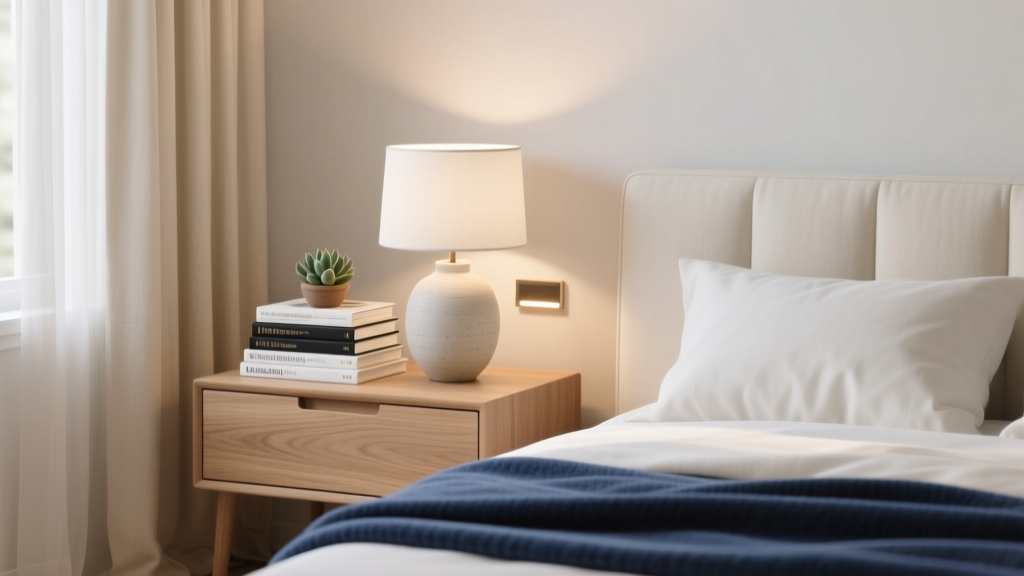
Best Bedroom Journal and Book Nightstand - The Decor Mag
A calm bedroom isn’t created by accident. It’s built through small, repeatable choices that make your space feel safer, softer, and more predictable at night. One of the most overlooked choices is the humble nightstand—especially if you keep a journal and a book nearby as part of your wind-down routine.
A dedicated “journal and book nightstand” does more than store items. It supports a sleep-friendly environment by reducing bedtime friction: no hunting for a pen, no bright overhead light, no clutter that spikes stress. When your essentials are within easy reach, your brain gets a clear message that the day is over and rest is next.
Think of this setup as part decor, part wellness tool. A well-designed bedside station can improve bedroom organization, encourage screen-free habits, and create a gentle bedtime ritual—three factors closely tied to sleep quality and overall wellbeing.
Why a Journal + Book Nightstand Supports Better Sleep
Bedroom design influences sleep more than most people realize. Visual clutter, harsh lighting, and awkward layouts can keep the nervous system alert. A purposeful nightstand setup helps regulate your environment and your habits.
What it changes, practically
- Less mental noise: A tidy surface reduces the “unfinished tasks” feeling that often shows up at bedtime.
- Fewer screens: When a book and journal are the default, the phone is less tempting.
- Smoother routine: You can write a few lines, read a chapter, switch off the lamp—without leaving bed.
- Better lighting control: Bedside lighting can be warm and low, supporting melatonin-friendly conditions.
Choosing the Best Nightstand for Books and Journaling
The best nightstand is the one that fits your room size, mattress height, and nightly habits. Below are the most sleep-friendly nightstand features, plus practical material and size guidance.
1) Get the height right (for comfort and calm)
A nightstand that’s too low or too tall forces you to reach, twist, or knock items over—tiny annoyances that add up.
- Best rule: Choose a nightstand within 0–2 inches of your mattress top.
- If you sit up to journal: Slightly higher can feel easier, especially with thicker mattresses.
- If your room is small: A wall-mounted shelf at mattress height can be ideal.
2) Pick a surface that stays uncluttered
If your nightstand top becomes a landing zone, your relaxing bedtime cue turns into visual chaos. Look for designs that naturally “cap” what you keep out.
- Compact top + smart storage: One drawer plus an open shelf is a sweet spot for most sleepers.
- Raised edge or tray: Prevents pens and glasses from rolling off.
- Rounded corners: Softer look and fewer bumps in tight layouts.
3) Storage style: drawer, shelf, or cabinet?
Match storage to how you use your bedside items.
- One drawer: Best for keeping the top serene (pens, lip balm, hand cream, earplugs, sleep mask).
- Open shelf: Best for your current book stack and journal rotation.
- Cabinet door: Great if you want everything hidden, especially in minimalist bedroom decor.
- Two drawers: Helpful for couples or anyone managing sleep supports (CPAP supplies, medication organizer, etc.).
4) Materials that feel calm and last
Material choice affects both bedroom style and perceived comfort. It also impacts durability (and the annoying wobble that can make your lamp flicker when you set a book down).
- Solid wood (oak, walnut, maple): Warm, quiet, durable. Great for cozy bedroom design.
- Veneer over engineered wood: Budget-friendly with a refined look; choose reputable brands for sturdier construction.
- Rattan or cane fronts: Adds texture and softness—beautiful for boho or coastal bedrooms.
- Metal frames: Sleek and airy for small rooms; add felt pads to reduce noise.
- Glass tops: Stylish but can feel cold and show fingerprints; less ideal for a soothing sleep environment.
Budget ranges to expect
- $60–$150: Simple nightstands, basic drawers, compact footprints; look for sturdy legs and smooth drawer glides.
- $150–$350: Better hardware, thicker tops, soft-close drawers, more design options.
- $350–$800+: Solid hardwood, premium finishes, artisan details, heirloom durability.
The Best “Journal and Book Nightstand” Setup (What to Keep, What to Hide)
The goal is a bedside surface that signals rest—simple, functional, and inviting. Start by limiting visible items to what supports sleep.
Essentials to keep on top
- A warm bedside lamp (or wall sconce) with a gentle shade
- Your current book (one book at a time helps reduce decision fatigue)
- A journal (or slim notebook) that opens flat
- One pen that writes smoothly (gel ink or felt-tip tends to feel effortless)
- A coaster or lidded water cup to prevent rings and spills
Helpful items to store in a drawer or basket
- Bookmark, highlighter, reading glasses
- Hand cream, tissues, lip balm
- Sleep mask, earplugs, white noise remote
- Charging cable (ideally routed neatly, not tangled on top)
A simple layout that looks styled but stays practical
- Back corner: Place the lamp (or mount a sconce above the nightstand to free surface space).
- Center: Stack book + journal with a small tray beneath if your top scratches easily.
- Front edge: Pen on a pen rest or inside a tiny cup (one only—avoid “pen clutter”).
Sleep-Friendly Lighting: The Make-or-Break Element
Lighting is one of the strongest levers for a better sleep environment. Overhead lights and cool bulbs can keep the brain alert. Your nightstand lighting should create a warm, low glow that supports winding down.
Best lighting choices for reading and journaling
- Table lamp with shade: Soft diffusion reduces glare and creates cozy bedroom lighting.
- Wall-mounted sconce: Great for tiny nightstands; keeps the surface clear for your book and journal.
- Clip-on reading light: Useful if you share a bed and want directional light without brightening the whole room.
Bulb and brightness recommendations
- Color temperature: 2200K–2700K (warm, amber-toned light)
- Brightness: Aim for a dimmable bulb or a 400–800 lumen range depending on shade and distance
- Controls: Touch lamps, rotary dimmers, or smart bulbs set to “warm at night” can make the routine effortless
Colors and Finishes That Feel Restful Next to the Bed
The nightstand is a visual anchor. The right color and finish can make the bedroom feel more grounded, especially in small spaces where every detail is close to your field of view.
Sleep-friendly nightstand colors
- Warm wood tones: Natural oak, walnut, and maple create a calming bedroom palette.
- Soft neutrals: Cream, greige, warm white, sand—great for brightening without feeling stark.
- Muted colors: Sage green, dusty blue, clay, mushroom taupe for a gentle, cocooning effect.
Finishes to prioritize
- Matte or satin finishes: Reduce glare under bedside lamps and look more relaxed.
- Low-VOC paints or finishes: Helpful for sensitive sleepers and anyone building a healthier home.
Layout Tips: Make Your Nightstand Work Harder (Even in a Small Bedroom)
Whether you rent a studio or own a spacious primary suite, layout is what makes the nightstand feel supportive instead of cramped.
Space-saving nightstand alternatives
- Floating nightstand: Creates visual space and makes floor cleaning easier.
- Narrow pedestal table: Works when you need just enough room for a lamp, book, and journal.
- Headboard with built-in shelf: A smart option for renters who can’t add wall lighting easily.
- Small dresser as a nightstand: Best for extra storage; choose one close to mattress height.
Comfort spacing guidelines
- Between bed and nightstand: Leave about 1–3 inches so bedding doesn’t snag, but the surface stays reachable.
- Walking clearance: If possible, keep 24 inches for a comfortable path around the bed.
- Cord control: Use adhesive cord clips or a cable box so chargers don’t create visual clutter.
Wellness Tips: Use Your Nightstand to Build a Better Bedtime Ritual
A journal and a book are more than cozy props—they can become a repeatable wind-down routine that improves sleep quality over time.
Try a 10-minute “bookend” routine
- 2 minutes: Write a quick “mind sweep” (anything looping in your head).
- 3 minutes: Write tomorrow’s top 3 priorities (so your brain stops rehearsing them).
- 5 minutes: Read a calming chapter or a few pages of fiction.
Journaling prompts that reduce nighttime rumination
- “What went well today?”
- “What can wait until tomorrow?”
- “One small thing I’m grateful for is…”
- “If I wake up tonight, I will remind myself…”
Keep the phone out of reach (without losing practicality)
- Use a basic alarm clock or sunrise alarm clock instead of your phone.
- Charge your phone across the room or inside a drawer (if ventilation is safe and cords are managed).
- If you must keep it bedside, place it face down and enable Do Not Disturb.
Common Mistakes to Avoid
- Using overhead lighting for bedtime tasks: It’s too bright, too stimulating, and can delay sleepiness.
- Choosing a tiny nightstand with no storage: The surface becomes cluttered fast, which disrupts a relaxing bedroom feel.
- Keeping a tall stack of “maybe next” books: Creates visual noise and decision fatigue. Stick to one current read.
- Ignoring stability: Wobbly legs and flimsy drawer glides lead to noise and frustration at night.
- Glossy finishes and reflective decor: Glare under lamps can feel harsh when you’re trying to unwind.
- Cold, blue-toned bulbs: They can make the room feel clinical and less sleep-friendly.
FAQ: Bedroom Journal and Book Nightstand
What size nightstand is best for a small bedroom?
Look for a narrow nightstand 10–14 inches wide or a floating shelf at mattress height. Prioritize one drawer or a lower shelf so the top stays clear for your lamp, book, and journal.
Should my nightstand match my bed frame and other furniture?
It doesn’t have to match exactly. Aim for coordination in tone and style—similar wood warmth, complementary colors, or repeated materials (like black metal accents). A cohesive bedroom design feels calmer than a perfectly matched set that doesn’t suit your space.
What’s the best bedside lighting for reading without disrupting sleep?
A dimmable lamp or sconce with a warm bulb (2200K–2700K) is ideal. Choose a shade that diffuses light and avoids glare. If you share a bed, consider a directional reading light that keeps light on your side.
How can I keep my nightstand clutter-free if I use it every day?
Use the “one of each” rule: one book, one journal, one pen, one water vessel. Store everything else in a drawer or a small basket on a lower shelf. A tray also helps contain small items neatly.
Is it okay to keep a candle on my nightstand?
For most bedrooms, an LED candle is a safer choice. If you use a real candle, never fall asleep with it lit, keep it away from curtains and bedding, and place it on a heat-safe tray with plenty of clearance.
What nightstand material is most durable?
Solid wood is typically the most durable and stable long-term. For tighter budgets, a quality veneer over engineered wood can still perform well—look for sturdy construction, thick panels, and smooth hardware.
Next Steps: Build Your Bedside Setup Tonight
Start with the simplest version of a journal and book nightstand: clear the surface, add warm lighting, and place just three things within reach—your book, your journal, and a pen you love using. Then choose a nightstand that fits your mattress height and gives you enough storage to keep the top peaceful.
If you want a quick checklist, aim for:
- A stable nightstand at mattress height
- Warm, dimmable bedside lighting
- One book + one journal + one pen (no extra stacks)
- Hidden storage for sleep supports and chargers
- Soft, low-glare finishes in calming colors
For more bedroom decor ideas, calming color palettes, and sleep-friendly bedroom design guides, explore the latest inspiration on thedecormag.com.
More Articles
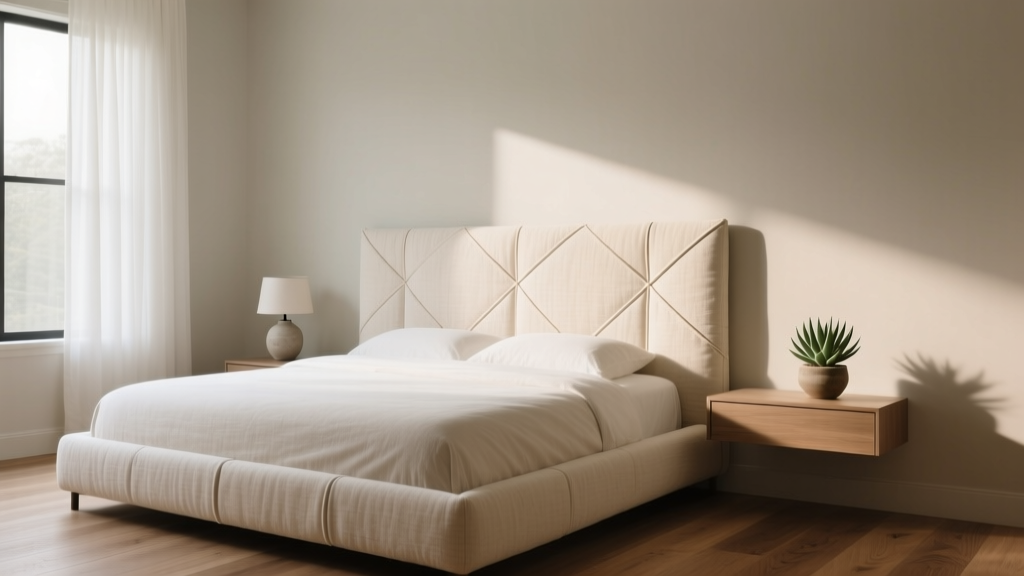 Bedroom Fabric Wrapped Headboard Ideas - The Decor Mag
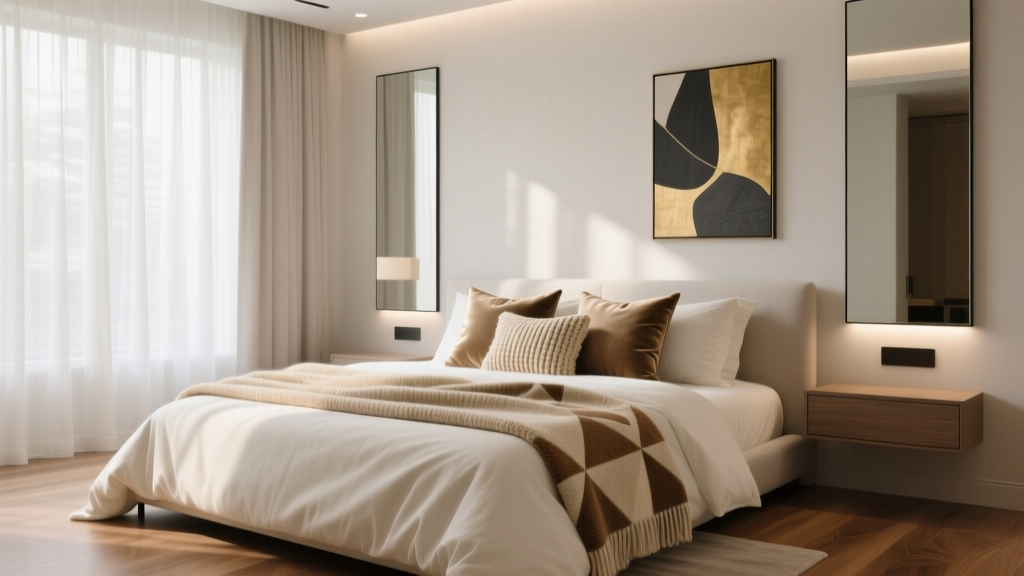 How to Style a Bedroom with Layered Textiles - The Decor Mag
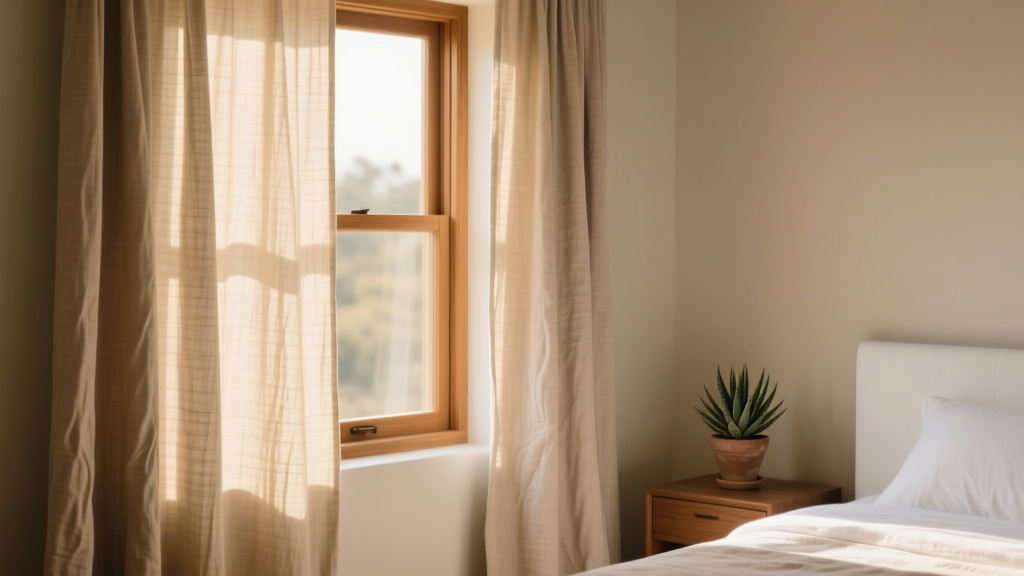 Bedroom Organic Linen Curtain Draping - The Decor Mag
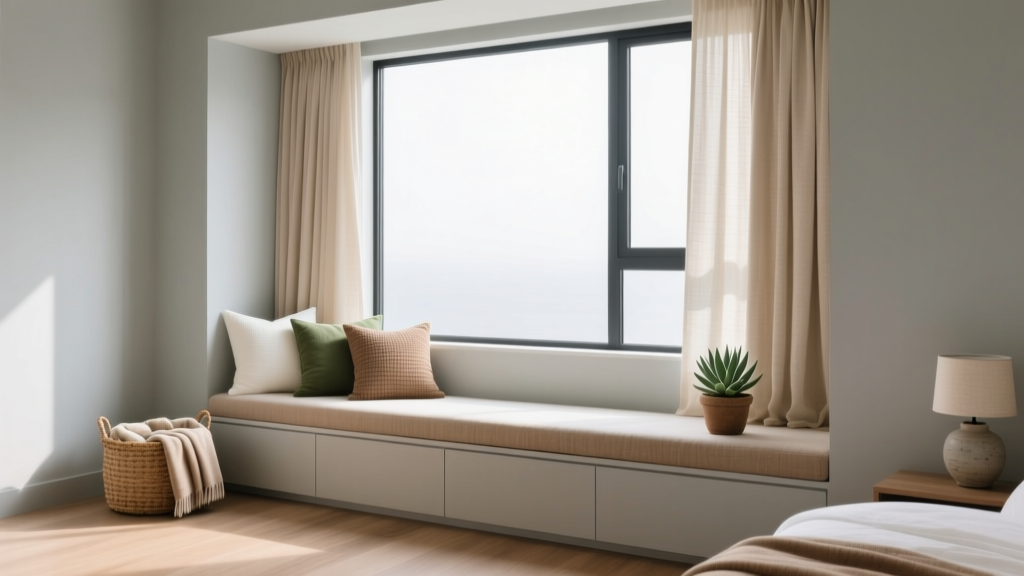 Bedroom Window Seat Design Ideas - The Decor Mag
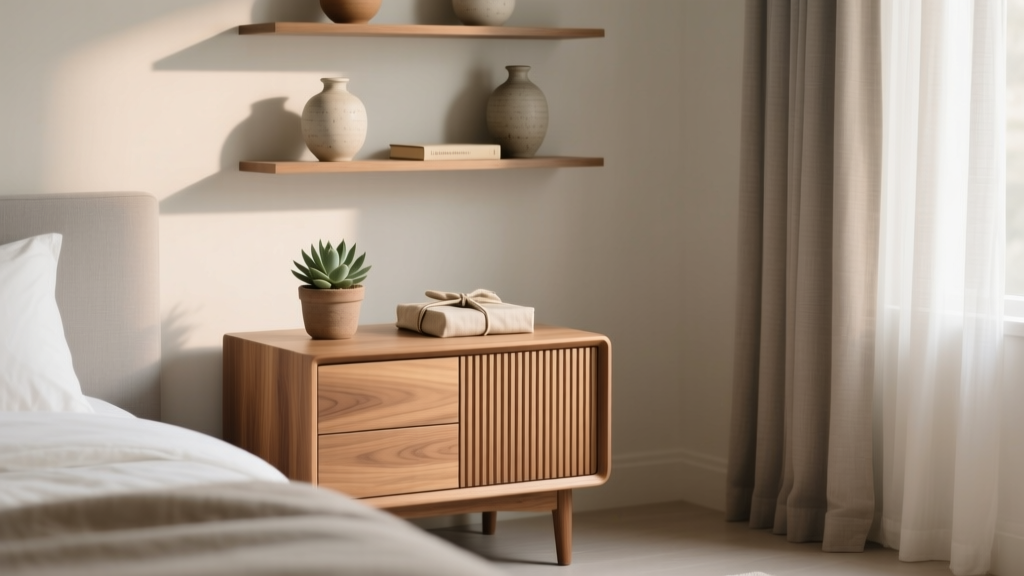 Bedroom Reeded Wood Nightstand Trend - The Decor Mag
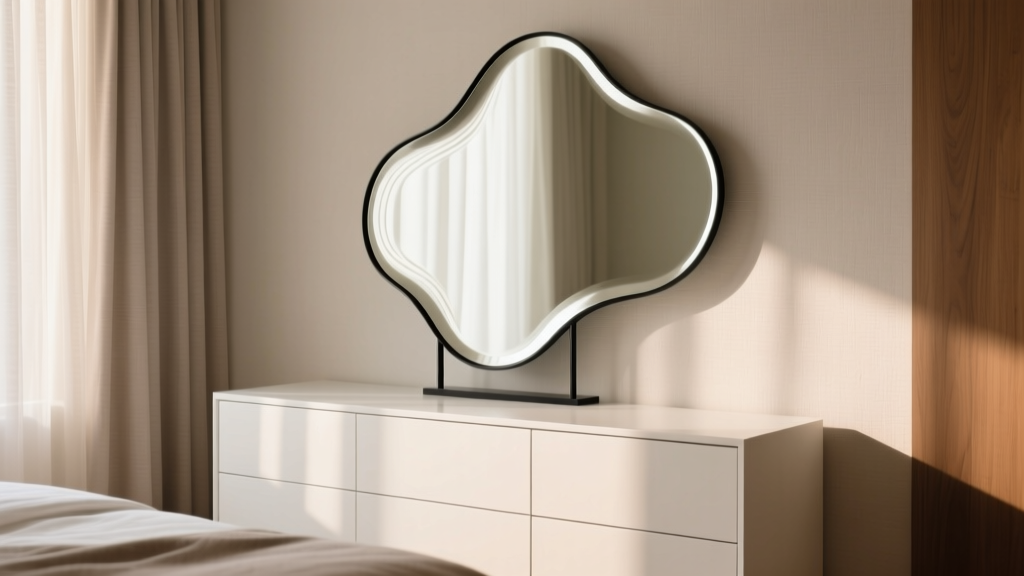 Bedroom Organic Shaped Mirror Above Dresser - The Decor Mag
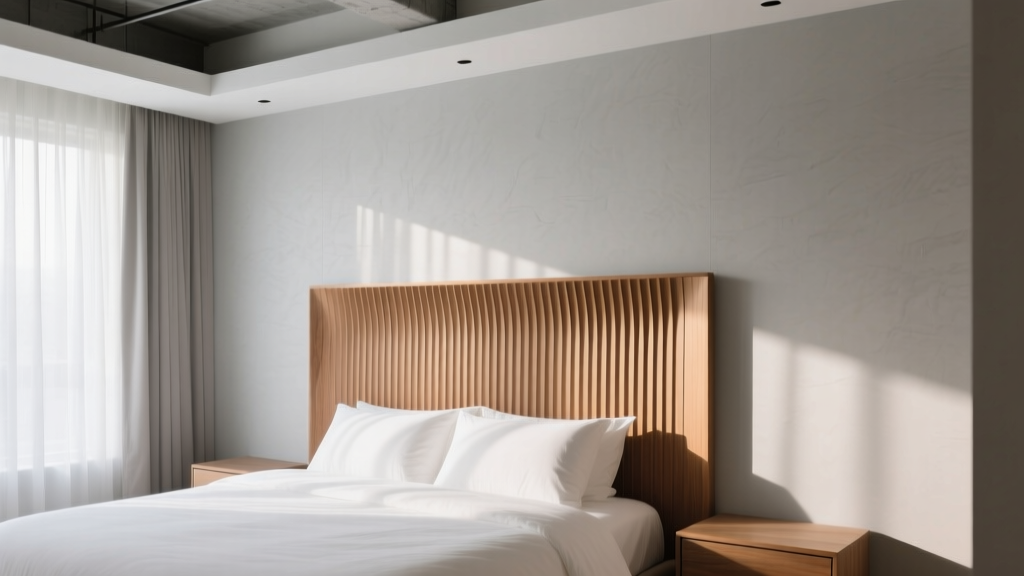 Bedroom Fluted Headboard Panel Design - The Decor Mag
 The Best Bedding Sets for Every Season - The Decor Mag
 How to Choose Bedroom Mattress Topper - The Decor Mag
 Best Bedroom Jewelry Organization - The Decor Mag